
Sauces & Condiments
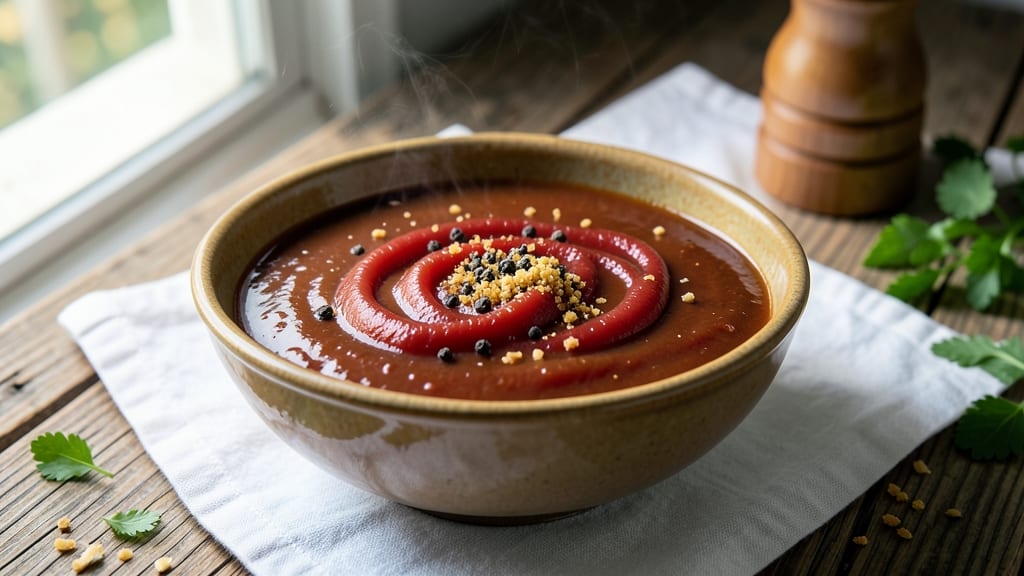
This army navy sauce recipe delivers the perfect balance of tangy, spicy, and sweet—ideal for wings, fries, or even burgers. The classic blend of ketchup, vinegar, and cayenne creates a bold, versatile sauce that elevates any dish with minimal effort.
I’ve refined this recipe over years to ensure the right heat level and rich tomato flavor without overpowering the food it accompanies.
The magic lies in the balance of ingredients: a touch of brown sugar mellows the vinegar’s sharpness, while Worcestershire adds depth. This sauce isn’t just for dipping—it works as a glaze for grilled meats or a finishing touch for tacos.
The recipe is simple, with just a few pantry staples, but the results are restaurant-quality every time.
What sets this sauce apart is its adaptability. Too spicy? Reduce the cayenne. Need it sweeter? Add more brown sugar. The sauce thickens slightly as it sits, making it perfect for dipping or drizzling. Store it in the fridge for up to two weeks, or freeze for longer shelf life.
Whether you’re hosting a game day spread or craving a quick weeknight dip, this sauce delivers bold flavor with minimal fuss. Let’s get started—your taste buds will thank you.
Ingredients for army navy sauce
Nine simple ingredients blend into a bold sauce perfect for wings, fries, or tacos.
| Ingredient | Amount | Notes |
|---|---|---|
| Ketchup 🍅 | 1 cup | High-quality, smooth variety |
| White Vinegar 🍶 | ½ cup | White or apple cider vinegar |
| Brown Sugar 🍚 | 2 tbsp | Light or dark brown sugar |
| Worcestershire Sauce 🍶 | 1 tbsp | High-quality, not vegetarian |
| Cayenne Pepper 🌶️ | ½ tsp | Adjust for heat preference |
| Garlic Powder 🧄 | 1 tsp | Freshly ground preferred |
| Ground Black Pepper 🌶️ | ½ tsp | Freshly ground for best flavor |
| Salt 🧂 | 1 tsp | Kosher or sea salt preferred |
| Mustard 🌭 | 1 tsp | Dijon or yellow mustard |
| Hot Sauce 🔥 | 1 tbsp | Optional, for extra heat |
The ketchup and vinegar form the sauce’s backbone, so quality matters here. Grab a bottle of Heinz ketchup or a similar smooth variety—it’s the standard for a reason. Vinegar should be white or apple cider, but avoid balsamic or red wine vinegar—they’ll change the flavor profile. Brown sugar is key for balancing the tang, so don’t skip it. For Worcestershire, Lea & Perrins is the classic choice, but any good brand works. The cayenne is where you can play—start with half a teaspoon and adjust to taste.
No Worcestershire? Substitute with soy sauce or a splash of fish sauce, though the flavor will shift slightly. Skip the garlic powder? Fresh minced garlic at double the amount adds a brighter punch. Mustard can be swapped for spicy brown mustard if you prefer more heat. Hot sauce is optional, but Tabasco or Crystal work perfectly—just add it after cooking to control the spice level. If your sauce needs thickening, simmer it longer or add a cornstarch slurry (1 tsp cornstarch + 1 tbsp water).
This sauce tastes even better the next day as the flavors meld. Store it in an airtight container in the fridge for up to 2 weeks. For longer storage, freeze it in ice cube trays—perfect for single-serving dips or glaze additions. If it thickens too much, stir in a splash of water or vinegar to loosen it. Leftovers reheat well, but it’s best served at room temperature for dipping.
Why You'll Love This Recipe
- Pantry Magic: I swear by this sauce because it’s the kind of thing you can make with stuff you already have—no special shopping trips needed. That ketchup base, vinegar tang, and brown sugar caramelization? It’s like a flavor upgrade for whatever you’re cooking, and it costs pennies.
- Heat & Sweet Balance: Here’s what sold me—the way the cayenne pepper and Worcestershire sauce cut through the sweetness without overpowering it. It’s got this just-right kick that makes fries taste like a late-night snack, not a guilty pleasure.
- Game for Everything: Between us, this stuff is my secret weapon for tacos, grilled chicken, or even eggs. I keep a jar in the fridge for when I’m prepping meals—drizzle it on roasted veggies, toss it with tofu, or slather it on sandwiches. It’s the kind of sauce that makes lazy nights feel intentional.
- No Waste, All Win: Honestly, I make a big batch and it lasts forever. The vinegar keeps it from spoiling, and the sugar balances the acid so it doesn’t taste off after a week. Plus, it’s cheaper than buying fancy dipping sauces, and I never regret having it on hand.
Step-by-step instructions for Army Navy sauce
A perfect balance of tangy, sweet, and spicy—this sauce delivers bold flavor for wings, fries, and more.
Combine Wet Ingredients in a Saucepan
In a medium saucepan, pour in the 1 cup ketchup and 0.5 cup white vinegar. Stir to combine these two foundational ingredients—the ketchup provides the rich tomato base while the vinegar adds the signature tang that defines Army Navy sauce.
Next, add the 2 tablespoons brown sugar, 1 tablespoon Worcestershire sauce, and 1 tablespoon hot sauce (if using). Bring the mixture to a gentle simmer over medium heat, stirring occasionally to ensure even distribution. The sugar will begin to dissolve, creating a smoother base for the sauce. Let it simmer for 5 minutes to allow the flavors to meld together.
Add Dry Seasonings and Simmer
Reduce the heat to low and sprinkle in the 1 teaspoon garlic powder, 0.5 teaspoon cayenne pepper, 0.5 teaspoon ground black pepper, 1 teaspoon salt, and 1 teaspoon mustard. Stir continuously for 2-3 minutes until the spices are fully incorporated and the sauce thickens slightly.
The cayenne pepper will add a subtle heat, while the garlic powder and mustard contribute depth. The black pepper and salt balance the sweetness and acidity, creating a well-rounded flavor profile. Keep the sauce at a gentle simmer—this prevents the vinegar from evaporating too quickly and ensures the spices infuse properly.
Simmer Until Thickened
Continue simmering the sauce for 10-15 minutes, stirring occasionally, until it reaches your desired consistency. You're looking for a sauce that coats the back of a spoon but isn’t overly thick—it should still be pourable yet cling to foods like wings or fries.
Taste and adjust the seasoning if needed. If it’s too tangy, add a pinch more brown sugar. If it needs more heat, stir in an extra ¼ teaspoon cayenne pepper. The sauce should be bold, slightly sweet, and tangy with a hint of spice—this is the hallmark of a well-made Army Navy sauce.
Cool and Store
Remove the saucepan from heat and let the sauce cool to room temperature. This step is crucial—cooling prevents the sauce from continuing to thicken or separate as it sits. Transfer the sauce to a clean, airtight container and refrigerate for up to 1 week or freeze for up to 3 months.
The sauce will thicken further as it cools, so don’t worry if it looks slightly runny while warm. When ready to use, give it a quick stir to re-emulsify any separated ingredients. This sauce is best used on freshly fried foods, but it also works as a marinade or dipping sauce for grilled meats.
Pro Tips For Making Army Navy Sauce
- Simmer Slow and Steady: Army Navy sauce isn’t a race—after combining everything, keep it at a gentle simmer (low-medium heat) for at least 10 minutes. I used to crank it up, and it’d either burn or taste raw; letting it bubble quietly lets the vinegar and sugar meld without turning bitter or cloying.
- Use Real Vinegar, Not "Substitute": White vinegar is non-negotiable here—don’t swap in apple cider or balsamic. The sharp acidity cuts through the sweetness and balances the ketchup’s thickness. If you’re using cheap vinegar, taste it first; if it smells harsh, dilute it with 1 tsp water per ¼ cup.
- Taste Before the Sugar: Add Worcestershire and cayenne first, then taste the raw mix before dumping in the brown sugar. You’ll often need less sugar than recipes say—sometimes just 1-2 tablespoons—because the ketchup and vinegar already bring enough sweet-tang. Adjust in small batches.
- Strain for Smoothness (Optional): If you hate gritty ketchup bits in your sauce, strain it through a fine-mesh sieve after simmering. It’s extra work, but the texture becomes velvety—worth it if you’re using it on fries or as a dip. Just don’t skip this if you’re serving it to picky eaters.
Pro cooking tips for perfect results
Heat Control Mastery
Start with ½ teaspoon cayenne pepper—this gives you a balanced heat without overwhelming the sauce. If you're sensitive to spice, reduce it to ¼ teaspoon or even ⅛ teaspoon.
For extra kick, add 1 tablespoon hot sauce (like Tabasco) at the end of cooking—this lets you control the final heat level. Remember, heat builds as the sauce cools, so taste as it simmers rather than waiting for it to finish. 🌶️
Simmering Perfection
Keep the sauce at a gentle simmer—never a rolling boil—to prevent the vinegar from evaporating too quickly. A medium-low heat setting works best. Stir frequently during the 10-15 minute simmering phase to ensure even thickening and prevent scorching at the bottom.
If the sauce reduces too fast, add 1 tablespoon water or vinegar to maintain balance.
Thickness Tricks
For a thicker sauce, simmer longer (up to 20 minutes) or make a cornstarch slurry (1 tsp cornstarch + 1 tbsp water) and stir it in during the last 2 minutes of cooking. If it’s too thick after cooling, thin it with 1 teaspoon vinegar or water.
The ideal consistency coats the back of a spoon but remains pourable—this ensures it clings beautifully to wings or fries.
Flavor Boost Hacks
Add ½ teaspoon smoked paprika for a deeper, slightly smoky note that pairs perfectly with grilled meats. For a brighter flavor, replace garlic powder with 1 minced garlic clove (simmered for 1 minute before adding spices).
A splash of lemon juice (1 tsp) at the end adds freshness, especially if using the sauce on seafood or salads.
Equipment Essentials
Use a heavy-bottomed saucepan (like All-Clad) to prevent scorching and ensure even heat distribution. A wooden spoon helps stir without scratching the pan. For precise measurements, use a digital kitchen scale—especially for spices like cayenne, where accuracy matters.
If you don’t have one, a spice scoop ensures consistent portions.
Make-Ahead Magic
This sauce tastes even better after 24 hours as the flavors meld. Store it in an airtight glass jar in the fridge for up to 2 weeks. For freezing, portion it into ice cube trays—each cube is perfect for a single serving or glaze.
Thaw overnight in the fridge, then stir to re-emulsify. The texture may thicken further, so thin with a splash of vinegar if needed. ✨
Nutrition facts
Frequently asked questions
What’s the best way to use Army Navy sauce?
This versatile sauce excels as a dipping sauce for fried chicken wings, fries, or onion rings. It also works as a marinade for grilled meats (like pork chops or shrimp) or a glaze for roasted vegetables. For extra flavor, brush it on foods during the last 2 minutes of cooking so it doesn’t burn.
Can I make Army Navy sauce without Worcestershire?
Yes! Substitute 1 tablespoon soy sauce or fish sauce for the Worcestershire, though the flavor will shift slightly. For a vegetarian option, use 1 tablespoon tamari or ½ teaspoon liquid smoke plus ½ teaspoon onion powder. The sauce will still taste bold, just with a different depth.
Why did my sauce separate?
Separation usually happens if the sauce cooled too quickly or wasn’t stirred enough while simmering. To fix it, gently reheat the sauce over low heat while whisking continuously until smooth. For prevention, always simmer on medium-low heat and stir frequently. If it thickens too much after cooling, thin it with 1 teaspoon vinegar or water.
How spicy should Army Navy sauce be?
The cayenne provides a mild to moderate heat, but you can adjust it to taste. Start with ½ teaspoon for balanced flavor, then reduce to ¼ teaspoon for less spice or increase to 1 teaspoon for extra kick. For precise control, add hot sauce at the end—this lets you tweak the heat after cooking.
Can I use this sauce on seafood?
Army Navy sauce pairs beautifully with grilled shrimp, fish fillets, or fried calamari. The tangy, slightly sweet profile complements seafood’s natural flavors. For extra brightness, stir in 1 teaspoon lemon juice before serving. Just avoid overcooking the sauce with delicate seafood—use it as a finishing touch instead.