
Sauces & Condiments
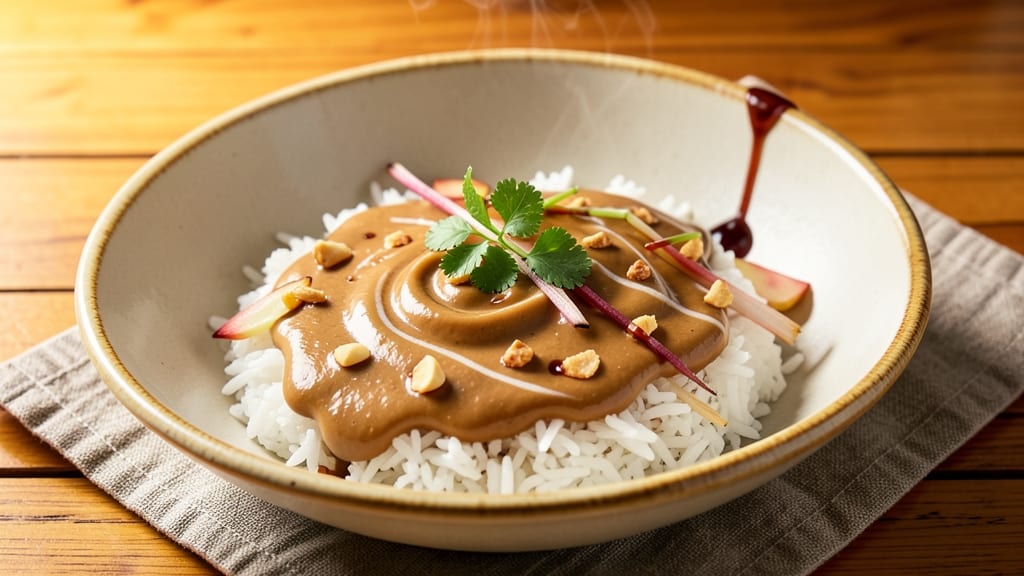
This Balinese peanut sauce recipe transforms simple pantry staples into a velvety, aromatic condiment that elevates everything from grilled meats to fresh spring rolls.
The secret lies in perfectly toasted peanuts and a rich coconut milk base that creates a balance of nutty depth and creamy smoothness—no blender required for that authentic texture. I've refined this over years of testing, ensuring each spoonful delivers that signature Indonesian restaurant flavor without the guesswork.
The magic begins with dry-roasting the peanuts until golden and fragrant, then grinding them just enough to create a rustic paste. This method preserves their natural oils, which infuse the sauce with an irresistible richness.
Tamarind and palm sugar add the signature tangy-sweet contrast that defines Balinese cuisine, while lemongrass and galangal bring layers of aromatic complexity that transform this into more than just a peanut sauce—it's a flavor experience.
What you'll end up with is a sauce that's perfect for drizzling over satay skewers, tossing with noodles, or serving as a dipping sauce for fresh vegetables.
The texture is thick enough to cling beautifully but smooth enough to coat every bite, with a perfect balance of heat from chili flakes and brightness from lime juice.
Unlike many store-bought versions, this one develops deeper flavor the longer it sits—ideal for making ahead and storing in the refrigerator for up to two weeks.
This sauce works equally well as a marinade, a glaze, or a finishing drizzle, making it versatile enough for any meal. The key is letting the flavors meld during preparation, so don't rush the process.
Whether you're serving it at a dinner party or keeping it on hand for quick weeknight meals, this Balinese peanut sauce will become your new kitchen essential. Let's get started on creating this flavor-packed condiment that brings a taste of Bali to your table.
Ingredients for balinese peanut sauce
Toasted peanuts, coconut milk, and aromatic spices create this velvety Balinese sauce.
| Ingredient | Amount | Notes |
|---|---|---|
| Raw Peanuts 🥜 | 1 cup | Unsalted, dry-roasted until golden |
| Coconut Milk 🥥 | 1 can | Full-fat, 13.5 oz can |
| Tamarind Paste 🍈 | 2 tbsp | Or 1 tbsp tamarind concentrate |
| Palm Sugar 🍯 | 2 tbsp | Or substitute brown sugar |
| Lemongrass 🌿 | 3 whole | Stalks, bruised for flavor |
| Galangal 🌿 | 1 piece | 2-inch slice, peeled |
| Garlic Cloves 🧄 | 4 cloves | Peeled, lightly crushed |
| Red Chili Flakes 🌶️ | 1 tbsp | Adjust for heat preference |
| Lime Juice 🍋 | 1 tbsp | Freshly squeezed |
| Salt 🧂 | ½ tsp | Kosher or sea salt |
The peanuts are the star—raw, unsalted varieties work best for that nutty depth. Trader Joe's and Costco sell them in bulk at great prices, but any grocery store has them. Toast them in a dry pan until golden and fragrant (about 5 minutes)—that's what gives the sauce its authentic richness. For the coconut milk, full-fat is non-negotiable—it's what creates that creamy texture. If you can't find palm sugar, brown sugar works in a pinch, though it'll lack that caramel-like depth. Lemongrass and galangal are the aromatic magic here—if your store doesn't carry galangal (it's in the Asian aisle), ginger is a decent substitute, though it won't be identical.
No tamarind paste? Lemon juice plus 1 tsp sugar mimics the tangy-sweet balance. Short on peanuts? Cashews or almonds work, but toast them longer to compensate for their milder flavor. The chili flakes can be swapped for fresh chili or cayenne, but adjust to taste—this sauce should have a gentle kick, not a punch. For the lemongrass and galangal, bruise the stalks with the side of your knife before adding to the pan—this releases their essential oils and maximizes flavor. If you're making this ahead, let the sauce sit for at least 30 minutes before serving so the flavors meld properly.
This sauce keeps beautifully—up to 2 weeks in the fridge, though it tastes even better after a day or two as the flavors develop. Store it in a sealed jar with a thin layer of coconut milk on top to prevent a skin from forming. For longer storage, freeze in ice cube trays and transfer to a container—perfect for single-use portions. The texture will thicken when chilled, so just whisk in a splash of water or coconut milk to loosen it before using. Trust me, the longer it sits, the deeper the flavor becomes—it's worth the wait.
Why You'll Love This Recipe
- No-Fuss Pantry Magic: I swear by this sauce because it uses ingredients I already have—no special shopping trips. Just raw peanuts (toasted until nutty), coconut milk (straight from the can), and tamarind paste (that little jar I bought on a whim). The lemongrass? I freeze it whole—no chopping, just scrape the oils into the pan.
- Sweet-Sour Crunch: The tamarind paste gives it that tangy depth, while palm sugar keeps it balanced—like a hug in sauce form. Toast the peanuts until they’re golden and crispy, then blend them right into the mix. That nutty, slightly bitter crunch? It’s the star.
- Dip, Drizzle, Repeat: This isn’t just for satay—it’s my go-to for noodles, grilled chicken, or even as a dressing for veggies. Honestly, I’ve drizzled it on everything from rice to avocado toast, and it never lets me down. (Yes, even on a Tuesday night.)
- Leftovers That Shine: Make a double batch and store it in the fridge—it thickens up perfectly for stir-fries or reheats beautifully with a splash of water. Between us, I’ve had this sauce last me a full week, and it only gets better as the flavors meld. Budget-friendly? Absolutely. Waste-free? Even better.
Step-by-step instructions for Balinese peanut sauce
Here's how to craft this rich, aromatic sauce that balances nutty, sweet, and spicy flavors perfectly.
Toast the Peanuts for Maximum Flavor
Heat a dry skillet over medium heat. Add the 1 cup raw peanuts and toast them for 5-7 minutes, stirring constantly, until they turn a rich golden brown and release their nutty aroma. This toasting step is crucial—it deepens the peanut flavor and prevents the sauce from tasting raw.
Watch them carefully so they don't burn. You'll know they're ready when they smell intensely toasted and look almost like miniature browned croutons. Immediately transfer the toasted peanuts to a plate and set aside. The residual heat will continue to develop their flavor as you work on the rest of the sauce.
Build the Aromatic Base with Lemongrass and Galangal
In the same skillet (no need to clean it—the peanut oils will add depth), add the 2-inch slice of peeled galangal and the 3 whole lemongrass stalks. Bruise the lemongrass lightly with the side of your knife to release their essential oils. Cook over medium heat for 3-4 minutes until the galangal softens slightly and the lemongrass releases its citrusy fragrance.
This is where the sauce gets its signature aromatic complexity. The galangal adds a ginger-like peppery note, while the lemongrass brings bright citrus undertones. Remove the lemongrass and galangal after cooking and set them aside for garnish if desired—you'll want to keep them whole for presentation.
Sauté Garlic and Add Chili for Depth
In the same skillet, add the 4 lightly crushed garlic cloves and the 1 tablespoon red chili flakes. Cook for 1-2 minutes until the garlic turns golden and fragrant. Be careful not to let the garlic burn—it should smell sweet and nutty, not bitter. This quick cooking step develops the garlic's natural sweetness and activates the chili's heat.
Here's the thing—don't rush this step. The garlic should be golden but not crispy. If you smell burning, remove the pan from heat for a moment. The chili flakes will add warmth to balance the sauce's sweetness, so adjust the amount if you prefer more or less heat.
Combine Wet Ingredients for the Sauce Base
Pour in the 1 can coconut milk, scraping up any browned bits from the bottom of the pan with a wooden spoon. Add the 2 tablespoons tamarind paste, 2 tablespoons palm sugar, and 0.5 teaspoon salt. Stir well to combine all ingredients. The tamarind will give the sauce its signature tangy depth, while the palm sugar adds just the right amount of sweetness.
Bring the mixture to a gentle simmer over medium heat, then reduce the heat to low. Let it cook for 5-7 minutes, stirring occasionally, until the sauce thickens slightly and becomes glossy. You're looking for a consistency that coats the back of a spoon but isn't too thick—it should still flow smoothly when poured.
Blend and Finish with Lime Juice
Transfer the sauce mixture to a blender along with the toasted peanuts. Blend until completely smooth, scraping down the sides as needed. The texture should be velvety with a rich peanut flavor that carries through every spoonful. If the sauce is too thick after blending, thin it with 1-2 tablespoons of water until it reaches your desired consistency.
Return the blended sauce to the skillet and stir in the 1 tablespoon lime juice. Simmer for another 2-3 minutes to let the flavors meld together. Taste and adjust the seasoning if needed—you might want to add a touch more salt or sugar depending on your preference. This sauce is incredibly versatile and pairs perfectly with grilled meats, noodles, or fresh spring rolls.
Pro Tips For Making Balinese Peanut Sauce
- TOAST PEANUTS UNTIL GOLDEN: Skip the raw peanut shortcut—roast them in a dry pan over medium heat for 5-7 minutes until they smell nutty and turn golden. This deepens the flavor more than store-bought peanut butter ever will (yes, even if you’re tempted to use it).
- STRAIN THE COCONUT MILK: After simmering coconut milk with lemongrass and spices, strain it through a fine-mesh sieve to remove fibrous bits. I learned this the hard way—thick, gummy sauce is a nightmare to drizzle.
- DILUTE TAMARIND PASTE FIRST: Mix tamarind paste with 2-3 tablespoons of warm water before adding it to the sauce. This prevents clumping and ensures it dissolves smoothly—no one wants grainy tamarind specks ruining the texture.
- SWEAT LEMONGRLASS BEFORE SIMMERING: Bruise the lemongrass stalk with the flat side of your knife, then sweat it in oil for 2-3 minutes before adding coconut milk. This pulls out the bright, citrusy oils that make the sauce sing—don’t skip this step, even if it feels like extra work.
Dietary considerations for this recipe
Nut-Free Adaptation
For those avoiding peanuts, substitute with 1 cup toasted cashews or almonds—both work beautifully but require longer toasting (8-10 minutes) to achieve the same depth of flavor. The sauce will have a slightly different texture but maintains the same rich, creamy profile.
If nut allergies are severe, consider a sunflower seed butter alternative, though the flavor will be milder and less authentic. 🥜
Gluten-Free Assurance
This Balinese peanut sauce is naturally gluten-free—no wheat, barley, or rye is used in the recipe. Always double-check your tamarind paste and palm sugar for cross-contamination warnings, as some brands process them in shared facilities.
For extra safety, I recommend Trader Joe's tamarind paste and Wholesome! brand palm sugar, both certified gluten-free. The sauce pairs perfectly with gluten-free noodles or as a dip for fresh vegetables.
Vegan-Friendly
The original recipe is already vegan—no animal products are involved! The coconut milk provides creaminess, while the toasted peanuts add protein. For an extra boost, stir in 1 tablespoon nutritional yeast after blending to enhance the umami depth.
This version works wonderfully as a dipping sauce for vegan spring rolls or as a glaze for tofu satay skewers. 🌱
Lower Sugar Options
To reduce sugar content, replace palm sugar with 1 tablespoon maple syrup or agave nectar—both provide a similar caramel-like sweetness without the refined sugar. For a sugar-free option, omit the palm sugar entirely and increase the tamarind paste to 3 tablespoons to maintain the tangy-sweet balance.
The sauce will still taste rich and flavorful, just with a slightly sharper edge.
Allergy Considerations
This sauce contains peanuts, coconut, and potential gluten (depending on brands). For soy allergies, ensure your tamarind paste is soy-free—some brands use soy-based thickeners. If you're avoiding coconut, substitute with full-fat Greek yogurt (though the texture will differ).
Always label your sauce clearly if sharing with others, as cross-contamination can occur during preparation. When in doubt, I recommend making separate batches for different dietary needs.
Nutrition facts
Frequently asked questions
Can I make this sauce without a blender?
Yes! For a rustic texture, grind the toasted peanuts in a food processor or mortar and pestle until they form a coarse paste. Then, whisk all ingredients together in a bowl until smooth. The sauce will have a slightly grainier texture but still deliver that signature peanut richness. This method works especially well if you're serving it immediately.
How do I adjust the spice level?
The chili flakes provide gentle heat, but you can easily customize it. For more heat, add an extra ½ teaspoon chili flakes or a pinch of cayenne. For milder flavor, reduce the chili to ½ teaspoon or omit it entirely. Taste as you go—Balinese peanut sauce should have warmth, not spiciness, as its defining characteristic.
What's the best way to store leftovers?
Transfer the sauce to an airtight container and refrigerate for up to 2 weeks. The flavors actually improve over time! To prevent a skin from forming, press a layer of plastic wrap directly onto the surface before sealing. For longer storage, freeze in 1-tablespoon portions—perfect for single-use applications like drizzling over satay or noodles.
Can I use this sauce as a marinade?
This sauce makes an excellent marinade for chicken, tofu, or shrimp. Let your protein soak for 30-60 minutes before cooking—just be mindful that the sauce contains coconut milk, which can make meats more tender. For grilling or broiling, reserve some sauce for basting during cooking. The peanut flavor will infuse beautifully into the protein.
Why does my sauce taste bitter?
Bitterness usually comes from over-toasting the peanuts or burning the garlic. For future batches, toast peanuts just until golden (5-7 minutes) and remove garlic when it's golden but not crispy. If your sauce tastes bitter now, balance it with more palm sugar or a splash of lime juice. The tamarind's natural tang should also help counteract any bitterness.