
Sauces & Condiments
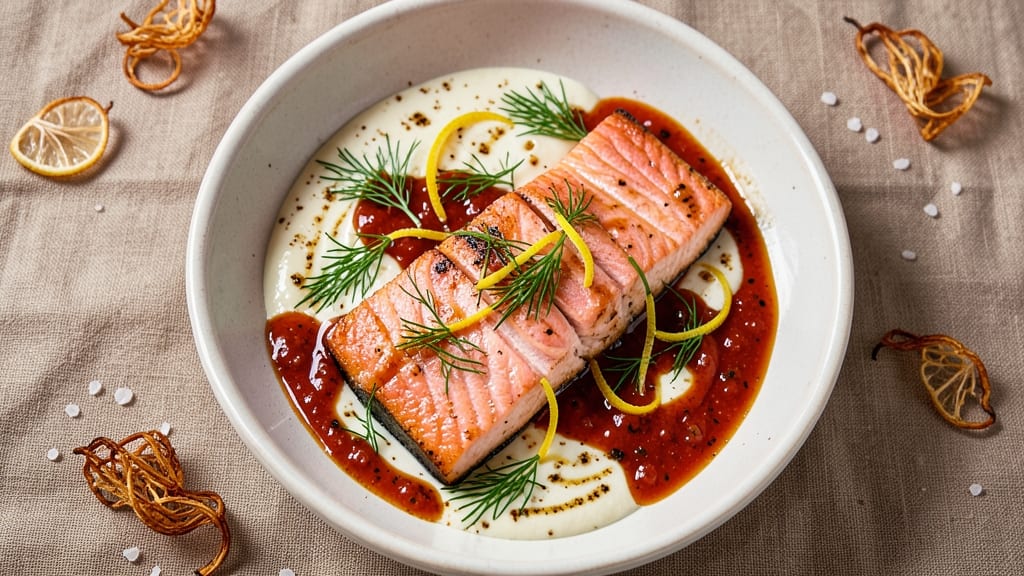
This baked salmon with mustard dill sauce transforms simple weeknight dinners into restaurant-worthy meals with minimal effort. The secret lies in crisping the skin perfectly while keeping the flesh tender, then finishing with a bright, tangy sauce that cuts through the richness.
I've perfected this technique over countless test batches, ensuring every bite delivers that ideal balance of texture and flavor.
The mustard dill sauce is where the magic happens—its sharp, herby notes complement the salmon's natural richness without overpowering it. We'll start with fresh dill and Dijon mustard for depth, then finish with a touch of lemon to brighten the whole dish.
The sauce isn't just a topping; it's the star that ties everything together, creating a harmonious bite that's impossible to resist.
What makes this recipe truly special is how foolproof it is. You'll achieve golden, crispy skin without flaking while maintaining perfectly moist, flaky flesh inside. The sauce comes together in just minutes, requiring no special skills—just basic pantry staples and fresh herbs.
This isn't just another salmon recipe; it's a complete dining experience that pairs beautifully with roasted vegetables or crusty bread.
The best part? This dish delivers restaurant-quality results in under 30 minutes of active time, making it perfect for busy weeknights or special occasions. Whether you're cooking for two or feeding a crowd, the technique scales effortlessly while maintaining that perfect balance of flavors and textures.
Let's get started on creating your next standout dinner.
Ingredients for baked salmon with mustard dill sauce
Restaurant-quality salmon starts with these 13 ingredients—simple but transformative.
| Ingredient | Amount | Notes |
|---|---|---|
| Center-Cut Salmon Fillets 🐟 | 4 pieces | Skin-on, 6-8 oz each |
| Fresh Dill Weeds 🌿 | ½ cup | Packed, stems removed |
| Dijon Mustard 🍯 | 2 tbsp | High-quality, smooth variety |
| Extra-Virgin Olive Oil 🫒 | ½ cup | Light, fruity flavor preferred |
| Fresh Lemon Juice 🍋 | 2 tbsp | From 1 small lemon |
| Honey 🍯 | 1 tbsp | Wildflower preferred |
| Garlic Cloves 🧄 | 2 cloves | Minced, fresh preferred |
| Whole Grain Mustard 🌶️ | 1 tbsp | For texture contrast |
| Diamond Crystal Kosher Salt 🧂 | 1 ½ tsp | For seasoning |
| Freshly Ground Black Pepper 🌶️ | ½ tsp | Coarsely ground |
| Unsalted Butter 🧈 | 2 tbsp | Cold, cubed for crisping |
| Whole Grain Breadcrumbs 🍞 | 2 tbsp | For skin texture |
| Fresh Lemon Zest 🍋 | 1 tsp | From 1 lemon |
The salmon is everything here. Center-cut fillets with skin are non-negotiable—they crisp beautifully while keeping the flesh impossibly tender. Look for fillets with vibrant pink flesh and minimal bruising at Whole Foods or your fishmonger. If buying frozen, thaw overnight in the fridge—never at room temperature. The skin should be intact with no tears, and the fillets should be uniform in thickness. I always ask my butcher to cut them to the same thickness, which ensures even cooking. For the sauce, fresh dill is a must—Penzeys or the bulk bins at natural markets have the best quality. If you can't find fresh, dried dill at one-third the amount works in a pinch, but the flavor won't be the same.
No Dijon mustard? Whole grain mustard plus a splash of apple cider vinegar mimics that tangy depth. Running short on olive oil? Avocado oil works identically—just use the same amount. The honey adds just enough sweetness to balance the sharpness, but if you're avoiding it, maple syrup at half the quantity gets you close. For the skin crisping, the butter and breadcrumbs are key—Trader Joe's has the best pre-made breadcrumb mix if you're short on time. The lemon juice needs to be fresh; bottled won't cut it. And if you're feeling fancy, swap the whole grain mustard for a touch of grape seed oil for extra richness. Every element in this sauce plays a part, so don't skip the lemon zest—it's what ties everything together.
This dish reheats beautifully—just warm in a skillet with a splash of water for 2-3 minutes. The sauce keeps for 5 days in the fridge, though I always make extra to drizzle on other dishes. Store the salmon in an airtight container with parchment between layers to prevent sticking. For longer storage, freeze the salmon (without the sauce) for up to 3 months. The sauce freezes well too, but add a splash of water when reheating to restore its silky texture. I like to prep everything the night before—thaw the salmon, mix the sauce ingredients, and set out my baking sheet. That way, I just assemble and bake in the morning for a stress-free weeknight dinner.
Why You'll Love This Recipe
- No-Fuss Weeknight Win: I swear by this for days when I’m too tired to fuss—just slap salmon on a tray, drizzle it with olive oil and lemon, and let the oven do the work. The mustard-dill sauce comes together in one bowl while the fish bakes, so no last-minute scrambling.
- Bright, Tangy Magic: That lemon juice and Dijon mustard combo? It’s the secret weapon—sharp, fresh, and just a little funky without overpowering. The dill adds this bright, herby finish that makes every bite feel like a little vacation, even on a Tuesday.
- Meal Prep MVP: Between us, this is my go-to for lunches. Bake a whole tray on Sunday, flake the salmon into containers, and toss it with the sauce—it stays moist for days. Honestly, I’ve eaten it cold, warm, or over greens, and it’s always a hit.
- Budget-Friendly Luxury: Fresh dill and center-cut salmon might sound fancy, but you’re using half a bunch of herbs and one fillet feeds two. The rest of the sauce ingredients? Pantry staples. It’s restaurant-quality without the markup—my wallet thanks me every time.
Step-by-step instructions for baked salmon with mustard dill sauce
This method delivers perfectly flaky salmon with a vibrant, tangy-herb glaze that clings beautifully to every bite.
Prepare the Mustard Dill Sauce
In a small mixing bowl, combine the 0.5 cup extra-virgin olive oil, 2 tbsp Dijon mustard, 2 tbsp fresh lemon juice, 1 tbsp honey, 2 cloves minced garlic, 1 tbsp whole grain mustard, 1.5 tsp Diamond Crystal kosher salt, and 0.5 tsp freshly ground black pepper. Whisk vigorously for 2-3 minutes until the mixture becomes thick and emulsified—you should see it transform from a loose liquid into a glossy, ribbon-like consistency.
Next, fold in the 0.5 cup fresh dill weeds and 1 tsp fresh lemon zest using a rubber spatula. The dill adds a bright, herbal note that perfectly complements the tangy mustard and sweet honey. Taste and adjust seasoning if needed—this sauce is the star of the dish, so balance is key. Cover and set aside while you prepare the salmon.
Season and Crisp the Salmon Skin
Preheat your oven to 400°F and position a rack in the center position. Pat the 4 center-cut salmon fillets dry with paper towels—this ensures a crispy skin. Place the fillets skin-side down on a parchment-lined baking sheet.
Rub each fillet generously with the 2 tbsp cold unsalted butter, focusing on the skin side. Sprinkle evenly with 2 tbsp whole grain breadcrumbs, pressing them gently into the butter. The breadcrumbs create a delightful crunch that contrasts beautifully with the tender flesh. Bake for 8-10 minutes until the skin turns a rich, golden brown and the breadcrumbs look toasted.
Glaze and Finish the Salmon
Remove the salmon from the oven and carefully flip each fillet onto its skin side, using a thin metal spatula to preserve the crispy coating. Spoon the prepared mustard dill sauce evenly over each fillet, ensuring complete coverage. Return to the oven and bake for an additional 6-8 minutes until the salmon reaches an internal temperature of 145°F—you'll see the edges begin to flake slightly when gently pressed with a fork.
The sauce should bubble and caramelize slightly, creating a glossy finish. If the sauce thickens too much before the salmon is done, you can gently reheat it in a small saucepan off to the side. Once the salmon is perfectly cooked, transfer it to a serving platter and let it rest for 5 minutes before serving—this allows the juices to redistribute, keeping every bite moist and flavorful.
Serve with Confidence
Slice each fillet diagonally into 4-6 even pieces and arrange on warm plates. Drizzle any remaining sauce from the baking sheet over the top for an elegant presentation. The combination of crispy skin, flaky texture, and vibrant mustard dill glaze makes this dish truly special.
Pair with roasted asparagus or a fresh arugula salad to complete the meal. The bright acidity of the lemon and the herbal notes of the dill cut through the richness of the salmon beautifully, creating a harmonious balance in every bite. Serve immediately while the salmon is at its peak texture and temperature.
Pro Tips For Making Baked Salmon With Mustard Dill Sauce
- Dry the Salmon First: Pat those fillets thoroughly with paper towels—wet skin means steam instead of crisp edges. I learned this the hard way when my salmon turned out soggy despite perfect timing.
- Use Room-Temp Mustard: Let that Dijon sit out for 10 minutes before mixing it into the sauce—cold mustard clumps and dulls the flavor. Sounds minor, but it makes a real difference in how smoothly the sauce emulsifies.
- Skip the Overcrowded Pan: If baking in a skillet, use one fillet per inch of space. I used to cram two in there, and they’d steam instead of sear. Your salmon deserves room to breathe.
- Finish with Lemon Zest: Add a pinch of fresh lemon zest to the sauce at the very end—it brightens the mustard and dill without overpowering. I was skeptical until I tried it, and now I can’t skip it.
Storing and reheating your leftovers
Refrigerator Storage
Store leftover salmon in an airtight container with parchment paper between layers to prevent sticking. The sauce can be kept separately in a sealed jar. Both will stay fresh in the fridge for up to 4 days—the sauce actually improves overnight as flavors meld.
I always double the sauce recipe because it’s perfect for drizzling on other dishes like grain bowls or eggs. 🌟
Freezer-Friendly Tips
For longer storage, freeze the salmon (without sauce) for up to 3 months in a freezer-safe bag with excess air removed. The sauce freezes well too, but add 1 tsp water when reheating to restore its silky texture.
I like to portion the sauce into ice cube trays—just pop out what you need for quick use. Thaw salmon overnight in the fridge for best results. ❄️
Reheating Salmon
For crispy results, reheat salmon in a skillet over medium heat for 2-3 minutes with 1 tbsp water to steam. Cover with a lid to trap moisture.
If using the microwave, heat for 1-2 minutes on 50% power, then finish in the oven at 350°F for 5 minutes to restore crunch. The sauce reheats beautifully in a small saucepan over low heat for 2 minutes. 🔥
Reviving the Sauce
If your sauce thickens too much after storage, thin it with 1 tsp warm water or lemon juice while whisking. For extra richness, stir in 1 tsp olive oil or butter.
I often reheat the sauce separately and drizzle it over the salmon just before serving to keep that bright, glossy finish. The key is gentle heat—never boil or it’ll break the emulsion. ✨
Meal Prep Strategy
Prep everything the night before: mix the sauce ingredients, thaw the salmon, and set up your baking sheet. In the morning, just assemble and bake—15 minutes of active time.
I store components separately in glass containers for easy reheating. This method works perfectly for lunches or dinner parties—just scale the recipe accordingly. 💡
Nutrition facts
Frequently asked questions
Why does the salmon skin need to be skin-side down first?
Baking the salmon skin-side down first ensures it crisps to a perfect golden finish while protecting the delicate flesh. The butter and breadcrumb coating creates a flavorful barrier that prevents the skin from sticking to the pan. Flipping later preserves this crispy texture while the sauce glazes the top.
Can I use frozen salmon for this recipe?
Yes, but thaw it properly first! Place frozen salmon in a sealed bag and submerge in cold water for 30 minutes, changing the water every 10 minutes. Or thaw overnight in the fridge. Never use room-temperature water—it promotes bacterial growth. Pat completely dry before baking for best results.
What if my sauce separates after making it?
Simply whisk in 1 tsp warm water or lemon juice while whisking vigorously. The emulsion will reform immediately. For extra insurance, add ½ tsp Dijon mustard to help stabilize it. This sauce is forgiving—just keep whisking until smooth.
How do I adjust this recipe for thinner salmon fillets?
Reduce oven temperature to 375°F and bake for 12-15 minutes total (8 minutes skin-side down, then 4-7 minutes after flipping). Thinner fillets cook faster, so check at 10 minutes using an instant-read thermometer (145°F internal temp). Cover loosely with foil if browning too quickly.
Can I make this sauce ahead of time?
The sauce keeps for 5 days in the fridge and freezes beautifully for 3 months. For best texture, whisk briefly before using. I like to make extra and use it on everything from grilled chicken to deviled eggs. The flavors actually deepen overnight.