
Desserts
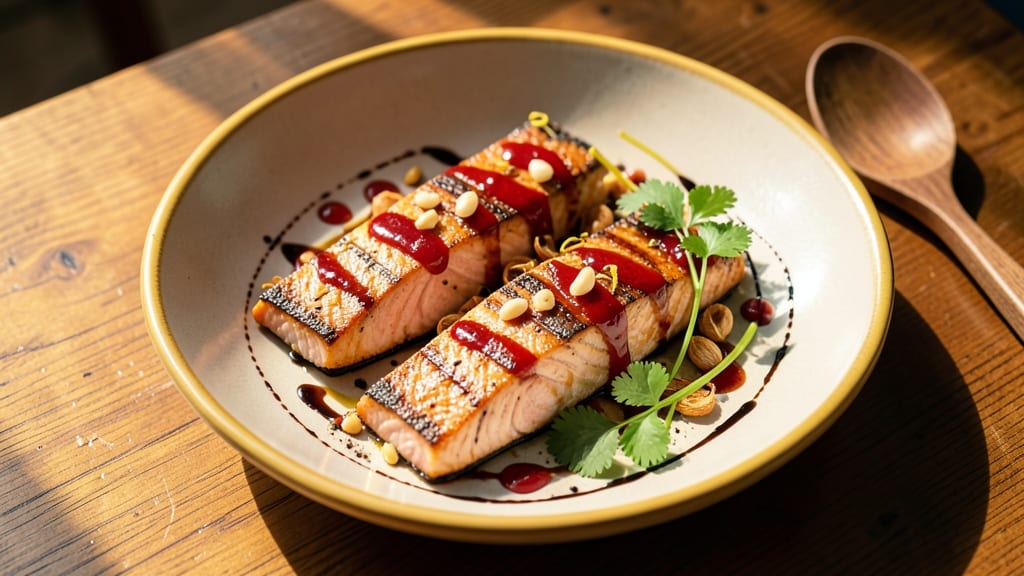
This baked salmon recipe with sweet chili sauce delivers crispy edges and a perfect balance of tangy, sweet, and savory flavors that transform weeknight dinners into restaurant-worthy meals.
The secret lies in baking the salmon until golden and caramelized, then finishing it with a glossy sweet chili glaze that adds depth without overpowering the delicate fish.
I developed this recipe during a particularly busy week when I needed a dish that was both impressive and foolproof—no complicated techniques required.
The process starts with simple seasoning—just salt, pepper, and a touch of olive oil—to create the ideal canvas for the sweet chili sauce. Baking at the right temperature ensures the salmon stays moist inside while developing those crispy edges that add texture and visual appeal.
Once out of the oven, a quick drizzle of sweet chili sauce elevates the dish, creating a glossy finish that ties all the flavors together in one irresistible bite.
What you’ll end up with is a dish that’s elegant enough for guests but simple enough for a weeknight. The salmon’s tender, flaky texture contrasts beautifully with the sticky-sweet glaze, while the underlying sweetness of the sauce balances the natural richness of the fish.
Serve it over steamed rice or with roasted vegetables for a complete meal that’s sure to become a staple in your rotation.
This recipe is designed to minimize prep while maximizing flavor—no last-minute scrambling required. The sweet chili sauce can be made ahead and stored in the fridge, so you’re always ready to add that final touch of sweetness and tang.
Whether you’re cooking for two or feeding a crowd, this baked salmon with sweet chili sauce is the kind of dish that feels special without the fuss.
Ingredients for baked salmon recipe with sweet chili sauce
Crispy edges, tangy-sweet glaze, and flaky salmon—here’s what you’ll need for restaurant-quality weeknight dinners.
| Ingredient | Amount | Notes |
|---|---|---|
| Wild-Caught Salmon Fillets 🐟 | 4 pieces | Skin-on, 6-8 oz each |
| Extra-Virgin Olive Oil 🫒 | 2 tbsp | For crispy edges |
| Kosher Salt 🧂 | 1 tsp | Diamond Crystal preferred |
| Freshly Ground Black Pepper 🌶️ | ½ tsp | For seasoning |
| Sweet Chili Sauce 🍶 | ½ cup | Store-bought or homemade |
| Garlic Cloves 🧄 | 3 cloves | Minced for sauce |
| Fresh Ginger 🌿 | 1 tbsp | Grated, for sauce |
| Rice Vinegar 🍶 | 1 tbsp | For tangy balance |
| Honey 🍯 | 2 tbsp | For sweetness (sub maple syrup) |
| Sesame Oil 🫒 | 1 tsp | For aroma |
| Red Chili Flakes 🌶️ | ½ tsp | Adjust for heat |
| Jasmine Rice 🍚 | 1 ½ cups | Uncooked, for serving |
| Lemon Wedges 🍋 | 2 whole | For garnish |
| Fresh Cilantro 🌿 | ¼ cup | Chopped, optional garnish |
| Avocado Oil 🫒 | 1 tbsp | High smoke point for roasting |
The salmon is everything here. Wild-caught fillets with skin-on stay moist while developing crispy edges—frozen salmon works too, just thaw overnight. For the sauce, store-bought sweet chili sauce (like Huy Fong) cuts prep time, but homemade is worth it if you’ve got 10 minutes. The key is balancing sweetness and tang—Trader Joe’s has great pre-minced garlic and ginger if you’re short on time. Look for extra-virgin olive oil with a fruity aroma; the cheap stuff won’t crisp the salmon right.
No sweet chili sauce? Mix 2 tbsp honey, 1 tbsp rice vinegar, 1 tsp soy sauce, 1 tsp sesame oil, and 1/2 tsp red chili flakes—it’s that simple. Swap honey for maple syrup if you’re vegan. The avocado oil is non-negotiable for roasting—high smoke point means no burning. Fresh ginger? Sub 1/2 tsp ground ginger if you’re in a pinch. For the rice, jasmine is ideal but any white rice works. And if you’re feeling fancy, toss in 1 tsp fish sauce to the sauce for extra umami—trust me, it’s a game-changer.
Salmon stays fresh for 2 days in the fridge, but cook it ASAP for best texture. The sauce keeps for 1 week in the fridge—make extra, it’s perfect on rice bowls or grilled chicken. Store leftover salmon wrapped in parchment paper to keep it moist. Reheat gently in a skillet or microwave with a damp paper towel. Pro tip: Save the lemon wedges for garnish until serving—they add brightness that fades fast once cut.
Why You'll Love This Recipe
- One-Pan Magic: Honestly, I swear by this—just toss the salmon on a sheet pan, drizzle it with olive oil, sprinkle salt and pepper, and bake. No chopping, no fuss, and the sweet chili sauce glaze? It caramelizes right on the pan while the fish cooks. Chef’s kiss.
- Sweet-Savory Balance: That first bite—juicy salmon with a sticky, slightly spicy-sweet glaze? It’s the kind of flavor combo that makes you pause mid-fork. The sweet chili sauce cuts through the richness of the salmon, and the olive oil keeps everything luscious. (Yes, even on a Tuesday night.)
- Meal Prep MVP: Between us, this is my go-to for busy weeks. Bake a tray on Sunday, and you’ve got lunch or dinner ready for three days—just reheat the salmon and toss with rice or veggies. The sauce clings perfectly, so no soggy leftovers here.
- Budget-Friendly Luxury: Wild-caught salmon might sound fancy, but this recipe stretches it like a pro. A single fillet feels indulgent, but the sweet chili sauce makes it feel like a restaurant meal without the price tag. Plus, the oil and seasonings cost pennies—just don’t skimp on that good olive oil.
Step-by-step instructions for baked salmon with sweet chili glaze
Here's how to create perfectly crispy salmon with a sticky-sweet glaze that balances heat and tang.
Prepare the Sweet Chili Glaze
In a small saucepan, combine the 0.5 cup sweet chili sauce, 1 tbsp rice vinegar, 2 tbsp honey, 1 tsp sesame oil, 0.5 tsp red chili flakes, and 1 tbsp grated fresh ginger. Whisk everything together over low heat for 3-4 minutes until the mixture is smooth and slightly thickened.
Add the 3 minced garlic cloves and cook for another 30 seconds until fragrant. Remove from heat and let it cool for 5 minutes - this prevents the salmon from overcooking when you add the warm glaze later. The glaze should be glossy with a vibrant red hue and a subtle swirl of oil on top.
Season and Prep the Salmon
Preheat your oven to 425°F with a rack positioned in the middle position. Line a baking sheet with parchment paper or aluminum foil for easy cleanup. Pat the 4 pieces wild-caught salmon fillets completely dry with paper towels - this is crucial for achieving crispy skin.
Place each fillet skin-side down on the prepared baking sheet. Rub each piece with 1 tbsp avocado oil (about 1/4 tbsp per fillet) to help create that perfect crust. Sprinkle evenly with 1 tsp kosher salt and 0.5 tsp freshly ground black pepper, pressing gently to adhere. Let the salmon sit at room temperature for 10 minutes while the oven preheats.
Bake the Salmon Until Crispy
Carefully transfer the salmon to the preheated oven. Bake for 12-14 minutes until the edges are deep golden brown and the internal temperature reaches 145°F when measured with an instant-read thermometer. You'll know it's ready when the skin looks crispy and the flesh flakes easily with a fork.
During the last 2 minutes of baking, brush each fillet with about 1-2 tablespoons of the prepared sweet chili glaze. This creates that beautiful caramelized crust while infusing the fish with the tangy-sweet flavors. Watch closely - the glaze cooks quickly and can burn if left too long.
Serve with Jasmine Rice and Garnishes
While the salmon finishes baking, cook the 1.5 cups jasmine rice according to package instructions. The rice should be fluffy and slightly sticky to complement the crispy salmon. Drain any excess water and fluff with a fork.
Transfer the baked salmon to serving plates, spooning any remaining glaze from the baking sheet over the top. Garnish with 2 whole lemon wedges and 0.25 cup chopped fresh cilantro. Serve immediately with the jasmine rice alongside. The contrast of the crispy salmon skin with the tender, flaky flesh and the sweet-tangy glaze creates an unforgettable combination.
Pro Tips For Making Baked Salmon Recipe With Sweet Chili Sauce
- Preheat Until Sizzling: Fire up that oven to 425°F (220°C) and let it roar for at least 15 minutes—salmon needs a hot start to seal in juices and crisp the skin. I used to skip this, and my salmon always ended up steamed instead of caramelized.
- Pat Dry, Then Salt: Wrap the salmon in paper towels and press hard to remove all moisture, then season with kosher salt before adding oil. Wet skin won’t brown, and salt dissolved in water won’t stick—your sauce will cling better this way.
- Skip the Overcrowding: Bake one fillet per sheet of parchment or foil—salmon steams in its own juices if packed too close. I learned this after my first batch turned out soggy; now I double my pans if needed.
- Sauce Last 5 Minutes: Add sweet chili sauce only in the final minutes—it burns fast. Brush lightly over the top or drizzle around the edges, then broil for 1-2 minutes to glaze it without turning it rubbery.
Troubleshooting this dish
Glaze Too Thin
If your sweet chili glaze ends up too watery, simmer it uncovered for an extra 2-3 minutes to reduce the liquid. I’ve found that store-bought sweet chili sauce often needs this step—just watch closely to avoid burning.
For homemade sauce, reduce the vinegar slightly (½ tbsp instead of 1 tbsp) if you’re concerned about thinning. A thicker glaze clings better to the salmon and caramelizes beautifully. 🌶️
Salmon Overcooking
Salmon cooks fast, and once it hits 145°F, it’s done—no waiting! If your fillets are overcooked (dry or rubbery), you’re likely baking at too high a temperature or checking too late.
Stick to 425°F and use an instant-read thermometer. For thicker fillets (1.5 inches or more), reduce bake time to 10-12 minutes and monitor closely. 🌡️
Skin Not Crispy
Crispy skin is all about prep! Pat the salmon completely dry before seasoning—even a little moisture prevents browning. Use avocado oil (high smoke point) and let the fillets sit at room temperature for 10 minutes before baking.
If the skin still won’t crisp, try adding ½ tsp cornstarch to the oil before rubbing it on the salmon. Trust me, this trick works like magic. 🔥
Glaze Too Sweet
Balance the sweetness by adding ½ tsp rice vinegar or lime juice to the glaze while it’s warm. I’ve also found that a pinch of red pepper flakes (up to ½ tsp) adds heat to cut through the sugar.
For a more complex flavor, stir in ½ tsp fish sauce—it adds umami depth without extra sweetness. Taste as you go! 💡
Sauce Separating
If your glaze separates (oil pooling on top), whisk in 1 tsp cornstarch or arrowroot powder mixed with 1 tsp water to thicken it back up. Simmer for 1-2 minutes until smooth.
For prevention, avoid overcooking the glaze—keep heat at low-medium and stir frequently. A properly emulsified glaze will coat the salmon beautifully. 🍶
Dry Salmon Texture
Dry salmon usually means overcooking, but it can also happen if the fillets were too thick or the oven wasn’t hot enough. To fix it, brush the cooked salmon with a little extra sweet chili glaze or a mix of honey and butter while it’s still warm.
This adds moisture and richness. For next time, use slightly thinner fillets (½ inch thick) and bake at 400°F for 10-12 minutes. 💫
Nutrition facts
Frequently asked questions
Can I use frozen salmon for this recipe?
Yes! Thaw frozen salmon overnight in the refrigerator before using. For faster thawing, place it in a sealed bag submerged in cold water (change the water every 30 minutes), but never use warm water—this can make the fish mushy. Pat the fillets completely dry before seasoning to ensure crispy skin.
How do I adjust the heat level in the sweet chili glaze?
For milder heat, reduce the red chili flakes to ¼ tsp or swap them for ½ tsp smoked paprika. For extra spice, add ½ tsp cayenne pepper or a dash of sriracha. Always taste the glaze before applying—you can adjust while it's warm.
What are the best side dishes to serve with this?
Jasmine rice is ideal, but you could also serve with steamed bok choy, roasted asparagus, or a cucumber salad. For a heartier meal, try garlic mashed sweet potatoes or sesame green beans. The key is balancing the rich salmon with something light and fresh.
Can I make this recipe ahead of time?
Prepare the sweet chili glaze up to 3 days ahead and store it in an airtight container in the fridge. For the salmon, bake it just before serving—it reheats best in a skillet with a splash of water or broth for 2-3 minutes per side. The glaze can be reheated gently to restore its consistency.
Why does my salmon stick to the baking sheet?
This usually happens if the salmon isn't dry enough or the oil isn't distributed evenly. Pat the fillets completely dry and rub them thoroughly with oil before seasoning. For extra insurance, use parchment paper or a well-oiled baking sheet. If it still sticks, let the salmon cool for 2 minutes before transferring.