
Sauces & Condiments
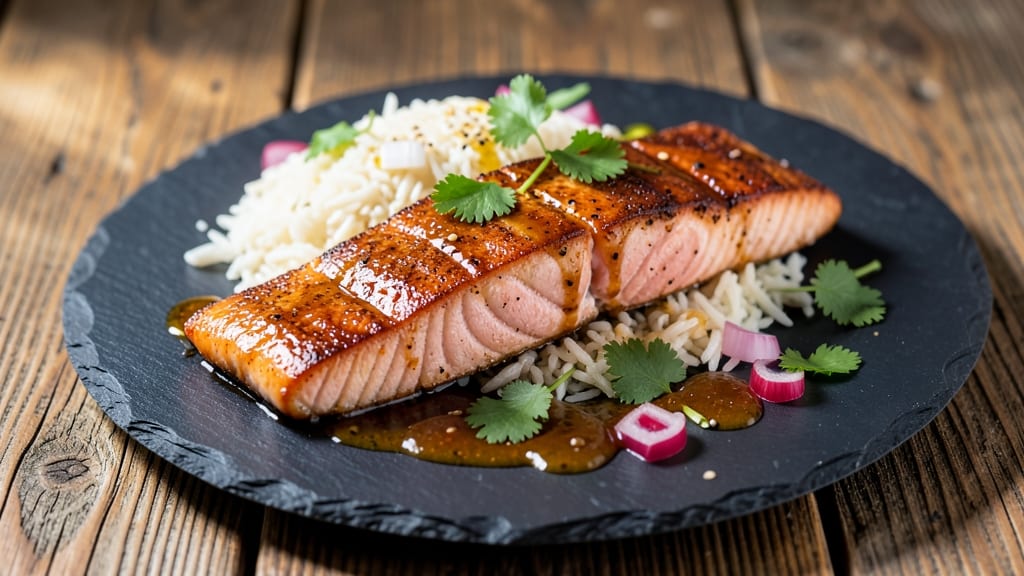
This baked salmon recipe with brown sugar soy sauce delivers crispy edges that shatter at every bite while keeping the center silky and moist. The secret lies in a sticky glaze that caramelizes beautifully in the oven, creating a perfect balance of sweet and savory flavors.
I've perfected this technique over years of testing, ensuring the salmon never dries out while achieving that coveted restaurant-quality crust.
The beauty of this recipe is its simplicity—just six key ingredients come together to create a dish that feels luxurious yet requires minimal effort. A quick pan-sear before baking locks in juices, while the brown sugar and soy sauce glaze transforms ordinary salmon into something extraordinary.
The caramelized crust adds depth, making each bite irresistible.
By the time your salmon emerges from the oven, you'll have perfectly crispy edges with a glossy, sticky glaze that clings to every flake. The inside remains tender and flaky, creating the ideal contrast.
This dish pairs beautifully with steamed rice or roasted vegetables, making it a complete meal that's both impressive and satisfying.
Whether you're cooking for a weeknight dinner or hosting guests, this recipe delivers foolproof results every time. The glaze technique ensures consistent crispiness, while the simple ingredients make it accessible for home cooks. Let's get started on creating this restaurant-worthy salmon dish.
Ingredients for baked salmon recipe brown sugar soy sauce
Six essential ingredients transform ordinary salmon into restaurant-worthy crispy-edged perfection.
| Ingredient | Amount | Notes |
|---|---|---|
| Center-Cut Salmon Fillets 🐟 | 4 whole | Skin-on, 6-8 oz each |
| Light Brown Sugar 🍯 | ¼ cup | Packed, not granulated |
| Low-Sodium Soy Sauce 🍶 | ¼ cup | Kikkoman preferred |
| Extra-Virgin Olive Oil 🫒 | 1 tbsp | For pan-searing |
| Sesame Oil 🌿 | 1 tsp | Toasted, for aroma |
| Garlic Cloves 🧄 | 3 cloves | Minced, for glaze |
| Diamond Crystal Kosher Salt 🧂 | 1 tsp | Plus extra for seasoning |
| Ground Black Pepper 🌶️ | ½ tsp | Freshly cracked |
| Fresh Ginger 🌿 | 1 tsp | Grated, for glaze depth |
| Cornstarch 🌾 | 1 tbsp | For glaze clarity |
The salmon fillets are non-negotiable—center-cut with skin-on ensures even cooking and that coveted crispy crust. Whole Foods or high-end grocery stores carry the best quality, but don't overlook your local fishmonger. Look for fillets with vibrant color and minimal bruising. The skin should be intact and glistening. If you can't find center-cut, opt for skinless fillets and pat them thoroughly dry before cooking. Kikkoman soy sauce delivers the perfect balance of umami, but any low-sodium brand works. For the brown sugar, light variety caramelizes better than dark—Domino or C&H are reliable choices. Fresh ginger and garlic should smell bright and aromatic; if they're musty, skip them.
No sesame oil? Toasted peanut oil adds a similar nutty depth, though the aroma won't be identical. Substituting honey for brown sugar (equal amounts) works in a pinch, but the glaze won't caramelize as beautifully. Cornstarch is crucial for that glossy finish—Bob's Red Mill is a trusted brand—but arrowroot powder in a 1:1 ratio also works. For a less sweet glaze, reduce brown sugar to 2 tablespoons and add 1 teaspoon maple syrup. The olive oil matters here: California avocado oil has a higher smoke point if you prefer, but extra-virgin olive oil adds excellent flavor. If your salmon fillets vary in thickness, pound the thicker sections gently to even them out before searing.
Salmon keeps best in the coldest part of your fridge, wrapped in parchment paper for up to 2 days before cooking. The glaze ingredients—soy sauce, brown sugar, cornstarch, and spices—can be pre-mixed and stored in an airtight container for 1 week. For leftovers, reheat gently in a skillet with a splash of water to restore moisture. This dish reheats beautifully but loses some crispiness—best enjoyed fresh. The glaze thickens as it cools, so reheat uncovered to prevent a gum-like texture. Portion into single servings before freezing for 3 months—thaw in the fridge overnight for optimal results.
Why You'll Love This Recipe
- Foolproof Timing: I swear by this recipe when I need dinner now—just 20 minutes in the oven, no babysitting required. The salmon stays juicy because the brown sugar glaze caramelizes while the center stays tender, and honestly? That’s the magic right there.
- Umami Caramel Bomb: That combo of soy sauce and brown sugar? It’s like a flavor hug for your taste buds. The soy adds that deep, savory punch, while the caramelized sugar gives it a sticky, slightly sweet edge—perfect for when you want rich but not heavy.
- Lunchbox Hero: Between us, this is my go-to for meal prep. The leftovers reheat beautifully (or eat cold straight from the fridge—no judgment), and the sesame oil finish makes it feel fancy enough for a workday lunch or a last-minute picnic.
- Budget-Friendly Luxury: I use center-cut fillets because they’re affordable, and the soy sauce and brown sugar stretch the flavor without breaking the bank. Plus, the glaze means you can use smaller portions—every bite feels indulgent, but the cost stays reasonable.
Step-by-step instructions for glazed salmon with crispy edges
This method delivers perfectly balanced texture—crispy caramelized edges with tender, flaky centers every time.
Prepare the Glaze Base
In a small saucepan, combine the 0.25 cup light brown sugar, 0.25 cup low-sodium soy sauce, 1 tbsp extra-virgin olive oil, 1 tsp sesame oil, 3 minced garlic cloves, and 1 tsp grated fresh ginger. Bring to a gentle simmer over medium heat and cook for 5-6 minutes until the sugar dissolves completely and the mixture thickens slightly.
Stir continuously to prevent burning—you're looking for a syrupy consistency that coats the back of a spoon. The aroma should be rich with caramelized sugar notes and garlic depth. Remove from heat and whisk in the 1 tbsp cornstarch to create a glossy, velvety glaze that will cling beautifully to the salmon.
Season the Salmon and Create Crispy Edges
Pat the 4 whole center-cut salmon fillets completely dry with paper towels—this is critical for achieving crispy edges. Season both sides generously with 1 tsp diamond crystal kosher salt and 0.5 tsp ground black pepper, pressing the seasoning into the flesh to ensure even distribution.
Place the salmon skin-side down in a cold baking dish. Pour the prepared glaze evenly over the top, ensuring each fillet is completely coated. The skin will crisp while the flesh remains silky when baked properly. Let the salmon sit at room temperature for 10 minutes before baking to promote even cooking.
Bake to Perfect Doneness
Preheat your oven to 400°F with the rack positioned in the lower-middle position. Bake the salmon for 12-15 minutes until the edges are deep golden brown and crispy, and the internal temperature reaches 145°F when measured at the thickest part of the fillet.
I recommend checking at the 12-minute mark—the salmon is done when it flakes easily with a fork but still holds together slightly at the edges. The skin should be crackling crisp while the flesh remains moist and tender. If the glaze starts to darken too quickly, tent loosely with foil for the last 2-3 minutes of baking.
Rest and Serve Immediately
Transfer the salmon to serving plates and let rest for 3-5 minutes before serving. This brief resting period allows the juices to redistribute, preventing them from running out when you cut into the fillets. The crispy edges will maintain their texture while the centers remain perfectly flaky.
Garnish with additional sesame seeds or fresh herbs if desired, but resist the urge to add more glaze—the original coating is perfectly balanced. Serve immediately with steamed vegetables or a simple salad to complement the rich, caramelized flavors without overpowering them.
Pro Tips For Making Baked Salmon Recipe Brown Sugar Soy Sauce
- Pat the Salmon Dry: I learned this the hard way—wet salmon steams instead of caramelizing. Grab paper towels and press hard on both sides before seasoning; you want it bone-dry so that brown sugar glaze sticks and crisps, not slide off like sad syrup.
- Use Two Spoons of Oil: About 2 tablespoons of olive oil—enough to lightly coat the pan—keeps the salmon from sticking while letting the brown sugar develop that deep, sticky crust. Drizzle it evenly and spread it with your fingers; clumps turn to smoke instead of flavor.
- Skip the Overcrowding: Stuffing the pan with multiple fillets? Bad idea. They’ll steam and turn rubbery. Work in batches—one sheet pan at a time—so the salmon has room to breathe and the sugar can properly caramelize without battling for space.
- Toast the Sesame Oil First: Sounds weird, but it works: Heat the sesame oil in the pan for 30 seconds until it smells nutty and fragrant before adding the salmon. This wakes up its flavor and prevents it from getting lost in the soy-browning chaos later. (Yes, even if you’re impatient like me.)
Flavor customization for this baked salmon recipe brown sugar soy sauce
Sweet-Savory Balance
The brown sugar and soy sauce glaze creates a perfect harmony of flavors—sweet caramelized notes from the brown sugar contrast beautifully with the deep umami of the soy sauce. I recommend using light brown sugar for a milder sweetness that caramelizes more evenly.
For a less sweet version, reduce the sugar to 2 tablespoons and add 1 teaspoon honey to maintain moisture. 🍯
Umami Boosters
To intensify the savory depth, add 1 teaspoon fish sauce or 1 tablespoon mirin to the glaze. Both enhance the umami without overpowering the delicate salmon flavor. If you prefer a spicier kick, stir in ½ teaspoon red pepper flakes or 1 teaspoon sriracha into the glaze before baking.
The heat balances the sweetness beautifully.
Herbaceous Twists
Fresh herbs elevate the dish with brightness. Try adding 1 tablespoon chopped fresh thyme or 1 tablespoon chopped cilantro to the glaze for an aromatic twist. For a Mediterranean-inspired version, add 1 teaspoon dried oregano and ½ teaspoon lemon zest to the glaze mixture.
Garnish with toasted sesame seeds or chopped scallions after baking for extra texture.
Citrus Zing
A touch of acidity brightens the rich glaze. Finish the dish with 1 teaspoon freshly squeezed lemon juice or ½ teaspoon rice vinegar drizzled over the top before serving.
For a zesty glaze, add 1 teaspoon lemon juice directly to the saucepan while simmering. The acidity cuts through the sweetness and enhances the salmon's natural flavors.
Smoky Depth
For a smoky flavor, add ½ teaspoon smoked paprika or ¼ teaspoon liquid smoke to the glaze. Alternatively, brush the salmon with the glaze and finish under the broiler for 1-2 minutes at the end for a smoky char.
This works especially well if you have a wood-fired grill pan or cast-iron skillet to sear the salmon before baking. 🔥
Texture Variations
Want extra crispiness? After baking, transfer the salmon to a wire rack set over a baking sheet and broil for 1-2 minutes to crisp the edges further. For a creamy contrast, serve with a side of wasabi aioli or soy-glazed cucumber salad.
The textures create a satisfying balance that keeps every bite exciting.
Nutrition facts
Frequently asked questions
Can I use skinless salmon fillets for this recipe?
The recipe works best with skin-on fillets to create that coveted crispy crust, but you can adapt it for skinless salmon. Simply pat the fillets extra dry and place them skin-side up on a parchment-lined baking sheet. The glaze will still caramelize beautifully, though the texture will be slightly less crisp. For extra crunch, broil for 1-2 minutes at the end.
How do I prevent the salmon from sticking to the baking dish?
Always use a cold baking dish and pat the salmon completely dry before seasoning. For extra insurance, lightly oil the dish with 1 teaspoon olive oil or line it with parchment paper. The glaze should naturally release the salmon when it's properly caramelized, but this step ensures foolproof results every time.
What's the best way to reheat leftovers?
Reheat gently in a skillet over medium-low heat for 2-3 minutes per side with a splash of water or broth to restore moisture. Avoid microwaving as it can make the glaze rubbery. For oven reheating, cover with foil and warm at 300°F for 8-10 minutes—this maintains the crispy edges better than other methods.
Can I make this glaze ahead of time?
Yes! Prepare the glaze up to 3 days in advance and store it in an airtight container in the fridge. Reheat gently in a saucepan over low heat until warmed through, stirring constantly to prevent burning. The flavors actually improve overnight as the ingredients meld together. Just whisk it smooth before using.
Why did my salmon turn out too sweet?
The brown sugar caramelizes quickly, so if your oven runs hot, the sweetness can become overwhelming. For a more balanced flavor, reduce the baking time by 1-2 minutes and tent with foil. Alternatively, balance the sweetness with ½ teaspoon rice vinegar or 1 teaspoon lemon juice in the glaze. The acidity cuts through the sugar beautifully.