
Sauces & Condiments
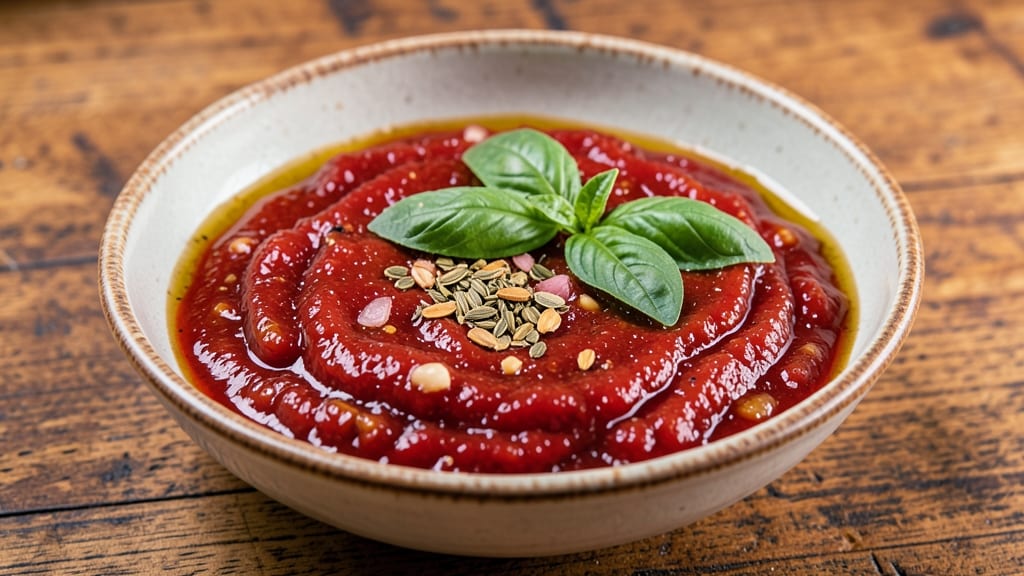
This all-natural marinara sauce transforms simple ingredients into a rich, vibrant sauce that captures authentic Italian flavor without artificial additives. The secret lies in simmering high-quality tomatoes with fresh garlic, aromatic herbs, and a touch of olive oil—no shortcuts, just pure, developed taste.
I've perfected this recipe over years of testing, ensuring every batch delivers that perfect balance of sweetness, acidity, and herbaceous depth.
The process is straightforward but requires patience: crushed tomatoes simmer gently to concentrate their natural sweetness while garlic and onions develop a deep, caramelized foundation. Fresh basil and oregano are added at the end to preserve their bright, vibrant flavors.
This sauce thickens beautifully on its own, creating that ideal consistency for pasta, pizza, or dipping—no cornstarch or thickeners needed.
What you'll end up with is a shelf-stable sauce that tastes homemade but lasts for weeks in the refrigerator (or months when canned properly). The flavors deepen over time, making it perfect for meal prep or gifting.
Whether you're covering spaghetti, topping homemade pizza, or serving with crusty bread, this marinara delivers restaurant-quality results with every spoonful.
For extra versatility, I'll share tips for adjusting seasoning and storage techniques that keep this sauce tasting fresh. The beauty of this recipe is its adaptability—use it as-is for classic Italian flavor or customize it with your favorite herbs and spices. Let's get simmering!
Ingredients for all natural marinara sauce
Nine essential ingredients for a marinara that tastes like simmered Italian sunshine.
| Ingredient | Amount | Notes |
|---|---|---|
| Extra-Virgin Olive Oil 🫒 | ½ cup | High-quality, fruity variety |
| Yellow Onion 🧅 | 1 whole | Medium size, finely diced |
| Garlic Cloves 🧄 | 6 cloves | Fresh, peeled, minced |
| San Marzano Crushed Tomatoes 🍅 | 28 oz | High-quality canned tomatoes |
| Fresh Basil Leaves 🌿 | ½ cup | Packed, stems removed |
| Dried Oregano 🍃 | 1 tbsp | Italian or Mediterranean blend |
| Kosher Salt 🧂 | 1 ½ tsp | Diamond Crystal preferred |
| Freshly Ground Black Pepper 🌶️ | ½ tsp | Freshly cracked |
| Red Wine Vinegar 🍷 | 1 tbsp | For acidity balance |
| Freshly Grated Parmesan Cheese 🧀 | ¼ cup | For finishing touch |
The tomatoes are non-negotiable here—San Marzano is the gold standard, but any high-quality crushed tomatoes work. I grab mine from Whole Foods or Trader Joe's because their canned goods are consistently fresh. Fresh basil is ideal, but dried basil at one-third the amount works in a pinch. The garlic should be fresh, not the jarred minced kind—it makes all the difference. For the olive oil, California extra-virgin brands like Corto or Bertolli have that perfect balance of peppery and fruity notes that stand up to the tomatoes.
No San Marzano? Any high-quality crushed tomatoes will do—just look for ones with minimal additives. Fresh basil wilting? Dried oregano at double the amount keeps the flavor profile intact. The red wine vinegar can be swapped for lemon juice at the same quantity if you're avoiding alcohol. Want extra depth? Add 1 tsp of tomato paste with the onions. The Parmesan is optional but adds that final umami punch—grate it yourself for the best texture. For a meaty twist, stir in 1 tbsp of nutritional yeast after simmering.
This sauce tastes better the next day as flavors meld. Store in an airtight container in the fridge for up to 1 week or freeze for 3 months. For canning, process in a water bath for 75 minutes for shelf-stable jars. I always double the batch—one for immediate use, one to freeze for lazy weeknights. The sauce thickens as it cools, so don't worry if it looks too thin while hot. Stir in a splash of water if it gets too thick when reheating.
Why You'll Love This Recipe
- No-Waste Pantry Magic: I swear by this recipe because it turns my sad onion scraps and garlic stumps into something golden. No fancy prep—just chop what’s left, toss it in, and let the olive oil work its magic.
- Sun-Dried Umami Bomb: That San Marzano tomato base? It’s like liquid sunshine—sweet, rich, and never watery. The moment the garlic blooms in the olive oil, my kitchen smells like a Tuscan market, and honestly, that’s the best part.
- Pasta Party Starter: Between us, this sauce is my go-to for lazy Sundays or last-minute guests. Dump it on spaghetti, ladle it over grilled chicken, or freeze half for when I’m too tired to cook. It’s the ultimate flavor multiplier.
- Budget-Friendly Goldmine: A single can of San Marzanos and a bulb of garlic stretch for weeks. I make a big batch, freeze portions, and still have change left for avocado toast. (Yes, even on a Tuesday night.)
Step-by-step instructions for all natural marinara sauce
This method delivers restaurant-quality marinara with vibrant acidity and layered herb flavors.
Sauté Onion and Garlic Until Translucent
Heat the 0.5 cup extra-virgin olive oil in a large saucepan over medium heat. Add the finely diced yellow onion and cook for 5-6 minutes, stirring occasionally, until the onion becomes soft and translucent. This step builds the sauce's sweet foundation—don't rush it or the onions will brown too quickly.
Reduce heat to medium-low and add the 6 cloves minced garlic. Cook for 30-45 seconds until the garlic becomes fragrant but doesn't brown. Watch closely—garlic burns in seconds. Remove the pan from heat temporarily if it starts to darken, then return it to the stove to continue cooking the sauce.
Simmer Tomatoes with Herbs and Seasonings
Return the pan to medium heat and add the 28 oz San Marzano crushed tomatoes, stirring to combine. Bring to a gentle simmer, then reduce heat to low. Add the 1 tbsp dried oregano, 1.5 tsp kosher salt, and 0.5 tsp freshly ground black pepper. Stir well to distribute the seasonings evenly.
Let the sauce simmer uncovered for 20-25 minutes, stirring occasionally. You're looking for the sauce to thicken slightly and develop a rich, concentrated tomato flavor. The sauce should reduce enough that it coats the back of a spoon but remains smooth—not chunky or overly thick. This slow simmering process is what creates that deep, complex flavor.
Finish with Acid and Fresh Herbs
After simmering, stir in the 1 tbsp red wine vinegar and 0.5 cup fresh basil leaves. The vinegar brightens the sauce, cutting through the richness of the tomatoes. Taste and adjust seasoning—you may need a touch more salt or pepper depending on your tomatoes. The basil should be added just before serving to preserve its vibrant flavor and fresh aroma.
Remove the pan from heat and let the sauce rest for 5 minutes. This resting period allows the flavors to meld completely. Before serving, stir in the 0.25 cup freshly grated Parmesan cheese, which adds a creamy, umami depth that elevates the sauce. The cheese should be incorporated just before serving to maintain its texture and prevent it from clumping.
Serve Warm with Pasta or Bread
Ladle the warm marinara sauce over your choice of pasta, sprinkle with additional freshly ground black pepper, and serve immediately. The sauce should coat the pasta beautifully, with a glossy sheen and vibrant red color. If the sauce thickens too much while reheating, simply add a splash of water or pasta water to loosen it to your desired consistency.
This all-natural marinara sauce keeps well in the refrigerator for up to 5 days or can be frozen for 3 months. The flavors actually deepen over time, making it perfect for meal prep. Enjoy it with spaghetti, lasagna, or as a dipping sauce for crusty bread—every bite will be packed with that fresh herb zing you're after.
Pro Tips For Making All Natural Marinara Sauce
- Sweat the Onion Slow: After burning three batches, I finally figured out—low and slow is the only way. Dice the onion into even ¼-inch pieces, then cook in olive oil over medium-low heat until translucent but not browned. Rushing this step turns your sauce into a bitter, charred mess, and nobody wants that.
- Crush Garlic Like a Pro: Skip the mincer—it turns garlic into paste. Instead, smash each clove with the flat side of your knife once before slicing, then let it sit in the oil for 30 seconds. This releases the flavor without burning, and you’ll taste the difference in every spoonful.
- Salt the Tomatoes Early: I used to add salt at the end, but that’s lazy. Toss the crushed San Marzano tomatoes with a generous pinch of salt (about ½ teaspoon per can) right when they hit the pot. It breaks down the pectin faster, giving you a smoother sauce in half the time—no weird aftertaste, just pure flavor.
- Save Fresh Basil for Finish: Tossing basil in while simmering kills its bright, peppery notes. Instead, tear a handful of leaves and stir them in only during the last 30 seconds of cooking. If you’re really short on time, use ¼ teaspoon of dried basil—but fresh is worth the wait.
Health benefits of this recipe
Rich in Lycopene
This marinara sauce is a lycopene powerhouse—a potent antioxidant found in tomatoes that supports heart health and reduces inflammation. A 1-cup serving provides about 30% of your daily lycopene needs, which studies show may lower risk of chronic diseases.
The cooking process actually increases lycopene absorption, making this sauce especially beneficial. 💪
Herb-Packed Antioxidants
Fresh basil and oregano contribute flavonoids and phenolic compounds that fight oxidative stress in your body. Basil contains eugenol, which has antimicrobial properties, while oregano provides carvacrol, known for its immune-boosting effects. Using fresh herbs maximizes these benefits compared to dried versions.
Heart-Healthy Fats
The extra-virgin olive oil in this recipe delivers monounsaturated fats that support cardiovascular health by reducing LDL cholesterol. Just 2 tablespoons contains about 7 grams of heart-healthy fats, along with vitamin E and polyphenols that protect cells from damage.
I always use high-quality EVOO because the flavor and health benefits are noticeably better.
Low-Calorie, High-Fiber
This sauce is surprisingly low in calories (around 50 calories per ½ cup serving) while being rich in dietary fiber from the tomatoes. The fiber supports digestion and helps stabilize blood sugar levels.
The natural acidity from red wine vinegar also aids digestion—perfect for pairing with carb-heavy dishes like pasta. 🍝
Vitamin Boost
You'll get a vitamin C punch from the tomatoes and basil, with one serving providing 20% of your daily needs. Vitamin C supports immune function and skin health, while the tomatoes also supply potassium (about 15% daily value per serving
The slow simmering process preserves these nutrients better than quick cooking methods. Unlike many store-bought marinara sauces, this recipe contains zero artificial preservatives, colors, or flavors. The natural acidity from vinegar and tomatoes acts as a preservative, keeping the sauce fresh while avoiding the health concerns associated with artificial additives. This makes it a great choice for families looking to reduce processed ingredients in their diet.No Artificial Additives
Nutrition facts
Frequently asked questions
Can I make this marinara sauce without fresh basil?
If fresh basil isn't available, use 1 teaspoon dried basil or ½ teaspoon dried oregano instead. For extra depth, add a pinch of red pepper flakes to mimic basil's brightness. The key is balancing the herbs—too much dried basil can make the sauce taste bitter, so start with half the amount and adjust to taste.
How do I prevent my marinara from getting too thick or too thin?
For a thicker sauce, simmer uncovered for 5-10 extra minutes to reduce the liquid. If it gets too thick while reheating, stir in 1-2 tablespoons of water or pasta water. For a thinner sauce, add ¼ cup water or broth during simmering. The ideal consistency coats the back of a spoon but remains smooth—this recipe naturally thickens as it cools, so don't worry if it looks thin while hot.
Can I use this sauce for cooking instead of just serving?
Yes! This marinara works perfectly for braising meats, simmering with beans, or deglazing pans. For meat dishes, reduce the sauce slightly longer (30-40 minutes) to concentrate flavors. When using for cooking, add a splash of beef or vegetable broth if the sauce needs thinning. The acidity helps tenderize proteins while adding depth to stews and soups.
Why does my homemade marinara taste different from store-bought?
Homemade marinara tastes different because it's made with fresh ingredients and no preservatives. Store-bought versions often contain added sugar, salt, and artificial flavors for consistency. The slow simmering process in this recipe develops complex flavors that canned sauces can't replicate. For a closer match to commercial sauces, add 1 teaspoon sugar during simmering—but you'll lose the natural balance of fresh flavors.
How can I make this sauce spicier?
For heat lovers, add ½ teaspoon red pepper flakes with the onions or 1-2 fresh chili peppers (like jalapeño or serrano) minced with the garlic. For smoky depth, stir in ½ teaspoon smoked paprika at the end. Start with small amounts—you can always add more, but removing heat is tricky! For a balanced spice, pair the heat with a touch more red wine vinegar to brighten the flavors.