
Sauces & Condiments
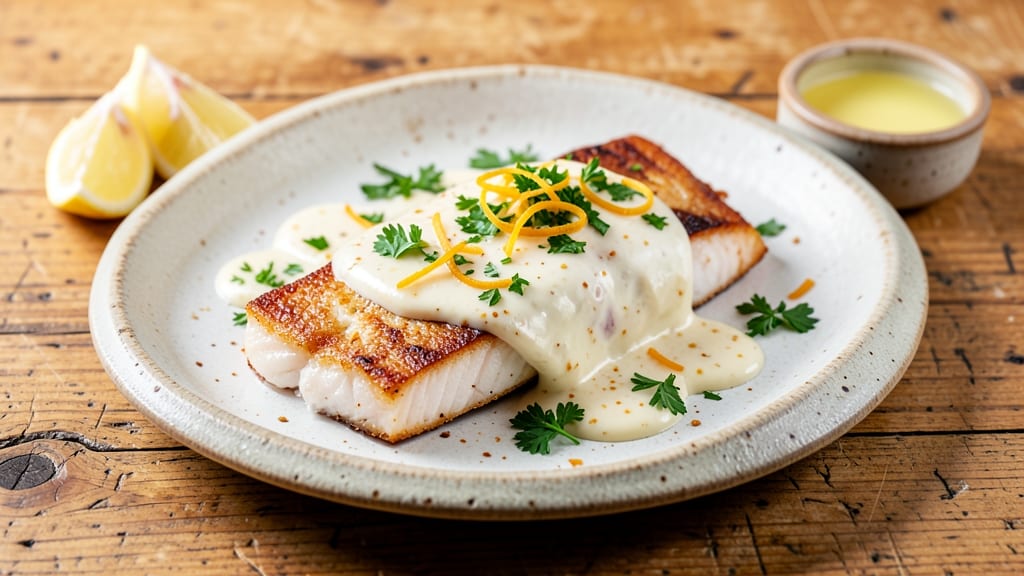
This baked fish in white sauce delivers a restaurant-quality meal with a perfectly crispy top and a silky creamy center that melts at first bite. 💛 The secret lies in the sauce—rich, velvety, and infused with herbs—that blankets the fish while baking, creating a harmonious balance of textures and flavors.
Whether you're serving cod, haddock, or salmon, this method ensures tender, flaky fish every time.
The recipe begins with a simple yet essential step: seasoning the fish lightly with salt, pepper, and a touch of lemon zest before creating the white sauce. A blend of butter, cream, and a splash of white wine forms the base, while fresh herbs like parsley and thyme add brightness.
The sauce is poured over the fish just before baking, ensuring it stays creamy and clings beautifully to each flake.
By the time it emerges from the oven, your dish will be golden and inviting, with a crisp exterior that contrasts beautifully against the tender, creamy interior. The aroma alone will have everyone gathered at the table, eager for their first bite.
This recipe is perfect for a weeknight dinner that feels special or a plated meal for guests.
Pair it with roasted vegetables or a fresh green salad to complete the dish. The simplicity of the ingredients and the foolproof technique make this a go-to recipe for anyone looking to elevate their fish dinner without the fuss. Let's get started!
Ingredients for baked fish in white sauce
Eight essential ingredients create this elegant yet simple baked fish with perfect crispy-creamy contrast.
| Ingredient | Amount | Notes |
|---|---|---|
| White Fish Fillets 🐟 | 4 pieces | Cod, haddock, or salmon preferred |
| Unsalted Butter 🧈 | ½ cup | Cold, cubed for crispy topping |
| Heavy Cream 🥛 | 1 cup | Full-fat for richness |
| Dry White Wine 🍷 | ¼ cup | Chardonnay or Sauvignon Blanc |
| Fresh Lemon 🍋 | 1 whole | Zest and juice for brightness |
| Fresh Parsley 🌿 | ¼ cup | Chopped, for garnish and flavor |
| Fresh Thyme 🌿 | 1 tbsp | Leaves only, finely chopped |
| Garlic Cloves 🧄 | 2 cloves | Minced for sauce depth |
| All-Purpose Flour 🌾 | 1 tbsp | For sauce thickening |
| Salt 🧂 | 1 tsp | Kosher or sea salt |
| Ground Black Pepper 🌶️ | ½ tsp | Freshly ground preferred |
The fish selection matters—cod or haddock stay flaky when baked, while salmon adds richness. Look for fillets with even thickness (about 1-inch) for consistent cooking. Whole Foods or Trader Joe's often carry pre-portioned fillets, but check the seafood counter for fresher options. If buying whole fish, ask for it to be filleted—worth the extra few dollars for restaurant-quality results. The butter should be cold when cubed, ensuring a crispy topping that contrasts beautifully with the creamy sauce underneath.
No white wine? Fish or vegetable stock with a splash of lemon juice works perfectly—just add a pinch of sugar to balance the acidity. Fresh herbs are ideal, but dried thyme at one-third the amount suffices in a pinch. For extra brightness, add a pinch of lemon zest to the sauce. The flour is key for thickening—Diamond Crystal kosher salt is preferred here, as it dissolves smoothly without graininess. If your fish fillets vary in thickness, consider pounding the thicker sections to ensure even cooking and a perfect crispy finish.
Prep the sauce last—it thickens quickly. Store any leftover sauce in an airtight container with a layer of plastic wrap pressed directly on the surface to prevent a skin from forming. The baked fish keeps well in the fridge for up to 2 days, though it's best enjoyed fresh. For make-ahead convenience, assemble the dish (without baking) and refrigerate for up to 12 hours before baking. Reheat gently in the oven to maintain the crispy texture—350°F for 10-15 minutes is ideal.
Why You'll Love This Recipe
- Same recipe, different vibes: serve it with crusty bread for a quick weeknight meal or plate it fancy with asparagus for guests. The sauce feels special without the fuss.
- One-Pan Magic: I swear by this for lazy nights—just toss the fish and sauce on a sheet pan, pop it in the oven, and walk away. The wine and cream do all the heavy lifting while you sip your glass of whatever.
- Creamy Wine Kiss: That white wine reduction? It’s the secret weapon—bright, tangy, and just rich enough to make your taste buds sing. The lemon ties it all together like a perfect hug.
- Weeknight to Dinner Party: Same recipe, different vibes: serve it with crusty bread for a quick weeknight meal or plate it fancy with asparagus for guests. The sauce feels special without the fuss.
Step-by-step instructions for baked fish in white wine sauce
Here's how to achieve that perfect balance of crispy fish and velvety white sauce.
🍳 Step 1: Prepare the Fish and Preheat the Oven
Preheat your oven to 375°F. Pat the 4 pieces white fish fillets completely dry with paper towels—this is crucial for crispy skin. Place them in a single layer on a parchment-lined baking sheet.
Season each fillet generously with ½ teaspoon salt and ¼ teaspoon ground black pepper (dividing the total amounts evenly). I like to sprinkle a pinch of the 1 tablespoon fresh thyme directly on top of each fillet for extra flavor. This seasoning step ensures every bite has balanced seasoning without overpowering the delicate fish.
🥘 Step 2: Create the White Wine Sauce Base
In a medium saucepan, melt ¼ cup unsalted butter over medium heat until it foams. Add the 2 cloves minced garlic and cook for 30 seconds until fragrant—don't let it brown or it'll turn bitter. Stir in the 1 tablespoon all-purpose flour and cook for 1 minute to remove the raw flour taste.
Slowly pour in the ½ cup dry white wine, whisking constantly to prevent lumps. Bring to a gentle simmer and cook for 3-4 minutes until the liquid reduces by about half. This reduction concentrates the flavors and creates the foundation for your sauce. Keep the heat at medium-low throughout this process to avoid scorching.
🍳 Step 3: Build the Creamy Sauce and Bake the Fish
Reduce heat to low and gradually whisk in the 1 cup heavy cream. Let the sauce simmer gently for 5-6 minutes until it thickens enough to coat the back of a spoon. Season with the remaining ½ teaspoon salt and ¼ teaspoon black pepper, and stir in the 1 tablespoon fresh thyme and ¼ cup chopped fresh parsley.
While the sauce simmers, carefully transfer the seasoned fish fillets to a separate baking dish. Pour the warm sauce evenly over the fish, making sure each fillet is well-coated. The residual heat from the sauce will gently poach the fish while keeping it moist. Bake for 12-15 minutes until the fish is opaque throughout and the edges are just beginning to turn golden.
🔥 Step 4: Finish with Butter and Lemon Zest
Remove the baking dish from the oven and sprinkle the remaining ¼ cup unsalted butter (cubed) evenly over the fish and sauce. Return to the oven for 2-3 minutes just to melt the butter and create that beautiful golden crust on top.
Finish with the zest of 1 whole fresh lemon (about 1 teaspoon) and a squeeze of juice (about 1 tablespoon). The acidity brightens the rich flavors and cuts through the creaminess. Let the fish rest for 5 minutes before serving—this allows the juices to redistribute and ensures each bite is perfectly moist.
🍽️ Step 5: Garnish and Serve Immediately
Garnish each serving with an additional sprinkle of chopped fresh parsley and a lemon wedge. The sauce should be silky and cling to the fish beautifully, with a crispy golden top from the melted butter. Serve immediately with your choice of sides like steamed vegetables or crusty bread to soak up that delicious sauce.
Pro Tips For Making Baked Fish In White Sauce
- Sear the Fish First: After patting the fillets bone-dry with paper towels, hit them with a hot pan and a knob of butter for 2 minutes per side before baking. This isn’t just for looks—it locks in moisture and gives the sauce something to cling to. (Yes, even if you’re impatient like me, resist the urge to skip this.)
- Use Cold Cream: Whisk the heavy cream cold into your wine-butter mixture—never warm. Cold cream thickens better when heated, and it won’t curdle like it does when you dump it in straight from the fridge. I learned this the hard way after serving a sauce that looked like cottage cheese.
- Don’t Overbake the Fish: The moment the fish flakes easily with a fork, pull it out—even if the edges aren’t perfectly opaque. White fish like cod or halibut goes from tender to dry in seconds, and no one likes rubbery fish. If the sauce needs more time, just reheat it separately.
- Zest the Lemon Last: Add lemon juice to the sauce early, but save the zest until the very end. It loses its bright flavor when simmered too long, and it’ll just sink to the bottom if you toss it in with the wine. Sprinkle it over the finished dish instead—it makes a real difference.
Essential equipment for this recipe
Baking Dish Essentials
For this recipe, a deep baking dish (about 9x13 inches) works best to hold the sauce while keeping the fish submerged. I prefer ceramic or oven-safe glass dishes—they distribute heat evenly and prevent hot spots.
Avoid metal dishes, which can react with acidic ingredients like lemon. A lightly oiled dish prevents sticking and makes cleanup easier. 💛
Saucepan for Creamy Sauce
A medium-sized saucepan with a heavy bottom (like All-Clad or Calphalon) is ideal for the white sauce. This prevents scorching and ensures even heating. If you don’t have one, a stainless steel saucepan works well too.
Avoid non-stick pans—they can’t handle the higher heat needed for thickening the sauce properly.
Whisk for Smooth Sauce
A balloon whisk or French whisk is perfect for blending the sauce ingredients smoothly. I use a stainless steel whisk because it’s durable and won’t rust. Whisking vigorously prevents lumps and creates a velvety texture.
If you’re short on time, a hand mixer on low speed works, but whisking by hand gives you more control over the sauce’s consistency.
Baking Sheet for Prep
A parchment-lined baking sheet is essential for prepping the fish before baking. It prevents sticking and makes cleanup effortless. Choose a half-sheet pan (about 18x13 inches) to give the fish enough space to crisp without steaming.
If you don’t have parchment, lightly grease the sheet with butter or oil instead.
Measuring Tools
Precision matters in this recipe, so grab a liquid measuring cup for the wine and cream, and a small kitchen scale (optional but helpful) for accurate butter measurements. A microplane for lemon zest and a fine-mesh strainer (if you prefer smooth sauce) are handy extras.
I keep a small bowl nearby to hold chopped herbs for easy access while cooking. ✨
Oven Thermometer
Ovens run hot or cold, so an oven thermometer ensures your oven is truly at 375°F. I use a Thermoworks Oven Thermometer—it’s affordable and reliable. If your oven runs 25°F hotter or colder, adjust the baking time accordingly.
This small investment prevents undercooked or overdone fish, keeping your dish perfect every time. 🌡️
Nutrition facts
Frequently asked questions
Can I use frozen fish for this recipe?
Yes, but thaw it properly first! Place frozen fillets in a sealed bag and submerge in cold water for 30-45 minutes or use the microwave defrost setting. Pat them completely dry before seasoning—the moisture can prevent crispy skin. Never cook fish straight from frozen, as it won't heat through evenly.
What if my white sauce gets too thick?
Simply whisk in 1-2 tablespoons warm water or milk to loosen it. For extra richness, add a splash of heavy cream. If it's too thin, remove from heat and let it sit for 2-3 minutes—it will thicken as it cools. Stirring constantly while heating prevents over-thickening in the first place.
Can I make this ahead of time?
Assemble the dish (seasoned fish + sauce) in a baking dish and refrigerate for up to 12 hours before baking. When ready, bake at 375°F for 15-18 minutes—the extra time accounts for the cold start. For best texture, serve immediately after baking rather than reheating later.
What's the best fish for this recipe?
Cod, haddock, and salmon are ideal—they stay flaky and absorb flavors beautifully. For extra tenderness, choose fillets with even thickness (1-inch). Tilapia works too but has a milder flavor. Avoid firm fish like halibut, which can become dry when baked with sauce.
Why did my fish turn rubbery?
Overcooking is the most common cause—fish continues cooking after removal from heat. Use an instant-read thermometer—it should reach 145°F internally. For thicker fillets, start checking at 10 minutes. Also ensure your oven is properly calibrated using an oven thermometer.