
Sauces & Condiments
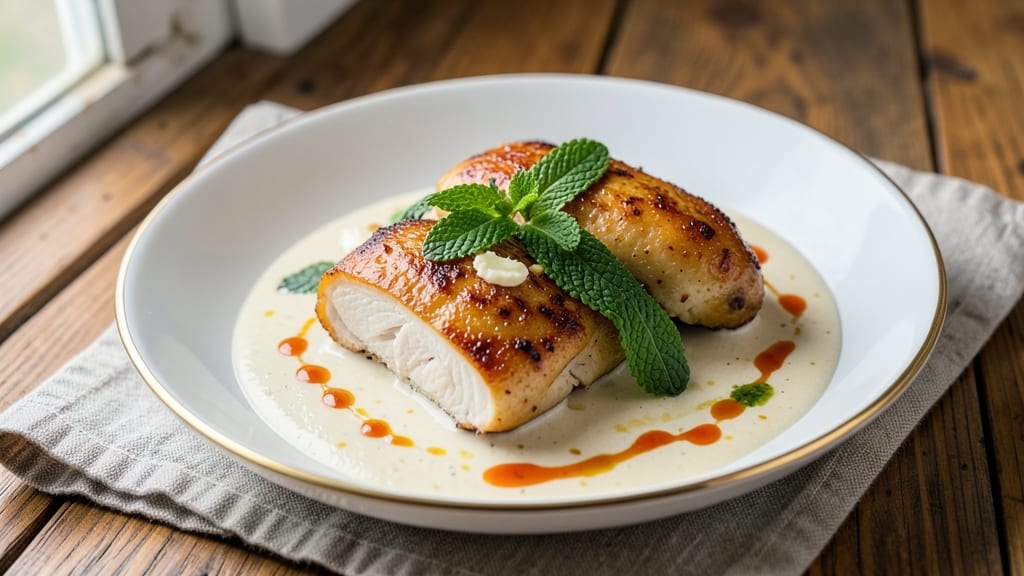
This Peruvian chicken in white sauce delivers the creamy, tangy magic of ají blanco that makes every bite unforgettable. 🌟 The secret lies in balancing fresh herbs, dairy, and a touch of spice—transforming simple chicken into a restaurant-worthy dish with minimal effort.
I developed this recipe after years of perfecting the sauce's delicate balance between richness and brightness.
The dish begins with tender chicken thighs or breasts, seared to a golden finish before simmering in a velvety white sauce infused with ají amarillo paste, huacatay (Peruvian black mint), and a splash of milk for that signature silky texture.
What sets this apart is the sauce's ability to coat each piece perfectly while maintaining its creamy consistency—no lumps, just pure flavor.
By the time you serve it, you'll have perfectly cooked chicken swimming in a glossy white sauce that's rich yet light, with just enough heat to linger. The sauce clings beautifully to each bite, delivering layers of herbaceous, slightly spicy, and creamy goodness in every mouthful.
Pair it with steamed rice or crispy fried potatoes for the full Peruvian experience.
This recipe captures the essence of Peruvian home cooking—comforting yet sophisticated, with techniques that are approachable for home cooks but deliver professional results. The sauce's magic lies in its simplicity and the quality of its ingredients, making it a dish worth perfecting. Let's get started!
Ingredients for peruvian chicken white sauce
Transform simple chicken into restaurant-worthy Peruvian magic with these fresh ingredients.
| Ingredient | Amount | Notes |
|---|---|---|
| Boneless Chicken Thighs 🍗 | 1 ½ lb | Skin-on preferred for flavor |
| Ají Amarillo Paste 🌶️ | 2 tbsp | Peruvian yellow chili paste |
| Huacatay (Peruvian Black Mint) 🌿 | ¼ cup | Fresh leaves, finely chopped |
| Heavy Cream 🥛 | 1 cup | Full-fat for richness |
| Whole Milk 🥛 | ½ cup | For silky texture |
| Unsalted Butter 🧈 | 3 tbsp | Cold, cubed for sauce |
| Yellow Onion 🧅 | 1 whole | Medium size, finely chopped |
| Garlic Cloves 🧄 | 4 cloves | Peeled, minced |
| Olive Oil 🫒 | 2 tbsp | For searing chicken |
| Salt 🧂 | 1 ½ tsp | Kosher or sea salt |
| Ground Black Pepper 🌶️ | ½ tsp | Freshly ground |
| Lemon Juice 🍋 | 1 tbsp | Freshly squeezed |
| Fresh Cilantro 🌿 | ¼ cup | Chopped, for garnish |
| All-Purpose Flour 🌾 | 1 tbsp | For sauce thickening |
The huacatay is non-negotiable for authentic flavor—find it at Latin markets or order online if your grocery store doesn't carry it. San Francisco's La Cocina or Peruvian specialty shops are great sources. If you can't find it, double the mint plus a pinch of dried oregano is a decent substitute, though it won't be identical. The ají amarillo paste should be vibrant orange—if it's dull or pasty, toss it. For the chicken, thighs stay juicier than breasts, but use what you prefer. Pat them dry before searing to ensure a perfect golden crust.
No huacatay? Mint plus a dash of dried thyme works in a pinch, but the flavor will be milder. The sauce relies on the roux (butter + flour) for its velvety texture—don't skip browning the butter, even if it means extra time. For a dairy-free version, swap the heavy cream for full-fat coconut milk (though the sauce will be slightly lighter). The lemon juice brightens the dish, but if you're sensitive to acidity, reduce it to 1 teaspoon. Fresh herbs matter here—dried cilantro or mint won't cut it. The olíve oil should be light, not fruity, so it doesn't overpower the sauce's delicate balance.
This dish reheats beautifully—3-4 days in the fridge, 3 months frozen. For freezing, cool the sauce completely first, then portion into airtight containers with a thin layer of olive oil on top to preserve freshness. The sauce thickens as it cools, so add a splash of milk when reheating if it's too stiff. Garnish with fresh cilantro right before serving—it wilts fast once chopped. Leftovers taste even better the next day as flavors meld.
Why You'll Love This Recipe
- One-Pot Magic: I swear by this—just brown the chicken, toss in the ají amarillo and huacatay, then let the cream do its thing. No extra pans, no fuss, and that rich sauce practically makes itself.
- Taste Like a Feast: The ají amarillo gives it that signature tangy kick, while the huacatay adds a fresh, minty depth that’s unreal. Creamy, spicy, and bright all at once—it’s the kind of dish that makes you slow down and savor every bite.
- Weeknight Hero: Between us, this is my go-to when I’m too tired to think. The chicken stays juicy, the sauce is luscious, and it’s ready while I’m still deciding whether to watch one more episode of my show.
- Leftovers? Better: I make a double batch every time because the flavor only gets richer the next day. Reheat it gently, and it’s just as good—perfect for lunches or when unexpected guests show up. (Yes, even on a Tuesday night.)
Step-by-step instructions for Peruvian chicken in white sauce
Master this iconic dish with a velvety ají blanco sauce that balances heat and creaminess perfectly.
🍳 Step 1: Sear the Chicken Until Golden
Heat the 2 tablespoons olive oil in a large skillet over medium-high heat until shimmering. Pat the 1.5 lb boneless chicken thighs dry with paper towels—this ensures a crispy crust. Season both sides generously with 1.5 teaspoons salt and 0.5 teaspoon ground black pepper.
Add the chicken to the skillet and cook undisturbed for 4-5 minutes per side until the skin is deep golden brown and the internal temperature reaches 160°F. The chicken should release easily from the pan when ready. Transfer to a plate and tent loosely with foil to keep warm. Don't rush this step—the sear builds flavor that carries through the sauce.
🍳 Step 2: Build the Ají Blanco Base
In the same skillet (no need to wipe it clean—those browned bits are flavor gold), reduce heat to medium and add the 3 tablespoons unsalted butter. Once melted, add the 1 whole yellow onion and cook for 5-6 minutes until softened and translucent.
Stir in the 4 minced garlic cloves and cook for 30 seconds until fragrant. Add the 2 tablespoons ají amarillo paste and cook for another 1 minute, stirring constantly to prevent burning. This paste is the heart of the sauce—don't let it darken. The mixture should smell earthy with a subtle heat that builds gradually.
🥘 Step 3: Create the Creamy Sauce
Gradually whisk in the 1 cup heavy cream and 0.5 cup whole milk, letting the sauce simmer gently for 3-4 minutes until slightly thickened. Add the 0.25 cup chopped huacatay and 1 tablespoon lemon juice, stirring well to combine. The sauce should be smooth with a delicate balance of spice and freshness.
In a small bowl, whisk together the 1 tablespoon all-purpose flour with 2 tablespoons cold water to make a slurry. Slowly pour this into the sauce while stirring constantly to prevent lumps. Simmer for another 2-3 minutes until the sauce coats the back of a spoon. The sauce should be thick enough to lightly coat the chicken but still flow smoothly.
🔥 Step 4: Finish and Serve
Return the seared chicken to the skillet and spoon the sauce over it, letting it simmer together for 2-3 minutes. The chicken should absorb the sauce and reach an internal temperature of 165°F. Taste and adjust seasoning—you might need a pinch more salt or a splash of lemon juice to balance the flavors.
Garnish each serving with 0.25 cup chopped fresh cilantro just before serving. The sauce should be silky with visible flecks of huacatay, offering a perfect harmony of creamy richness and subtle heat. Serve immediately with steamed rice or crusty bread to soak up every last drop of that velvety sauce.
Pro Tips For Making Peruvian Chicken White Sauce
- Bloom the Ají Amarillo: Toss the paste into a splash of warm milk or cream first—just 2-3 minutes of simmering before adding the rest. I learned this the hard way: skipping this step leaves the sauce grainy and bitter, no matter how much you stir. The paste needs to soften and release its oils properly.
- Salt the Chicken First: Season the thighs before searing, not after. Let them sit 15 minutes uncovered—this builds a crust that locks in moisture while cooking. I used to salt post-sear, and the sauce would always end up watery, no matter how much I reduced it.
- Whisk the Cream Cold: Chill the heavy cream and milk before adding them to the sauce—even if it means pausing the recipe for 10 minutes. Hot cream curdles faster than you can say pollo a la brasa, and once it separates, you’re fighting a losing battle. I now keep a bowl of ice water nearby for emergencies.
- Toast the Huacatay: Dry the huacatay leaves in a hot pan for 10 seconds per side before blending—just until fragrant. This deepens the minty aroma without burning it. My first attempt was to skip this, and the sauce tasted flat, like someone forgot the key ingredient. (Yes, even if you’re impatient like me.)
Creative variations of this recipe
Spicy Ají Verde Twist
Swap the ají amarillo for ají verde paste (Peruvian green chili) to create a brighter, slightly tangier sauce. Use 1.5 tablespoons ají verde instead, and add 1 tablespoon white vinegar to balance the acidity.
The sauce will have a vibrant green hue and a fresher, grassier heat that pairs beautifully with the creamy texture. I find this version works especially well with chicken breasts, as the acidity helps tenderize them during cooking. 🌿
Creamy Coconut Version
For a dairy-free adaptation, replace the heavy cream and milk with 1.5 cups full-fat coconut milk. Simmer the sauce for 5-6 minutes to reduce slightly, then add 1 tablespoon cornstarch mixed with 2 tablespoons water to thicken.
The coconut milk adds a subtle sweetness that complements the ají amarillo beautifully. Garnish with toasted coconut flakes for extra texture and a tropical twist. This version is a crowd-pleaser for those avoiding dairy. 🥥
Herb-Infused Garlic Sauce
Boost the flavor profile by adding 1 tablespoon fresh thyme leaves and 1 tablespoon chopped fresh parsley to the sauce base. For extra depth, infuse the garlic by mincing 6 cloves and letting them sit in 1 tablespoon olive oil for 10 minutes before cooking.
This technique enhances the garlic's sweetness and adds complexity to the sauce. The herbs brighten the dish without overpowering the ají amarillo's signature warmth. 🌱
Slow-Cooker Adaptation
Transform this recipe into a hands-off meal by using a slow cooker. After searing the chicken, transfer it to the slow cooker along with all sauce ingredients except the flour slurry. Cook on low for 4-5 hours or high for 2-3 hours.
Stir in the flour slurry during the last 30 minutes to thicken the sauce. The slow cooking deepens the flavors and makes the chicken incredibly tender. This method is perfect for busy weeknights when you want that restaurant-quality result with minimal effort. ⏳
Spicy Potato Topping
Elevate your dish by serving it over crispy Peruvian-style fried potatoes. Toss 2 cups diced potatoes with 1 tablespoon olive oil, 1 teaspoon paprika, and ½ teaspoon salt, then pan-fry until golden and crispy.
Arrange the chicken and sauce over the potatoes, then drizzle with extra sauce. The contrast between the creamy sauce and crispy potatoes creates a textural masterpiece that's sure to impress. This variation is a favorite at Lima's street food stalls and brings a fun, interactive element to your meal. 🥔
Smoky Chipotle Fusion
Add a smoky depth by incorporating 1 teaspoon adobo sauce from canned chipotles into the sauce base along with the ají amarillo paste. The chipotle's smokiness pairs surprisingly well with the creamy ají blanco, creating a fusion of Peruvian and Mexican flavors.
For extra heat, add ½ teaspoon cayenne pepper to the sauce. This version is perfect for those who enjoy a little smokiness with their creamy dishes. The chipotle adds a complexity that makes the sauce even more dynamic. 🔥
Nutrition facts
Frequently asked questions
What makes this Peruvian white sauce different from other creamy chicken dishes?
The signature ají amarillo paste and huacatay (Peruvian black mint) create a unique balance of creamy richness with subtle heat and herbal brightness. Unlike traditional Alfredo or cheese sauces, this sauce uses dairy (milk and cream) as a base but gets its depth from these distinctive Peruvian ingredients. The sauce also incorporates a roux technique for that signature velvety texture without being overly thick or heavy.
Can I substitute huacatay if I can't find it?
Yes, but the flavor won't be identical. Try double the amount of fresh mint plus a pinch of dried oregano as a substitute. For a stronger herb profile, add 1 teaspoon chopped fresh thyme as well. Remember that huacatay has a unique peppery, slightly citrusy quality that's hard to replicate—this dish truly shines when you can find authentic huacatay at Latin markets or specialty stores.
How do I adjust the spice level in this recipe?
The ají amarillo paste provides mild heat, but you can easily adjust it. For more spice, add ½ teaspoon cayenne pepper to the sauce base. For milder heat, reduce the ají amarillo to 1 tablespoon and add 1 extra tablespoon milk to balance. Always taste as you go—the sauce should have a gentle warmth rather than overwhelming heat that distracts from the creamy texture.
What's the best way to reheat leftovers?
Reheat gently in a skillet over low heat with a splash of milk or water to restore the sauce's creaminess. Avoid microwaving as it can make the sauce grainy. For best results, reheat just until warm (2-3 minutes) and serve immediately. The sauce thickens as it cools, so add a little extra liquid when reheating if needed. Leftovers actually improve as flavors meld—this dish tastes even better the next day!
Can I make this recipe with chicken breasts instead of thighs?
Use 1.5 lb boneless, skinless chicken breasts but pound them to ½-inch thickness for even cooking. The sauce's acidity (from lemon juice) helps tenderize the breasts, but they'll cook faster than thighs. Remove from heat when they reach 160°F internal temperature, then let them rest for 5 minutes before adding the sauce. For extra tenderness, marinate the breasts in 1 tablespoon lemon juice and 1 teaspoon olive oil for 30 minutes before cooking.