
Sauces & Condiments
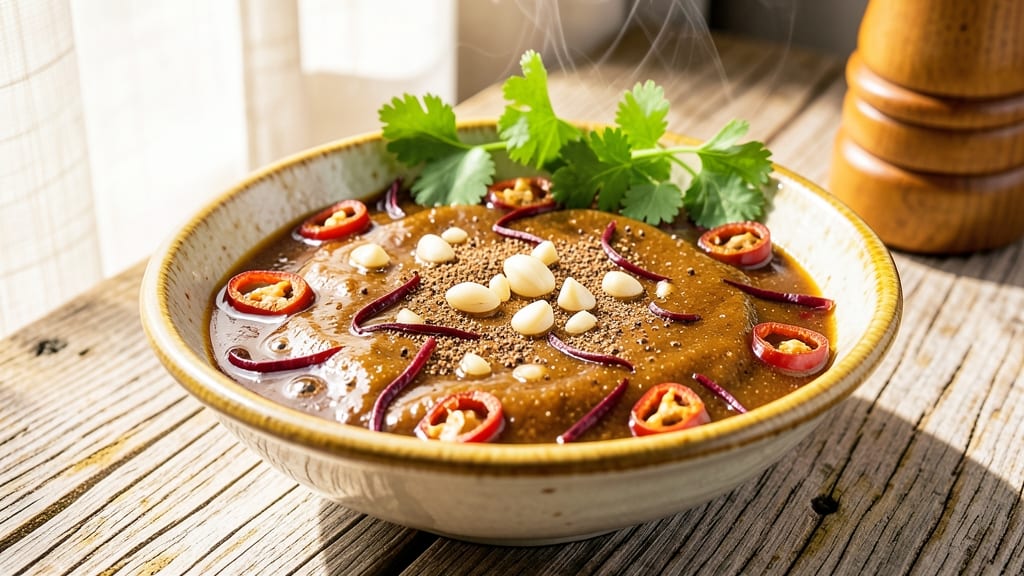
This Bahamian tamarind sauce recipe transforms grilled meats and seafood into something extraordinary with its perfect balance of tangy, sour, and subtle heat. The secret lies in tamarind pulp, which delivers that signature Bahamian depth, while garlic, chili, and allspice create a complex flavor profile that's both familiar and exciting.
I developed this recipe after years of experimenting with Caribbean sauces, and it's now my go-to for adding bold, fruity-sour notes to any dish.
The sauce begins with a simple simmer of tamarind pulp, vinegar, and sugar to create a smooth, syrupy base. Garlic and chili infuse the mixture with aromatic heat, while allspice adds a warm, earthy backbone that ties everything together.
The beauty of this recipe is its versatility—use it as a marinade for chicken or fish, a dipping sauce for grilled shrimp, or a glaze for pork chops. The result is a sauce that's tangy enough to cut through rich meats but sweet enough to satisfy any craving.
What makes this sauce truly special is its ability to elevate ordinary dishes into something memorable. The tamarind pulp provides a natural sweetness that balances the acidity, while the spices add layers of complexity that linger on the palate.
Whether you're grilling for a summer barbecue or cooking up a weeknight dinner, this sauce delivers restaurant-quality flavor with minimal effort. The best part? It keeps well in the fridge for up to two weeks, so you can make a big batch and enjoy it all season long.
Ready to experience the bold flavors of the Bahamas in your own kitchen? This sauce is the perfect way to add a touch of Caribbean flair to your meals. Let's get started—your taste buds will thank you.
Ingredients for bahamian tamarind sauce
Eight ingredients. One simmer. Caribbean flavors that’ll make your grilled dishes unforgettable.
| Ingredient | Amount | Notes |
|---|---|---|
| Tamarind Pulp 🍈 | ½ cup | Unsweetened, block or paste form |
| White Vinegar 💧 | ½ cup | Distilled white preferred |
| Granulated Sugar 🍬 | ½ cup | White or brown sugar works |
| Garlic Cloves 🧄 | 6 cloves | Freshly minced for aromatic punch |
| Scotch Bonnet Peppers 🌶️ | 1 whole | Seeds removed for mild heat |
| Ground Allspice 🌿 | 1 tsp | Freshly ground for deeper flavor |
| Ground Cinnamon 🍃 | ½ tsp | Warmth without overpowering |
| Salt 🧂 | 1 tsp | Kosher or sea salt preferred |
| Extra-Virgin Olive Oil 🫒 | ¼ cup | For richness and balance |
The tamarind is non-negotiable here—block form is ideal, but paste works too. Trader Joe's and Latin markets carry it, or order online if your local store doesn't stock it. Look for deep amber color and a strong, tangy aroma. The Scotch bonnet? Wear gloves when handling—it packs serious heat. If you can’t find it, jalapeño works in a pinch, but the flavor won’t be the same. For the spices, Penzeys or bulk bins at natural food stores are your best bet—they stay fresh longer.
No tamarind? Lemon juice plus 1 tbsp molasses gets you close, but you’ll lose that signature depth. Fresh garlic is a must—jarred minced tastes flat. The vinegar can be apple cider if you prefer, but white vinegar’s acidity cuts through the sweetness perfectly. Want it sweeter? Add another 2 tbsp sugar. For heat control, remove all seeds and membranes from the Scotch bonnet—just keep the flesh. The olive oil might seem like overkill, but it rounds out the sauce beautifully—don’t skip it.
This sauce keeps like a dream—2 weeks in the fridge, 6 months frozen. I double the batch every time and freeze half in ice cube trays for easy single-use portions. The flavor actually improves after a day or two as everything melds. Store it in a glass jar with a tight seal—metal can react with the acidity. Thicken it before serving by simmering for 5-10 extra minutes if needed.
Why You'll Love This Recipe
- Pantry Magic: I swear by this sauce because it’s made with stuff I already have—no last-minute grocery runs. Tamarind pulp, vinegar, and sugar? That’s my spice cabinet’s way of saying, "Let’s make something special."
- Sweet Heat Balance: The Scotch bonnet peppers bring the fire, but the tamarind’s tang and sugar smooth it out—like a flavor hug. Honestly, I’ve never met a sauce that hits that perfect sweet-spicy harmony as cleanly as this one.
- Dip or Dress: Use it on grilled fish, drizzle it over roasted veggies, or serve it as a dip with chips. (Yes, even on a Tuesday night.) It’s the kind of sauce that turns a simple meal into something that feels like a celebration.
- Lasts All Week: A single batch keeps in the fridge for days, and the taste only gets better as the flavors meld. Between us, I’ve had this sauce show up at potlucks, family dinners, and lazy Sunday brunches—no stress, just flavor.
Step-by-step instructions for Bahamian tamarind sauce
This vibrant glaze delivers the perfect balance of sweet, tangy, and spicy flavors that elevate grilled meats and seafood.
🍳 Step 1: Simmer Tamarind and Vinegar for Tangy Foundation
In a medium saucepan, combine the 0.5 cup tamarind pulp and 0.5 cup white vinegar. Bring to a gentle boil over medium heat, then reduce to a simmer for 5-7 minutes until the mixture thickens slightly and the tangy aroma fills your kitchen. Stir occasionally to prevent sticking—this is where the sauce develops its signature depth of flavor.
Here's the thing—tamarind pulp can be fibrous, so I like to use a fine-mesh strainer to remove any unwanted texture after simmering. This step ensures a smooth, velvety sauce that coats your proteins beautifully. If you're using block tamarind, make sure it's properly soaked and strained beforehand for the best results.
🍳 Step 2: Sweeten and Spice the Mixture
Add the 0.5 cup granulated sugar, 1 tsp salt, 1 tsp ground allspice, and 0.5 tsp ground cinnamon to the simmering tamarind mixture. Stir well to dissolve the sugar completely—this is where the sauce starts to transform from tart to balanced. Let it cook for another 3-5 minutes until the sugar is fully incorporated and the mixture becomes slightly syrupy.
Watch for the moment when the sugar dissolves completely and the spices bloom—you'll notice a warm, aromatic fragrance that signals the flavors are melding. This is the foundation of your sauce, so don't rush this step. The spices should be evenly distributed, not clumping at the bottom of the pan.
🍳 Step 3: Build Complexity with Garlic and Scotch Bonnet
In a small skillet, heat 0.25 cup extra-virgin olive oil over medium-low heat. Add the 6 cloves minced garlic and cook for 1-2 minutes until fragrant but not browned. Then add the 1 whole Scotch Bonnet pepper (seeds removed) and cook for another 30 seconds until softened. Be careful—this is where the heat kicks in!
Immediately transfer this aromatic oil to your simmering tamarind mixture. Stir well and let the entire sauce cook together for 5-7 minutes until it thickens to a glossy, glaze-like consistency. You're looking for a sauce that coats the back of a spoon but isn't syrupy—it should be smooth and vibrant with a beautiful reddish hue.
⏰ Step 4: Cool and Adjust for Perfect Balance
Remove the sauce from heat and let it cool to room temperature. This cooling period is crucial—it allows all the flavors to fully meld and the heat from the Scotch Bonnet to mellow slightly. Taste and adjust the balance: if it's too tart, add a touch more sugar; if it's too sweet, a splash of vinegar helps. The goal is that perfect harmony of tangy, sweet, and spicy that makes Bahamian cuisine so special.
For best results, let the sauce rest in the refrigerator for at least 1 hour before using. This resting time enhances the flavors dramatically. When ready to use, gently reheat over low heat and brush onto your grilled meats or seafood just before serving. The sauce will caramelize beautifully under the grill's heat, creating an irresistible glaze.
Pro Tips For Making Bahamian Tamarind Sauce
- Strain Twice: After simmering the tamarind, garlic, and vinegar, strain through a fine-mesh sieve first—then a cheesecloth. The second strain removes those stubborn gritty bits that sneak through, no matter how carefully you pick over the pulp. I learned this the hard way when my sauce had texture issues for months.
- Toast Garlic First: Lightly toast the minced garlic in a dry pan until it smells nutty (about 2 minutes). This deepens the flavor without burning it—trust me, raw garlic in this sauce tastes sharp and underwhelming. Do this before adding any liquid.
- Seed Scotch Bonnet Precisely: Cut the Scotch bonnet lengthwise, scrape out only the white pith and seeds with a spoon—leave the red membrane intact. That membrane holds most of the heat, and you’ll get a cleaner, more controlled burn. I used to just chop it roughly, and the sauce always tasted uneven.
- Simmer, Don’t Boil: Keep the sauce at a gentle simmer (tiny bubbles, occasional swirls) for 15–20 minutes. Boiling turns it cloudy and dulls the tamarind’s tang. After burning three batches, I finally figured out that patience here makes all the difference in the final gloss and depth of flavor.
Pro cooking tips for bahamian tamarind sauce
Tamarind Texture Secrets
Tamarind pulp can be fibrous, so I always strain it after simmering for a silky-smooth sauce. Use a fine-mesh strainer or cheesecloth to remove any unwanted texture—this makes a huge difference in how the sauce coats your food.
If using block tamarind, soak it in warm water for 10 minutes first, then strain thoroughly before measuring. 🌟
Spice Bloom Timing
Let the spices bloom for 3-5 minutes after adding them to the simmering mixture. This releases their full flavor potential—you’ll notice a warm, aromatic fragrance that signals they’re ready. Stir occasionally to prevent clumping, especially with the ground allspice and cinnamon, which can settle at the bottom. 🌿
Heat Control Mastery
For the Scotch Bonnet pepper, remove all seeds and membranes to control heat intensity. If you prefer milder heat, reduce the cooking time with the garlic to just 30 seconds—this prevents the pepper from releasing too much capsaicin.
The olive oil helps distribute the heat evenly throughout the sauce. 🌶️
Balancing the Sauce
After cooling, taste and adjust the balance: add 1 tbsp sugar if it’s too tart, or 1 tsp vinegar if it’s too sweet. The goal is that perfect harmony of tangy, sweet, and spicy flavors.
I like to let it rest in the fridge for at least 1 hour before using—this allows the flavors to meld completely. ✨
Thickening Tricks
If your sauce is too thin, simmer it uncovered for 5-10 extra minutes to reduce it. For a glossy finish, stir in 1 tsp cornstarch mixed with 1 tbsp water at the end—this adds shine without altering the flavor.
The sauce should coat the back of a spoon but still be pourable. 💡
Storage and Reuse
Store in a glass jar in the fridge for up to 2 weeks, or freeze in ice cube trays for single-use portions. The flavor actually improves over time as the spices mellow. When reheating, warm it gently over low heat to preserve its vibrant color and glossy texture. 🥫
Nutrition facts
Frequently asked questions
What's the best way to find tamarind pulp if my store doesn't carry it?
Check the international aisle at major grocery stores like Walmart or Publix, or look in the baking section near molasses. For guaranteed results, order online from Trader Joe's or specialty Latin markets—they sell block tamarind that you can soak and strain yourself. If you're in a pinch, mix 1 tbsp molasses with ¼ cup lemon juice as a substitute, though it won't have the same depth.
Can I make this sauce without a Scotch Bonnet pepper?
For milder heat, use 1 jalapeño (seeds removed) or ½ habanero (seeds and membranes removed). If you want no heat at all, simply omit it—the sauce will still be tangy and sweet, just missing that Bahamian kick. The olive oil helps distribute any remaining heat evenly throughout.
How do I know when the sauce is thick enough for glazing?
The sauce should coat the back of a spoon smoothly but still be pourable—think of it like a thin honey consistency. If it's too thin, simmer it uncovered for 5-10 extra minutes until slightly reduced. For extra shine, stir in 1 tsp cornstarch mixed with 1 tbsp water at the very end. Test by brushing a small amount on a piece of meat—it should stick without dripping.
What are the best proteins to pair with this sauce?
This sauce shines with grilled chicken, pork chops, or shrimp, but it also works beautifully with fish like mahi-mahi or tofu for a vegetarian option. The tangy-sweet balance cuts through rich meats while complementing delicate seafood. For extra flavor, marinate the protein in the sauce for 30-60 minutes before cooking.