
Sauces & Condiments
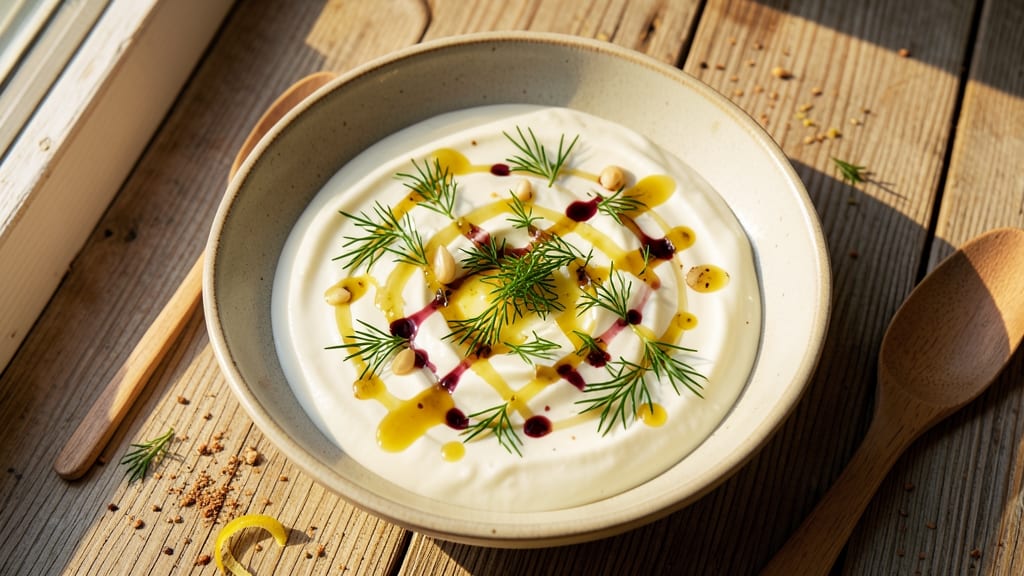
This Athenian sauce recipe transforms simple ingredients into a vibrant, herb-infused drizzle that elevates grilled meats and Mediterranean dishes. The blend of fresh dill, garlic, and lemon brightens every bite with a tangy, aromatic depth that’s essential in Greek cuisine—think gemista or sizzling kebabs.
What sets this sauce apart is its balance of creamy yogurt and sharp vinegar, creating a versatile condiment that works as a marinade, dip, or finishing touch.
The foundation of this sauce lies in its simplicity: just seven core ingredients, including Greek yogurt for creaminess and extra-virgin olive oil for richness. Unlike store-bought versions, this recipe preserves the freshness of herbs and the boldness of garlic, which infuse the sauce as it sits.
The process is straightforward—no fancy techniques, just a mortar and pestle (or blender) to combine everything into a smooth, emulsified paste. It’s designed to be made ahead, so flavors deepen over time, making it perfect for meal prep.
What you’ll end up with is a sauce that’s as functional as it is flavorful—ideal for drizzling over grilled lamb, chicken, or even roasted vegetables. The yogurt base adds a cooling contrast to smoky meats, while the herbs and garlic bring layers of complexity.
This isn’t just a condiment; it’s a taste of Athens, where every dish benefits from its bright, herbaceous touch. The best part? It keeps well in the fridge for up to a week, so you can enjoy its versatility all season long.
Whether you’re serving it alongside souvlaki, using it as a dip for warm pita, or drizzling it over a fresh salad, this Athenian sauce is a game-changer.
It’s the kind of recipe that turns ordinary meals into something special—with minimal effort and maximum impact. Ready to make it? Here’s everything you need to get started.
Ingredients for athenian sauce
Seven core ingredients blend into a vibrant, herb-infused drizzle perfect for Mediterranean dishes and grilled meats.
| Ingredient | Amount | Notes |
|---|---|---|
| Plain Greek Yogurt 🧀 | 1 cup | Full-fat for creaminess, unsweetened |
| Extra-Virgin Olive Oil 🫒 | ½ cup | High-quality, fruity variety |
| Fresh Dill 🌿 | ½ cup | Finely chopped, stems removed |
| Garlic Cloves 🧄 | 4 cloves | Peeled, minced or crushed |
| Lemon Juice 🍋 | 3 tbsp | Freshly squeezed, strained |
| Red Wine Vinegar 🍷 | 2 tbsp | Dry, not balsamic |
| Sea Salt 🧂 | 1 tsp | Diamond Crystal preferred |
The Greek yogurt is the heart of this sauce—full-fat for richness and unsweetened to avoid competing flavors. Fage or Chobani brands work best, but any high-quality plain yogurt will do. Fresh dill is non-negotiable here; store-bought bunches from the grocery store will give you more volume than those pre-chopped containers. If you're using dried dill, reduce to one-third the amount, but fresh is ideal for that bright, aromatic punch. The olive oil should be extra-virgin—look for bottles labeled 'fruity' or 'robust' at Whole Foods or specialty markets for the best flavor profile.
No red wine vinegar? Apple cider vinegar or white wine vinegar work in a pinch, though the flavor will be slightly different. Short on fresh dill? Mint or parsley can substitute at the same quantity, though the flavor profile will shift. For a tangier sauce, increase the vinegar by one tablespoon. The garlic can be roasted for a milder flavor—simply wrap the whole cloves in foil and bake at 400°F for 10 minutes before mincing. If you prefer a smoother texture, strain the sauce through a fine-mesh sieve after blending. For extra depth, add a pinch of ground cumin or smoked paprika to the blend.
This sauce thrives when made ahead—flavors meld beautifully over time. Store in an airtight container in the refrigerator for up to 7 days, though it's best within the first 3 days. For longer storage, transfer to a sterile jar and freeze for up to 3 months. The yogurt may separate slightly over time; simply stir before using. This sauce is incredibly versatile—drizzle over grilled meats, use as a marinade for kebabs, or serve as a dip with warm pita. A little goes a long way, so start with small amounts and adjust to taste.
Why You'll Love This Recipe
- Five-Ingredient Magic: I swear, this sauce comes together with what’s already in my fridge—no fancy shopping required. The yogurt handles the tang, olive oil smooths it out, and a handful of dill and minced garlic (yes, I use the back of a knife) turn it into something ridiculously good.
- Bright & Tangy: That lemon juice cut? It’s the secret weapon—balances the richness of the yogurt and olive oil while keeping it fresh. Honestly, I’ve tried store-bought versions, but this homemade zing is in a league of its own, especially when drizzled over grilled fish or roasted veggies.
- Meal Prep MVP: Between us, this sauce is my go-to for lazy Sundays or hectic weeknights. It keeps for days in the fridge, thickens beautifully when reheated, and pairs with everything from wraps to salads. I make a big batch and forget about it—until I remember how good it tastes.
- Budget-Friendly Luxury: No splurges here—just a few dollars for fresh dill (or even dried in a pinch) and the rest from pantry staples. The olive oil and yogurt stretch far, so I’m not stressing over cost, but I still feel like I’m serving something special. That’s the win.
Step-by-step instructions for Athenian sauce
This herb-infused yogurt sauce delivers bright, tangy complexity perfect for drizzling over grilled meats.
Whisk Together the Base Ingredients
In a medium bowl, combine the 1 cup plain Greek yogurt, 0.5 cup extra-virgin olive oil, and 1 teaspoon sea salt. Use a whisk to blend until smooth and fully emulsified—this creates the creamy foundation. The yogurt should thicken slightly as the olive oil incorporates, forming a velvety texture. Work quickly but thoroughly to avoid separating later.
This initial blending ensures the sauce has a balanced consistency from the start. The full-fat yogurt provides richness while the high-quality olive oil adds fruity depth. If the mixture feels too thick, add 1 tablespoon water to loosen it slightly, but maintain a thick drizzle consistency for optimal application.
Incorporate the Aromatic Elements
Add the 3 tablespoons lemon juice and 2 tablespoons red wine vinegar, whisking vigorously to distribute evenly. The acidity will brighten the sauce and balance the richness. Next, fold in the 0.5 cup finely chopped fresh dill and 4 minced garlic cloves using a silicone spatula. This gentle folding preserves the dill's delicate texture while ensuring even distribution of the garlic's intensity.
The lemon juice and vinegar work together to create a tangy contrast that cuts through the richness of the yogurt and olive oil. The garlic and dill should be fully dispersed, but don't overmix—this could break down the dill's structure and make the sauce too fine. Taste at this stage to assess seasoning; you may need to adjust the salt or lemon juice to achieve the perfect balance.
Rest and Refrigerate for Maximum Flavor
Transfer the sauce to an airtight container and refrigerate for at least 2 hours, preferably 4 hours or overnight. This resting period allows the flavors to meld and the sauce to thicken slightly, creating a more cohesive texture. The cold temperature also enhances the brightness of the lemon and vinegar while mellowing the garlic's sharpness.
During this time, the yogurt will firm up slightly, making it easier to drizzle without pooling. For best results, store the sauce in a sealed container with the lid pressed tightly to prevent absorption of fridge odors. The sauce will keep for up to 5 days in the refrigerator, though it's best used within 3 days for peak freshness.
Adjust and Serve
Before using, give the sauce a final whisk or stir to re-emulsify any separation that may have occurred during refrigeration. If the texture is too thick, thin with 1-2 teaspoons water or additional lemon juice. For extra brightness, add a pinch more salt or a splash of vinegar. The sauce should have a vibrant green hue from the dill and a smooth, velvety consistency.
Use the Athenian sauce immediately as a drizzle over grilled meats, roasted vegetables, or as a dip for warm pita bread. The ideal serving temperature is room temperature, so let the sauce sit for 10-15 minutes before drizzling to achieve the perfect balance of creamy and tangy. Each spoonful should deliver a harmonious blend of herby, citrusy, and garlicky flavors that elevate any dish.
Pro Tips For Making Athenian Sauce
- STRAIN THE YOGURT: If your yogurt tastes tangy or has a watery consistency, strain it through a clean kitchen towel or cheesecloth for 15-20 minutes before using. I learned this the hard way—thick, smooth yogurt makes all the difference in texture, especially when mixed with olive oil.
- MINCE GARLIC FINELY: Use a knife to chop the garlic into a paste instead of just mincing it—this ensures even distribution and prevents clumps. I was skeptical until I tried it; the sauce blends smoother and tastes more consistent.
- ADD LEMON GRADUALLY: Start with half the lemon juice, taste, then adjust—too much can overpower the yogurt’s creaminess. I skipped this step once and ended up with a sauce that tasted sharp and unbalanced.
- CHILL BEFORE SERVING: Let the sauce sit in the fridge for at least 30 minutes before using—this lets the flavors meld and prevents a greasy texture. Sounds weird, but it works: the olive oil and yogurt separate less, and the dill’s aroma really comes through.
Flavor customization for this athenian sauce
Herb Variations
Swap out the fresh dill for other Mediterranean herbs to customize the flavor profile. Try ½ cup finely chopped mint for a brighter, slightly sweeter sauce—perfect for lamb dishes. Or use ½ cup Italian parsley for a more classic Greek touch, though the flavor will be milder.
For a smoky depth, add 1 tablespoon chopped oregano alongside the dill. I love using thyme in place of dill for a more earthy profile that pairs beautifully with roasted chicken. 🌿
Spicy Kick
Add heat with ½ teaspoon red pepper flakes or 1 teaspoon minced jalapeño for a spicy twist. For a more controlled burn, use ½ teaspoon smoked paprika instead—it adds warmth without sharpness.
If you love bold flavors, try 1 teaspoon harissa paste for a North African-inspired variation that still feels authentically Mediterranean. Always taste before serving; the yogurt base helps balance the heat beautifully.
Citrus Brightness
Boost the tang with extra citrus—add 1 tablespoon orange zest for a sweeter, more complex flavor. Or swap the lemon juice for 3 tablespoons lime juice to give the sauce a tropical twist. For a balanced approach, use 2 tablespoons lemon juice + 1 tablespoon orange juice.
I find that adding ½ teaspoon grated lemon peel (no pith) infuses subtle floral notes that elevate the sauce's depth.
Umami Depth
Enhance the sauce with umami-rich ingredients like 1 teaspoon soy sauce or 1 teaspoon fish sauce (for a more traditional Greek touch). A splash of 1 tablespoon tomato paste adds subtle sweetness and body, while 1 teaspoon capers chopped finely bring briny brightness.
For a richer profile, stir in 1 tablespoon tahini—it thickens the sauce slightly while adding nutty complexity. Note: Fish sauce is optional but adds authentic depth.
Texture Adjustments
For a chunkier texture, fold in 2 tablespoons finely chopped cucumber or 1 tablespoon crumbled feta cheese. To make the sauce smoother, blend it with an immersion blender or strain through a fine-mesh sieve.
If you prefer a thinner consistency, add 1-2 tablespoons water or extra olive oil to reach your desired drizzle thickness. I often adjust the texture based on how I plan to use it—chunkier for dips, smoother for drizzling.
Sweet Contrast
Balance the tang with subtle sweetness using 1 teaspoon honey or ½ teaspoon maple syrup. For a more pronounced sweetness, add 1 teaspoon finely chopped preserved lemon peel (the kind used in Middle Eastern cuisine).
A pinch of ground cinnamon** (just ¼ teaspoon) adds warmth without overpowering. These additions work especially well with grilled meats or as a dip for fresh fruit like watermelon or peaches. 🍯
Nutrition facts
Frequently asked questions
Can I make this Athenian sauce without Greek yogurt?
You can substitute with 1 cup sour cream or ½ cup mayonnaise + ½ cup buttermilk for a similar texture. The flavor will be slightly richer, so reduce the olive oil to ¼ cup to balance it. For a lighter option, use ½ cup crème fraîche—it's tangier and closer to traditional Greek yogurt. Always let the sauce rest for 2 hours to allow flavors to meld.
How long does this sauce keep, and can I freeze it?
The sauce stays fresh in the fridge for 5-7 days in an airtight container, though it's best within 3 days for peak flavor. For freezing, portion into ice cube trays, freeze, then transfer to a bag. Thaw overnight in the fridge—never at room temperature. The texture may separate slightly after freezing; stir well before using. The yogurt base prevents ice crystals from forming as aggressively as with water-based sauces.
What's the best way to use leftover Athenian sauce?
This versatile sauce works as a marinade (combine with 2 tbsp olive oil for 2-4 hours max), a dip for warm pita or grilled vegetables, or a topping for salads. For extra creativity, mix 1 tbsp sauce with 2 tbsp hummus for a herby spread, or drizzle over roasted potatoes with feta. The yogurt base makes it perfect for cooling spicy dishes too—just add a pinch of cayenne if needed!
Why did my sauce separate? How do I fix it?
Separation happens when the yogurt and oil aren't properly emulsified. Whisk vigorously to recombine, or blend with an immersion blender. For prevention, add 1 tsp mustard powder or 1 tsp cornstarch to the yogurt before blending—these act as natural emulsifiers. If the sauce is too thick, thin with 1 tsp water or lemon juice. Always store in a sealed container with the lid pressed tightly to maintain consistency.
What's the difference between this and tzatziki?
While both use yogurt and herbs, Athenian sauce is tangier and more complex thanks to the red wine vinegar and higher garlic content. Tzatziki typically uses cucumber for freshness and less vinegar, making it milder. This sauce also includes extra olive oil for richness, while tzatziki often has a thinner consistency. Both pair well with grilled meats, but Athenian sauce works better as a drizzle or marinade due to its bold flavors.