
Sauces & Condiments
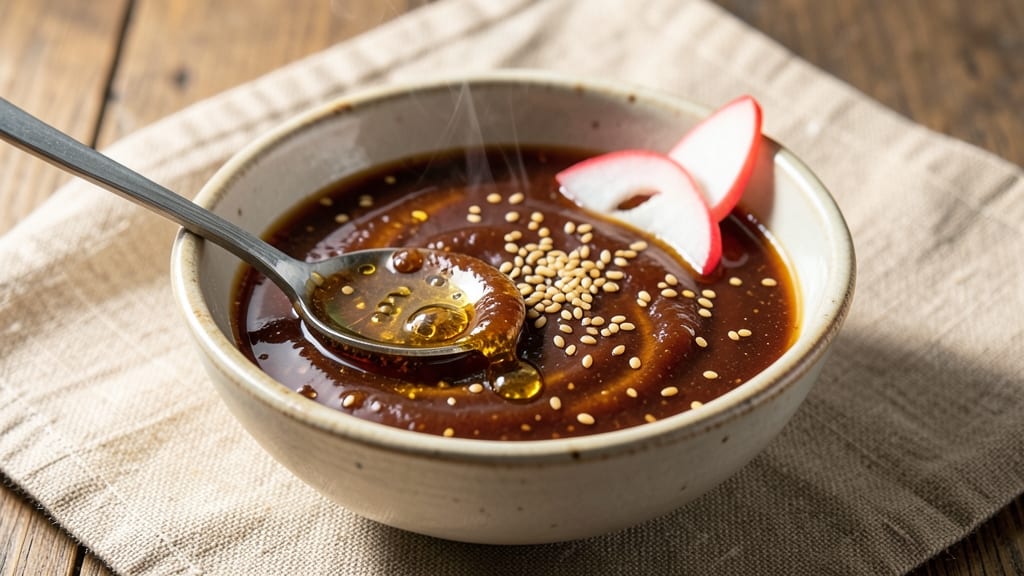
This Bachan Japanese BBQ sauce recipe transforms ordinary grilled meats into restaurant-quality masterpieces with its deep umami richness and perfect sweet-savory balance. The secret lies in slow caramelization and layered flavors—soy sauce, mirin, and sugar meld into a glossy, sticky sauce that clings beautifully to every bite. I developed this version after years of experimenting with traditional techniques, ensuring it delivers that signature Japanese BBQ depth without shortcuts.
The beauty of this sauce is its versatility—it elevates yakitori, grilled chicken, or even vegetables to new heights. Unlike store-bought versions, this recipe builds flavor through controlled caramelization, creating a sauce that's both complex and approachable.
The process is straightforward: simmer, reduce, and let the ingredients work their magic over 30 minutes on the stove. No fancy equipment needed, just patience and attention to balance.
What you'll end up with is a glossy, aromatic sauce that's perfect for basting, dipping, or drizzling. The caramelized edges add a subtle sweetness that contrasts beautifully with the savory soy base, while a touch of mirin brightens the profile.
This isn't just a sauce—it's a flavor enhancer that turns simple grilled meats into something extraordinary. The best part? It keeps well in the fridge for up to 2 weeks, so you can make a batch and use it all season.
Pair it with grilled chicken skewers, seared scallops, or even roasted sweet potatoes for a taste of Japan in every bite. The key to success is letting the sauce reduce slowly—don't rush it. Here's how to make it right the first time.
Ingredients for bachan japanese bbq sauce
Transform ordinary grilling into restaurant-quality magic with these ten essential ingredients.
| Ingredient | Amount | Notes |
|---|---|---|
| Kosher Soy Sauce 🍶 | ½ cup | High-quality, reduced variety preferred |
| Mirin 🍶 | ¼ cup | Sweet cooking wine, not sub with regular wine |
| White Sugar 🍚 | ¼ cup | Granulated or caster sugar |
| Rice Vinegar 🍶 | ¼ cup | Seasoned rice vinegar adds depth |
| Sesame Oil 🫒 | 1 tbsp | Toasted sesame oil for aroma |
| Fresh Ginger 🌿 | 1 tbsp | Finely grated, fresh only |
| Garlic Cloves 🧄 | 3 cloves | Minced, fresh preferred |
| Honey 🍯 | 1 tbsp | Pure, unprocessed honey |
| Diamond Crystal Kosher Salt 🧂 | ½ tsp | Fine grain for balance |
| Black Pepper 🌶️ | ¼ tsp | Freshly cracked for heat |
The soy sauce is the foundation—Kikkoman or Yamasa are my go-tos, but any high-quality reduced soy works. Mirin is non-negotiable; Hosho or Miyoko's from Asian markets deliver that perfect sweetness without overpowering. If you can only find regular mirin, reduce it by half first. For sugar, domestic granulated dissolves perfectly, but caster sugar caramelizes more quickly. The vinegar should be seasoned rice vinegar—the umami salts in it are what make this sauce sing. Toasted sesame oil is a game-changer; La Choy is reliable, but the bulk bins at Whole Foods have fresher options. Fresh ginger and garlic are essential for that bright, aromatic punch—no powdered substitutes here.
No mirin? Replace with 1 tbsp sugar plus 1 tbsp dry sherry, but you'll lose some depth. Subbing rice vinegar? Apple cider vinegar works in a pinch, but add an extra 0.25 tsp salt to compensate. Running low on honey? Maple syrup at the same amount keeps the sweetness balanced. The sesame oil can be skipped if you're sensitive to its flavor, but I'd recommend keeping it for that signature aroma. For a thicker sauce, reduce the rice vinegar by 1 tbsp. If you're making this ahead, store the sauce without the sesame oil and stir it in just before using to preserve its aroma. The garlic can be roasted for a sweeter profile—wrap whole cloves in foil, bake at 400°F for 10 minutes, then mince.
This sauce develops even more flavor over time, so make it a day ahead if possible. Store in an airtight container in the fridge for up to 2 weeks. The caramelized edges will thicken as it cools—just give it a quick stir before using. For long-term storage, freeze in ice cube trays and transfer to a bag; each cube makes a perfect single-use portion. The sauce keeps its vibrancy for 3 months frozen. If it separates, just reheat gently and stir until smooth. A splash of water can help thin it out if needed. The beauty of this recipe is its flexibility—adjust the sweetness to your taste, but never skip the slow reduction. That's where the magic happens.
Why You'll Love This Recipe
- Pantry Magic: I swear by this sauce because it’s made with things I already have. No specialty trips—just soy, mirin, sugar, vinegar, and a splash of sesame oil. Honestly, it’s the kind of recipe that turns a boring weeknight into a "let’s pretend we’re in a ramen shop" moment.
- Umami Bomb: That combo of mirin and rice vinegar? It’s like a flavor upgrade button. The sugar balances the salt, and the sesame oil adds this nutty warmth that makes everything—grilled chicken, stir-fries, even eggs—taste like it’s been simmered for hours. (Yes, even on a Tuesday night.)
- Double-Duty Sauce: I use this for everything—marinating skewers, glazing tofu, or drizzling over rice bowls. It’s my go-to for meal prep because it keeps well in the fridge and turns basic proteins into something special without extra effort.
- Budget-Friendly Luxury: This sauce costs pennies to make but tastes like a high-end takeout dish. A little goes a long way, and the leftovers? Perfect for quick lunches or last-minute dinner rescues. Between us, it’s my secret weapon for making frugal meals feel indulgent.
Step-by-step instructions for umami-packed Japanese BBQ sauce
This sauce transforms ordinary grilled meats into restaurant-worthy masterpieces with just a few simple steps.
Combine Wet Ingredients for a Harmonious Base
In a medium saucepan, pour in the 0.5 cup kosher soy sauce and 0.25 cup mirin. Stir to blend them completely—this combination forms the umami backbone of your sauce. Add the 0.25 cup white sugar and 0.25 cup rice vinegar, whisking until the sugar fully dissolves. The mixture should look smooth and slightly syrupy at this stage.
Bring the mixture to a gentle simmer over medium heat, then reduce to low heat. Let it cook uncovered for 8-10 minutes, stirring occasionally, until it reduces by about one-third and becomes slightly thickened. You'll notice the aroma deepening—this is when the flavors start melding together beautifully. Don't rush this step; patience ensures balanced sweetness and acidity.
Infuse with Aromatics and Toast the Flavor
While the sauce simmers, add the 1 tablespoon finely grated fresh ginger and 3 minced garlic cloves. Stir well to incorporate them into the sauce. The ginger will release its bright, zesty notes while the garlic adds a subtle depth. Let the mixture cook for another 3-4 minutes until the raw garlic aroma disappears and you're left with a warm, aromatic essence.
Next, drizzle in the 1 tablespoon toasted sesame oil and 1 tablespoon honey. Stir continuously for 1-2 minutes until the honey is fully incorporated and the sauce becomes glossy. The sesame oil adds nutty richness while the honey rounds out the flavors. Taste the sauce at this point—it should be tangy, slightly sweet, and deeply savory, with a hint of warmth from the ginger.
Season and Simmer to Perfection
Add the 0.5 teaspoon diamond crystal kosher salt and 0.25 teaspoon freshly cracked black pepper to the sauce. Stir well to distribute the seasonings evenly. Return the heat to medium-low and let the sauce simmer gently for 5-7 minutes, stirring occasionally. This final simmer allows the flavors to meld completely and the sauce to thicken to a glossy, coatable consistency.
As it simmers, the sauce will develop a beautiful sheen and a rich, complex aroma. You're looking for a sauce that's thick enough to cling to meats but still pourable. If it thickens too much, add 1-2 teaspoons of water to adjust the consistency. Once it reaches your desired texture, remove the sauce from heat and let it cool slightly before transferring to a clean jar for storage.
Rest and Use for Maximum Flavor
Allow the sauce to cool completely to room temperature. This resting period, which can be as short as 30 minutes or as long as overnight, allows the flavors to fully develop and deepen. The sauce will continue to mellow and improve with time, making it even more versatile for glazing, marinating, or drizzling.
Once cooled, store the sauce in an airtight container in the refrigerator for up to 2 weeks, or freeze it for up to 3 months. When ready to use, simply reheat the sauce gently in a small saucepan over low heat, stirring occasionally until warmed through. This umami-packed sauce will elevate everything from grilled chicken and pork to roasted vegetables and noodle dishes, transforming simple ingredients into extraordinary flavors.
Pro Tips For Making Bachan Japanese Bbq Sauce
- Simmer Low and Slow: This sauce isn’t a race—keep the heat at a gentle simmer (just bubbles occasionally, not a rolling boil). I used to rush it, and the mirin would burn before the sugar dissolved, leaving a bitter aftertaste. Let it work its magic for 15-20 minutes, stirring every few minutes to prevent sticking.
- Use Real Mirin, Not Substitutes: Cheap mirin substitutes (like sugar + water) will never give you that same depth of flavor. If you’re stuck, use 1 tablespoon of dry sherry or sake plus 1 teaspoon extra sugar, but it won’t be identical. The real stuff adds that subtle sweetness and acidity that makes this sauce sing—skip the shortcut here.
- Balance the Sugar Early: Taste the sauce after adding sugar and before it thickens—adjust now, not later. I’ve ruined batches by letting it reduce too much before realizing it needed more sweetness. If it’s too sharp, add a pinch more sugar; if it’s cloying, a splash of rice vinegar cuts through it fast.
- Strain the Sesame Oil Last: Add sesame oil at the very end, off the heat, and stir it in just before serving. Heating it too long burns the delicate nutty flavor, turning it rancid. A few drops (start with 1 teaspoon) is enough—this sauce is bold, and you don’t want to overpower it.
Wine and beer pairings for bachan japanese bbq sauce
Japanese Sake Pairings
For a truly authentic experience, pair this Bachan Japanese BBQ sauce with a crisp, dry Japanese sake. I recommend a Junmai Ginjo or Dassai—both showcase delicate floral notes that complement the sauce's umami depth without overpowering it.
The subtle sweetness of the sake enhances the caramelized edges of the sauce, creating a harmonious balance. Serve slightly chilled at 45-50°F to highlight its clean finish. 🍶
Light Lager Complements
A Japanese lager like Asahi Super Dry or Sapporo works beautifully with grilled meats coated in this sauce. The crisp, clean profile cuts through the richness while the sauce's sweet-savory notes shine through.
For a craft option, try a Hazy IPA with mango or passionfruit—the tropical fruitiness mirrors the sauce's honeyed caramelization. Keep the beer at 40-45°F for optimal pairing. 🍺
Dry Riesling Harmony
If you prefer wine, a dry Riesling from Germany or Alsace is a fantastic match. The wine's bright acidity and citrus notes play off the sauce's tangy rice vinegar, while its mineral finish balances the umami.
Look for a Kabinett-level Riesling with green apple or peach undertones. Serve slightly chilled at 48-50°F to enhance the pairing's complexity. 🍷
Umami-Boosting Beer
For a bolder match, try a Japanese hoppy IPA like BrewDog Punk IPA or Kona Big Wave. The beer's citrusy, piney flavors contrast beautifully with the sauce's caramelized sweetness.
The sauce's umami depth also pairs well with stout beers like Guinness—the roasted malt notes create a rich, satisfying combination. Serve the stout at 45°F for the best balance. 🍻
Non-Alcoholic Options
For a refreshing non-alcoholic pairing, try Japanese green tea like Sencha or Hōjicha. The tea's vegetal notes complement the sauce's ginger and garlic, while its slight astringency balances the sweetness.
Alternatively, a ginger beer with a hint of lime enhances the sauce's zesty profile. Both options keep the pairing light and refreshing. 🍵
Pro Pairing Tips
Always serve your sauce at room temperature—cold sauce dulls its flavors. For grilled meats, baste with the sauce while cooking to create a glossy crust. If using as a dip, warm it gently before serving.
I like to pair this sauce with yakitori skewers and a light sake, or grilled pork belly with a crisp lager. The key is balancing the sauce's intensity with a beverage that enhances—not competes with—its flavors. ✨
Nutrition facts
Frequently asked questions
Can I make this Japanese BBQ sauce without mirin?
Yes, but you'll lose some depth. Replace 0.25 cup mirin with 1 tablespoon sugar plus 1 tablespoon dry sherry. The sherry adds complexity, while the extra sugar compensates for mirin's sweetness. For a non-alcoholic option, use 1 tablespoon honey plus 1 tablespoon rice vinegar instead. The sauce will still taste great, but the caramelization will be slightly less refined.
How do I adjust the sweetness level?
Start with the recipe as written, then taste after the initial 10-minute reduction. For less sweetness, reduce the sugar to 0.125 cup and add 1 extra tablespoon rice vinegar. For more sweetness, increase the sugar to 0.375 cup or add 1 extra tablespoon honey at the end. Remember, the sauce will deepen in flavor as it cools.
Can I use this sauce for marinating instead of glazing?
This sauce works beautifully as a marinade for 2-4 hours (chicken, pork, or fish). Combine 0.5 cup sauce with 0.5 cup olive oil and 1 tablespoon grated ginger for extra penetration. For tougher cuts like beef, marinate for 6-8 hours in the fridge. The sauce's umami will tenderize while adding incredible flavor—just pat dry before cooking to prevent steaming.
Why did my sauce turn out too thick?
This usually happens from over-reducing or using too much sugar. Thin with 1-2 teaspoons water or rice vinegar (1 tsp at a time) while reheating. For future batches, monitor closely after 15 minutes of simmering. If you prefer a thicker consistency, reduce the rice vinegar by 1 tablespoon next time. The ideal texture should coat the back of a spoon but still be pourable.
What's the best way to store leftovers?
Store in an airtight container in the fridge for up to 2 weeks. For longer storage, freeze in ice cube trays (each cube = single use) or small jars. Thaw overnight in the fridge. If the sauce separates when reheating, stir gently over low heat until smooth. Pro tip: Keep the sesame oil separate until ready to use to preserve its aroma.