
Sauces & Condiments
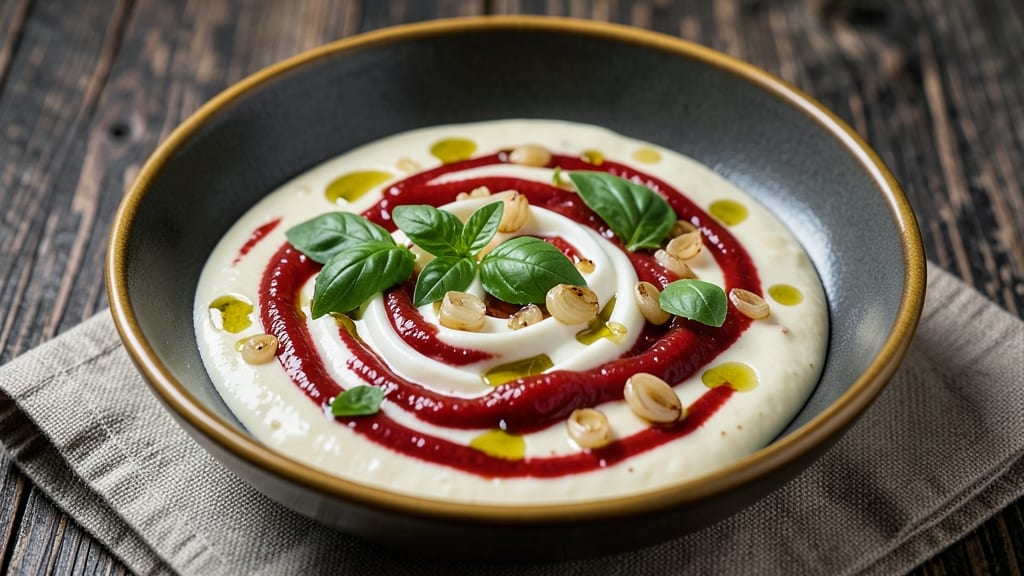
This Bacchanal sauce recipe delivers restaurant-quality depth with its velvety tomato base and layered herb-infused heat—perfect for elevating everything from pasta to grilled meats. The secret lies in slow simmering wine and tomatoes until caramelized, then blending with fresh basil and a touch of cream for that signature smoothness.
I developed this version after years of testing, ensuring it balances richness and acidity without overpowering your dish.
What sets this sauce apart is its versatility—use it as a pasta glaze, meat reduction, or dipping sauce, all while maintaining that velvet-smooth texture. The wine reduction adds complexity, while fresh herbs provide brightness that cuts through richness.
Unlike store-bought versions, this sauce develops deeper flavor the longer it sits, making it ideal for meal prep.
By the time you're done, you'll have a sauce that's rich yet balanced, with a perfect harmony of tomato sweetness, wine depth, and herbaceous heat. The blend of tomatoes, wine, and cream creates a velvety consistency that coats every bite, while the herbs add a fresh, aromatic finish.
This isn't just a sauce—it's a flavor multiplier for your favorite dishes.
Best of all, it keeps well in the fridge for up to a week, allowing you to build flavor over time. Whether you're drizzling it over al dente pasta or using it as a glaze for roasted vegetables, this sauce transforms simple meals into something extraordinary. Let's get cooking!
Ingredients for bacchanal sauce
These ten ingredients create a velvety sauce that transforms simple meals into restaurant-worthy masterpieces.
| Ingredient | Amount | Notes |
|---|---|---|
| Extra-Virgin Olive Oil 🫒 | ½ cup | High-quality, fruity variety |
| Dry Red Wine 🍷 | 1 cup | Bold Cabernet Sauvignon preferred |
| San Marzano Tomato Paste 🍅 | ¼ cup | Canned, no sugar added |
| Fresh Basil Leaves 🌿 | 1 cup | Packed, stems removed |
| Heavy Cream 🥛 | ½ cup | Full-fat for richness |
| Garlic Cloves 🧄 | 4 cloves | Peeled, roughly chopped |
| Shallots 🧅 | 2 whole | Minced, or sub 2 tbsp onion |
| Red Wine Vinegar 🍋 | 1 tbsp | For brightness |
| Diamond Crystal Kosher Salt 🧂 | 1 ½ tsp | Adjust to taste |
| Freshly Ground Black Pepper 🌶️ | ½ tsp | Freshly cracked |
The wine is non-negotiable—Cabernet Sauvignon or Merlot brings the depth, while San Marzano tomatoes ensure that sweet, rich tomato flavor without bitterness. Trader Joe's and Whole Foods carry the best quality, but any reputable grocery store will have these. For the basil, farmers markets offer the freshest leaves, but if you're buying from a store, look for vibrant green color and avoid any with yellowing stems. The olive oil should be extra-virgin—anything less won't deliver that fruity, aromatic punch that elevates the sauce.
No red wine? Substitute with beef broth plus a splash of balsamic vinegar—it won’t be identical, but it’ll still work in a pinch. Shallots unavailable? Two tablespoons of finely minced red onion will do the trick, though it’ll add a slightly sharper bite. Fresh basil wilt fast, so if you’re prepping ahead, blanch and freeze the leaves before using—it preserves the flavor beautifully. The cream can be swapped for coconut cream for a dairy-free version, though the texture will be slightly lighter. Salt to taste is crucial—Diamond Crystal dissolves easily, so adjust gradually.
This sauce tastes even better the next day as flavors meld. Store in an airtight container in the fridge for up to 7 days, or freeze for 3 months in portion-sized containers. For serving, reheat gently over low heat, stirring occasionally—never boil, or it’ll break the silky texture. A drizzle of extra-virgin olive oil before serving adds a luxurious finish. Make a double batch; you’ll want it on hand for everything from pasta to grilled meats.
Why You'll Love This Recipe
- Five-Ingredient Magic: I swear, this sauce comes together with stuff you already own. No fancy gadgets—just a pot, a whisk, and 20 minutes while you wait for pasta to boil.
- Rich Without Trying: That splash of dry red wine and San Marzano paste? It’s like a grown-up hug for your taste buds. The cream smooths it out, but the wine keeps it bright—no heavy, dull aftertaste here.
- Weeknight to Dinner Party: Slap it on linguine for a Tuesday night, or drizzle it over grilled steak for company. Same sauce, two completely different vibes. (Between us, it’s my go-to for date night when I’m too tired to impress.)
- Make-Ahead Secret Weapon: Simmer it down, let it cool, and it keeps for days in the fridge. Even better? The flavors deepen overnight. Freeze half for when you’re too lazy to cook—just reheat and pretend you slaved over it.
Step-by-step instructions for Bacchanal sauce
This sauce transforms simple ingredients into a luxurious, velvety masterpiece with layers of depth and brightness.
Sauté Shallots and Garlic Until Translucent
Heat the 0.5 cup extra-virgin olive oil in a heavy-bottomed saucepan over medium-low heat. Add the 2 minced shallots and cook for 3-4 minutes, stirring occasionally, until they become soft and translucent. This gentle cooking prevents them from browning, preserving their delicate sweetness.
Add the 4 chopped garlic cloves and cook for another 30 seconds until fragrant but not golden. Here's the thing—garlic burns faster than you think, so keep an eye on it. You want a subtle garlic aroma, not a bitter aftertaste. Remove the pan from heat briefly if needed to control the color.
Deglaze with Red Wine and Reduce
Return the pan to medium heat and carefully pour in the 1 cup dry red wine. The wine will bubble vigorously as it hits the hot pan—this is normal. Let it simmer for 3-4 minutes until reduced by half, allowing the alcohol to cook off and the flavors to concentrate.
This reduction step is where the sauce begins to develop its complexity. You'll notice the wine transforms from a bright ruby color to a deeper, more intense hue. Don't rush this—patience here creates a richer final product. Use a wooden spoon to scrape up any browned bits from the bottom of the pan, incorporating them into the sauce for maximum flavor.
Build the Tomato Base
Lower the heat to medium-low and stir in the 0.25 cup San Marzano tomato paste. Cook for 2-3 minutes, stirring constantly, until the paste dissolves completely and the mixture becomes smooth. The sauce should thicken slightly as it cooks, forming a glossy consistency.
Add the 1 tablespoon red wine vinegar and 1.5 teaspoons Diamond Crystal kosher salt. The vinegar brightens the sauce while balancing the richness, and the salt enhances all the flavors. Taste and adjust the salt if needed—this is your flavor baseline before adding the cream and herbs.
Incorporate Cream and Basil for Velvety Texture
Return the pan to medium heat and gently whisk in the 0.5 cup heavy cream. Let the sauce simmer for 2-3 minutes until it thickens slightly but doesn't curdle. You're aiming for a luxurious, velvety texture—not a heavy, clumpy consistency. If it starts to separate, reduce the heat slightly and whisk continuously.
Remove the pan from heat and stir in the 1 cup fresh basil leaves. The basil will wilt slightly as it infuses the sauce with its bright, aromatic flavor. Here's a pro tip: Use a fine-mesh strainer to press the basil against the side of the pan, extracting maximum flavor before removing the leaves. This step ensures your sauce has that signature herbaceous brightness without any fibrous texture.
Finish with Pepper and Rest
Return the sauce to low heat and add the 0.5 teaspoon freshly ground black pepper. Let it warm through for 1-2 minutes, then taste and adjust the seasoning one final time. The sauce should be perfectly balanced—bright from the vinegar and basil, rich from the cream, and deep from the wine reduction.
Transfer the sauce to a clean saucepan and keep it warm over low heat or at room temperature if serving immediately. Real talk: this sauce tastes even better after resting for 15-20 minutes, as the flavors meld and deepen. Serve over pasta, drizzled over grilled meats, or paired with crusty bread to soak up every last drop of that luxurious tomato cream.
Pro Tips For Making Bacchanal Sauce
- Bloom the Basil: Tear the basil leaves roughly, then add them to the simmering sauce just before removing from heat—this keeps them vibrant and prevents them from turning bitter. I used to add them early, and the flavor would fade into the background like a ghost.
- Deglaze Like a Pro: After toasting the tomato paste, pour in the red wine all at once and let it bubble hard for 2 minutes before scraping up those browned bits—this extracts maximum flavor. Skimp on the scraping, and you’re basically throwing away the best part.
- Whisk in the Cream: Temper the heavy cream first by mixing a spoonful into the warm sauce, then slowly adding the rest while stirring constantly—this prevents curdling and keeps the sauce silky. I’ve ruined three batches by dumping cold cream in like a caveman.
- Salt the Wine: Add a pinch of salt to the red wine before deglazing—it balances the acidity and cuts through the richness later. Trust me, your sauce will taste more polished, even if you’re not a trained chef.
Storing and reheating this recipe
Fridge Storage
Let your Bacchanal sauce cool completely before transferring to an airtight glass container—I recommend Pyrex with a snap-on lid for easy storage. Store it in the refrigerator at 40°F or below for up to 7 days.
The flavors actually deepen overnight as the wine and tomatoes meld together beautifully. 🥫
When reheating, pour the sauce into a saucepan over low heat and warm gently for 5-7 minutes, stirring occasionally. Avoid boiling—this can break the velvety texture. If it thickens too much, add 1-2 tablespoons of water or red wine to restore its smooth consistency.
Freezer Prep
For longer storage, portion the sauce into quart-sized freezer bags or glass containers, leaving 1-inch headspace for expansion. Seal tightly and freeze for up to 3 months. When ready to use, thaw overnight in the fridge or quickly in a microwave on defrost setting for 2-3 minutes.
Pro tip: Label your containers with the date—this sauce tastes best within 3 months of freezing. If you notice separation after thawing, simply reheat it gently and whisk until smooth again. The texture will fully restore itself. ❄️
Reheating Perfection
For the best results, reheat your Bacchanal sauce in a heavy-bottomed saucepan over medium-low heat. Add 1-2 tablespoons of water or wine to prevent sticking, and stir constantly for 5-7 minutes until warmed through. The sauce should reach 165°F internally for safety and optimal flavor.
Never microwave this sauce—it can cause the cream to separate and the texture to become grainy. If you're short on time, use the double boiler method: place the sauce in a heatproof bowl over simmering water for 5-7 minutes, stirring occasionally.
This keeps the sauce silky smooth every time. 🔥
Flavor Boosts
After reheating, taste and adjust seasonings if needed. A pinch of freshly cracked black pepper or a splash of red wine vinegar can brighten the sauce back up.
If it tastes too thick, thin it with 1 tablespoon of warm water or broth—this works wonders for restoring that signature velvety consistency.
For extra richness, finish with a drizzle of extra-virgin olive oil or a sprinkle of fresh basil just before serving. This simple step elevates the sauce from homemade to restaurant-quality in seconds. Trust me, your dishes will thank you! 🌿
Nutrition facts
Frequently asked questions
What makes this Bacchanal sauce different from marinara?
This sauce stands out with its velvety texture from heavy cream and wine reduction, plus fresh basil infusion that creates a bright, aromatic finish. Traditional marinara relies on tomatoes and herbs alone, while this version adds depth through wine and cream—perfect for rich dishes like pasta or grilled meats.
Can I make this sauce dairy-free?
Yes! Swap the heavy cream for coconut cream (same amount) or a dairy-free alternative like cashew cream. The texture will be slightly lighter but still delicious. For extra richness, add 1 tablespoon of nutritional yeast to mimic the umami depth of cream.
How do I prevent the sauce from separating when reheating?
Always reheat over low heat and stir constantly. If it thickens too much, add 1-2 tablespoons of water or red wine to restore smoothness. Never boil—high heat causes the cream to break. For extra insurance, whisk in 1 teaspoon of cornstarch mixed with water while reheating.
What’s the best way to use leftover sauce?
Drizzle it over grilled chicken or fish, toss with creamy polenta, or use as a dip for crusty bread. It also works as a glaze for roasted vegetables—just thin with a splash of water if needed. The wine and herbs make it incredibly versatile for both savory and slightly sweet applications.
Why does my sauce taste too acidic?
This usually happens if you used too much red wine vinegar or if the tomatoes were underripe. Balance it by adding 1 teaspoon of sugar or a pinch of brown sugar to mellow the acidity. For extra depth, stir in 1/4 teaspoon of smoked paprika to add warmth and complexity.