
Sauces & Condiments
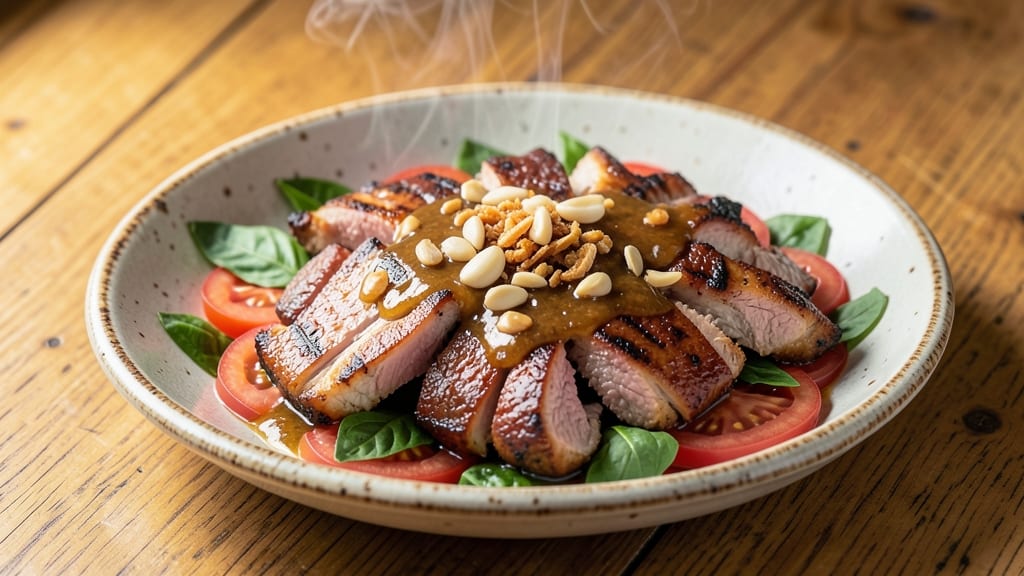
This babi pangang sauce recipe transforms simple dishes into bold, aromatic masterpieces with its perfect balance of smoky shrimp paste, tangy tamarind, and sweet-savory depth.
The sauce's signature complexity comes from fermented shrimp paste (bagoong), garlic, and vinegar, creating a flavor profile that's both intense and harmonious—ideal for marinades, dipping sauces, or finishing touches on grilled meats and seafood.
The secret to this sauce lies in its layered preparation: toasting garlic for nutty aroma, simmering shrimp paste until its umami richness melds with the tamarind's bright acidity, and balancing heat with just enough sweetness.
With 15 minutes of active time and a 30-minute rest, you'll achieve a sauce that's ready to elevate any dish without overpowering it.
What makes this sauce truly special is its versatility—it works as a marinade for chicken or fish, a dipping sauce for spring rolls, or a finishing glaze for grilled vegetables.
The smoky, slightly funky notes from the shrimp paste pair beautifully with the tamarind's tang, creating a sauce that's both restaurant-quality and easy to replicate at home.
Once made, this sauce keeps for up to 2 weeks in the refrigerator, allowing you to build a supply for future meals. The key to success is patience—letting the flavors meld during the simmering and resting stages ensures a sauce that's far more complex than its simple ingredients suggest.
Ingredients for babi pangang sauce
Ten ingredients blend umami, tang, and sweetness for this aromatic sauce masterpiece.
| Ingredient | Amount | Notes |
|---|---|---|
| Fermented Shrimp Paste (Bagoong) 🦐 | ½ cup | High-quality, aromatic variety |
| Garlic Cloves 🧄 | 8 whole | Fresh, peeled and lightly toasted |
| Tamarind Paste 🍈 | ⅓ cup | Unsweetened, block or paste form |
| Coconut Sugar 🌾 | ¼ cup | Or brown sugar for substitution |
| White Vinegar 🍶 | ¼ cup | Distilled or apple cider vinegar |
| Fish Sauce 🐟 | 2 tbsp | Red Boat brand preferred |
| Soy Sauce 🍶 | 2 tbsp | Light or dark, to taste |
| Extra-Virgin Olive Oil 🫒 | ¼ cup | For richness and balance |
| Fresh Chili Peppers 🌶️ | 2 whole | Bird's eye or Thai chilies |
| Shallots 🧅 | 3 whole | Minced, for aromatic depth |
The fermented shrimp paste (bagoong) is non-negotiable—it delivers the signature funk and depth. Look for Thai or Filipino markets for authentic varieties, or specialty Asian grocery stores. The Red Boat brand fish sauce is a must for balance, while coconut sugar adds caramel notes without overpowering. Tamarind paste should be block form for best texture; if using paste, ensure it's unsweetened. Toast the garlic until golden for nutty aroma—don't skip this step—as it forms the sauce's aromatic foundation. Fresh chilies can be adjusted to heat preference, but bird's eye chilies provide the authentic bite.
No tamarind paste? Lime juice plus a pinch of sugar mimics the tang, though the texture won't be identical. Substitute coconut sugar with brown sugar, but reduce by one-third to avoid heaviness. For a deeper umami kick, add 1 tbsp miso paste to the simmer. The shallots can be swapped for red onion, though they'll add sharper acidity. If using jarred shrimp paste, strain out any fish bones for a smoother sauce. The fish sauce and soy sauce can be reduced to 1 tbsp each if you prefer a lighter profile—just adjust with extra vinegar for balance.
This sauce peaks after 30 minutes of resting, so plan ahead. Store in an airtight jar in the fridge for up to 2 weeks, where flavors deepen over time. For long-term storage, freeze in ice cube trays—perfect for single-use portions. The sauce thickens as it cools, so thin with water or vinegar if needed. Reheat gently, as direct heat can intensify the funk. Double the batch—it disappears faster than you'd think, especially when paired with grilled meats or spring rolls.
Why You'll Love This Recipe
- I’ll be real: this sauce starts with ingredients you might already have—fermented shrimp paste, garlic, and tamarind—so no last-minute grocery runs. The bagoong’s funky depth and vinegar’s tang balance coconut sugar’s sweetness, turning a few staples into something unforgettable.
- Pantry Powerhouse: I’ll be real: this sauce starts with ingredients you might already have—fermented shrimp paste, garlic, and tamarind—so no last-minute grocery runs. The bagoong’s funky depth and vinegar’s tang balance coconut sugar’s sweetness, turning a few staples into something unforgettable.
- Umami Bomb: That first crack of garlic sizzling in the pan, then the bagoong melting into a rich, salty-savory paste? It’s the kind of flavor that makes you pause mid-bite. The tamarind adds a bright, tangy kick that cuts through the richness, leaving your taste buds happy.
- Weeknight Workhorse: Slather it on grilled pork, toss it with veggies for a quick stir-fry, or drizzle it over rice—this sauce doesn’t play favorites. Honestly, I’ve used it as a marinade, a dipping sauce, and even a glaze for roasted potatoes. It’s the kind of recipe that saves you when you’re staring at a fridge full of leftovers and no plan.
Step-by-step instructions for babi pangang sauce
Here's the method to craft a perfectly balanced sauce with umami depth and tamarind brightness.
Toast the Aromatics for Foundational Flavor
Heat the 0.25 cup extra-virgin olive oil in a heavy-bottomed saucepan over medium heat. Add the 3 whole minced shallots and cook for 2-3 minutes until soft and translucent, stirring constantly to prevent burning. Add the 8 whole peeled garlic cloves and 2 whole fresh chili peppers (seeds removed for less heat if desired), cooking for another 2-3 minutes until the garlic turns golden and fragrant.
This toasting step develops the aromatic base of the sauce. You'll know it's ready when the garlic releases its sweet, nutty aroma and the chilies soften slightly but remain vibrant. Remove the pan from heat immediately after to prevent the garlic from burning, which would create bitterness in your sauce.
Develop the Umami Base with Fermented Shrimp Paste
Return the pan to medium-low heat and add the 0.5 cup fermented shrimp paste (bagoong). Stir constantly for 3-4 minutes until the paste melts completely and the oil becomes infused with its deep, savory aroma. Be patient—this is where the sauce builds its signature umami complexity.
The shrimp paste should fully incorporate into the oil, creating a smooth, slightly oily paste with no visible chunks. If you notice any separation or unincorporated bits, reduce the heat slightly and continue stirring until fully emulsified. This step is critical for authentic flavor development.
Balance with Sweet and Tangy Components
Add the 0.25 cup coconut sugar and 0.33 cup tamarind paste, stirring constantly until the sugar dissolves completely. Increase heat to medium and pour in the 0.25 cup white vinegar and 2 tbsp fish sauce. Let the mixture simmer for 5-6 minutes until slightly thickened, stirring occasionally to prevent sticking.
This combination creates the signature sweet-sour balance. The tamarind paste should dissolve into a glossy, slightly sticky consistency. If the mixture appears too thick, add 1-2 tablespoons of water to achieve a smooth, pourable texture. Taste at this stage—you should detect layers of sweetness, tang, and umami.
Finish with Soy Sauce and Final Adjustments
Remove the pan from heat and stir in the 2 tbsp soy sauce. Return to low heat and let the sauce simmer gently for 2-3 minutes to allow all flavors to meld. Taste and adjust seasoning—add more fish sauce for saltiness, tamarind paste for tang, or coconut sugar for sweetness as needed.
The sauce should now have a glossy sheen and coat the back of a spoon. If it's too thin, simmer uncovered for another 1-2 minutes to reduce slightly. For a smoother texture, strain through a fine-mesh sieve to remove any remaining chili seeds or garlic bits. The final sauce should be vibrant, aromatic, and perfectly balanced between sweet, sour, umami, and slight heat.
Pro Tips For Making Babi Pangang Sauce
- Bloom the Bagoong First: Dump that fermented shrimp paste into a small bowl and mix it with 2 tablespoons of warm water before adding it to the pan—this softens the texture and prevents it from clumping into a single bitter glob. I learned this the hard way after serving a sauce with a single rock-hard bagoong lump in the middle.
- Toast Garlic Low and Slow: Cook your minced garlic at the lowest possible heat—just above a simmer—until it’s golden, not brown. Rushing it turns the sauce bitter, and you’ll end up tasting ash instead of sweet, nutty garlic. Use a wooden spoon to stir constantly; if it stops sizzling, you’re too hot.
- Dissolve Tamarind Properly: Don’t just toss in tamarind paste and hope for the best. Mix it with 3 tablespoons of warm water first, then strain out the pulp through a fine sieve into the sauce. This keeps the sauce silky smooth instead of grainy—no one wants to chew on tamarind fibers while eating their pork.
- Balance Vinegar Gradually: Start with half the vinegar called for, taste, then add the rest one teaspoon at a time. The sauce should be tangy but not pucker-inducing—vinegar’s job is to brighten, not overpower. I once dumped it all in and ended up with a sauce that could’ve been used as a cleaning agent.
Serving suggestions for this dish
Grilled Meats Masterpiece
This sauce is a game-changer for grilled babi pangang (Filipino-style pork), but it also elevates other meats like chicken thighs or ribeye steak. Brush it on generously before grilling and baste it during the last 5 minutes of cooking for maximum flavor infusion.
The smoky shrimp paste and tamarind create a perfect caramelized crust on the meat while keeping it juicy. 🔥
Spring Roll Dipper
Serve this sauce chilled as a dipping sauce for spring rolls, larb, or fresh spring roll wrappers filled with shrimp and herbs. The balance of sweet, sour, and umami makes it irresistible—especially when paired with crispy fried rolls.
I like to chill the sauce for 30 minutes before serving to let the flavors meld completely. For extra crunch, serve with toasted rice paper on the side.
Seafood Pairings
This sauce shines with grilled shrimp, squid, or whole fish. Drizzle it over the seafood during the last 2 minutes of grilling to prevent overcooking. The tamarind's acidity cuts through the richness of seafood beautifully.
For an extra touch, sprinkle with fresh cilantro and lime wedges right before serving. The sauce also works as a marinade for 1-2 hours before grilling.
Vegetable Glaze
Use this sauce as a glaze for grilled eggplant, bell peppers, or portobello mushrooms. Brush it on thickly and grill until caramelized. The sweetness of the coconut sugar and the tang of tamarind create a perfect balance with the smoky grill flavors.
Serve these grilled veggies as a side dish or as part of a vegetarian platter with rice or noodles.
Rice Bowl Upgrade
Add a spoonful of this sauce to your steamed jasmine rice or sticky rice bowls for instant depth. The umami from the shrimp paste and the tang from the tamarind elevate simple rice dishes into something extraordinary.
Top with fried eggs, sautéed greens, or crispy bacon for a hearty meal. The sauce also works as a dressing for cold rice salads when thinned with a splash of water.
Dipping Sauce Trio
Serve this sauce alongside fried rice, noodle dishes, or dim sum as part of a dipping sauce trio. Pair it with a peanut sauce and a sweet chili sauce for variety.
The contrast between the funky shrimp paste and the sweet-tangy balance makes it a crowd-pleaser. For an extra touch, garnish with crushed peanuts or sesame seeds before serving.
Nutrition facts
Frequently asked questions
Can I substitute tamarind paste if I can't find it?
Yes! Mix 3 tablespoons lime juice with 1 teaspoon sugar for a similar tangy flavor. For texture, add 1 teaspoon cornstarch to thicken slightly. The sauce won't be identical, but it'll still deliver bright acidity to balance the umami shrimp paste.
How do I adjust the heat level in this sauce?
Remove chili seeds for milder heat, or reduce the number of chilies to 1 whole pepper. For extra spice, add ½ teaspoon red pepper flakes or 1 teaspoon sambal oelek at the end. Always taste before serving—you can't remove heat once added!
Why does my sauce smell strong but taste bland?
This usually means the shrimp paste didn't fully incorporate or the sauce needs more simmering time. Increase heat slightly and stir vigorously for 2-3 extra minutes—the aromatics need time to develop. For flavor, add 1 extra tbsp fish sauce for saltiness or 1 extra tbsp soy sauce for depth.
Can I make this sauce without shrimp paste?
For a vegetarian version, replace the shrimp paste with ½ cup miso paste (white or red) plus 1 tbsp soy sauce for umami. Add 1 tsp nori flakes for oceanic notes. The sauce will taste different but still deliver rich, savory depth—just less funky character.
How long should I let the sauce rest before using?
Always rest for at least 30 minutes—this lets flavors meld completely. For best results, refrigerate overnight. The sauce will thicken slightly and develop deeper complexity. If you're short on time, chill for 15 minutes minimum before using.