
Sauces & Condiments
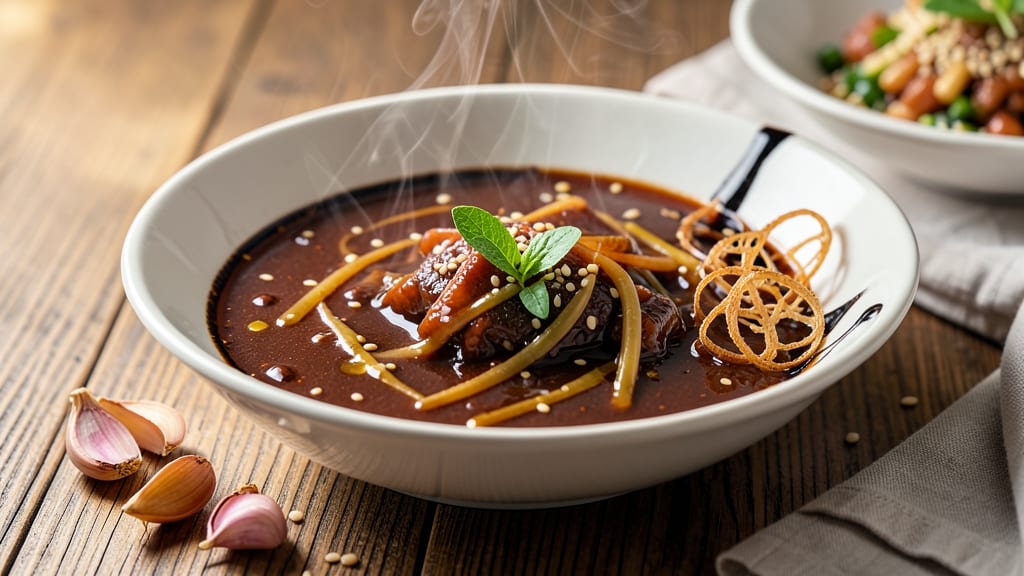
This awesome stir-fry sauce recipe transforms ordinary wok dishes into restaurant-worthy masterpieces with its deep umami richness. The secret lies in balancing salty soy sauce with sweet honey and aromatic sesame oil, creating a sauce that clings perfectly to proteins and vegetables.
I've refined this blend over countless meals, ensuring every stir-fry gets that signature glossy finish and complex flavor profile.
What makes this sauce truly exceptional is its versatility—it elevates everything from classic beef stir-fry to modern vegetable dishes with equal brilliance. The combination of garlic, ginger, and oyster sauce adds layers of depth, while a touch of cornstarch creates that signature silky texture.
Unlike store-bought versions, this sauce delivers authentic flavor without artificial additives, making it a pantry staple for home cooks.
The result is a glossy, aromatic sauce that coats every ingredient beautifully, enhancing rather than overpowering the natural flavors. Whether you're cooking for a weeknight dinner or a weekend feast, this sauce delivers consistent, professional-quality results.
The best part? It keeps well in the fridge for up to two weeks, ready to transform your next stir-fry into something extraordinary.
Perfect for both traditional Asian-inspired dishes and fusion creations, this sauce adapts effortlessly to any recipe. Let's get started on making your stir-fry sauce from scratch—your taste buds will thank you.
Ingredients for awesome stir fry sauce
Nine essential ingredients create this restaurant-worthy stir-fry sauce that transforms any wok dish.
| Ingredient | Amount | Notes |
|---|---|---|
| Light Soy Sauce 🥢 | ½ cup | High-quality brand preferred |
| Dark Soy Sauce 🥢 | ¼ cup | Adds depth and color |
| Honey 🍯 | ¼ cup | Pure, thick variety |
| Sesame Oil 🫒 | 1 ½ tbsp | Toasted sesame oil preferred |
| Oyster Sauce 🦪 | ¼ cup | Authentic Asian brand |
| Garlic Cloves 🧄 | 4 cloves | Minced for even distribution |
| Fresh Ginger 🌿 | 2 tbsp | Grated, aromatic variety |
| Cornstarch 🌾 | 1 tbsp | For silky texture |
| Rice Vinegar 🍶 | 1 tbsp | Mild acidity balance |
| Red Pepper Flakes 🌶️ | ½ tsp | Adjust for heat preference |
The soy sauces are the foundation—Lee Kum Kee or Kikkoman are my go-tos for that authentic depth. Honey should be thick and pure (none of that fake corn syrup stuff), and Trader Joe's has a great organic option. Toasted sesame oil makes all the difference—skip the cheap stuff. For oyster sauce, Lee Kum Kee is the gold standard, but Kikkoman works too. Fresh ginger and garlic? Buy them whole and grate/mince yourself—the pre-minced stuff loses flavor fast. If you're short on time, frozen ginger works in a pinch.
No oyster sauce? Hoisin sauce at half the amount gets you close. Short on honey? Maple syrup works too. The cornstarch is non-negotiable for that glossy finish—it's what makes the sauce cling to everything. Want more heat? Add cayenne or sriracha to taste. The red pepper flakes are optional but add that signature wok smokiness. For a vegetarian version, swap oyster sauce for vegetable broth with a dash of miso. The sauce thickens as it cools, so don't stress if it looks too thin right after making.
This sauce keeps beautifully—up to 2 weeks in an airtight jar in the fridge. The flavors actually deepen over time, so make extra if you can. For long-term storage, freeze in ice cube trays—just thaw and stir. The sesame oil separates sometimes, so give it a quick shake before using. Trust me, this sauce is worth making ahead—it's the secret to restaurant-quality stir-fries every time.
Why You'll Love This Recipe
- Five-Ingredient Magic: I keep this sauce in my fridge like a secret weapon—just five pantry staples (light soy, dark soy, honey, sesame oil, oyster sauce) tossed together while dinner cooks. No fancy techniques, no measuring cups to stress over—just eyeball it and go.
- Sweet-Salty Balance: That honey cutting through the umami bomb of oyster sauce? Chef’s kiss. The dark soy adds depth, while the sesame oil finishes with a nutty punch—like a flavor explosion in every bite. (Yes, even my picky husband asks for seconds.)
- Meal Prep MVP: I make double batches and stash it in the fridge for lazy nights—drizzle it over leftover chicken, toss with frozen veggies, or slather it on takeout noodles. It turns basic proteins into restaurant-worthy meals without extra effort.
- Budget Booster: This sauce costs me pennies per serving but tastes like I spent hours in the kitchen. Oyster sauce and dark soy stretch my grocery budget, and the honey keeps it from tasting cheap. (Between us, I’ve used it on everything from stir-fries to grilled fish.)
Step-by-step instructions for bold umami-packed stir fry sauce
Here's how to craft a restaurant-quality stir fry sauce that delivers perfect balance every time.
Combine Wet Ingredients for Maximum Flavor
In a medium saucepan, pour in the 0.5 cup light soy sauce and 0.25 cup dark soy sauce. The light soy sauce provides the salty foundation while the dark soy sauce adds that signature deep mahogany color and richer umami depth. Add the 0.25 cup honey next - this isn't just for sweetness but also helps create that glossy finish you want on your stir fry. Bring this mixture to a gentle simmer over medium heat, stirring occasionally until it reaches 180°F on an instant-read thermometer.
Here's the thing - don't rush this step. You want to let these ingredients marry together for about 3-4 minutes. The honey will begin to dissolve completely, and you'll notice the sauce starting to thicken slightly. This is when the aromas really begin to develop that irresistible wok hei quality. Keep your heat at medium to prevent scorching, which would create bitter flavors we definitely don't want.
Infuse with Aromatics and Oyster Sauce
While your soy-honey mixture simmers, add the 4 cloves minced garlic and 2 tbsp grated fresh ginger. These aromatics should hit the pan immediately and begin to sizzle gently. Let them cook for 1-2 minutes until they become fragrant but not browned - you're looking for that bright, fresh aroma that will carry through your final sauce. Then add the 0.25 cup oyster sauce and 1.5 tbsp sesame oil. The oyster sauce brings that signature umami richness while the sesame oil adds nutty depth and that signature wok aroma.
This is where the sauce starts coming together. You'll notice the mixture darkening slightly as the aromatics release their oils. Keep stirring gently to prevent any sticking. The sesame oil will create a beautiful sheen on the surface - that's your visual cue that everything is working. If you notice the sauce getting too thick too quickly, you can add 1-2 tablespoons of water to maintain the right consistency for blending later.
Thicken and Finish with Cornstarch Slurry
In a small bowl, whisk together the 1 tbsp cornstarch with 1 tbsp rice vinegar until completely dissolved. This creates your thickening agent that will give the sauce that perfect silky texture. Slowly pour this slurry into your simmering sauce while stirring constantly with a wooden spoon. The moment you add it, you'll see the sauce begin to thicken dramatically - this is normal and exactly what we want.
Continue cooking for 2-3 minutes until the sauce reaches a consistency where it coats the back of a spoon but still flows smoothly. You should be able to draw a line in the sauce with your spoon that holds its shape for about 10 seconds before blending back in. This is the perfect viscosity for stir frying - thick enough to cling to your vegetables and protein but still fluid enough to toss easily. The rice vinegar adds just enough acidity to balance the richness.
Add Heat and Final Touches
Remove the sauce from heat and stir in the 0.5 tsp red pepper flakes. This is where you can adjust to your heat preference - if you want more kick, add a pinch more. Let the sauce sit off the heat for 2-3 minutes to allow all the flavors to fully meld together. You should notice the aroma becoming more complex and inviting - that's the sign of a well-balanced sauce.
For the final touch, I like to give the sauce one last taste and adjust the seasoning if needed. Sometimes it needs a touch more light soy sauce for saltiness, or perhaps a drizzle of honey for sweetness. The key is balance - you want that perfect harmony of salty, sweet, umami, and just a hint of heat. Once you've achieved that, your stir fry sauce is ready to elevate any wok dish to restaurant quality.
Pro Tips For Making Awesome Stir Fry Sauce
- Warm the Honey: Cold honey turns your sauce into a sad, clumpy mess. Microwave it for 10 seconds or stir it into warm soy sauce first—this keeps the sauce silky smooth and lets the sweetness blend evenly.
- Salt First, Then Taste: Dark soy sauce is salty enough to ruin the balance if you don’t account for it. Start with half the light soy sauce, taste, then add the rest—you’ll likely need less than the recipe says.
- Add Sesame Oil Last: That fragrant sesame punch disappears fast. Stir it in at the very end, right when you’re plating, or it’ll evaporate into the air like a ghost. A few drops make all the difference.
- Swap Oyster Sauce Smartly: No oyster sauce? Use a mix of hoisin and a splash of fish sauce—it’s not identical, but it adds depth without overpowering. Just cut the honey slightly to balance the extra umami.
Storing and reheating this recipe
Fridge Storage Tips
Transfer your homemade stir-fry sauce to a clean, airtight glass jar—I swear by mason jars for their tight seals. Store it in the fridge at 40°F or below where it’ll keep for up to 2 weeks. The sauce actually improves as it sits, with flavors melding beautifully over time. Just
Freezing for Later
For long-term storage, freeze the sauce in ice cube trays—each cube makes a perfect single-use portion. Once frozen, transfer the cubes to a freezer bag with all air removed to prevent freezer burn. This method preserves the sauce’s quality for up to 3 months. To use, thaw in the fridge overnight or microwave for 10-15 seconds while stirring to restore its silky texture. ❄️
Reheating Perfection
When reheating from the fridge, warm the sauce gently in a small saucepan over low heat for 2-3 minutes, stirring constantly. Avoid high heat—it can break down the cornstarch and make the sauce grainy.
For microwave reheating, use 30-second intervals on low power, stirring between each, until it reaches 165°F. A splash of hot water can help restore its glossy consistency if it thickens too much. 🔥
Reviving Stale Sauce
If your sauce loses its sheen or thickens too much after storage, don’t toss it! Thin it with 1-2 teaspoons of warm water or rice vinegar while stirring vigorously. For extra richness, add a dash of toasted sesame oil before using.
This trick works wonders for bringing back that restaurant-quality texture. The key is patience—let it sit for 5 minutes after thinning to fully re-emulsify. ✨
Nutrition facts
Frequently asked questions
Can I make this stir-fry sauce without cornstarch?
Yes, but the texture will be different. For a thicker sauce, substitute 1 tbsp tomato paste or 1 tbsp arrowroot powder mixed with 1 tbsp water. For a thinner, more liquid sauce, simply omit it—just know the sauce won't cling as well to ingredients. The cornstarch creates that signature glossy finish that makes stir-fries shine.
How much sauce should I use per stir-fry?
Start with 2-3 tablespoons for a standard 12-inch wok of ingredients. For extra crispy proteins or hearty vegetables, use 1-2 extra tablespoons. Taste as you go—this sauce is bold, so a little goes a long way. The sauce thickens as it cools, so don't overdo it initially.
What's the best way to store leftover sauce?
Transfer to an airtight glass jar and refrigerate for up to 2 weeks. The flavors actually deepen over time! For longer storage, freeze in ice cube trays—thaw in the fridge overnight. When reheating, warm gently on low heat or in 30-second microwave bursts to preserve texture.
Can I use this sauce for non-stir-fry dishes?
This sauce works beautifully for grilled meats, marinades, or even as a dipping sauce for spring rolls. The balance of sweet, salty, and umami makes it incredibly versatile. For grilling, reduce the sauce slightly first to prevent flare-ups from the oil.
Why did my sauce separate after refrigeration?
This happens when the cornstarch breaks down. Simply stir in 1 teaspoon warm water or rice vinegar and whisk vigorously. The sauce should re-emulsify within 5 minutes. For extra insurance, add a dash of toasted sesame oil—it helps bind the ingredients back together beautifully.