
Sauces & Condiments
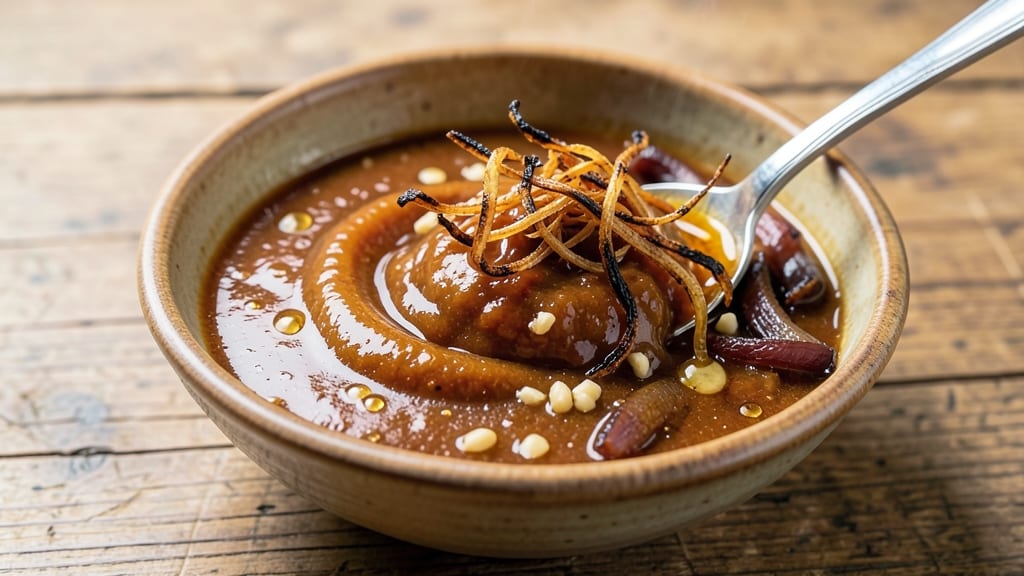
This Bachan's Japanese BBQ sauce copycat recipe delivers the same deep umami, sweet-spice balance that makes it a pantry staple. The secret lies in caramelizing onions and garlic until they're rich and golden, then blending them with soy sauce, mirin, and a touch of honey for that signature sweetness.
I've been perfecting this sauce for years, and it's become my go-to for glazing meats, marinating tofu, or drizzling over rice bowls.
The sauce builds flavor through a slow reduction process that concentrates those umami notes while maintaining perfect balance. You'll start with a sweet base from brown sugar and honey, then deepen it with soy sauce and a splash of mirin for that authentic Japanese tang.
The caramelized onions and garlic add complexity that makes this sauce stand out from generic BBQ options.
What you'll end up with is a glossy, aromatic sauce that's perfect for grilling, baking, or stir-frying. It has that signature sweet-spicy kick with layers of smoky depth that clings beautifully to proteins.
The sauce keeps well in the fridge for up to two weeks, making it perfect for meal prep and batch cooking.
Whether you're glazing ribs, basting chicken, or drizzling over sushi rolls, this copycat sauce delivers restaurant-quality results at home. The key is patience during the reduction—don't rush it. Let's get cooking!
Ingredients for bachan's japanese bbq sauce copycat
Sweet, smoky, and packed with umami—these ingredients make restaurant-quality sauce at home.
| Ingredient | Amount | Notes |
|---|---|---|
| Yellow Onions 🧅 | 2 whole | Medium to large size, thinly sliced |
| Garlic Cloves 🧄 | 6 cloves | Peeled, minced for caramelization |
| Brown Sugar 🍚 | ¾ cup | Light or dark variety works |
| Honey 🍯 | ½ cup | Pure clover honey preferred |
| Soy Sauce 🍶 | ½ cup | Japanese-style preferred |
| Mirin 🍶 | ¼ cup | Sweet cooking rice wine |
| Rice Vinegar 🍶 | ¼ cup | White or seasoned variety |
| Sesame Oil 🫒 | 1 tbsp | Toasted for nutty aroma |
| Ginger Root 🌿 | 1 tbsp | Freshly grated, for depth |
| Red Pepper Flakes 🌶️ | 1 tsp | Adjust for heat preference |
| Salt 🧂 | 1 tsp | Kosher or sea salt |
The onions and garlic are where all the magic happens. Yellow onions should be medium-sized for good balance—smaller ones burn faster. Costco sells them in bulk if you're making a big batch. For the garlic, fresh cloves are non-negotiable—jarred minced garlic just won't cut it. Caramelize them low and slow until they're deep golden. That's what gives Bachan's sauce its signature depth. If you're short on time, asparagus or fennel can add similar sweetness in a pinch, but nothing beats the real deal.
No mirin? Dry sherry plus 1 tsp sugar works in a bind. The rice vinegar adds that bright tang—seasoned vinegar if you want extra umami. Sesame oil is key for that nutty finish, but if you're avoiding it, toasted sesame seeds sprinkled at the end do the trick. The ginger can be skipped if you're sensitive to heat, but trust me, it adds layers. For the brown sugar, coconut sugar gives a slightly caramel-like depth. And if you're making this for a crowd, double the batch—it disappears fast.
This sauce gets better with time, so make it a day ahead if possible. Store in an airtight jar in the fridge for up to 2 weeks. The flavors meld beautifully overnight. For longer storage, freeze in ice cube trays—perfect for single-use portions. Want to keep it fresh longer? Pour a thin layer of olive oil on top before sealing. It's worth the extra minute.
Why You'll Love This Recipe
- Five-Ingredient Magic: I swear by this combo—just onions, garlic, brown sugar, honey, and soy sauce. No weird pantry searches or hard-to-find spices, just stuff you already have.
- Sweet-Savory Balance: That caramelized onion depth paired with the sticky honey-soy glaze? It’s the kind of flavor that makes you pause mid-bite. Honestly, I’ve used it on everything from grilled chicken to fries, and it works every time.
- Weeknight Workhorse: Between us, this is my go-to when I’m too tired to think. Toss it on burgers, drizzle it over rice bowls, or even use it as a quick marinade. It’s the kind of sauce that turns "meh" into "wow" without extra effort.
- Budget-Friendly Stretch: A single batch costs me pennies and lasts for weeks. I keep it in the fridge for last-minute drizzles or freeze portions for when I’m too lazy to cook. (Yes, even on a Tuesday night.)
Step-by-step instructions for Japanese BBQ sauce
This sauce delivers that iconic Bachan's depth—rich, smoky, and perfectly balanced.
Caramelize the Onions and Garlic
Heat a large saucepan over medium-low heat and add the 2 whole yellow onions, sliced thinly. Cook them undisturbed for 10-12 minutes until they turn a deep golden brown—this is where the sauce gets its sweet, caramelized foundation. Stir occasionally to prevent burning, but let those onions develop that rich color.
After 10 minutes, add the 6 cloves garlic cloves, minced, and cook for another 2-3 minutes until fragrant. The garlic should be golden but not browned—this ensures it adds flavor without bitterness. Here's the thing—don't rush this step. Proper caramelization builds the sauce's complexity, so patience pays off big time.
Add Brown Sugar and Honey
Increase the heat to medium and stir in the 0.75 cup brown sugar and 0.5 cup honey. Let the mixture simmer for 3-4 minutes until the sugar dissolves completely. You'll see the sauce start to thicken slightly and take on a glossy sheen—this is when the sweetness begins to meld with the caramelized onions and garlic.
I like to stir frequently during this stage to ensure everything combines evenly. If you notice the mixture sticking to the pan, add 1-2 tablespoons of water to help it release. The goal is a smooth, integrated base—no grainy sugar or clumpy honey. This is the sweet backbone of the sauce, so don't skip this step.
Build the Umami Base
Pour in the 0.5 cup soy sauce, 0.25 cup mirin, and 0.25 cup rice vinegar all at once. Stir well to combine, then increase the heat to medium-high and bring the mixture to a gentle boil. Let it simmer vigorously for 8-10 minutes until it reduces by about one-third—you'll see the sauce thicken and darken slightly.
This reduction step is critical. It intensifies the flavors and creates that signature sticky, glossy texture. You'll smell the deep umami notes developing as the alcohol from the mirin and vinegar cooks off. If the sauce starts to stick, add another 1-2 tablespoons of water to keep it moving. Don't walk away—this is when the magic happens.
Finish with Aromatics and Spices
Reduce the heat to low and stir in the 1 tbsp sesame oil, 1 tbsp grated ginger root, 1 tsp red pepper flakes, and 1 tsp salt. Let the sauce simmer gently for another 5 minutes, stirring occasionally. The sesame oil will add a nutty aroma, while the ginger and red pepper flakes bring warmth and a subtle kick.
Taste the sauce now—it should be sweet, tangy, and deeply savory with a hint of heat. If it needs more balance, adjust with a touch more honey for sweetness, rice vinegar for tang, or salt for depth. The sauce should coat the back of a spoon with a glossy finish. This is the moment that matters: where all the flavors come together in perfect harmony.
Simmer to Perfection
Return the heat to medium-low and let the sauce simmer uncovered for 15-20 minutes. This final reduction concentrates the flavors and achieves that signature sticky, glossy consistency. Stir occasionally to prevent sticking, and watch the sauce transform from a thick liquid to a rich, syrupy glaze.
You'll know it's ready when it coats a spoon smoothly and has a deep, glossy sheen. If it's still too thin, simmer uncovered for another 5 minutes. If it's too thick, whisk in 1 tablespoon of water to reach your desired consistency. Let it cool slightly before using—this allows the flavors to fully meld and the sauce to thicken further as it sits.
Pro Tips For Making Bachan'S Japanese Bbq Sauce Copycat
- CARAMELIZE ONIONS LOW: I used to rush this step, and the sauce ended up tasting raw and sharp. Simmer the onions on medium-low for 15–20 minutes until they’re deep golden—not brown, not burnt—just soft and jammy. That’s where the sweetness hides.
- MINCE GARLIC FINE: Skip the rough chop—this sauce demands tiny garlic pieces so they melt into silk. Use a knife or pulse in a food processor until it’s almost paste-like. Big chunks? You’ll taste them, and that’s not the point.
- STIR CONSTANTLY: The first time I walked away, the sauce seized up into a sticky mess. Keep it moving on medium-low heat, especially when the sugar hits. If it starts to darken too fast, pull it back—you’re aiming for glossy, not charred.
- BALANCE SWEETS FIRST: Taste after adding brown sugar and honey, then adjust soy sauce last. If it’s too cloying, a splash of water or rice vinegar cuts through. If it’s too salty, add a pinch more sweetness—this sauce needs harmony, not dominance.
Perfect pairings for this bachan's japanese bbq sauce copycat
Glazing Meats
This sauce is a game-changer for grilled proteins. Brush it on pork chops or salmon fillets during the last 5-7 minutes of cooking to create a caramelized crust.
I love using it on ribs—apply a thick layer after the first smoke phase and wrap in foil for 2 hours at 225°F. The sauce clings beautifully to chicken thighs, too—just baste them with sauce during the last 10 minutes on the grill. 🔥
Marinating Tofu
For plant-based dishes, marinate extra-firm tofu in this sauce for 30-45 minutes before pan-searing or baking. The umami depth enhances the tofu's natural flavor without overpowering it.
I recommend pressing the tofu first for 20 minutes to remove excess water, then cutting into cubes and tossing with 2 tablespoons of sauce. The sauce's sticky texture creates a perfect sear when cooked in a hot skillet.
Rice Bowl Elevator
Transform simple rice bowls into gourmet meals by drizzling this sauce over steamed jasmine rice or sushi rice. Pair it with grilled shrimp, teriyaki chicken, or quick-pickled veggies for a restaurant-quality dish.
I often add a sprinkle of toasted sesame seeds and thinly sliced scallions for extra texture. The sauce's balance of sweet and tang cuts through the richness of fried foods like tempura or karaage beautifully.
Dipping Sauce
Thin the sauce with 1-2 tablespoons of water to create a dipping sauce for spring rolls, edamame, or fresh mozzarella sticks. The sweet-spicy profile makes it a crowd-pleaser at parties. For extra depth, stir in 1 teaspoon of grated ginger right before serving.
I've even used it as a glaze for grilled pineapple slices—the caramelized onions add a surprising complexity to tropical flavors.
Pasta Pairing
Toss this sauce with udon noodles or ramen for an instant upgrade. Simmer 2 tablespoons of sauce with 1 cup hot noodles and a splash of chicken broth for 2-3 minutes.
The sauce's umami richness complements the noodles perfectly. I also drizzle it over garlic butter pasta with a sprinkle of Parmesan cheese for a fusion twist that always impresses guests. 💫
Breakfast Twist
Don't limit this sauce to savory dishes—it makes an unexpected breakfast star. Drizzle it over scrambled eggs or pancakes for a sweet-savory surprise. I love using it as a glaze for baked French toast—just brush it on before the final 2 minutes of cooking.
The caramelized onions add depth that pairs surprisingly well with maple syrup and whipped cream. For a protein boost, add crumbled bacon or sausage** on top.
Nutrition facts
Frequently asked questions
Can I substitute mirin in this Japanese BBQ sauce?
Yes! If you can't find mirin, mix ¼ cup dry sherry with 1 teaspoon sugar for a similar sweetness and depth. For a non-alcoholic option, use ¼ cup white grape juice plus ½ teaspoon sugar. The key is balancing the sweetness since mirin adds both flavor and slight acidity that helps cut through the richness.
How do I prevent the sauce from getting too thick?
If your sauce thickens too much during cooking, simply whisk in 1-2 tablespoons of water or rice vinegar to reach your desired consistency. For best results, reduce the heat slightly and stir continuously while adding liquid. The sauce will naturally thicken more as it cools, so it's better to err on the thinner side while hot.
What's the best way to store leftover sauce?
Store in an airtight container in the fridge for up to 2 weeks. For longer storage, freeze in ice cube trays—perfect for single-use portions. To preserve freshness, pour a thin layer of olive oil on top before sealing. The sauce actually improves with time as flavors meld, so making a big batch is worth it!
Can I use this sauce on non-meat dishes?
This versatile sauce works beautifully on tofu, vegetables, and even pasta. Try brushing it on baked potatoes, drizzling over rice bowls, or using it as a marinade for cauliflower steaks. The umami depth enhances plant-based proteins wonderfully—just reduce the amount slightly for vegetables to avoid overpowering their natural flavors.
Why did my sauce turn out too sweet?
If your sauce tastes overly sweet, balance it by adding 1-2 teaspoons of rice vinegar or soy sauce to introduce acidity and umami. For heat, stir in an extra ½ teaspoon of red pepper flakes. The sauce should have a harmonious balance of sweet, tangy, and savory notes—taste as you go and adjust gradually to avoid overcorrecting.