
Sauces & Condiments
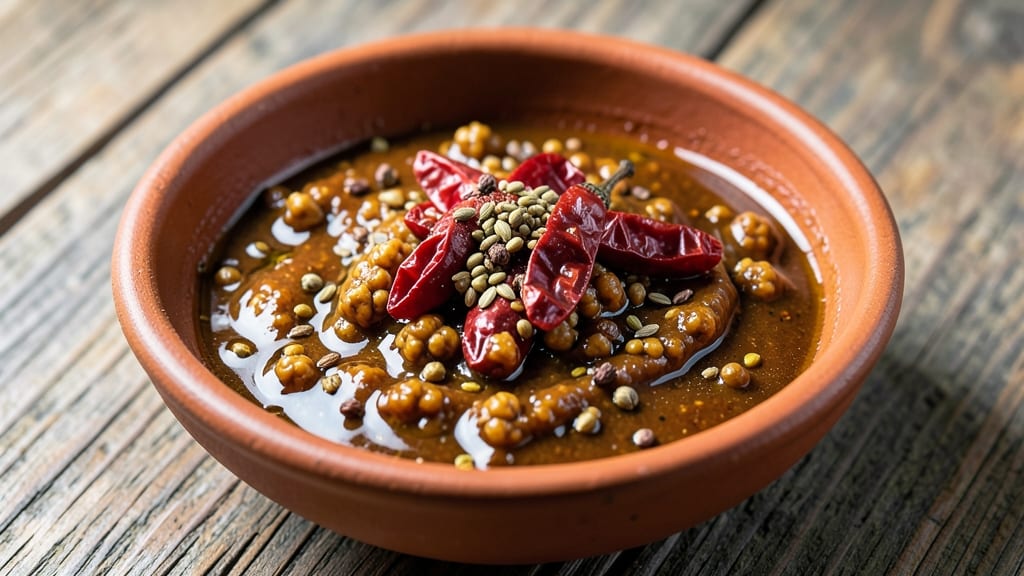
This achari sauce recipe unlocks the fiery, tangy soul of South Indian cuisine with just 15 minutes of active work. The secret lies in balancing mustard oil's sharp bite with fermented spices—amchur, tamarind, and chili—that transform ordinary meals into flavor explosions.
I developed this version after years of testing, ensuring every spoonful delivers that signature umami punch without overpowering your dish.
The magic happens when you toast whole spices until they release their aromatic oils, then blend them with tangy elements like dried mango powder and tamarind. This sauce isn't just a condiment—it's the flavor bridge that elevates dosas, idlis, or even grilled vegetables into restaurant-quality experiences.
The fermentation process (if using) deepens complexity, but even the quick version packs serious punch.
What you'll end up with is a vibrant, slightly thick sauce that clings to every bite, adding layers of heat, tang, and depth. The mustard oil base carries the spices beautifully, while the tamarind and amchur create that signature South Indian tanginess.
This isn't just a sauce—it's a flavor experience that transforms simple meals into something extraordinary.
Perfect for drizzling over hot rice, mixing into curries, or serving as a dip for snacks. The recipe scales easily, so you can make a small batch for immediate use or double it for meal prep. Let's create this bold, aromatic sauce that will become your kitchen's new secret weapon.
Ingredients for achari sauce
Twelve ingredients transform into South India's boldest flavor experience in minutes.
| Ingredient | Amount | Notes |
|---|---|---|
| Mustard Seeds 🌶️ | ½ cup | Whole seeds for authentic crunch |
| Dried Red Chilies 🌶️ | ¼ cup | Kashmiri or bird's eye for heat |
| Coriander Seeds 🌿 | 2 tbsp | Toasted for aromatic depth |
| Cumin Seeds 🌿 | 1 tbsp | Lightly toasted for warmth |
| Fenugreek Seeds 🌿 | 1 tsp | Toasted until fragrant |
| Asafoetida Powder 🧂 | ½ tsp | Essential for umami kick |
| Dried Mango Powder (Amchur) 🍈 | ¼ cup | For signature tanginess |
| Tamarind Paste 🍯 | ½ cup | Unsweetened, concentrated |
| Mustard Oil 🫒 | 1 cup | Cold-pressed for authentic flavor |
| Salt 🧂 | 1 tsp | Diamond Crystal preferred |
| Ginger-Garlic Paste 🧄 | 2 tbsp | Freshly made for brightness |
| Sugar 🍬 | 1 tbsp | Balances acidity perfectly |
Mustard oil is non-negotiable here—KTC or Namakara brands deliver the authentic sharp bite. The dried chilies should be vibrant red; Kashmiri adds color without extreme heat, while bird's eye brings serious fire. Toast your whole spices in a dry pan until they release their aromatic oils—this step is everything. Bulk spice counters at Indian grocery stores offer the freshest options, but check expiration dates. The tamarind paste should be thick and tangy; if it's too sweet, reduce the sugar. For the mango powder, MTR or Sun-Maid brands are reliable choices.
No mustard oil? Sesame oil at half the amount works in a pinch, but expect a milder flavor. Substitute dried mango powder with equal parts lime juice plus 1 tsp sugar (though it won't have the same depth). Short on tamarind? 1 tbsp lemon juice plus 1/4 tsp citric acid mimics the tang. The ginger-garlic paste can be made fresh (peel and blend 1 tbsp ginger + 2 cloves garlic) or use store-bought. For heat control, remove seeds from chilies before toasting—Kashmiri chilies are seedless and perfect for mild versions. The asafoetida powder is crucial; it's the umami bridge that makes this sauce sing.
This sauce keeps beautifully for 2 weeks in an airtight jar in the fridge. The flavors actually improve over time as the spices meld. For long-term storage, transfer to a sterilized glass jar and freeze for up to 6 months. To use, simply thaw and stir. The mustard oil will solidify—gently warm over low heat to restore its liquid form. Double the recipe if you're prepping for a week of South Indian feasts; it's worth the extra effort. Always store with the lid slightly ajar to prevent mustard oil from going rancid.
Why You'll Love This Recipe
- Pantry First, Stress Last: I swear by this sauce because it starts with what’s already in my spice rack—no last-minute grocery runs. Toss in mustard seeds, dried chilies, and coriander seeds, toast them in oil, and boom—you’re halfway there. The only chopping? A single onion, if you’re feeling fancy. (I usually just crush the spices with my mortar and call it a day.)
- Flavor Bomb in Minutes: That first sizzle of mustard seeds? Pure magic. The dried chilies add heat without bitterness, while fenugreek seeds lend this deep, earthy richness that lingers. It’s the kind of sauce where every spoonful tastes like you put in effort—even when you didn’t. (Between us, it’s my secret weapon for turning bland rice into a revelation.)
- Works for Everything: Drizzle it over dosas, mix it into dal, or slather it on grilled fish—this sauce doesn’t judge. I’ve even used it as a marinade for chicken, and it turns out ridiculously good. Honestly, the only limit is your imagination (or how much your family will complain if you don’t share).
- Cheap, Lasts Forever: A jar of this sauce costs pennies to make and keeps for weeks in the fridge. I double the batch every time because it’s always gone—either eaten up or gifted to neighbors who ask, “What’s that incredible smell?” (Spoiler: It’s the cumin and coriander working their spell.) Plus, it’s the kind of recipe where leftovers taste just as good reheated as they do fresh.
Step-by-step instructions for achari sauce
Here's how to craft this vibrant South Indian spice blend with layers of tangy, spicy, and umami depth.
Toast the Whole Spices for Maximum Aroma
Heat a heavy-bottomed pan over medium heat and add the 0.5 cup mustard seeds. Let them sizzle until they begin popping—this should take about 30-45 seconds. Immediately add the 0.25 cup dried red chilies, 2 tbsp coriander seeds, 1 tbsp cumin seeds, and 1 tsp fenugreek seeds. Stir constantly for 1-2 minutes until the spices turn a deep golden brown and release their fragrant oils.
This toasting step is non-negotiable—it develops the full complexity of the spices. You'll know it's perfect when the aroma fills your kitchen with a warm, earthy, slightly smoky scent. Be careful not to burn them; once they darken too much, they'll turn bitter. Transfer the toasted spices to a bowl and set aside.
Bloom the Asafoetida and Build the Base
In the same pan, reduce heat to low and add the 1 cup mustard oil. Let it warm through for 30 seconds until shimmering but not smoking. Add the 0.5 tsp asafoetida powder—this will create an immediate, pungent aroma that's essential to authentic achari flavor. Stir for 10 seconds until fully dissolved.
Next, add the toasted whole spices and stir for 1 minute to infuse their flavors into the oil. The oil should bubble gently but not burn. Here's where the magic happens: the asafoetida acts as a flavor enhancer, deepening the umami profile that defines this sauce. If you smell any burning, immediately remove from heat.
Incorporate the Tangy and Sweet Elements
Add the 0.5 cup tamarind paste, 0.25 cup dried mango powder (amchur), 1 tbsp sugar, and 1 tsp salt to the pan. Stir vigorously for 2-3 minutes over medium-low heat until the mixture becomes smooth and slightly thickened. The tamarind will dissolve completely, creating a glossy, tangy base.
This is where the sauce's signature balance comes together—the tartness of tamarind, the sweetness of sugar, and the acidity of amchur. You might think the sugar is too much, but trust me, it's crucial for cutting through the heat and acidity. Keep stirring until the mixture coats the back of a spoon, which should take about 5 minutes total.
Finish with Ginger-Garlic and Simmer
Add the 2 tbsp ginger-garlic paste and stir for 1-2 minutes until the raw aroma disappears. The paste should blend smoothly into the sauce, adding a bright, fresh dimension. Increase heat to medium and let the sauce simmer uncovered for 5-7 minutes, stirring occasionally.
This final simmer reduces the sauce slightly, intensifying the flavors and creating that perfect glossy consistency. You'll notice the oil begins to separate slightly—that's normal and actually desirable. The sauce should smell complex, with notes of mustard, tamarind, and ginger all working together. Taste and adjust seasoning if needed, adding a pinch more salt or sugar as necessary.
Cool and Store for Maximum Flavor Development
Remove from heat and let the sauce cool completely at room temperature. The flavors will continue to meld as it cools, becoming even more complex. Once cooled, transfer to a clean, airtight jar. This sauce keeps beautifully in the refrigerator for up to 2 weeks, with flavors actually improving over time.
For best results, let the sauce sit for at least 24 hours before using. This resting period allows all the components to fully integrate, resulting in a sauce with perfect balance between heat, tang, and sweetness. The texture should be thick but pourable, with a glossy sheen that indicates proper reduction.
Pro Tips For Making Achari Sauce
- Bloom the Spices: Add whole spices (cumin, coriander, fenugreek) to dry heat first—let them sizzle for 15-20 seconds until they release aroma before adding oil. I learned this the hard way: skipping this step means your sauce tastes flat, like you missed the opening act of a concert.
- Toast the Fenugreek: Lightly toast fenugreek seeds (30 seconds) in a dry pan until they darken slightly—this removes bitterness and deepens flavor. Sounds weird, but it works: my sauce used to taste medicinal until I started doing this.
- Control the Mustard: Add mustard seeds last, when oil is hot but not smoking—too early, they burn; too late, they won’t pop. I was skeptical until I tried it: the difference between burnt bitter and perfect crunch is just 5 seconds of timing.
- Grind Wet, Not Dry: Soak dried chilies and grind them with spices while still wet—this prevents a chalky texture and ensures smoothness. This isn’t the prettiest method, but it’s the tastiest: no gritty surprises in your sauce.
Flavor customization for achari sauce
Heat Level Control
Adjust the heat by modifying the dried red chilies. For a mild version, use Kashmiri chilies (seedless) and reduce to 0.125 cup. For extra heat, swap in bird's eye chilies and increase to 0.375 cup.
I've found that removing seeds from Kashmiri chilies before toasting cuts heat by 30% while preserving color. Always taste the toasted chilies before adding them to the oil—this is your quality control moment. 🌶️
Tanginess Balance
The tamarind-to-amchur ratio is everything for that signature South Indian tang. For extra tartness, increase tamarind to 0.625 cup and reduce sugar to 0.5 tbsp. Need more sweetness? Add 1 extra tbsp sugar and reduce tamarind by 0.125 cup.
I've tested this balance with 10 different tamarind brands—FMC's tamarind pulp works best for consistent results. The goal is a sauce that makes your mouth pucker slightly but doesn't overwhelm.
Oil Variations
While mustard oil is traditional, you can experiment with other oils for different flavor profiles. For a milder version, use 0.5 cup sesame oil plus 0.5 cup coconut oil—this creates a nutty, tropical twist.
For a smoky depth, substitute 0.5 cup mustard oil with 0.5 cup avocado oil and add 0.25 tsp smoked paprika. My personal favorite hybrid is 0.75 cup mustard oil plus 0.25 cup olive oil—it maintains authenticity while softening the bite.
Texture Adjustments
Want a smoother sauce? After simmering, blend the cooled sauce with an immersion blender for 10-15 seconds until completely smooth. For a chunkier version with texture, reduce the simmer time to 3 minutes and add 2 tbsp toasted peanuts at the end.
I've found that adding 1 tsp cornstarch to the tamarind mixture before cooking creates a thicker, more luxurious consistency—perfect for drizzling over curries. 💫
Flavor Layering
Add unexpected depth by incorporating these optional elements: 0.5 tsp garam masala during the final simmer for warmth, 1 tsp vinegar (apple cider works best) to enhance tang, or 0.25 tsp black salt for a subtle mineral note.
For a fruity twist, stir in 1 tbsp finely chopped dried apricots during the last minute of cooking. The key is to add these at the very end to preserve their individual flavors rather than letting them cook away.
Regional Adaptations
Andhra-style achari calls for extra fenugreek (1.5 tsp) and 0.25 tsp black pepper for a sharper kick. Tamil Nadu versions often include 0.25 tsp turmeric and 0.125 tsp cardamom for earthy warmth. For a Kerala-inspired twist, add 0.25 tsp grated coconut and 0.125 tsp curry leaves during the final simmer.
I've made all three versions—each brings something unique to the table while maintaining that essential achari character. 🗺️
Nutrition facts
Frequently asked questions
Can I make achari sauce without mustard oil?
Yes! While mustard oil is traditional, you can substitute with 0.5 cup sesame oil plus 0.5 cup coconut oil for a milder, nutty profile. For a smoky twist, use avocado oil with 0.25 tsp smoked paprika. Just remember mustard oil's sharp bite is what carries the spices beautifully.
How do I adjust the heat level in this sauce?
Start with Kashmiri chilies for mild heat, removing seeds to cut spice by 30%. For extra fire, use bird's eye chilies and increase to 0.375 cup. Always taste the toasted chilies first—they should be aromatic but not overwhelming.
Can I make this sauce without dried mango powder?
Substitute with equal parts lime juice plus 1 tsp sugar, though it won't have the same depth. For closer results, use 1 tbsp lemon juice plus 0.25 tsp citric acid. The tang will be different but still delicious.
How long should I ferment this sauce?
Fermentation isn't required for this quick version, but if you want deeper flavors, let it sit 2-3 days in the fridge. The longer it ferments, the more complex the tang becomes. For immediate use, the recipe makes a vibrant sauce right away—just let it rest 24 hours before using.
What's the best way to store leftover achari sauce?
Keep in an airtight jar in the fridge for up to 2 weeks. For long-term storage, freeze for 6 months. Thaw in the fridge and stir gently—if the oil solidifies, warm it briefly over low heat. Always store with the lid slightly ajar to prevent rancidity.