
Sauces & Condiments
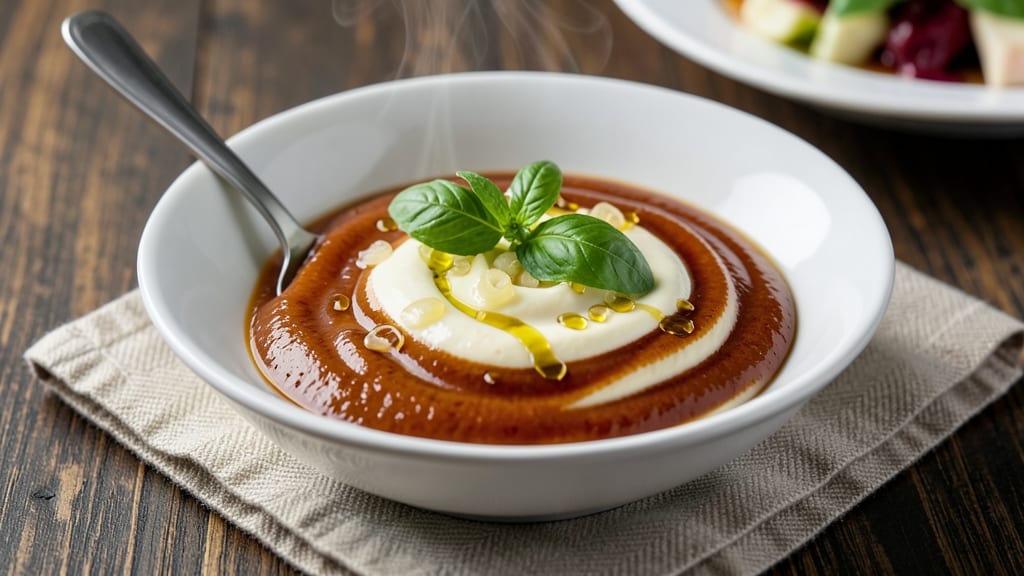
This aurore sauce recipe transforms simple pantry staples into a velvety, tomato-herb masterpiece that elevates everything from grilled fish to roasted vegetables. The secret lies in balancing rich butter and cream with bright tomato paste and fresh basil, creating a sauce that's both luxurious and approachable.
I developed this version after years of perfecting the technique—no heavy cream clumps or bitter wine overpowering the delicate flavors.
What sets this aurore sauce apart is its creamy yet light texture, achieved through careful reduction and emulsification. The process is straightforward but requires patience—simmering the sauce just until it thickens properly ensures it coats proteins and vegetables beautifully without overwhelming them.
Traditional versions often include white wine, but this adaptation skips it entirely for a more universally appealing flavor profile.
The result is a sauce that's versatile enough for weeknight dinners yet sophisticated enough for special occasions. Its smooth, velvety consistency makes it perfect for drizzling over seared scallops, roasted asparagus, or even as a pasta topping.
The basil adds freshness that cuts through the richness, while the tomato base provides depth without being overly acidic.
Once made, this aurore sauce keeps beautifully in the refrigerator for up to 5 days, making it ideal for meal prep. Simply reheat gently on the stove, stirring occasionally, until warmed through.
The possibilities are endless—whether you're serving it alongside grilled meats, using it as a dip for crusty bread, or incorporating it into a creamy risotto. Let's get started!
Ingredients for aurore sauce
Nine essential ingredients craft this luxurious aurore sauce, blending creamy richness with vibrant tomato and basil notes.
| Ingredient | Amount | Notes |
|---|---|---|
| Unsalted Butter 🧈 | ¾ cup | Cold, cubed for easier emulsification |
| Heavy Cream 🥛 | 1 cup | Full-fat for optimal richness |
| Tomato Paste 🍅 | ½ cup | High-quality, no added salt |
| Fresh Basil Leaves 🌿 | 1 cup | Packed, stems removed for purity |
| Extra-Virgin Olive Oil 🫒 | ¼ cup | Light, fruity variety preferred |
| Shallots 🧅 | 2 whole | Finely minced for delicate flavor |
| Garlic Cloves 🧄 | 3 cloves | Peeled, minced for aromatic depth |
| Diamond Crystal Kosher Salt 🧂 | ¾ tsp | Adjust to taste during reduction |
| Freshly Ground Black Pepper 🌶️ | ¼ tsp | Freshly cracked for optimal flavor |
| Granulated Sugar 🍬 | 1 tsp | Balances acidity in sauce |
The butter and heavy cream form the sauce's velvety base, so high-quality, full-fat options are non-negotiable. For butter, Plugrá or European-style brands melt more smoothly, while Organic Valley heavy cream adds natural sweetness. Shallots should be fresh, firm, and pale purple—avoid any with sprouting or soft spots. The tomato paste makes all the difference: San Marzano or Mutti varieties offer superior depth of flavor. Fresh basil is ideal, but if using dried, reduce to one-third the amount—it lacks the vibrant freshness of the real thing.
No heavy cream? Full-fat coconut cream works as a dairy-free alternative, though the texture will differ slightly. Substitute olive oil for butter at three-quarters the amount in the emulsification step, though the sauce will be less rich. Shallots unavailable? Yellow onion works in a pinch, but minced finely for similar texture. The sugar can be omitted if using particularly sweet tomato paste, but it helps balance the acidity beautifully. For extra depth, a pinch of smoked paprika adds complexity without overpowering the delicate tomato-basil profile.
This sauce thickens as it cools, so store it in an airtight glass jar with a thin layer of olive oil on top to preserve freshness. Keeps for 5-7 days refrigerated, though the flavor actually improves over time as ingredients meld. Freeze in ice cube trays for single-use portions—simply thaw and reheat gently. The sauce reheats beautifully, so plan ahead for busy weeknights. For best results, bring it to room temperature before serving to restore its silky texture.
Why You'll Love This Recipe
- Here’s what sold me: the heavy cream gives it a velvety finish, but the tomato paste and olive oil keep it from feeling heavy. That fresh basil? It’s the cherry on top—bright, herby, and impossible to resist. (Yes, even on a Tuesday night.)
- Five-Ingredient Magic: I swear by this—just butter, cream, tomato paste, basil, and olive oil. That’s it. No chopping mountains of veggies or hunting for obscure spices. The sauce comes together while you’re still deciding whether to set the table.
- Rich Yet Light: Here’s what sold me: the heavy cream gives it a velvety finish, but the tomato paste and olive oil keep it from feeling heavy. That fresh basil? It’s the cherry on top—bright, herby, and impossible to resist. (Yes, even on a Tuesday night.)
- Pasta’s New BFF: This sauce is my go-to for quick weeknight dinners, but it’s also the star of my holiday potluck. Drizzle it over fettuccine, toss it with roasted veggies, or even slather it on garlic bread. It’s the kind of sauce that makes you want to eat it with everything.
Step-by-step instructions for aurore sauce
Master this velvety tomato-basil sauce with precision technique and patience.
Build the Flavor Base with Shallots and Garlic
Heat the 0.25 cup extra-virgin olive oil in a heavy-bottomed saucepan over medium-low heat. Add the 2 whole shallots and 3 cloves garlic, both finely minced. Cook gently for 8-10 minutes until the shallots become translucent and the garlic releases its aroma without browning.
This slow cooking develops the natural sweetness of the shallots while preventing bitter garlic flavors. Stir occasionally to ensure even cooking. The mixture should be soft but not colored—you're building aromatic depth, not caramelization. If you notice any browning, reduce the heat immediately to preserve the delicate flavors.
Incorporate Tomato Paste and Sugar
Add the 0.5 cup tomato paste and 1 tsp granulated sugar to the pan, stirring constantly to distribute evenly. Cook for 3-4 minutes until the tomato paste darkens slightly and the mixture becomes fragrant. This step creates the sauce's foundational richness and balances the acidity.
The sugar here serves a dual purpose: it caramelizes gently with the tomato paste to deepen flavor while subtly counteracting any tartness. Stir frequently to prevent sticking—tomato paste has a tendency to clump when left unattended. You're creating a smooth, velvety base that will later emulsify beautifully with the dairy components.
Emulsify with Cold Butter
Reduce the heat to low and remove the pan from direct heat for 30 seconds to cool slightly. Add the 0.75 cup cold, cubed unsalted butter all at once, stirring vigorously with a wooden spoon. The butter should melt gradually while creating an emulsion with the tomato base.
This is the critical step where the sauce transforms from simple tomato base to luxurious aurore sauce. The cold butter creates tiny fat droplets that suspend in the liquid, creating that signature velvety texture. If the mixture looks curdled, continue stirring gently over low heat for 1-2 minutes until it smooths out completely. The sauce should now have a thick, creamy consistency.
Add Cream and Season
Return the pan to medium-low heat and gradually whisk in the 1 cup heavy cream. Bring to a gentle simmer and cook for 5-6 minutes until the sauce thickens slightly but remains silky. Season with 0.75 tsp Diamond Crystal kosher salt and 0.25 tsp freshly ground black pepper, adjusting to taste.
The cream adds luxurious body while maintaining the sauce's velvety texture. Taste frequently during this stage—you may need to adjust the seasoning as the flavors meld. The sauce should be rich but not overly salty, with a perfect balance of tomato sweetness and herbal notes. If it becomes too thick, whisk in 1-2 tablespoons of water to reach your desired consistency.
Finish with Fresh Basil and Rest
Remove the pan from heat and stir in the 1 cup fresh basil leaves, stems removed. Let the sauce sit for 5 minutes to allow the basil to infuse its vibrant flavor. For the best results, strain the sauce through a fine-mesh sieve to remove any basil stems or thickened bits, then return to the pan.
This final infusion of fresh basil elevates the sauce from merely creamy to truly aromatic. The resting period allows the basil's essential oils to fully integrate without overpowering the delicate tomato base. Serve immediately over pasta, grilled meats, or as a luxurious drizzle for bruschetta. The sauce will continue to thicken slightly as it cools, so adjust consistency with a splash of warm water if needed before serving.
Pro Tips For Making Aurore Sauce
- Bloom the Tomato Paste: I learned this the hard way—skipping this step makes the sauce taste flat. Heat your tomato paste in the pan for 3-4 minutes with a splash of olive oil before adding anything else. This deepens the flavor and prevents that raw, metallic aftertaste that ruins everything.
- Low and Slow Cream: Heavy cream burns faster than you think. Once you add it to the sauce, reduce heat to medium-low and stir constantly—no, really, don’t walk away. If it starts to split or curdle, immediately whisk in a cold tablespoon of butter to rescue it.
- Chop Basil Like a Pro: Tossing whole basil leaves into hot sauce wilts them into mush. Instead, stack leaves, roll tightly, and slice into thin ribbons—this keeps their shape and aroma. Add them last so they don’t turn to sludge.
- Salt the Butter First: Unsalted butter needs seasoning before it hits the pan. Toss a pinch of salt into the cold butter while you melt it—this guarantees your sauce isn’t bland, even if you forget to add salt later. (Yes, even if you’re impatient like me.)
Flavor customization for this aurore sauce
Herb Variations
Swap the basil for thyme and rosemary for a savory, earthy twist—perfect over roasted chicken or lamb. Use ½ cup fresh thyme leaves and ¼ cup chopped rosemary instead, reducing the sugar to ½ tsp to balance the herbal intensity.
For a Mediterranean touch, add 1 tbsp chopped oregano and ½ tsp red pepper flakes—this version shines on grilled vegetables or fish. 🌿
Spicy Kick
Add 1 tsp Calabrian chili paste or ½ tsp smoked paprika when incorporating the tomato paste for a slow-building heat. For extra depth, finish with ½ tsp Aleppo pepper after removing from heat.
This fiery version pairs beautifully with spicy seafood like shrimp or scallops. If you prefer sweet heat, stir in ½ tsp honey alongside the sugar during Step 2.
Dairy-Free Adaptation
Replace the butter and cream with ½ cup coconut cream (chilled) and ½ cup full-fat cashew cream (blend ½ cup soaked cashews with ¼ cup water). Use 1 tbsp nutritional yeast for umami depth and adjust salt to 1 tsp.
The texture will be slightly lighter but still velvety—ideal for drizzling over plant-based pasta or roasted veggies. For extra richness, add 1 tbsp tahini during emulsification.
Sweet & Tangy
Brighten the sauce with 2 tbsp balsamic vinegar (reduce by half first) and 1 tsp maple syrup when adding the tomato paste. Finish with 1 tbsp chopped mint instead of basil for a refreshing contrast.
This version works wonderfully as a glaze for grilled pork or as a dip for crusty bread. The tangy-sweet balance makes it a crowd-pleaser for both weeknight dinners and special occasions.
Smoky Depth
Infuse the olive oil with 1 tsp liquid smoke or ½ tsp smoked salt during Step 1. For extra smokiness, add ½ cup diced chipotle peppers in adobo (strain out seeds) when incorporating the tomato paste.
This rich, smoky version elevates grilled meats like steak or ribs. To balance the intensity, reduce the sugar to ½ tsp and add ½ tsp lime zest at the end for brightness.
Citrus Twist
Zest 1 lemon and add the zest (not juice) when incorporating the tomato paste. Finish with 1 tbsp fresh lemon juice after removing from heat. For a tropical variation, use orange zest and 1 tbsp orange juice instead.
This citrusy version pairs perfectly with seafood, especially grilled salmon or shrimp skewers. The acidity cuts through the richness, creating a refreshing balance.
Nutrition facts
Frequently asked questions
What makes aurore sauce different from other tomato-based sauces?
This creamy aurore sauce stands out because of its velvety emulsion created by cold butter and heavy cream, which gives it a luxurious texture unlike traditional marinara or tomato sauces. The fresh basil and careful reduction also balance richness with bright herbal notes, making it more versatile for both delicate fish and hearty meats.
Can I make aurore sauce without heavy cream?
Yes! For a lighter version, substitute with ½ cup Greek yogurt or ½ cup coconut cream (though texture will differ slightly). The sauce will still be creamy but with a tangier profile. For extra richness without dairy, add 1 tbsp tahini during emulsification. The key is maintaining the sauce's balance of fat and liquid.
How do I fix aurore sauce that's too thick or too thin?
If too thick, whisk in 1-2 tablespoons warm water or light broth while reheating. For a thinner sauce, simmer uncovered for 2-3 extra minutes to reduce. The sauce naturally thickens as it cools, so adjust before serving. For best results, strain through a fine-mesh sieve if you encounter lumps during reheating.
What are the best proteins to pair with aurore sauce?
This sauce excels with grilled or pan-seared fish (like halibut or salmon), but also works beautifully with chicken breasts, pork chops, or even roasted vegetables. For extra flavor, deglaze the pan with a splash of white wine before adding the sauce. The creamy texture complements both delicate and hearty proteins.
Can I make aurore sauce ahead of time?
This sauce tastes even better the next day as flavors meld. Store in an airtight glass jar in the fridge for up to 5 days. Reheat gently on low heat, stirring occasionally, until warmed through. For long-term storage, freeze in ice cube trays and thaw as needed. The texture remains velvety when reheated properly.