
Sauces & Condiments
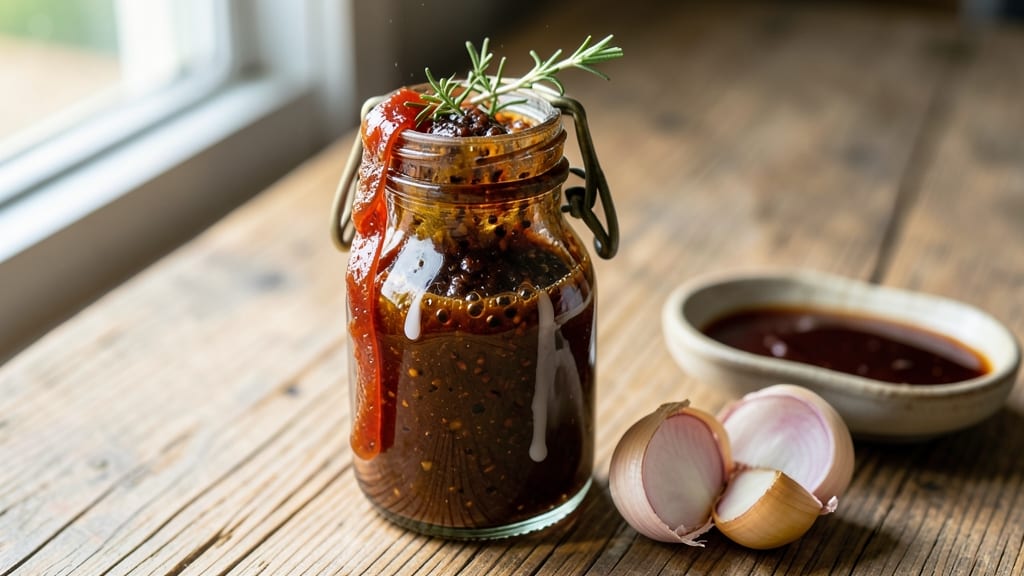
This authentic Worcestershire sauce transforms ordinary dishes into something extraordinary with its complex, fermented umami depth. 🌟 The secret lies in carefully balanced ingredients—anchovies, tamarind, molasses, and spices—that work together over time to create that signature tangy, savory depth you can't find in store-bought versions.
Unlike commercial sauces, this recipe captures the traditional fermentation process that builds rich, layered flavor.
The foundation of authentic Worcestershire sauce begins with fermented anchovies, which provide that unmistakable umami backbone, while tamarind adds a bright, citrusy tang. Molasses contributes depth, and a blend of spices—like cloves, black pepper, and ginger—enhances complexity.
The sauce must age for at least three months to develop its full character, though patience pays off in every drop.
What you’ll end up with is a condiment base so versatile it elevates everything from steak sauces to marinades, adding a sophisticated depth to any dish. The fermentation process ensures a smooth, well-rounded flavor that’s far more nuanced than anything you’d find in a bottle.
Once bottled, it keeps for years, making it a pantry staple worth the effort.
Perfect for cooks who demand authenticity—this isn’t just a sauce, it’s a flavor experience. Let’s get started on creating your own bottle of umami magic.
Ingredients for authentic worcestershire sauce
Eleven ingredients, months of patience—this is your ticket to restaurant-quality Worcestershire sauce at home.
| Ingredient | Amount | Notes |
|---|---|---|
| Fermented Anchovy Fillets 🐟 | 1 cup | High-quality, salt-packed fillets |
| Tamarind Paste 🍯 | ½ cup | Unadulterated, block form preferred |
| Molasses 🍯 | ½ cup | Unsulphured, dark variety |
| White Vinegar 🍶 | 1 cup | Distilled, 5% acidity |
| Shallots 🧅 | ½ cup | Minced, finely chopped |
| Garlic Cloves 🧄 | 6 cloves | Peeled, crushed |
| Cloves 🌶️ | 4 whole | Whole, lightly crushed |
| Ground Black Peppercorns 🌶️ | 1 tsp | Freshly cracked preferred |
| Ground Ginger 🌿 | 1 tsp | Freshly grated preferred |
| Cayenne Pepper 🔥 | ½ tsp | Adjust to taste |
| Salt 🧂 | 1 tbsp | Diamond Crystal kosher |
| Distilled Water 💧 | 1 cup | For dilution |
The anchovies are non-negotiable—they bring that deep, fermented umami that store-bought versions can't replicate. Look for salt-packed fillets at specialty stores like World Market or online retailers like Amazon Fresh. Avoid canned anchovies—they won't ferment properly. Tamarind paste should be thick and sticky; block form from Latin markets is ideal. The molasses needs to be unsulphured—check the label. For the spices, Penzeys Spices or local bulk bins offer the freshest, most potent options. If you can't find whole cloves, lightly crush them yourself—they release more flavor than pre-ground powder.
No tamarind paste? Lime juice plus a touch of sugar mimics the tang, though it won't ferment the same way. Short on anchovies? Mushroom powder or soy sauce adds umami depth, but expect a different profile. The vinegar should be distilled—other types can introduce unwanted flavors. For the shallots, substitute with 0.25 cup finely chopped red onion, but they won't be as sweet. The cayenne is optional—skip it if you prefer a milder sauce. If you're in a rush, you can use store-bought Worcestershire sauce as a base, but the fermentation process is what truly transforms this into something extraordinary.
This sauce needs time—at least 3 months for fermentation, though 6 months yields even deeper flavor. Store it in a clean, sterilized glass bottle with an airtight seal in a cool, dark place. Once opened, it keeps indefinitely if properly preserved. The fermentation process is what creates that signature complexity, so don't rush it. If you're impatient, you can use the sauce after 2 weeks, but it won't have the same depth. For best results, age it for 6 months—trust me, the wait is worth it.
Why You'll Love This Recipe
- Pantry Magic: I swear by this recipe because it uses things I already have—no last-minute grocery runs. The molasses and vinegar alone make it taste like a fancy sauce, even though I’m just stirring a pot.
- Umami Bomb: That fermented anchovy fillet? It’s the secret weapon. One taste and you’ll understand why this sauce transforms everything—from grilled meats to roasted veggies—into something richer, deeper, and way more interesting.
- Weeknight Swiss Army: I keep a jar in the fridge because it’s my go-to for marinades, glaze, or even a quick drizzle over eggs. The tamarind adds that tangy kick that works in savory and slightly sweet dishes—no fancy plating required.
- Budget Upgrade: Honestly, making this costs me pennies compared to store-bought. A little goes a long way, and I’ve stretched a batch for months by adding it to soups, dressings, and even coffee rubs. (Yes, even on a Tuesday night.)
Step-by-step instructions for fermented umami depth in a bottle
Here's how to craft the complex, layered flavors of traditional Worcestershire sauce at home.
🍳 Step 1: Create the Fermented Anchovy Base
In a clean, sterilized glass jar with a tight-sealing lid, combine the 1 cup fermented anchovy fillets with the 1 cup distilled water. Seal the jar and let it ferment at room temperature for 3-5 days, stirring once daily. You'll notice the mixture develop a rich, funky aroma and deep umami flavor—this is exactly what you want.
After fermentation, strain the anchovy mixture through a fine-mesh sieve, pressing gently on the solids to extract all the flavorful liquid. Discard the solids and return the strained liquid to your jar. This step forms the foundational umami backbone of your sauce, so don't rush it—patience here makes all the difference.
👨🍳 Step 2: Develop the Flavor Complexity
In a heavy-bottomed saucepan, combine the strained anchovy liquid with the 0.5 cup tamarind paste, 0.5 cup molasses, and 1 cup white vinegar. Bring this mixture to a gentle simmer over medium-low heat, stirring constantly to prevent scorching. The tamarind will dissolve completely, creating a thick, syrupy consistency that's essential for authentic Worcestershire character.
While the mixture simmers, add the 0.5 cup minced shallots, 6 crushed garlic cloves, and 4 lightly crushed whole cloves. Let this aromatic blend cook for 15-20 minutes until the shallots are completely softened and the mixture reduces by about one-third. You should smell layers of sweetness from the molasses, tang from the vinegar, and deep umami from the anchovies.
🔥 Step 3: Build the Spice Profile
Remove the saucepan from heat and let the mixture cool slightly. Then, whisk in the 1 tbsp salt, 1 tsp ground black peppercorns, 1 tsp ground ginger, and 0.5 tsp cayenne pepper. The cayenne adds just a hint of heat that balances the sauce's complexity—adjust to taste if you prefer more or less spice. For an extra layer of depth, I like to add a pinch of freshly cracked black pepper right at the end.
Return the pan to low heat and simmer gently for another 10 minutes, allowing all the spices to bloom and infuse completely. The sauce should now have a rich, glossy appearance with a thick, syrupy consistency. If it's too thick, you can add a splash of the 1 cup distilled water (though it should be perfect at this stage).
⏰ Step 4: Ferment and Age for Authentic Depth
Transfer the hot sauce to a clean, sterilized glass jar with a tight-sealing lid. Let it cool completely, then seal the jar. Place it in a cool, dark pantry and let it ferment at room temperature for 2-3 weeks, stirring gently each day. This aging process is crucial—it allows all the flavors to meld and develop that authentic Worcestershire complexity.
After the initial 2-3 weeks, transfer the jar to the refrigerator where it will continue fermenting slowly. The sauce will develop even more depth over time, but it's ready to use after 4-6 weeks of total fermentation. The longer it ages, the more complex and nuanced the flavors become—this is where you get that unmistakable Worcestershire character.
🥫 Step 5: Bottle and Store Properly
Once your sauce has reached the desired flavor profile, carefully pour it through a fine-mesh sieve into sterilized bottles, discarding any sediment that may have settled. The sauce should have a thick, syrupy consistency with a deep, complex aroma that combines sweet, tangy, umami, and slightly funky notes.
Store the bottled sauce in the refrigerator where it will keep for up to 6 months. The flavors will continue to evolve and deepen over time, making this homemade version even more rewarding than store-bought. Use it just as you would traditional Worcestershire sauce—on steak, in marinades, or as a finishing touch for complex dishes.
Pro Tips For Making Authentic Worcestershire Sauce
- SOAK ANCHOVIES FIRST: Toss those fermented fillets in warm water for 10 minutes before chopping—cuts through the salt and keeps the texture smooth. I used to mash them dry and ended up with grainy bits that ruined the whole sauce.
- COOK SHALLOTS LOW: Sauté them at medium-low heat until deep golden, not brown—burnt shallots add bitterness that fights the tamarind’s sweetness. I learned this the hard way when a rushed batch tasted like charred onions.
- STIR CONSTANTLY AFTER VINEGAR: Once you add the vinegar, keep the pot moving—it reacts fast and can scorch. My first batch smelled like vinegar fumes instead of rich umami because I walked away for two minutes.
- USE THICK TAMARIND PASTE: Skip the powdered version—it clumps and never dissolves properly. A smooth, sticky paste blends right in and gives that signature tang without grittiness. (Yes, even if you’re impatient like me.)
Dietary considerations for this recipe
Anchovy-Free Options
Traditional Worcestershire sauce relies on fermented anchovies for its signature umami depth, but there are vegan-friendly alternatives. For a plant-based version, replace the anchovies with 2 tbsp soy sauce or 1 tbsp mushroom powder to mimic that savory backbone.
The fermentation process will still develop complexity, though the flavor profile will differ slightly. 🌱
Gluten-Free Adaptations
Most Worcestershire sauces contain gluten from vinegar or soy-based ingredients, but this recipe stays naturally gluten-free. Always verify your tamarind paste and molasses labels to ensure no cross-contamination. For extra safety, use certified gluten-free vinegar and spices. The sauce's rich, tangy depth remains intact without gluten ingredients. ✨
Low-Sodium Versions
If you're watching your sodium intake, reduce the salt to ½ tbsp and compensate by adding 1 tsp more black pepper or ½ tsp smoked paprika for depth. The anchovies already contribute significant sodium, so adjust carefully. Taste as you go—homemade sauces let you control the balance perfectly. 🧂
Sweetness Adjustments
The molasses adds natural sweetness, but you can modify it based on preference. For a less sweet sauce, reduce molasses to ¼ cup and add 1 tsp extra vinegar to maintain acidity.
If you prefer richer sweetness, increase molasses to ⅔ cup and balance with a pinch of cayenne. The fermentation process will mellow these adjustments over time. 🍯
Spice Customization
Adjust the heat level to your taste by modifying the cayenne. For a milder sauce, omit it entirely or replace with ¼ tsp sweet paprika. If you love heat, increase to 1 tsp cayenne and add ½ tsp ground coriander for complexity.
The spices should complement, not overpower, the sauce's umami and tangy notes. 🌶️
Fermentation Shortcuts
If you're impatient, you can skip the full fermentation process by combining all ingredients (except anchovies) in a saucepan and simmering for 30 minutes*. Strain and bottle immediately, but the flavor will lack the depth of fermented sauce.
For best results, always ferment—it's what transforms this into something truly special. ⏳
Nutrition facts
Frequently asked questions
Why does authentic Worcestershire sauce need fermentation?
Fermentation is key to developing that signature depth and complexity. The process breaks down proteins in the anchovies and tamarind, creating rich umami and tangy notes that can't be replicated through simple simmering. The longer it ferments (3+ months), the more layered and sophisticated the flavor becomes.
Can I use canned anchovies instead of fermented fillets?
No—canned anchovies won't work because they're already cooked and preserved differently. Fermented anchovy fillets are essential for that funky, umami-rich base. If you can't find them, try salt-packed anchovy fillets from specialty stores or online retailers like World Market.
How do I know when the sauce is fully fermented?
Look for a rich, glossy appearance and a complex aroma combining sweet, tangy, and slightly funky notes. After 3 months, taste it—it should have deep umami with balanced acidity. If it's too sharp, let it ferment longer; if too mild, add a splash of vinegar.
What's the best way to store homemade Worcestershire sauce?
Use sterilized glass bottles with airtight seals and store in a cool, dark pantry. Once opened, refrigerate and it'll keep for years. The longer it ages, the more flavor develops—think of it as a pantry investment that gets better over time.
Can I make this sauce without tamarind?
Yes, but the flavor will differ. Replace tamarind with a mix of ¼ cup lime juice + 1 tbsp sugar for tanginess, though the fermentation won't be identical. For closer results, use 1 tbsp date paste as a substitute—it mimics tamarind's complexity better.