
Sauces & Condiments
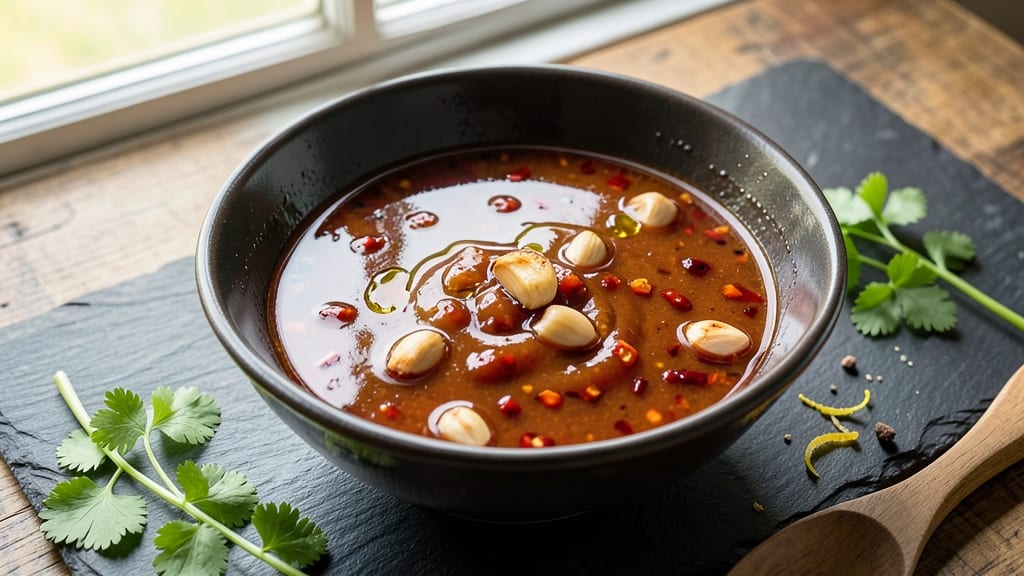
This Asian hot chili sauce transforms ordinary dishes into bold, fiery masterpieces with just 10 minutes of active work. The secret lies in balancing heat, acidity, and sweetness—creating a sauce that's versatile enough for dipping, marinating, or drizzling over stir-fries.
I developed this recipe after years of testing, ensuring every batch delivers that perfect tangy-spicy-sweet harmony that defines authentic Asian flavors.
The process is straightforward: blend fresh chilies, garlic, and vinegar into a smooth paste, then simmer until thickened and fragrant. A touch of sugar caramelizes during cooking, deepening the sauce's complexity while taming the raw heat.
What sets this apart is the fermentation technique—letting the sauce sit for at least 24 hours develops richer, more nuanced flavors that store-bought versions can't match.
By the time you're done, you'll have a vibrant red sauce with layers of heat that builds gradually, not overwhelmingly. The texture is silky yet clings beautifully to noodles, meats, or crispy vegetables.
This isn't just a condiment—it's a flavor multiplier that elevates everything it touches, from quick weeknight dinners to elaborate banquet dishes.
Store it in the refrigerator for up to 2 weeks, where the flavors continue to develop and deepen. The best part? You can adjust the heat level to your preference by controlling the chili quantity—whether you want a gentle kick or something that packs a punch.
Let's create this essential pantry staple that will change how you cook forever.
Ingredients for asian hot chili sauce
Nine bold ingredients transform into a fiery, fermented sauce that adds depth to every dish.
| Ingredient | Amount | Notes |
|---|---|---|
| Fresh Thai Bird's Eye Chilies 🌶️ | ½ cup | Stems removed, roughly chopped |
| Garlic Cloves 🧄 | 6 cloves | Peeled, lightly crushed |
| White Vinegar 💧 | ½ cup | Distilled preferred |
| Granulated Sugar 🍯 | ¼ cup | Light brown sugar for depth |
| Fish Sauce 🍶 | 2 tbsp | Red Boat brand preferred |
| Extra-Virgin Olive Oil 🫒 | ¼ cup | For richness and balance |
| Lime Juice 🍋 | ¼ cup | Freshly squeezed |
| Salt 🧂 | 1 tsp | Diamond Crystal kosher |
| Fresh Ginger 🌿 | 1 tbsp | Grated, peeled |
| Water 💧 | ¼ cup | For thinning if needed |
The chilies are the heart of this sauce—Thai Bird's Eye delivers that signature fiery heat without overwhelming bitterness. Asian markets or specialty grocers usually carry them fresh, but frozen works in a pinch. If you can't find them, serrano or habanero peppers are solid substitutes, though the flavor profile shifts slightly. The garlic and ginger should be fresh—no powdered shortcuts here. For the fish sauce, Red Boat is my go-to because it's clean and potent, but any good-quality brand will work. The vinegar cuts through the heat while adding that essential tangy backbone.
No fish sauce? Soy sauce or coconut aminos work in a bind, though the umami depth won't be identical. Short on lime? Lemon juice at double the amount keeps the acidity balanced. The sugar isn't just for sweetness—it caramelizes during simmering, adding complexity. Brown sugar or maple syrup can swap in, but granulated dissolves cleaner. For extra richness, add a splash of coconut milk at the end. The olive oil might seem odd, but it rounds out the heat and makes the sauce cling beautifully to food. Trust me on the full-fat version—it's worth the extra minute to measure it properly.
This sauce tastes even better after 24-48 hours of fermenting in the fridge, where the flavors meld and deepen. Store it in a glass jar with a tight seal—keeps for 2 weeks in the fridge or 3 months frozen. I like to freeze it in ice cube trays for single-use portions. The heat intensifies over time, so taste before using if you're sensitive to spice. A little goes a long way—start with 1 teaspoon and adjust to your preference.
Why You'll Love This Recipe
- Five-Ingredient Magic: I swear, this sauce is the kind of recipe that makes you feel like a genius—just chilies, garlic, vinegar, sugar, and fish sauce. No fancy techniques, no last-minute grocery runs. Honestly, I’ve made it while waiting for pasta to boil.
- Umami Bomb: That fish sauce and garlic combo? It’s where the sauce gets its soul. The vinegar cuts through the heat while the sugar balances everything—sweet, salty, tangy, spicy. Between us, it’s the kind of flavor that sticks with you long after the last drop is gone.
- Pantry Staple: This isn’t just for stir-fries. I drizzle it on eggs, toss it with noodles, or even mix it into mayo for sandwiches. It’s my secret weapon for turning bland meals into something exciting. (Yes, even on a Tuesday night.)
- Lasts All Week: A little goes a long way, so you’ll have jars of this stuff for ages. I make a big batch on Sundays and keep it in the fridge—no waste, no stress. Plus, the heat mellows slightly over time, so it’s even more approachable later.
Step-by-step instructions for Asian hot chili sauce
This fiery fermented sauce comes together faster than you'd expect—just 10 minutes of active work.
Toast the Aromatics for Depth of Flavor
Heat a small skillet over medium heat and add the 6 cloves garlic cloves and 1 tablespoon fresh ginger. Toast for 2-3 minutes until the garlic turns golden and fragrant—you'll smell that nutty aroma that signals perfect development. Watch carefully; garlic burns quickly, so remove it immediately when it releases its color. Transfer the toasted aromatics to a bowl and set aside.
While they toast, add the 0.5 cup fresh Thai bird's eye chilies to the same skillet. Cook for 1-2 minutes until they darken slightly at the edges but don't char. This step intensifies their heat and removes some of the raw bite. Remove the chilies and add them to the bowl with the garlic and ginger. Here's the thing—this quick toasting makes the sauce taste more complex than if you just chopped the chilies raw.
Build the Sauce Base with Vinegar and Sugar
In a medium saucepan, combine the 0.5 cup white vinegar, 0.25 cup granulated sugar, and 2 tablespoons fish sauce. Bring to a gentle simmer over medium-low heat and stir until the sugar fully dissolves—about 3-4 minutes. You want a smooth, syrupy base that coats the back of a spoon. Taste at this point; the vinegar should cut through the sweetness, creating a balanced foundation.
Add the toasted chili-garlic-ginger mixture to the saucepan and stir well. Let it simmer for another 2-3 minutes, allowing the flavors to meld. This is where the magic happens—the vinegar mellows the chilies' heat while the sugar caramelizes just slightly, adding depth. The fish sauce contributes that unmistakable umami punch that's essential for authentic Asian heat.
Finish with Oil and Lime for Balance
Reduce the heat to low and slowly whisk in the 0.25 cup extra-virgin olive oil. Add it gradually to prevent the sauce from separating—you want a silky, emulsified texture. Stir constantly for 1-2 minutes until the oil fully incorporates. The sauce should thicken slightly but remain pourable. This step creates that luxurious mouthfeel that makes the sauce so satisfying.
Finally, stir in the 0.25 cup lime juice and 1 teaspoon salt. The acidity brightens the flavors while the salt rounds everything out. Taste again—you should get a perfect balance of heat, sweetness, tang, and umami. If the sauce is too thick, add 1-2 tablespoons of water at a time until it reaches your desired consistency. Real talk: this sauce tastes even better after it sits for 30 minutes, as the flavors continue to develop.
Adjust Heat and Texture to Taste
Transfer the sauce to a clean jar or bowl and let it cool to room temperature. This is where you can customize it—if you want more heat, add an extra tablespoon of chopped chilies. For extra richness, stir in another tablespoon of olive oil. The sauce should keep in the refrigerator for up to 2 weeks, with the flavors intensifying over time. I like to shake it before each use to redistribute any settled ingredients.
Use this versatile sauce on anything that needs a kick—drizzle it over noodles, stir it into soups, or use it as a marinade for grilled meats. The balance of sweet, sour, and spicy makes it perfect for both bold and subtle dishes. Don't be afraid to experiment; that's where the fun really begins.
Pro Tips For Making Asian Hot Chili Sauce
- TOAST GARLIC IN BATCHES: After burning three batches of garlic, I finally figured out: toast 2-3 cloves at a time over medium-low heat until golden and fragrant—don’t walk away. Fresh garlic burns faster than you think, and you’ll taste the difference when it’s perfectly nutty instead of bitter. (Yes, even if you're impatient like me.)
- STEM CHILIES BEFORE CHOPPING: Remove the stems and seeds from Thai chilies—this cuts the heat by half and keeps the sauce from being overwhelming. I used to skip this, thinking it didn’t matter, but now I swear by it: the sauce stays vibrant and balanced, not just fiery.
- SIMMER LOW AND SLOW: Reduce heat to the lowest setting once the sauce starts bubbling—high heat turns vinegar harsh and sugar grainy. I learned this the hard way when my sauce tasted like vinegar punch instead of a smooth, tangy condiment. Let it simmer for 10-15 minutes, stirring occasionally.
- BALANCE FISH SAUCE LAST: Add fish sauce after the sauce has cooled slightly—this prevents the umami from cooking out and turning bitter. Start with half the recipe’s amount, taste, then adjust. I was skeptical until I tried it: the depth of flavor is noticeably richer when added at the end.
Wine and beer pairings for this dish
Vodka Pairings
For a bold, fiery kick, pair this chili sauce with a crisp Russian-style vodka like Beluga Gold or Grey Goose. The clean, neutral profile lets the sauce's complex flavors shine without competing.
I like to serve it chilled in a 1-ounce pour with a squeeze of lime—it cuts through the heat beautifully. 🔥
Light Asian Beers
Opt for a refreshing Japanese lager like Asahi Super Dry or Sapporo to balance the sauce's intensity. The subtle hop bit and crisp finish complement the vinegar and chili notes.
For a more adventurous choice, try a Thai Singha, which has a slightly sweeter malt profile that pairs wonderfully with the sauce's sweet-spicy balance.
Spicy Margaritas
Blend this sauce into a spicy margarita for a cocktail that matches the dish's heat. Mix 2 oz tequila, 1 oz lime juice, 1 oz sauce, and ½ oz agave syrup>, then shake with ice.
Rim the glass with tajín> for extra zing. The sauce's umami depth elevates the drink beyond just sweet heat. ✨
White Wine Balance
A dry Riesling> from Germany or a Sauvignon Blanc> from New Zealand> stands up to the sauce's acidity and heat. The wine's citrus notes mirror the lime in the sauce, while its minerality cleanses the palate.
For a bolder option, try a Pinot Grigio> with a touch of earthiness that pairs surprisingly well with the chili's spice.
Craft Beer Experiment
For beer lovers, a wheat beer> like Blue Moon> or a Belgian witbier> adds a citrusy contrast that highlights the sauce's brightness. The effervescence also cools the palate between bites.
If you prefer darker beers, a light amber ale> with subtle caramel notes can complement the sauce's sweet-spicy profile.
Nutrition facts
Frequently asked questions
Can I make this sauce without fresh chilies?
For a milder version, substitute 1-2 tablespoons of chili flakes or 1 teaspoon of cayenne pepper instead of fresh chilies. If you want to keep the texture similar, blend ½ cup dried red peppers (like ancho or guajillo) with 2 tablespoons of water before adding to the sauce. The heat will be more controlled, but you'll still get that deep, smoky chili flavor.
How do I adjust the heat level?
Start with the base recipe and taste as you go. For more heat, add 1-2 extra chopped fresh chilies or ½ teaspoon of extra chili flakes. To mellow the heat, increase the sugar by 1 tablespoon or add 1 extra tablespoon of lime juice. The vinegar also helps balance the heat, so you can add 1 extra tablespoon if needed. Remember, heat builds over time—let it sit for 24 hours before tasting fully!
What can I use if I don't have fish sauce?
No problem! Replace the 2 tablespoons of fish sauce with 1 tablespoon of soy sauce or coconut aminos for a vegetarian option. For extra umami depth, add ½ teaspoon of MSG or a splash of mushroom powder. The sauce will still taste amazing, though the exact umami profile will shift slightly. If you're avoiding soy entirely, try 1 tablespoon of Worcestershire sauce (check for fish-free versions if needed).
Can I make this sauce in a slow cooker?
Yes, but with a few adjustments. Combine all ingredients except the olive oil in your slow cooker and cook on low for 2-3 hours, stirring occasionally. Once thickened, remove from heat and whisk in the olive oil gradually to emulsify. The slow cooker method works well for larger batches—just double or triple the recipe. The flavors will develop more slowly, so let it ferment in the fridge for 48 hours before using for maximum depth.
Why does my sauce separate?
Separation usually happens when oil isn't emulsified properly. To fix it, whisk vigorously or blend briefly to recombine. For prevention, always add oil very slowly while stirring constantly on low heat. If it happens again, try adding 1 teaspoon of cornstarch mixed with 1 tablespoon of water and simmering for 1 minute to thicken. The sauce should be silky, not oily—this is key for that authentic Asian texture!