
Sauces & Condiments
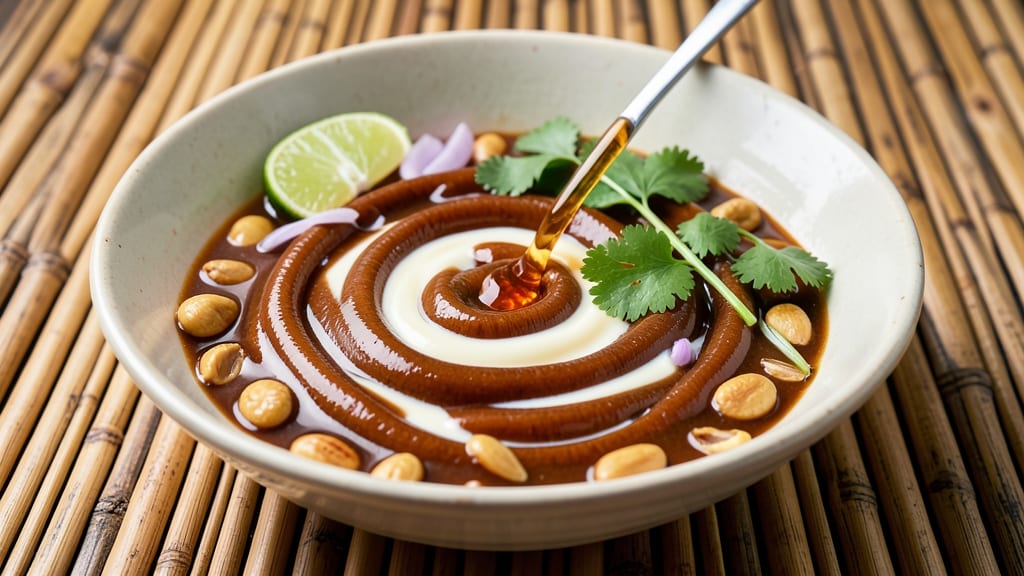
This authentic Vietnamese peanut sauce transforms any dish into a flavor explosion—creamy, nutty, and packed with bold spices that balance sweet, salty, and spicy notes. 🌟 The secret lies in roasting peanuts for depth, then blending them into a velvety sauce with fish sauce, sugar, and chili.
This isn’t just a condiment; it’s the star of stir-fries, marinades, and dipping sauces that’ll have everyone asking for seconds.
The recipe delivers restaurant-quality results with simple ingredients: roasted peanuts, coconut milk, lime juice, and a touch of garlic for aromatic punch. No fancy equipment needed—just a blender and patience for the flavors to meld. The sauce thickens beautifully when chilled, making it perfect for meal prep or last-minute dinners.
What sets this apart is the authenticity—no shortcuts, just the right balance of sweetness from palm sugar, umami from fish sauce, and heat from chili. The nutty richness coats every bite, whether drizzled over noodles, tossed with vegetables, or used as a dipping sauce for grilled meats.
It’s versatile enough for weeknight meals or special occasions.
Ready in just 20 minutes, this sauce keeps well in the fridge for up to a week, so you can make a batch and enjoy it all week long.
The roasted peanuts add texture, while the coconut milk ensures a luscious, velvety finish. Let’s bring the bold flavors of Vietnam to your kitchen.
Ingredients for authentic vietnamese peanut sauce
Roasted peanuts and coconut milk create this nutty-spiced sauce—simple ingredients with bold flavor.
| Ingredient | Amount | Notes |
|---|---|---|
| Raw Peanuts 🥜 | 1 ½ cups | Unsalted, skin-on preferred |
| Coconut Milk 🥥 | 1 can | Full-fat, 13.5 oz can |
| Palm Sugar 🍯 | ¼ cup | Or light brown sugar |
| Fish Sauce 🍜 | 2 tbsp | Red Boat preferred |
| Lime Juice 🍋 | 2 tbsp | Freshly squeezed |
| Garlic Cloves 🧄 | 3 cloves | Minced or finely chopped |
| Chili Flakes 🌶️ | 1 tsp | Adjust for heat preference |
| Ground White Pepper 🌶️ | ½ tsp | Freshly ground preferred |
| Salt 🧂 | ½ tsp | Kosher or sea salt |
| Olive Oil 🫒 | 1 tbsp | For roasting peanuts |
The peanuts are non-negotiable—unsalted, skin-on for the best texture and flavor. Trader Joe's or Asian markets usually carry them in bulk, but the regular grocery store works too. Roasting them in olive oil brings out their natural oils, which is what gives this sauce its signature richness. If you can't find palm sugar, light brown sugar is a perfect swap—just don't use white sugar, or the sauce will taste too harsh. The fish sauce? Red Boat is the gold standard, but any reputable brand works.
No coconut milk? Full-fat Greek yogurt thinned with water gets you close, though it won't be quite as creamy. Short on garlic? Garlic powder at half the amount works in a pinch, but fresh is worth the 30 seconds it takes to mince. The chili flakes can be swapped for fresh chili or cayenne powder—just taste as you go. Lime juice is best fresh, but bottled works if you're in a hurry. And if you're worried about the sauce being too thin, just blend longer—it'll thicken as it chills.
This sauce thickens beautifully when chilled, so make it a day ahead if you can. Keeps in the fridge for 1 week sealed in a jar, or 3 months frozen in ice cube trays for single-use portions. The roasted peanuts add texture, so don't skip them—trust me, they're worth the extra minute in the pan. Store any leftover oil from roasting in a small jar for future use—it's packed with peanut flavor!
Why You'll Love This Recipe
- Five-Ingredient Magic: I swear by this—just toast the peanuts in a dry pan until they’re golden and fragrant, then blend the rest in a food processor. No fancy techniques, no stress, and honestly? It’s the kind of sauce that makes me feel like I’ve outsmarted a complicated recipe.
- Umami Bomb: That fish sauce and palm sugar combo? It’s a flavor explosion—salty, sweet, and just a little funky in the best way. The lime juice cuts through the richness, and the coconut milk keeps it silky smooth without overpowering. My roommate still steals bites of the sauce straight from the bowl.
- Dress-Up Champion: Slather it on grilled chicken, drizzle it over noodles, or toss it with crispy tofu—this sauce works with everything. I’ve even used it as a marinade for hours ahead, and it still brings the heat. (Yes, even on a Tuesday night when you’re too tired to think.)
- Budget Win: A jar of peanuts and a can of coconut milk stretch this sauce across multiple meals without breaking the bank. It keeps for days in the fridge, so I make a big batch and use it all week—no takeout guilt, just pure satisfaction. My wallet and taste buds thank me.
Step-by-step instructions for authentic Vietnamese peanut sauce
Here's how to make this signature sauce that balances nutty richness with bright, spicy depth.
🔥 Step 1: Toast the Peanuts Until Fragrant
Heat a dry skillet over medium heat and add the 1.5 cups raw peanuts. Toast them for 5-7 minutes, stirring constantly, until they turn a rich golden brown and smell deeply nutty. This step develops the peanut flavor and removes any raw taste.
Watch closely after 3 minutes—they burn quickly once toasted. Once golden, transfer them to a plate to cool slightly. I like to press down gently with a spoon to release any oil that might stick to the pan. This oil will become part of your sauce's rich base.
🍳 Step 2: Build the Sauce Base with Garlic and Chili
In the same skillet (no need to clean it—the peanut oils are flavor gold), add the 1 tablespoon olive oil over medium heat. Once shimmering, add the 3 cloves minced garlic and cook for 30 seconds until fragrant but not browned. Immediately add the 1 teaspoon chili flakes and stir for 10 seconds to toast them lightly.
Here's the thing—don't let the garlic burn. It should smell sweet and pungent, not bitter. If it starts to darken, remove the pan from heat for a few seconds. Add 1 tablespoon fish sauce and 1 tablespoon lime juice next, stirring to combine. This brightens the flavors and balances the richness we're building.
🥘 Step 3: Blend the Wet Ingredients
Transfer the garlic-chili mixture to a blender along with the 1 can coconut milk, 0.25 cup palm sugar, 0.5 teaspoon salt, and 0.5 teaspoon ground white pepper. Add the toasted peanuts and blend until completely smooth, scraping down the sides as needed. This should take about 1-2 minutes of continuous blending.
Taste the mixture now—it should be sweet, nutty, and slightly tangy. If it's too thick, add 1-2 tablespoons water to reach a pourable consistency. If it's too thin, simmer it in the skillet for 3-5 minutes to thicken. The sauce should coat the back of a spoon but still be smooth enough to drizzle.
⏰ Step 4: Simmer for Depth of Flavor
Pour the blended sauce back into the skillet and bring to a gentle simmer over low heat. Let it cook for 5-7 minutes, stirring occasionally, until it thickens slightly and the peanut oils rise to the surface. You'll see a glossy sheen develop—that's your signal it's ready.
Don't walk away during this step. The sauce needs constant attention to prevent burning. If it starts to smell too strong or darken, reduce the heat immediately. The final sauce should be rich but not bitter, with a perfect balance of sweet, spicy, and umami notes.
🍽️ Step 5: Finish and Adjust to Perfection
Remove the skillet from heat and let the sauce cool for 2 minutes. Taste again and adjust the seasoning: add more fish sauce for saltiness, lime juice for brightness, or palm sugar for sweetness as needed. The sauce should taste complex—nutty from the peanuts, slightly sweet, with a kick of heat and umami depth.
Transfer to a clean jar or bowl and let it cool completely before using. This sauce keeps well in the refrigerator for up to 5 days, making it perfect for meal prep. It's amazing drizzled over noodles, used as a dipping sauce, or stirred into stir-fries for that authentic Vietnamese flavor.
Pro Tips For Making Authentic Vietnamese Peanut Sauce
- TOAST PEANUTS LOW AND SLOW: Skip the high-heat blitz—toss raw peanuts in a dry pan over medium-low for 8-10 minutes, stirring often, until they’re golden but not burnt. I learned this the hard way: charred peanuts make the sauce bitter, and you’ll taste it every time. (Yes, even if you’re impatient like me.)
- STRAIN THE COCONUT MILK: After simmering coconut milk with palm sugar, strain it through a fine-mesh sieve lined with cheesecloth. The leftover coconut pulp adds a weird grittiness that ruins the smooth texture—trust me, your sauce will thank you for the extra 30 seconds of effort.
- ACIDIFY IN STAGES: Don’t dump all the lime juice at once—add half first, taste, then adjust. Fish sauce and lime are a balancing act; too much acid upfront will make the sauce taste flat when you add the peanuts. I was skeptical until I tried it, and now I never skip this step.
- UPGRADE WITH CHILI PASTE: Stir in ½ teaspoon of chili paste (like sambal oelek) with the fish sauce for depth. It’s not traditional, but it cuts through the richness of the coconut milk and adds a smoky warmth that makes the sauce sing. (Your future self will thank you.)
Pro cooking tips for perfect results
Toast Peanuts Perfectly
Roasting the peanuts is where the magic happens—don’t skip this step! Use a dry skillet over medium heat and stir constantly for 5-7 minutes until golden brown and fragrant. I like to press them gently with a spoon to release oils into the pan.
These oils become the sauce’s rich, nutty foundation. Watch closely after 3 minutes—they burn fast! 🔥
Balance Flavor Layers
The sauce needs harmony between sweet, salty, spicy, and umami. After blending, taste and adjust: add 1 tsp more fish sauce for saltiness, 1 tsp lime juice for brightness, or 1 tsp palm sugar for sweetness.
The coconut milk should be full-fat for creaminess, but if you’re using a lighter version, simmer the sauce longer to thicken it. Trust your taste buds—they’ll guide you!
Simmer Gently for Thickness
After blending, return the sauce to the skillet and simmer over low heat for 5-7 minutes, stirring often. This step reduces excess moisture and lets the peanut oils emulsify for a glossy finish.
If it starts to darken too quickly, reduce heat immediately—burnt sauce ruins everything. A properly simmered sauce will coat the back of a spoon but still be pourable. ✨
Blend Until Silky Smooth
Use a high-powered blender (like a Vitamix) to avoid grainy texture. Pulse the toasted peanuts first to break them down, then blend continuously for 1-2 minutes with the wet ingredients. If it’s too thick, add 1 tbsp water at a time.
For extra richness, reserve 1 tbsp peanut oil from the roasting pan and stir it in at the end. The goal? A velvety, restaurant-quality sauce.
Adjust Heat to Taste
Chili flakes add warmth, but adjust based on preference. For a milder sauce, reduce to ½ tsp or swap for ¼ tsp cayenne. If you love heat, add ½ tsp fresh chili or 1 tsp sriracha after blending.
The sauce’s spice should complement, not overpower, the nutty sweetness. Taste as you go—this is where home cooks shine!
Let It Rest Before Serving
After simmering, let the sauce cool for 5-10 minutes before tasting again. Flavors meld during this time, and the texture thickens further. Store in an airtight jar in the fridge for up to 5 days—it actually tastes better the next day as the flavors deepen.
The peanut oils rise to the surface, creating a beautiful sheen that’s pure deliciousness. 💫
Nutrition facts
Frequently asked questions
Can I use peanut butter instead of raw peanuts?
Peanut butter won’t give the same texture or depth of flavor. The roasted peanuts create a rich, nutty base that peanut butter can’t replicate. If you’re short on time, you could blend ½ cup smooth peanut butter with 1 tbsp peanut oil to mimic the roasted peanut oils, but it won’t be as authentic.
What dishes pair best with this sauce?
This versatile sauce shines with stir-fries, grilled meats, or as a dipping sauce for spring rolls and fried tofu. It’s also perfect drizzled over pho or bún chả for an extra layer of richness. The nutty-sweet balance makes it a great marinade for chicken or pork skewers too.
Why does my sauce taste bitter?
Bitter flavors usually come from over-toasted peanuts or burnt garlic. Keep the peanuts stirring constantly and remove them as soon as they’re golden. For garlic, cook it just until fragrant—30 seconds max. If the sauce tastes bitter, balance it with 1 tsp more palm sugar or ½ tsp lime juice. The coconut milk should also be full-fat to prevent bitterness.
Can I make this sauce without coconut milk?
Yes! Swap the coconut milk for ½ cup Greek yogurt + ½ cup water for a tangier version, or use ½ cup heavy cream for extra richness. For a dairy-free option, blend ½ cup cashew butter with ½ cup water first. The sauce will be slightly thinner, so simmer it longer to thicken. Adjust sweetness with extra palm sugar if needed.
How do I store leftover sauce?
Transfer the sauce to an airtight jar and refrigerate for up to 5 days. The flavors actually improve as it sits! For longer storage, freeze in ice cube trays for single-use portions (thaw in the fridge). The peanut oils may separate—just stir before using. If it thickens too much, thin with 1 tsp water while reheating.