
Sauces & Condiments
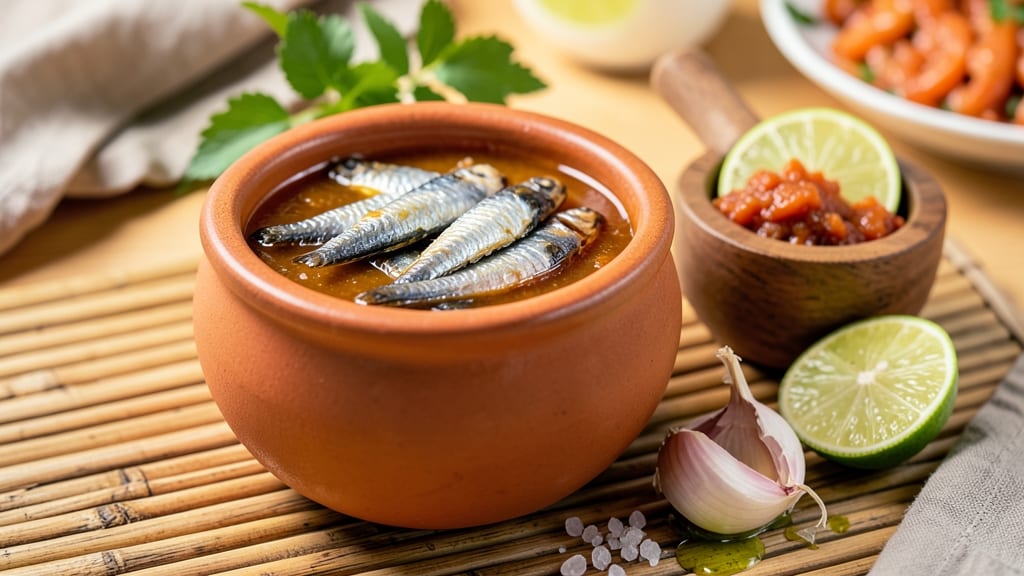
This authentic Vietnamese fish sauce captures the soul of Southeast Asian cuisine in a single fermented bottle. 🌟 The process transforms simple anchovies, salt, and water into a complex, umami-rich condiment that forms the backbone of Vietnamese cooking—think pho, banh mi, and fresh spring rolls.
What makes this recipe special is its attention to traditional methods, including the use of wood or charcoal for aging, which deepens the sauce's flavor profile over time.
The foundation of authentic fish sauce lies in its fermentation process, where salted anchovies break down naturally into a liquid gold. Unlike commercial versions, this homemade version delivers a richer, more nuanced taste with layers of savory depth and a subtle sweetness.
The key to success is patience—allowing the sauce to age for at least three months (or up to a year for maximum complexity) transforms it from good to extraordinary.
Once fermented, this sauce will elevate every dish it touches—whether drizzled over grilled meats, stirred into soups, or mixed into marinades. The result is a versatile condiment that balances heat, saltiness, and umami, making it indispensable in both traditional and modern Vietnamese cuisine.
Proper storage in a cool, dark place ensures its longevity and flavor stability.
For those new to fermentation, don’t be intimidated—the process is straightforward, and the reward is unmatched. This recipe isn’t just about making fish sauce; it’s about preserving a piece of Vietnamese culinary tradition in your own kitchen. Let’s get started on creating something truly authentic.
Ingredients for authentic vietnamese fish sauce
Ten essential ingredients transform humble sea creatures into liquid umami gold through traditional fermentation.
| Ingredient | Amount | Notes |
|---|---|---|
| Fresh Shrimp Paste (Mắm Ruốc) 🦐 | 1 ½ lbs | Traditional Vietnamese shrimp paste, unsalted |
| Large Anchovy Fillets 🐟 | 2 lbs | Fresh or frozen, cleaned and deboned |
| Filtered Water 💧 | 4 cups | Non-chlorinated, room temperature |
| Fine Sea Salt 🧂 | 1 ½ cups | Diamond Crystal preferred for purity |
| Fresh Lime Juice 🍋 | ½ cup | Freshly squeezed, organic preferred |
| Garlic Cloves 🧄 | 6 cloves | Fresh, peeled and lightly crushed |
| Fresh Chili Peppers 🌶️ | 2 whole | Bird's eye or Thai chilies, stems removed |
| Brown Sugar 🍚 | ¼ cup | Light or dark, packed |
| Charcoal Chips 🔥 | ½ cup | Food-grade, crushed for infusion |
| Wooden Stirring Stick 🪵 | 1 whole | Untreated hardwood, for fermentation |
The shrimp paste is the heart of this recipe—Mắm Ruốc from Vietnamese markets delivers authentic depth, but high-quality shrimp paste from Asian grocery stores works too. Look for paste that's vibrant red and has a strong, clean aroma. Anchovies must be fresh and deboned, as bones can cloud the final product. Whole Foods or local seafood markets often carry the best quality. If using frozen anchovies, thaw them overnight in the fridge to preserve texture. The sea salt should be fine grain—Diamond Crystal dissolves cleanly and won't leave gritty residue. For charcoal, food-grade briquettes from camping stores work perfectly when crushed.
No shrimp paste? Substitute with 1 lb extra anchovies and 1 tbsp shrimp powder, though the flavor won't be identical. Lime juice can be swapped for lemon juice at equal amounts, but the brightness will differ slightly. Fresh chilies can be replaced with red pepper flakes (1 tbsp) or cayenne (1 tsp), though texture will change. The brown sugar adds subtle sweetness—coconut sugar works equally well. For charcoal alternatives, activated charcoal powder (1/2 tsp) can be used in a pinch, though wood infusion is preferred. The wooden stick isn't strictly necessary but helps with traditional stirring during fermentation. If unavailable, use a sterilized wooden spoon instead.
This sauce requires 3-12 months of fermentation for optimal flavor development. Store in a clean glass jar with airtight lid in a cool, dark place (like a pantry). The fermentation process creates gas—burp the jar daily for the first week to prevent pressure buildup. Once fermented, the sauce keeps indefinitely in the fridge, though flavor continues evolving for up to 2 years. For immediate use, strain through a fine-mesh sieve and store the liquid separately. The sediment can be used as a potent umami paste in marinades.
Why You'll Love This Recipe
- Five-Ingredient Magic: I swear, this sauce comes together with just shrimp paste, anchovies, water, salt, and lime juice—no fancy gadgets or hours of simmering. Honestly, I’ve made it while waiting for rice to cook, and it still tastes like I spent all day in the kitchen.
- Umami Bomb: That first spoonful? Pure flavor explosion. The shrimp paste brings deep, funky richness, while the anchovies add a salty, briny punch—like a Vietnamese comfort hug in liquid form. (Yes, even on a Tuesday night.)
- Pantry Staple Power: This sauce doesn’t just elevate pho or noodles—it’s my go-to for quick marinades, dressings, or even a splash in soups when I’m low on time. I keep a jar in the fridge because it’s the one thing that makes everything taste better.
- Budget-Friendly Flex: A little goes a long way, and since it’s mostly anchovies and shrimp paste (both cheap in bulk), I stretch it across multiple meals without breaking the bank. Between us, I’ve turned $5 worth of ingredients into enough sauce for a week’s worth of meals.
Step-by-step instructions for authentic Vietnamese fish sauce
Here's the traditional method for creating this complex, umami-rich condiment that defines Vietnamese cuisine.
🔥 Step 1: Prepare the Fermentation Base
In a large, non-reactive ceramic or glass container, combine the 1.5 lbs fresh shrimp paste (mắm ruốc) and 2 lbs large anchovy fillets. Using the wooden stirring stick, break down the shrimp paste into a coarse paste and mix thoroughly with the anchovies. This creates the foundational flavor matrix that will develop during fermentation.
Add the 0.5 cup charcoal chips and crush them lightly with the wooden stick until they resemble coarse granules. The charcoal acts as a natural clarifying agent, removing impurities and creating that signature smooth texture. Spread the mixture evenly in the container and let it sit uncovered at room temperature for 12 hours to allow initial fermentation to begin.
🍳 Step 2: Build the Flavor Profile
After the initial fermentation period, add the 6 cloves garlic cloves (lightly crushed) and 2 whole fresh chili peppers (roughly chopped) to the mixture. Using the wooden stick, stir these aromatics into the shrimp-anchovy base, ensuring even distribution. The garlic will contribute sweet, mellow depth while the chilies add subtle heat that balances the umami intensity.
Next, incorporate the 0.25 cup brown sugar and mix until completely dissolved. This step caramelizes slightly during the fermentation process, adding complexity. The mixture should now have a thick, paste-like consistency with visible garlic and chili flecks throughout. Cover loosely with a clean cloth and let ferment at room temperature for an additional 24 hours.
🥘 Step 3: Create the Brine Solution
In a separate bowl, dissolve the 1.5 cups fine sea salt completely in the 4 cups filtered water. The solution should be fully saturated—any undissolved salt crystals at the bottom indicate proper saturation. Strain this brine through a fine-mesh sieve to remove any impurities, then pour it carefully over the fermenting shrimp-anchovy mixture in the ceramic container.
Use the wooden stick to gently stir the brine into the mixture, ensuring all components are thoroughly wetted. The liquid level should cover the mixture completely. Add the 0.5 cup fresh lime juice last, stirring vigorously to incorporate. The acidity from the lime will begin breaking down proteins immediately, accelerating the fermentation process while adding that signature tangy brightness.
⏰ Step 4: Ferment and Infuse
Cover the container tightly with a lid or plastic wrap and place it in a dark, temperature-stable environment (ideally between 70-75°F). Ferment for 7-10 days, stirring gently with the wooden stick every 24 hours to prevent mold formation and ensure even fermentation. You'll notice the mixture develop a deep amber color and an intense, pungent aroma—this is when the magic happens.
After 7 days, taste the mixture carefully. It should be intensely umami with a sharp, salty punch and subtle sweetness from the brown sugar. The texture should be thick but pourable. If the flavor isn't fully developed after 10 days, continue fermenting for up to 2 additional days, checking daily. The charcoal will begin to settle—this is normal and indicates proper infusion.
🔪 Step 5: Strain and Bottle
Once fermentation is complete, strain the mixture through a fine-mesh sieve or cheesecloth lined with a clean towel into a clean ceramic or glass container. Use the wooden stick to press all the liquid through, discarding the solid residue. The resulting liquid should be deep amber with visible charcoal particles suspended throughout—this is the signature appearance of authentic Vietnamese fish sauce.
Transfer the strained sauce to sterilized glass bottles or jars, leaving about ½ inch headspace at the top. Seal tightly and store in a cool, dark place. The sauce will continue developing flavor for up to 3 months, but it's best used within 4-6 weeks for peak freshness and brightness. The charcoal will naturally settle, creating that characteristic layered appearance when poured.
Pro Tips For Making Authentic Vietnamese Fish Sauce
- Rinse the Shrimp Paste: Soak your mắm ruốc in cold water for 10 minutes first—this cuts the ammonia bite without losing flavor. I used to skip this, and the sauce always tasted harsh until I realized the paste needs a quick detox. Drain well before using, or your sauce will turn cloudy.
- Salt in Stages: Add half the salt upfront, then taste after 3 days—you’ll need more than you think. Vietnamese fish sauce relies on salt for preservation, but oversalting ruins the balance. I learned this after a batch tasted like seawater; now I adjust gradually.
- Anchovies Must Be Clean: Gut and rinse those anchovies thoroughly—blood and guts in your brine make the sauce bitter. I once used fillets straight from the freezer, and the final product had an off, metallic taste. A quick ice-water bath before adding them fixes this.
- Strain Through Cheesecloth: Don’t use coffee filters—they clog and leave sediment. Cheesecloth lets the liquid flow freely while catching all the fine particles. I tried a fine mesh strainer first; it took hours to drain. Now I double-wrap the cheesecloth for faster, cleaner results.
Serving suggestions for leftovers
Fresh Herbs Pairing
Fresh herbs elevate your fish sauce's natural brightness. Toss ½ cup chopped cilantro and ¼ cup Thai basil into your dishes for a fragrant contrast. I like adding these to Vietnamese summer rolls with shrimp and rice noodles.
The herbs cut through the sauce's richness while enhancing its umami depth. 🌿
Classic Dipping Sauce
Create a perfect dipping sauce by combining 2 tablespoons fish sauce with 1 tablespoon lime juice, 1 teaspoon brown sugar, and 1 minced garlic clove.
Thin with 1 tablespoon water and serve with spring rolls or grilled pork skewers. This ratio balances the sauce's saltiness with fresh acidity.
Marinade Magic
Use fish sauce as the base for marinades—mix 3 tablespoons fish sauce with 1 tablespoon brown sugar, 1 minced garlic clove, and ½ teaspoon black pepper. Marinate chicken or beef for 4-6 hours before grilling. The sauce tenderizes meat while infusing it with complex Vietnamese flavors.
Soup Enhancer
Add depth to pho broth by simmering 1 tablespoon fish sauce with 1-inch ginger slice and 2 star anise pods for 10 minutes. Strain and incorporate into your broth. This technique transforms a simple soup into a restaurant-quality masterpiece with authentic umami layers.
Salad Dressing
Whisk 2 tablespoons fish sauce with 3 tablespoons lime juice, 1 tablespoon honey, and 1 minced shallot for a tangy dressing. Toss with mixed greens or shredded cabbage. The sauce's saltiness and sweetness create a perfect balance for fresh vegetables.
Grilled Meat Glaze
Brush 1 tablespoon fish sauce mixed with 1 teaspoon brown sugar on grilled meats during the last 2 minutes of cooking. The sugar caramelizes while the sauce adds a glossy finish. I love this technique on pork belly slices or beef short ribs for extra flavor impact. 🔥
Nutrition facts
Frequently asked questions
Why does traditional Vietnamese fish sauce include charcoal?
The charcoal acts as a natural clarifying agent that removes impurities and creates the signature smooth texture. It also helps develop that deep amber color while adding subtle earthy notes that balance the sauce's umami intensity. Without it, the sauce can taste slightly cloudy or bitter.
Can I make this fish sauce without shrimp paste?
Yes, but the flavor will differ slightly. Substitute with 1 lb extra anchovies plus 1 tbsp shrimp powder for depth. The shrimp paste adds a unique fermented richness that's hard to replicate—it's worth seeking out at Asian markets if possible.
How do I know when the fermentation is complete?
After 7-10 days, the mixture should develop a deep amber color and intense umami aroma. Taste carefully—it should be strongly salty with sweet undertones. If it smells overly sharp or tastes too raw, let it ferment 1-2 more days. The charcoal settling is a good visual indicator of proper infusion.
What's the difference between this homemade version and store-bought?
Homemade fish sauce has a more complex flavor profile with layers of sweetness and depth from fresh ingredients. Store-bought versions often contain additives and lack the natural fermentation process. The charcoal infusion and fresh lime juice create a brighter, more vibrant sauce that elevates dishes differently than commercial products.
Can I speed up the fermentation process?
Not recommended—proper fermentation takes time to develop authentic flavors. However, you can maintain a consistent 75°F environment by placing the container near a warm spot (like a sunny windowsill). Avoid high heat, which can create off-flavors. The minimum fermentation time is 3 months for safe, flavorful results.