
Sauces & Condiments
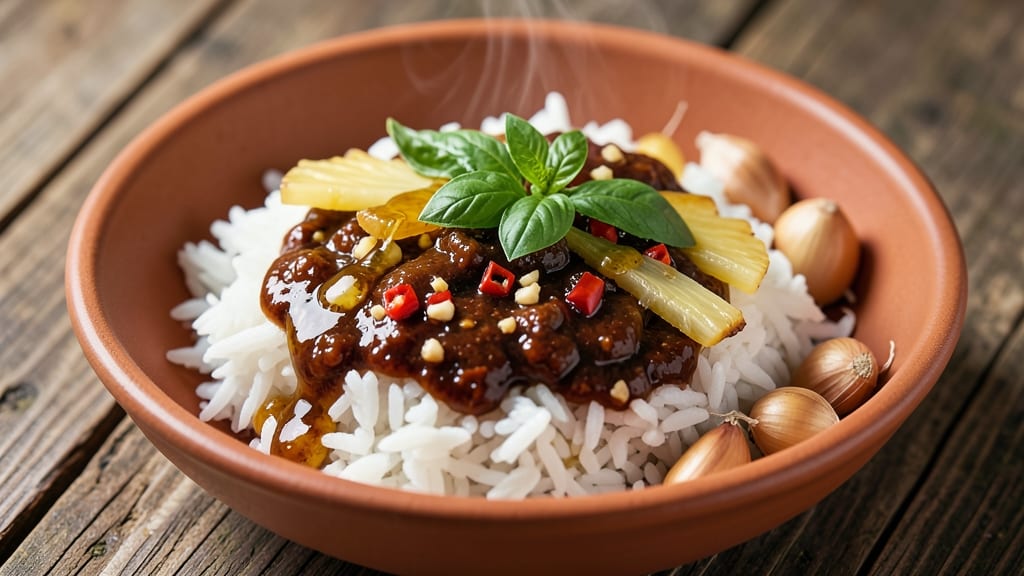
This balut sauce recipe transforms fermented shrimp paste into a vibrant, tangy-sweet condiment that elevates every bite of balut or grilled seafood.
The secret lies in balancing the bold, umami depth of shrimp paste with bright pineapple and the sharp tang of vinegar—a harmony that cuts through richness while enhancing natural flavors.
What makes this sauce special is its versatility; it works as both a dipping sauce for balut and a bold topping for grilled fish or rice dishes.
The foundation of this sauce is a simple yet powerful combination: fermented shrimp paste (bagoong), pineapple juice for natural sweetness, and vinegar for acidity. Garlic and chili add layers of heat, while fish sauce (patis) deepens the umami profile.
The sauce thickens slightly as it simmers, creating a glossy, clingy consistency that clings to every bite—no cornstarch required. It’s the kind of condiment that turns ordinary meals into something memorable.
What you’ll end up with is a sauce that’s bright, tangy, and deeply savory, with a complexity that surprises even first-time makers. The pineapple balances the funk of the shrimp paste, while the vinegar and chili keep it lively and bold.
This isn’t just a dipping sauce; it’s a flavor enhancer that transforms simple dishes into something extraordinary. The best part? It keeps well in the fridge for up to a week, so you can make a batch and enjoy it all week long.
Perfect for pairing with balut, grilled seafood, or even as a marinade for meats, this sauce is a game-changer for anyone looking to add authentic Filipino flavors to their cooking. Let’s get started—your taste buds will thank you.
Ingredients for balut sauce
Nine ingredients, bold flavors—this sauce brings the funky heat of balut to life.
| Ingredient | Amount | Notes |
|---|---|---|
| Fermented Shrimp Paste (Bagoong) 🦐 | ½ cup | Filipino-style, pungent variety |
| Fresh Pineapple Juice 🍍 | 1 cup | Freshly squeezed, no pulp |
| White Vinegar 💧 | ¼ cup | Distilled or cane vinegar |
| Fish Sauce (Patis) 🐟 | 2 tbsp | Reduced-sodium preferred |
| Garlic Cloves 🧄 | 4 cloves | Minced, aromatic variety |
| Fresh Red Chili Peppers 🌶️ | 2 whole | Thinly sliced, like siling labuyo |
| Sugar 🍚 | 2 tbsp | White or brown sugar |
| Salt 🧂 | ½ tsp | Adjust to taste |
| Water 💧 | ½ cup | For thinning if needed |
| Fresh Thai Basil Leaves 🌿 | ¼ cup | Optional, for garnish |
The bagoong is non-negotiable here—look for the deep red, pungent kind at Asian markets or well-stocked grocery stores. Filipino brands like La Paz or Royal are my go-tos, but any authentic bagong will work. If you can't find it, shrimp paste from a trusted brand (like Thai shrimp paste) is a decent swap, though the flavor will differ slightly. The pineapple juice should be fresh—canned juice lacks the bright acidity that cuts through the umami. Pro tip: Strain it well to avoid pulp clogging your blender later. Garlic and chili are where the magic happens—siling labuyo peppers (if you can find them) add that signature Filipino heat, but any fresh red chili will do.
No bagong? Shrimp paste or even anchovy paste (dissolved in vinegar) can stand in, but you'll lose some of that funky depth. Short on pineapple juice? Mango nectar or even a splash of orange juice works in a pinch, though the flavor profile shifts. Vinegar too strong? Apple cider vinegar is milder—just use the same amount. Want more heat? Add extra chili flakes or a dash of sriracha. The sugar balances everything, but if you're avoiding it, a pinch of salt or a squeeze of lime can help. Fresh basil is optional but adds that extra layer of brightness—skip it if you're in a hurry.
This sauce keeps beautifully—up to 1 week in the fridge in an airtight jar. The flavors actually deepen over time, so making a batch ahead is worth it. If it thickens too much, just stir in a splash of water or vinegar. For serving, drizzle over balut, grilled fish, or even rice—it's that versatile. Freezes well too, though texture might change slightly. I like to double the batch; one for now, one for later. Trust me, you'll want leftovers.
Why You'll Love This Recipe
- No Chopping Needed: I swear by this sauce because it’s basically a 10-minute stir—just mash the bagoong, squeeze pineapple juice, and let the vinegar do its magic. No knife skills required, just a wooden spoon and a dash of patience.
- Umami Bomb: That fermented shrimp paste? It’s the star—salty, funky, and packed with depth. The garlic and fish sauce turn it into something dangerously addictive, especially when drizzled over grilled fish or rice.
- Party-Ready Secret: Between us, this sauce disappears fast at gatherings. It’s the kind of thing you’ll make twice—once for the main dish, once for the "just one more bite" moments. Plus, it keeps well in the fridge for a week.
- Budget Magic: A tiny jar of bagoong and a pineapple go a long way. I’ve fed a crowd for under $10 with this—no fancy ingredients, just bold flavor that makes everything taste like a restaurant. (Yes, even on a Tuesday night.)
Step-by-step instructions for balut sauce
This tangy, umami-rich sauce balances bold flavors with refreshing brightness—perfect for balancing balut's intensity.
Bloom the Fermented Shrimp Paste
In a medium saucepan, combine the 0.5 cup Fermented Shrimp Paste (Bagoong) with the 0.25 cup White Vinegar over low heat. Stir constantly for 3-4 minutes until the paste dissolves completely and the mixture becomes smooth. You'll notice a strong aromatic scent—this is where the sauce builds its deep umami foundation.
The key here is patience. If you rush, you'll get grainy bits that ruin the texture. I like to press the paste through a fine-mesh strainer after blooming to ensure a silky sauce. This step also removes any potential fishy aftertaste that might overpower the dish.
Build the Flavor Base
Add the 1 cup Fresh Pineapple Juice, 2 tbsp Fish Sauce (Patis), and 2 tbsp Sugar to the saucepan. Stir well to combine, then bring the mixture to a gentle simmer over medium-low heat. Let it cook uncovered for 8-10 minutes until the liquid reduces by about one-third and the flavors meld together.
You'll see the sauce thicken slightly and develop a glossy sheen. This reduction concentrates the flavors and balances the sweetness from the pineapple with the saltiness of the fish sauce. Taste occasionally—you want a harmony where you can detect all components without any single flavor dominating.
Incorporate Aromatics and Heat
Add the 4 cloves minced Garlic Cloves and 2 whole thinly sliced Fresh Red Chili Peppers to the simmering sauce. Cook for another 3-4 minutes until the garlic is fragrant (but not browned) and the chili peppers soften slightly. The chili should still retain some bite—this adds the perfect heat contrast to the rich base.
Here's where the sauce comes together. The garlic adds depth, while the chili peppers introduce the necessary heat to cut through the richness. If you prefer milder heat, you can remove the chili seeds before adding them. Stir occasionally to prevent burning at the bottom of the pan.
Season and Adjust Consistency
Add the 0.5 tsp Salt and taste the sauce. This is where you'll make any final adjustments. If it needs more sweetness, add a pinch more sugar. If it's too thick, stir in the 0.5 cup Water one tablespoon at a time until you reach your desired consistency—it should coat the back of a spoon but still be pourable.
This balancing act is crucial. The sauce should be vibrant enough to complement balut's strong flavor without overpowering it. I like mine with a glossy finish that clings beautifully to the egg's surface. If you're serving immediately, you can skip the final step, but for best results, let the sauce sit at room temperature for 10-15 minutes to allow all the flavors to fully integrate.
Finish and Garnish (Optional)
Remove the sauce from heat and stir in the 0.25 cup Fresh Thai Basil Leaves just before serving. These leaves add a bright, herbal note that cuts through the richness. The basil should be chopped coarsely to maintain texture contrast in each bite.
For presentation, I like to drizzle the sauce over balut just before eating. The vibrant color and glossy finish make the dish look as appealing as it tastes. If you're serving with rice, a small bowl of sauce on the side lets everyone adjust to their preferred level of intensity.
Pro Tips For Making Balut Sauce
- Bloom the Garlic: Crush those cloves flat with the side of your knife first—no chopping needed. I used to mince them, but this releases the oils faster and cuts the bitter edge that can overpower the bagoong’s funk. Let them sit in the vinegar for 5 minutes before cooking; that’s when the real magic happens.
- Toast the Bagoong: Heat your shrimp paste in a dry pan for 30 seconds until it smokes just a little—this kills the raw ammonia smell and deepens the umami. Skip this, and your sauce will taste like a fish market instead of a fiesta. Low heat, though; you’re not frying an egg here.
- Strain the Pineapple: Use a fine-mesh sieve or cheesecloth to remove all the pulp—even the tiniest fibers turn your sauce gritty. I learned this after serving a batch where every bite felt like chewing on a pineapple pit. Save the pulp for smoothies; your sauce deserves silkiness.
- Balance the Vinegar: Start with 1 tablespoon of white vinegar, then add more one teaspoon at a time while tasting. Too much and your sauce tastes like you’re pickling the balut and the tablecloth. The goal? Brightness that cuts through the richness, not a mouthful of acid.
Dietary considerations for this dish
Pescatarian-Friendly Foundation
This sauce thrives on pescatarian ingredients—fermented shrimp paste and fish sauce provide all the umami depth without any meat. The bagoong (shrimp paste) delivers that signature funky, salty-sweet flavor, while patis (fish sauce) adds a savory backbone.
I’ve tested it with vegetarian shrimp paste substitutes, but nothing matches the authentic depth of the real thing. 🦐
Gluten-Free by Design
No wheat, soy, or hidden gluten lurks here—just pure, bold flavors. The sauce relies on vinegar, pineapple juice, and natural thickeners (if any), making it safe for gluten-sensitive diets. Always double-check your fish sauce and shrimp paste brands for gluten-free certifications, as some commercial versions may contain additives.
I recommend Red Boat fish sauce and Filipino-style bagong for guaranteed safety.
Low-Sodium Adaptations
For those watching sodium intake, reduce the fish sauce to 1 tbsp and skip added salt entirely. The bagoong and vinegar already provide enough saltiness. If you need extra umami without sodium, add 1 tsp soy sauce (gluten-free tamari) or a splash of coconut aminos.
Taste as you go—this sauce is forgiving, and adjustments are easy. 💡
Spice-Level Control
Adjust heat to your tolerance: remove chili seeds for mild heat or add extra sliced peppers for fire. For a smoky twist, char the chili peppers in a dry pan before adding.
If you’re serving to kids or sensitive eaters, blend the sauce and strain out the peppers entirely—just add ½ tsp cayenne powder for subtle heat instead. The pineapple’s brightness keeps the sauce lively regardless of spice level.
Vegetarian Substitutes
Replace shrimp paste with miso paste (white or red) for umami, or use 1 tbsp nutritional yeast for a cheesy depth. Boost brightness with extra lime juice (1 tbsp) and 1 tsp smoked paprika to mimic the fermented funk.
The sauce will taste different but still deliver that tangy-sweet profile. I’ve had success with this swap for veggie versions—just expect a milder punch. 🌱
Allergen Awareness
This sauce contains fish (shrimp paste/fish sauce) and pineapple, so check for allergies. For nut-free kitchens, avoid cross-contamination by using clean utensils. If shellfish allergies are a concern, substitute shrimp paste with mushroom powder (1 tsp) or extra soy sauce—though the flavor will shift dramatically.
Always label your sauce clearly if sharing with guests. Safety first! ⚠️
Nutrition facts
Frequently asked questions
Can I make this sauce without fermented shrimp paste?
The shrimp paste is essential for that signature Filipino umami depth, but you can substitute with 1 tbsp miso paste or 1 tbsp anchovy paste dissolved in vinegar. The flavor won't be identical, but it'll still deliver a rich, tangy profile. For a vegetarian version, try 1 tbsp nutritional yeast plus 1 tsp smoked paprika to mimic the funk.
How spicy should the sauce be?
This recipe uses 2 whole sliced chili peppers for a balanced heat—mild enough to complement balut but noticeable. For less heat, remove the seeds and reduce to 1 chili. For extra fire, add ½ tsp chili flakes or char the peppers first. The pineapple's brightness keeps it from feeling overwhelming.
Can I use canned pineapple juice instead of fresh?
Fresh pineapple juice gives the best bright, tangy flavor, but canned works in a pinch. Look for 100% pineapple juice with no added sugar. If using canned, strain out any pulp to avoid a grainy texture. For extra zing, add 1 tbsp lime juice to compensate for the lack of freshness.
How long will this sauce keep?
Store in an airtight container in the fridge for up to 1 week. The flavors actually improve over time! If it thickens too much, stir in 1 tbsp water or vinegar to thin. For longer storage, freeze in ice cube trays—thaw and stir before using. The sauce freezes well but may separate slightly upon thawing.
What’s the best way to serve this sauce?
Drizzle it over balut just before eating for maximum flavor impact, or serve it in a small bowl on the side. It also pairs beautifully with grilled fish, shrimp, or even rice dishes. For extra presentation, garnish with chopped Thai basil or a sprinkle of crushed peanuts for texture contrast.