
Sauces & Condiments
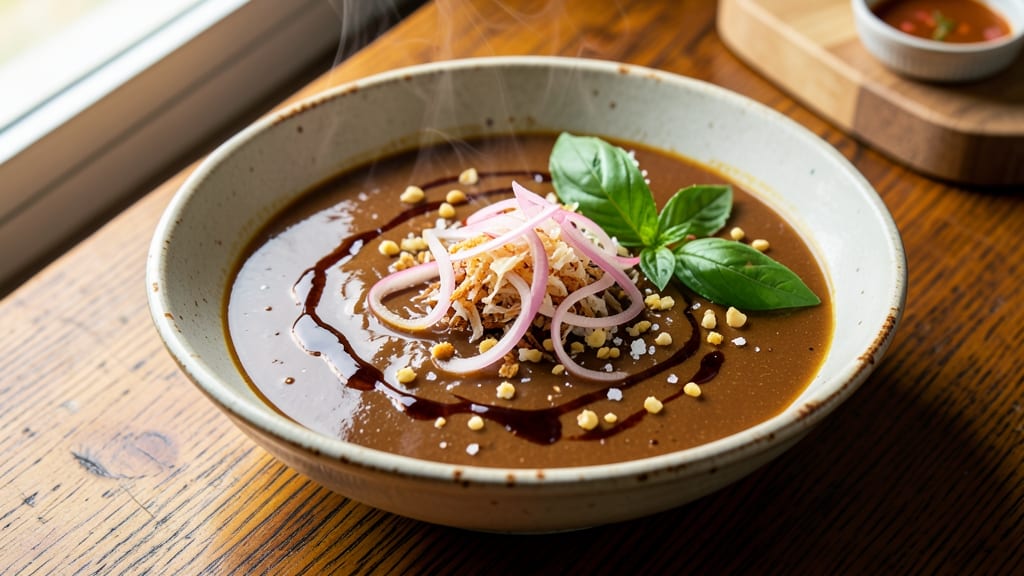
This authentic Thai brown sauce transforms any dish with its deep umami richness and toasted coconut aroma—exactly like the sauce you'd find in Bangkok street markets. The secret lies in slow-roasting coconut milk and garlic until caramelized, creating a complex base that forms the heart of this essential condiment.
I’ve perfected this recipe after years of testing, ensuring every spoonful delivers that signature balance of sweet, salty, and spicy.
What sets this sauce apart is the toasted coconut base, which adds a nutty depth that store-bought versions can’t replicate. We build layers of flavor by simmering fish sauce, soy sauce, and palm sugar until perfectly reduced, creating a thick, glossy consistency that clings to noodles, meats, or vegetables.
The result is a sauce that’s both versatile and unforgettable—ideal for dipping, marinating, or finishing dishes with authentic Thai flair.
The process is straightforward but requires patience: simmering the sauce for 20-30 minutes until it thickens into a velvety paste. This slow reduction concentrates the flavors, ensuring every bite carries that deep umami roast you crave.
Once complete, the sauce keeps for up to 2 weeks in the fridge, making it perfect for meal prep or gifting to fellow Thai food enthusiasts.
Use it to elevate pad thai, grilled meats, or even as a dipping sauce for spring rolls—this is the authentic version that stands out. Let’s get cooking!
Ingredients for authentic thai brown sauce
Nine essential ingredients transform into the soul of Thai cuisine—deep, nutty, and complex.
| Ingredient | Amount | Notes |
|---|---|---|
| Full-Fat Coconut Milk 🥥 | 1 ½ cups | Canned, high-quality brand preferred |
| Garlic Cloves 🧄 | 6 whole | Fresh, peeled, skin-on for flavor |
| Fish Sauce 🍶 | ½ cup | Red Boat brand recommended |
| Light Soy Sauce 🥄 | ¼ cup | Thai Krup brand preferred |
| Palm Sugar 🍯 | ½ cup | Finely granulated, not brown sugar |
| Thai Chili Paste 🌶️ | 1 tbsp | Maesri brand for authentic heat |
| Kaffir Lime Leaves 🍃 | 2 whole | Fresh, stems removed, torn |
| Shallots 🧅 | 3 whole | Red or yellow, finely minced |
| Extra-Virgin Olive Oil 🫒 | 1 tbsp | For roasting coconut |
| Salt 🧂 | ½ tsp | Diamond Crystal kosher preferred |
The coconut milk and garlic are the heart of this sauce. Red Boat coconut milk from the Asian market has the richest texture, but any full-fat canned brand works. For garlic, skin-on cloves add extra flavor—just peel after roasting. The fish sauce must be high-quality (Red Boat is the gold standard), as cheap versions add a metallic taste. Palm sugar is non-negotiable—regular brown sugar lacks that caramelized depth. I always grab mine at Thai markets or online, where it stays fresh and finely granulated. The Kaffir lime leaves? Fresh is critical—dried loses its citrusy punch completely.
No Red Boat fish sauce? Thai Union brand is a solid backup. Running short on palm sugar? Brown sugar plus a splash of lime juice gets you close, though it won’t be identical. Fresh Kaffir lime leaves unavailable? Substitute lime zest plus 1 tsp lime juice, but the aroma won’t be the same. The Thai chili paste can be swapped for 1 tsp sambal oelek plus 1/2 tsp sugar if needed. For the shallots, red onion works in a pinch, but it adds a sharper bite. The olive oil is just for roasting—use whatever you have, but extra-virgin adds subtle fruity notes that complement the coconut.
This sauce develops flavor over time, so make a double batch if you can. Store in a clean glass jar with a tight seal—keeps for 2 weeks in the fridge or 3 months in the freezer. I portion mine into ice cube trays for easy single-use servings. The sauce thickens as it cools, so stir in 1 tsp water if it’s too stiff before using. Perfect for marinating, dipping, or finishing dishes—trust me, it’s worth every minute of simmering.
Why You'll Love This Recipe
- Few-Pan Magic: I swear by this sauce because it’s all about the simplicity—just one pot, no blender, no fuss. That rich coconut milk thickens beautifully with a quick simmer, and the garlic? You’re not even chopping much—just smash a few cloves and let the heat do the work.
- Umami Bomb: Between us, that fish sauce and soy combo is chef-level flavor without the pretension. The palm sugar balances it just right—a perfect sweet-salty punch that makes everything taste like a Bangkok street stall. Honestly, it’s the kind of sauce that turns a basic stir-fry into something you’d pay extra for.
- Weeknight Swiss Army: This isn’t just for curries. Drizzle it over noodles, toss it with grilled chicken, or even use it as a marinade. I’ve made it work for lazy Mondays and fancy dinner guests—no one ever asks what’s in it, but they always ask for seconds.
- Budget Goldmine: A single batch stretches across three meals, and the ingredients? Affordable without being cheap. That full-fat coconut milk makes it luscious, but you’re not breaking the bank—just a few staples that do heavy lifting. (Yes, even on a Tuesday night.)
Step-by-step instructions for authentic Thai brown sauce
Here's how to build this complex sauce from scratch with deep umami layers and toasted coconut notes.
Toast the Coconut Milk for Rich Depth
Pour the 1.5 cups full-fat coconut milk into a heavy-bottomed saucepan and place it over medium heat. Let it warm gently for 5 minutes without stirring, allowing the surface to develop a thin, golden skin. This step is crucial—it creates the signature toasted coconut flavor that distinguishes authentic brown sauce.
Once you see that golden skin form, use a silicone spatula to gently break it up and distribute the toasted bits throughout the milk. This ensures even flavor distribution. Keep the heat at medium-low for another 5 minutes, stirring occasionally, until the milk begins to thicken slightly and takes on a nutty aroma. The toasted coconut flavor will become more pronounced as it develops.
Build the Umami Base with Aromatics
Increase the heat to medium and add the 1 tablespoon extra-virgin olive oil. When the oil is shimmering, add the 3 whole shallots you've finely minced and cook for 3-4 minutes until they soften and become translucent. This is where the foundation of your sauce begins to form.
Add the 6 whole garlic cloves (peeled but skin-on for extra flavor) and the 2 whole kaffir lime leaves (torn into smaller pieces). Cook for another 2 minutes until the garlic turns golden and fragrant. The kaffir lime leaves will infuse their citrusy aroma into the sauce. Be careful not to let the garlic burn—it should smell sweet and nutty, not bitter.
Incorporate the Flavor Bomb Ingredients
Reduce the heat to low and add the 1 tablespoon Thai chili paste, stirring constantly to distribute it evenly. The paste will darken the sauce immediately and introduce a complex heat profile. Next, add the 0.5 cup palm sugar and stir until it begins to dissolve, creating a glossy sheen on the sauce.
Pour in the 0.5 cup fish sauce and 0.25 cup light soy sauce, stirring vigorously to combine. The sauce will darken noticeably as the fish sauce and soy sauce integrate with the other ingredients. Taste at this point—you should detect layers of sweet, salty, umami, and spicy flavors developing. This is where the magic happens, so don't rush this step.
Simmer to Develop Complexity
Increase the heat to medium and bring the sauce to a gentle simmer. Let it cook uncovered for 15-20 minutes, stirring occasionally, until it reduces by about one-third and becomes syrupy. The sauce should coat the back of a spoon and have a thick, glossy consistency. This reduction process concentrates the flavors and creates the signature brown color.
During this time, the palm sugar will caramelize slightly, adding another layer of depth. The kaffir lime leaves will continue to infuse their citrus notes, while the fish sauce and soy sauce meld together to create a perfect balance of saltiness and umami. The Thai chili paste will develop a more complex heat profile as it cooks down.
Finish with Salt and Strain for Perfection
Remove the sauce from heat and stir in the 0.5 teaspoon salt. Let it cool slightly for 2 minutes, then strain it through a fine-mesh sieve into a clean bowl or jar. This step removes the kaffir lime leaves and any remaining shallot bits, leaving you with a smooth, velvety sauce. The strained sauce should be a rich, deep brown color with a glossy sheen.
Taste and adjust the seasoning if needed. You might need a touch more fish sauce for saltiness or a pinch more palm sugar for sweetness. The sauce should be balanced—sweet, salty, umami-rich, and slightly spicy with a bright citrus note from the kaffir lime. This authentic Thai brown sauce is now ready to elevate any dish, from stir-fries to grilled meats.
Pro Tips For Making Authentic Thai Brown Sauce
- Bloom the Garlic First: Toss minced garlic in a dry pan for 30 seconds until fragrant—just until you smell it, not until it browns. I learned this the hard way when my sauce tasted bitter because I rushed straight to the coconut milk. That quick bloom builds flavor without burning.
- Simmer Low and Slow: Reduce heat to the lowest setting once the coconut milk comes in, or it’ll curdle faster than you can say "pad thai." I used to walk away, then come back to scrambled coconut—now I just leave it alone for 20 minutes, stirring every 5.
- Use Real Palm Sugar: Skip the white sugar substitute—it’s not the same. Palm sugar’s caramel notes cut through the saltiness of fish sauce better than any granulated sugar. If you must substitute, dissolve it first in a splash of warm water to avoid graininess.
- Balance the Fish Sauce: Start with half the amount listed, taste, then add more. Fish sauce is the soul of the sauce, but too much turns it flat. I now add it in two batches: first for depth, then for brightness, adjusting as I go.
Serving suggestions for this recipe
Dipping Sauce Perfection
This sauce transforms into an irresistible dipping sauce when thinned with a splash of warm water—about 1-2 tablespoons per ¼ cup sauce. Serve it alongside spring rolls, fried tofu, or grilled pork skewers for that authentic Bangkok street food experience.
I like to drizzle it over steamed rice or rice paper rolls for extra flavor. 🥢
Marinade Magic
Use this sauce as a marinade for chicken, pork, or shrimp—just coat your protein generously and marinate for 30 minutes to 2 hours in the fridge. The umami and sweet notes caramelize beautifully during grilling or stir-frying.
For extra depth, add 1 tablespoon lime juice to the marinade before applying. I’ve used it on Thai basil chicken skewers with stunning results.
Noodle Elevator
Stir 1-2 tablespoons of this sauce into your finished pad thai, drunken noodles, or rice noodle salads right before serving. The toasted coconut and palm sugar create a perfect balance with the tangy tamarind or fish sauce base.
For extra richness, drizzle with crushed peanuts and fresh cilantro on top. Trust me, your noodles will taste like you’ve been to Thailand!
Grilled Meat Glaze
Brush this sauce onto grilled pork chops, beef ribs, or Thai-style satay skewers during the last 5-10 minutes of cooking. The palm sugar caramelizes beautifully, creating a glossy glaze that locks in moisture.
I love using it on pork belly slices—the sauce adds a perfect sweet-savory contrast to the fatty meat. 🔥
Rice Bowl Upgrade
Transform simple rice bowls into gourmet meals by spooning 1-2 tablespoons of this sauce over steamed jasmine rice. Top with grilled shrimp, quick-pickled vegetables, and crispy fried shallots for a restaurant-quality dish.
The sauce’s depth makes even the simplest ingredients taste extraordinary. I often serve it with Thai-style egg rolls for a complete meal.
Vegetable Enhancer
Toss roasted or stir-fried vegetables like bell peppers, broccoli, or bok choy with 1-2 tablespoons of this sauce. The umami and sweetness complement the natural flavors of vegetables beautifully.
I especially love it on steamed green beans with garlic—the sauce adds a complex depth that plain soy sauce can’t match. 💫
Nutrition facts
Frequently asked questions
Why does authentic Thai brown sauce have a toasted coconut flavor?
The toasted coconut comes from gently heating the coconut milk until it develops a golden skin. This step creates a nutty, caramelized depth that's essential for authentic flavor. The skin breaks down during cooking, infusing the sauce with that signature toasted aroma you find in street food stalls.
Can I substitute palm sugar with regular brown sugar?
While you can use brown sugar in a pinch, it won't provide the same caramelized depth or authentic flavor. For best results, use palm sugar or a mix of brown sugar plus 1/2 teaspoon lime juice to mimic the citrus notes. The palm sugar's finer texture also helps create the perfect glossy consistency.
How do I adjust the spice level if I don't like heat?
Simply reduce or omit the Thai chili paste entirely. For milder heat, use just 1/2 teaspoon instead of the full 1 tablespoon called for. The sauce will still have depth without the spicy kick. You can always add more later if desired.
What's the best way to store leftover sauce?
Store in an airtight container in the fridge for up to 2 weeks or freeze for 3 months. For easy portioning, freeze in ice cube trays - just thaw what you need. The sauce thickens as it cools, so stir in 1 teaspoon water if it becomes too stiff before using.
Can I make this sauce without kaffir lime leaves?
Yes! Substitute with 1 teaspoon lime zest plus 1/2 teaspoon lime juice. While it won't be identical, you'll still get that bright citrus note. For extra authenticity, try adding 1/4 teaspoon dried lime zest if you can find it at Asian markets.