
Sauces & Condiments
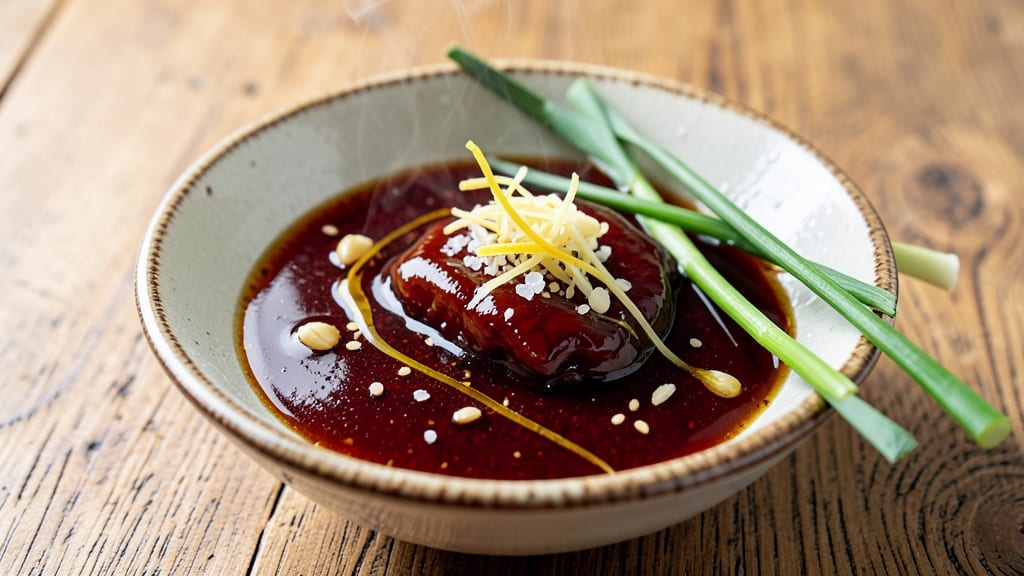
This authentic teriyaki sauce recipe from scratch delivers the glossy, sweet-savory glaze that transforms ordinary proteins into restaurant-quality masterpieces. The secret lies in balancing soy sauce, mirin, and sugar through slow reduction, creating that signature umami depth and caramelized sheen.
I developed this version after years of testing—no shortcuts, just traditional techniques that deliver professional results every time.
The process is simpler than it sounds: simmering the ingredients until thick and glossy, then adjusting the balance of sweetness and salt to perfection. What sets this apart is the slow reduction that develops complex flavors, not just the basic sweet-and-salty profile.
The sauce keeps well in the fridge for up to 2 weeks or freezes beautifully for longer storage, making it perfect for meal prep.
By the end, you'll have a rich, velvety sauce that clings beautifully to grilled chicken, seared salmon, or roasted vegetables. The aroma alone will have everyone asking what you're cooking, and the first bite will confirm it's worth the effort.
This isn't just teriyaki—it's the kind of sauce that makes you want to cook everything in it.
Use it as a glaze, dipping sauce, or marinade, but be warned: once you taste homemade, store-bought versions won't measure up. Here's how to make it from scratch—no substitutions needed for that authentic flavor.
Ingredients for authentic teriyaki sauce recipe from scratch
Nine core ingredients for restaurant-quality teriyaki that beats store-bought every time.
| Ingredient | Amount | Notes |
|---|---|---|
| Kosher Soy Sauce 🍶 | ¾ cup | High-quality, not reduced |
| Mirin 🍶 | ½ cup | Sweet cooking wine, not sub |
| Granulated Sugar 🍚 | ½ cup | White or brown preferred |
| Fresh Ginger Root 🌿 | 2 tbsp | Finely grated, not powdered |
| Garlic Cloves 🧄 | 4 cloves | Minced, fresh preferred |
| Sesame Oil 🫒 | 1 tbsp | Toasted, not flavored |
| Rice Vinegar 🍶 | ¼ cup | White or seasoned preferred |
| Diamond Crystal Kosher Salt 🧂 | 1 tsp | Adjust to taste |
| Sesame Seeds 🌰 | 1 tbsp | Toasted for garnish |
Mirin is the game-changer here—Japanese markets or Asian grocery stores carry the real stuff, but Trader Joe's has a decent substitute if you're in a pinch. Look for mirin with at least 14% alcohol and a sweet, fruity aroma. The soy sauce should be kosher-style, not the thick tamari variety, for that classic teriyaki balance. Fresh ginger and garlic are non-negotiable; powdered versions lack the depth. I always buy ginger root and grate it myself—the extra 2 minutes makes all the difference. For sesame oil, grab the toasted kind (not the flavored salad dressing version) from the international aisle.
No mirin? Dry sherry plus 1 tsp sugar gets you close, but the flavor won't be identical. Subbing rice vinegar for mirin entirely? Add an extra 0.25 tsp sugar to compensate. The sesame oil can be skipped if you're sensitive to its flavor, but I recommend keeping it—just use half the amount. For a deeper umami punch, add 1 tsp fish sauce (if not vegetarian) or 1 tsp soy sauce reduction. The sugar can be swapped for honey or maple syrup, but white sugar gives that classic caramelized sheen. Pro tip: toast your sesame seeds in a dry pan for 30 seconds before adding to the sauce—they'll be infinitely more flavorful.
This sauce develops better with time, so let it sit for at least 30 minutes before using. It keeps in the fridge for 2 weeks in an airtight container, though the flavor peaks after 5-7 days. For longer storage, freeze in ice cube trays—perfect for single-use portions. The sauce thickens as it cools, so thin with a splash of water if needed. I always make extra because it disappears faster than you'd think—glazed salmon, stir-fries, and even roasted Brussels sprouts become instant crowd-pleasers.
Why You'll Love This Recipe
- Five-Ingredient Magic: I swear by this lineup—kosher soy, mirin, sugar, ginger, and garlic. No weird additives, no store-bought shortcuts, just pure, balanced flavor that actually tastes like it came from a Japanese izakaya. The fresh ginger and garlic add that je ne sais quoi that bottled sauce never quite nails.
- One-Pot Wonder: Simmer it all together—no blending, no straining, just a single pot that smells like heaven while it works. Honestly, the hardest part is waiting for it to thicken, and even then, you can adjust with a splash of water if it gets too stubborn. (Between us, I’ve burned the sugar once. Don’t skip the low-and-slow approach.)
- Glazes Everything: This sauce isn’t just for chicken—it’s my go-to for salmon, tofu, even roasted Brussels sprouts. I keep a jar in the fridge because it turns anything into a showstopper, whether it’s weeknight dinners or company-worthy plates. The mirin adds that sweet, glossy finish that makes everything look (and taste) restaurant-worthy.
- Budget Stretch: A little goes a long way, and since I make big batches, I freeze what I don’t use. That means fewer takeout nights and more money in my pocket—plus, the leftovers taste just as good reheated as they do fresh. (Yes, even on a Tuesday night.) The sugar and mirin balance the soy perfectly, so you’re not drowning in salt or artificial junk.
Step-by-step instructions for authentic teriyaki sauce
Here's how to craft a restaurant-quality teriyaki sauce that balances sweetness, saltiness, and umami depth.
Bloom the Aromatics in Sesame Oil
Heat a small saucepan over medium-low heat and add the 1 tablespoon sesame oil. Once the oil shimmers gently, add the 2 tablespoons finely grated fresh ginger root and 4 minced garlic cloves. Cook for 1-2 minutes until the ginger becomes fragrant and the garlic releases its pungent aroma.
This step is crucial for building flavor depth. You'll know it's ready when the garlic turns golden around the edges and the mixture smells intensely aromatic. Remove from heat immediately to prevent burning—ginger and garlic can turn bitter in seconds if left too long.
Combine Wet Ingredients and Simmer
Return the pan to medium heat and pour in the 0.75 cup kosher soy sauce, 0.5 cup mirin, 0.25 cup rice vinegar, and 0.5 cup granulated sugar. Stir constantly with a wooden spoon to dissolve the sugar completely—this should take about 2-3 minutes.
Bring the mixture to a gentle boil, then reduce heat to low and let it simmer uncovered for 10-12 minutes. You're looking for the sauce to reduce by about one-third, becoming syrupy and glossy. The sugar should fully dissolve, and the sauce should coat the back of a spoon. If it thickens too quickly, add 1 tablespoon water to maintain consistency.
Season and Finish the Sauce
Taste the sauce and adjust seasoning with the 1 teaspoon diamond crystal kosher salt—this is where you fine-tune the balance between sweet, salty, and umami. The sauce should taste rich and complex, not cloyingly sweet. If it needs more depth, add 1 teaspoon additional soy sauce or 1 teaspoon mirin.
Once perfectly seasoned, remove the pan from heat and let the sauce cool slightly. The reduction process continues even off the heat, so don't let it sit too long or it may become too thick. For a smoother texture, strain the sauce through a fine-mesh sieve to remove any ginger or garlic bits if desired.
Toast and Prepare Sesame Seeds for Garnish
While the sauce cools, dry-toast the 1 tablespoon sesame seeds in a small dry skillet over medium heat for 1-2 minutes, stirring constantly, until they turn a rich golden brown and release their nutty aroma. Transfer immediately to a small bowl to prevent further cooking.
These toasted seeds add both visual appeal and a delightful crunch when drizzled over dishes. Their aroma will complement the sauce's complexity, creating a perfect balance of textures. Store any unused sauce in an airtight container in the refrigerator for up to 2 weeks, or freeze for up to 3 months.
Pro Tips For Making Authentic Teriyaki Sauce Recipe From Scratch
- Simmer Slow and Steady: I used to rush the reduction, thinking more heat meant faster results—until I ended up with a bitter, syrupy mess. Keep it at a gentle simmer (small bubbles, occasional swirls) for at least 15-20 minutes, or until the sauce thickens to coat the back of a spoon. This isn’t the time to walk away.
- Grate, Don’t Mince Ginger: Fresh ginger loses its punch when overworked, and mincing it into oblivion just turns it into paste. Use a microplane or the largest holes of a box grater—about 2 teaspoons of zest-like strips—and let the heat dissolve it naturally. No need to chop it into submission; the sauce will do the work.
- Balance Sugar First: Adding all the sugar at once can turn your sauce cloying, especially if you’re using a strong soy sauce. Dissolve half the sugar in the mirin first, then add the rest gradually while tasting. This lets the flavors marry instead of overwhelming each other—trust me, your taste buds will notice the difference.
- Toast Garlic Lightly: Raw garlic can dominate the sauce, leaving a harsh aftertaste. Sear the minced cloves in a dry pan for 30 seconds until fragrant but not browned—just golden edges. Then add them to the sauce with the ginger. This mellows the flavor and deepens the aroma without burning. (Yes, even if you’re impatient like me.)
Essential equipment for great authentic teriyaki sauce recipe from scratch
Small Saucepan
Start with a 2-quart stainless steel saucepan—it’s large enough to accommodate all ingredients without overcrowding but small enough to control heat precisely. I use my All-Clad 2-quart pan because it distributes heat evenly, preventing hot spots that can burn the sauce.
Avoid nonstick pans for this recipe—they can’t handle the prolonged simmering and won’t develop the same caramelized depth. 🔥
Wooden Spoon
A long-handled wooden spoon is essential for stirring the sauce without scratching the pan or burning your hands. I prefer maple or bamboo spoons because they’re heat-resistant and gentle on delicate sauces.
Avoid metal spoons—they can react with the acidity in rice vinegar and soy sauce over time. Keep the spoon handy for constant stirring during the simmering phase.
Fine-Mesh Sieve
For a silky-smooth sauce, strain out any ginger or garlic bits using a fine-mesh stainless steel sieve. I recommend the OXO Good Grips model—it’s durable and won’t clog easily. If you’re short on time, skip this step, but the texture will be slightly coarser.
Pro tip: Press the strained solids with the back of a spoon to extract every last drop of flavor. 💫
Small Skillet
Toast your sesame seeds in a small nonstick skillet over medium heat. A 7-inch cast iron skillet works perfectly for this task—it heats quickly and maintains even temperatures. Keep the heat low to medium to prevent burning; sesame seeds burn faster than you’d think.
Transfer them immediately to a bowl once golden to stop the toasting process.
Kitchen Scale
While the recipe lists measurements in cups and tablespoons, I always recommend using a digital kitchen scale for precise ingredient control. A OXO Good Grips scale is my go-to—it measures in both grams and ounces with accuracy.
For example, 0.5 cup granulated sugar weighs about 200 grams. This ensures consistent flavor balance, especially when adjusting seasoning. It’s a small investment that makes a big difference in professional results.
Air-Tight Container
Store your finished teriyaki sauce in a glass airtight container with a lid to maintain freshness. I use Pyrex glass jars because they’re durable and won’t absorb odors. For longer storage, divide the sauce into ice cube trays—freeze, then transfer cubes to a freezer bag.
This makes it easy to thaw only what you need. Label containers with the date to track freshness. ❄️
Nutrition facts
Frequently asked questions
Can I make this teriyaki sauce without mirin?
Yes, but the flavor won't be identical. Replace the 0.5 cup mirin with 0.25 cup dry sherry plus 1 teaspoon sugar or 0.25 cup white wine plus 1 teaspoon sugar. For a non-alcoholic version, use 0.25 cup apple juice plus 1 teaspoon sugar. The sauce will still work, but mirin's sweetness and depth are hard to replicate.
How do I adjust the sweetness level?
Start with the full 0.5 cup sugar, then taste as you simmer. For less sweetness, reduce sugar by 1-2 tablespoons and add 1 teaspoon extra rice vinegar to balance. If it's too sweet later, thin with 1 tablespoon water and add 1/4 teaspoon soy sauce for umami. The sauce should taste complex, not cloying.
Can I use this sauce as a marinade?
For best results, marinate proteins for 30 minutes to 2 hours in the refrigerator. Use 1/4 cup sauce per pound of meat (chicken, salmon, or tofu). Reserve 2 tablespoons for basting during cooking. Never marinate longer than 4 hours—the acidity can make meat mushy. For extra tenderness, add 1 teaspoon honey to the marinade.
Why did my sauce turn out too thick?
This happens when the sauce reduces too much. Thin with 1-2 tablespoons warm water while stirring constantly. For future batches, simmer at low heat and check frequently. If using a nonstick pan, reduce heat even more—these pans conduct heat differently. The sauce should coat the back of a spoon but remain pourable.
How can I make this sauce spicier?
Add 1/2 teaspoon red pepper flakes or 1 teaspoon sriracha at the end of cooking. For deeper heat, infuse the sauce with 1 sliced chili pepper (like Thai bird's eye) during simmering. Remove the pepper before straining if you want a smoother texture. Start with small amounts—teriyaki's natural sweetness balances heat beautifully.