
Sauces & Condiments
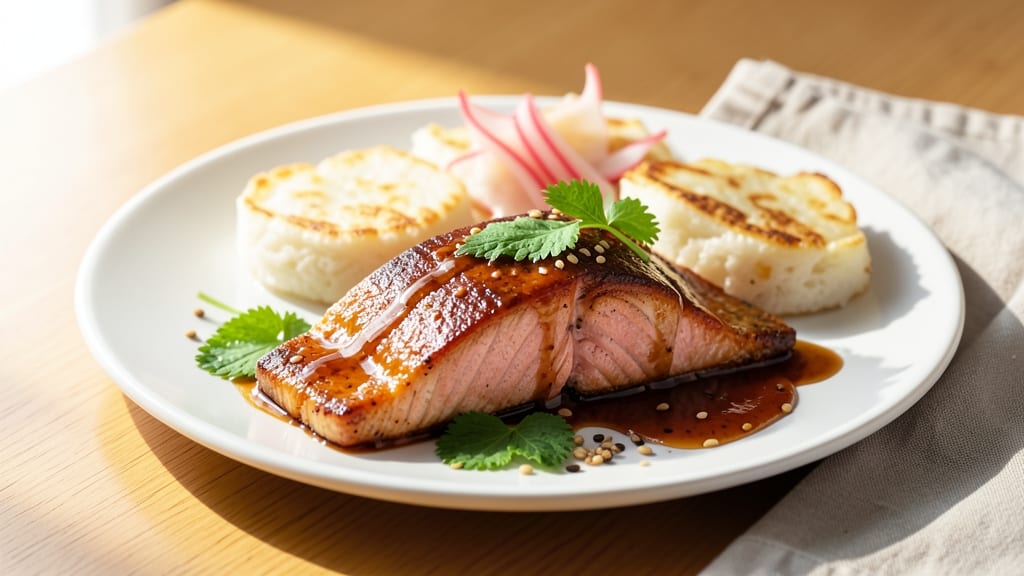
Aloha shoyu teriyaki sauce transforms simple dishes into restaurant-quality meals with its sweet-savory balance and Hawaiian-inspired depth. This recipe blends traditional Japanese teriyaki with the bold flavors of aloha shoyu—a fermented soy sauce with a distinct umami kick.
The result? A glossy, versatile sauce that glazes meats perfectly, marinates with intensity, or drizzles over rice bowls for instant elevation.
The secret lies in the three-stage reduction—first simmering soy sauce, mirin, and sugar to dissolve flavors, then adding garlic, ginger, and sesame oil for aromatic layers, and finally reducing until thick enough to coat a spoon.
No artificial additives here, just real, balanced umami that enhances rather than overpowers. The sauce keeps well in the fridge for up to 2 weeks, making it a pantry staple for quick weeknight cooking.
What makes this sauce stand out is its adaptability—use it as a glaze for grilled chicken or salmon, a marinade for tofu or beef, or a drizzle over steamed vegetables. The aloha shoyu adds a subtle tropical warmth that pairs beautifully with both Asian and Western flavors.
Whether you're cooking for a crowd or meal prepping, this sauce delivers restaurant-quality results with minimal effort.
Ready in just 20 minutes, this recipe requires only 7 simple ingredients and one pot. The process is straightforward, but the flavor development is what turns it into a game-changer for home cooks. Let’s get started—your taste buds (and dinner guests) will thank you.
Ingredients for aloha shoyu teriyaki sauce
Seven ingredients for a sauce that elevates any dish with its bold Hawaiian-Japanese fusion.
| Ingredient | Amount | Notes |
|---|---|---|
| Aloha Shoyu 🥫 | ½ cup | Fermented soy sauce for depth |
| White Soy Sauce 🥫 | ¼ cup | For balanced umami |
| Mirin 🍶 | ¼ cup | Sweetening agent, not sugar |
| Granulated Sugar 🍚 | ¼ cup | White sugar preferred |
| Garlic Cloves 🧄 | 4 cloves | Minced for aromatic depth |
| Fresh Ginger 🌿 | 1 tbsp | Finely grated, not powdered |
| Sesame Oil 🫒 | 1 tbsp | Toasted, not flavored |
Aloha shoyu is the heart of this sauce—look for brands like Yamasa or Hawaiian Gold in Asian markets or well-stocked grocery stores. The white soy sauce should be high-quality, like Kikkoman or Pearl River Bridge, to avoid artificial aftertastes. Mirin adds sweetness without overpowering; avoid the cheaper 'cooking wine' substitutes. For the garlic and ginger, fresh is non-negotiable—powdered versions lack the aromatic complexity. Sesame oil should be toasted, not flavored, for that nutty depth. If you can't find aloha shoyu, substitute with a mix of soy sauce and a dash of pineapple juice for a tropical twist.
No mirin? A 1:1 ratio of white wine and sugar works in a pinch, though the flavor won’t be identical. Fresh ginger too fibrous? Substitute with 1 tsp ground ginger, but reduce to half the amount. Sesame oil unavailable? Neutral oil plus 1/4 tsp toasted sesame seeds mimics the flavor profile. For a deeper umami kick, add 1 tsp fish sauce or soy sauce—just don’t overdo it. The sugar can be swapped for honey or maple syrup, though white sugar dissolves most cleanly in the reduction. Always taste as you go; adjustments are key to balancing sweet and savory.
This sauce thickens as it cools, so store it in a sealed jar in the fridge for up to 2 weeks. For longer storage, freeze in ice cube trays—perfect for portion control. Reheat gently in a saucepan or microwave, stirring occasionally. The sauce gains complexity over time, so older batches often taste richer. Label clearly; it’s versatile enough to confuse even seasoned cooks. Use within 2 weeks for peak flavor, though it remains edible for months if properly stored.
Why You'll Love This Recipe
- Five-Ingredient Magic: I swear by this combo—just Aloha Shoyu, white soy, mirin, sugar, and garlic. No fancy reductions, no waiting for hours. Honestly, I’ve made teriyaki sauces that took forever, but this? Simmered down in 15 minutes while I chop veggies for the same meal.
- Umami Bomb: That first slurp of garlic-infused teriyaki? Chef’s kiss. The Aloha Shoyu adds this deep, salty-sweet punch, while the mirin keeps it bright—not cloying, not dull. It’s the kind of sauce that makes you pause mid-bite, like, “Wait, I made this?”
- Weeknight & Weekend: Drizzle it on grilled salmon for a fancy-ish dinner. Toss it with roasted chicken thighs for a lazy Sunday. Between us, I’ve even used it in a quick stir-fry when I forgot to meal prep. It’s the ultimate “I’ve got this” sauce.
- Leftovers That Don’t Suck: Make a double batch—trust me, you will. This sauce keeps for weeks in the fridge, and it only gets better as the flavors meld. Freeze half for when you’re too tired to cook, and thaw it straight into a pan. No waste, all flavor.
Step-by-step instructions for aloha shoyu teriyaki sauce
This method delivers a perfectly balanced teriyaki with authentic Hawaiian depth and silky texture.
Combine Base Ingredients in a Saucepan
In a medium saucepan, whisk together the 0.5 cup Aloha Shoyu, 0.25 cup White Soy Sauce, and 0.25 cup Mirin. The Aloha Shoyu provides that signature Hawaiian funk while the white soy sauce adds clean umami. Bring this mixture to a gentle simmer over medium heat—you should see small bubbles forming at the edges but not a full boil.
Simmer for 3-4 minutes until the liquid reduces slightly and the aromas intensify. You'll notice the mirin's sweetness mellowing as it begins to integrate with the soy sauces. This reduction step is crucial—it concentrates the flavors and creates the sauce's signature glossy finish. Keep the heat at medium-low to prevent scorching.
Add Sugar and Aromatics
In a small bowl, finely mince the 4 cloves Garlic Cloves and grate the 1 tbsp Fresh Ginger using a microplane. The fresh ginger should resemble fine snowflakes—this ensures even distribution and maximum flavor extraction. Add these to the simmering sauce along with the 0.25 cup Granulated Sugar.
Stir constantly for 2-3 minutes until the sugar completely dissolves and the mixture becomes translucent. You should smell the garlic's sharp aroma and the ginger's citrusy warmth permeating the sauce. This is when the sauce begins its transformation from simple ingredients to complex flavor. If you see any sugar crystals lingering, add a teaspoon of water to help dissolve them completely.
Finish with Sesame Oil and Simmer
Remove the saucepan from heat and stir in the 1 tbsp Sesame Oil. This is where the sauce gains its nutty depth and aromatic finish. The sesame oil should be toasted—not flavored—so it contributes its natural aroma without overpowering. Return the pan to low heat and let the sauce simmer gently for an additional 5 minutes.
During this final simmer, the sauce will thicken slightly and develop a beautiful glossy sheen. You're looking for a consistency that coats the back of a spoon but remains pourable. If it thickens too much, whisk in 1-2 tablespoons of water to achieve the perfect coating texture. The sauce should be ready when it reaches a temperature of 180°F—hot enough to kill any bacteria but not so hot it burns when applied to proteins.
Strain and Rest for Maximum Flavor
Line a fine-mesh strainer with cheesecloth or a coffee filter and strain the sauce into a clean bowl. This removes any garlic or ginger bits that might make the sauce grainy. The strained sauce should be smooth and glossy with a deep amber color. Let it cool to room temperature—this resting period allows the flavors to meld completely.
For best results, refrigerate the sauce for at least 30 minutes before using. The flavors will deepen and the texture will become even more velvety. When ready to use, gently reheat over low heat until warmed through, stirring occasionally to maintain its silky consistency. This teriyaki sauce will keep in the refrigerator for up to 2 weeks, making it perfect for batch cooking and meal prep.
Pro Tips For Making Aloha Shoyu Teriyaki Sauce
- MINCE THAT GARLIC: I learned this the hard way—chopping garlic cloves into rough chunks just doesn’t cut it here. For aloha shoyu teriyaki, you want those cloves finely minced (almost paste-like) so they dissolve into the sauce instead of sitting as chewy bits. Use the flat side of your knife blade or a garlic press—your future self will notice the difference.
- SIMMER LOW AND SLOW: After burning three batches, I finally figured out: this sauce needs gentle heat. Start on medium-high to dissolve the sugar, then drop it to a barely simmer—just enough to see tiny bubbles at the edges. Rushing it turns the sugar into a gluey mess instead of a glossy, balanced glaze.
- WHISK IN THE MIRIN LAST: Sounds weird, but it works: add mirin after the sugar’s dissolved and the sauce has thickened slightly. Why? Mirin’s alcohol evaporates quickly, and you want it to contribute its sweetness without turning the sauce into a boozy puddle. Stir it in, then let the whole thing simmer for another 30 seconds—just until it’s fully incorporated.
- BALANCE THE SALTY SWEET: Aloha shoyu and white soy sauce pack a salty punch, but sugar can overpower if you’re not careful. Taste as you go—if it’s cloying, add a splash of water or a pinch of extra garlic to cut through. My grandmother swore by this, and she was right: the sauce should taste complex, not like a dessert glaze.
Storing and reheating this dish
Fridge Storage Essentials
Store your aloha shoyu teriyaki sauce in an airtight glass jar—I prefer Le Parfait 16-ounce containers—to preserve its glossy texture and prevent absorption of fridge odors. The sauce thickens slightly when chilled, so give it a quick stir before using.
For best flavor, refrigerate for 2-3 days before first use, allowing the ingredients to fully meld. Label with the date—it keeps for up to 2 weeks at 40°F or below. 🥫
Freezer-Friendly Tips
For longer storage, freeze the sauce in ice cube trays—perfect for portion control when glazing proteins. Once frozen, transfer cubes to a ziplock freezer bag, squeezing out excess air to prevent freezer burn. Thaw overnight in the fridge or microwave in 10-second bursts until just thawed.
The sauce maintains its quality for up to 3 months this way, though I recommend using it within 2 months for peak flavor. ❄️
Reheating Without Ruining
To reheat, transfer the sauce to a small saucepan and warm over low heat—never boil—to avoid breaking the sauce’s silky consistency. Stir frequently and add 1-2 tablespoons of water if it thickens too much.
For microwave reheating, use 30-second intervals on 50% power, stirring between each interval. The sauce should reach 165°F to ensure safety while maintaining its glossy finish. 🔥
Reviving Thickened Sauce
If your teriyaki sauce thickens beyond ideal consistency after storage, thin it with warm water or mirin—about 1 teaspoon at a time—while stirring constantly. For a richer texture, whisk in ½ teaspoon of cornstarch slurry (1 tsp cornstarch + 1 tsp water) and simmer for 1 minute.
Never add cold liquid directly to hot sauce, as this can cause separation. Always reheat gently to preserve the sauce’s balance of sweet and umami. ✨
Sauce Shelf Life Secrets
The sauce actually improves over time, developing deeper umami flavors as the ingredients marry. For maximum freshness, store it in the back of the fridge where temperatures are most stable. If you notice mold or an off smell, discard it immediately—teriyaki sauce doesn’t last indefinitely, even with proper storage.
I’ve found that using it within 10 days yields the most vibrant flavor profile. 💡
Portion Control Hacks
Divide the sauce into small glass jars (like 4-ounce mason jars) before storing for easy grab-and-go glazing. This prevents overuse and keeps the sauce fresh longer. For meal prep, pair with grilled chicken or tofu in separate containers—just add sauce when ready to eat.
The sauce’s versatility makes it perfect for weeknight dinners, but portioning ensures you don’t waste it on one-off meals. 📅
Nutrition facts
Frequently asked questions
What's the difference between aloha shoyu teriyaki and regular teriyaki sauce?
Aloha shoyu teriyaki gets its unique flavor from fermented aloha shoyu—a Hawaiian soy sauce with a deeper, funkier profile than regular soy sauce. This version has a more complex umami kick with subtle tropical notes, while traditional teriyaki relies on simpler soy-mirin-sugar combinations. The aloha shoyu adds that signature Hawaiian punch without overpowering the classic sweet-savory balance.
Can I make this sauce without mirin?
Yes! For a quick substitute, mix 1:1 white wine and sugar (by volume) to mimic mirin's sweetness and acidity. However, the sauce will taste slightly different—mirin's natural enzymes help break down flavors during simmering. For a closer match, use 1 tbsp honey or maple syrup plus 1 tsp rice vinegar instead. The texture may be slightly less glossy, but the flavor will still be delicious.
How do I know when the sauce is thick enough?
The sauce is ready when it coats the back of a spoon smoothly but remains pourable. Aim for a consistency between honey and heavy cream. If it thickens too much during simmering, whisk in 1-2 tbsp water gradually. For glazing meats, you want it to drip slightly when brushed on—this ensures both coating and shine without dripping off the protein.
What proteins work best with this sauce?
This versatile sauce glaze works beautifully on chicken thighs, salmon fillets, tofu, and beef short ribs. For best results, marinate proteins for 30-60 minutes before cooking. The sauce's balanced sweetness caramelizes perfectly on the grill or in the oven. For delicate fish like trout, use it as a finishing drizzle rather than a marinade to prevent overpowering the natural flavor.
Why did my sauce turn cloudy after refrigerating?
Cloudiness often happens when the sauce separates due to temperature changes. To fix it, gently reheat the sauce over low heat while stirring constantly until smooth. If it still looks off, whisk in 1 tsp cornstarch mixed with 1 tsp water and simmer for 1 minute. This should restore its glossy appearance. For prevention, let the sauce cool completely before refrigerating to avoid condensation.