
Sauces & Condiments
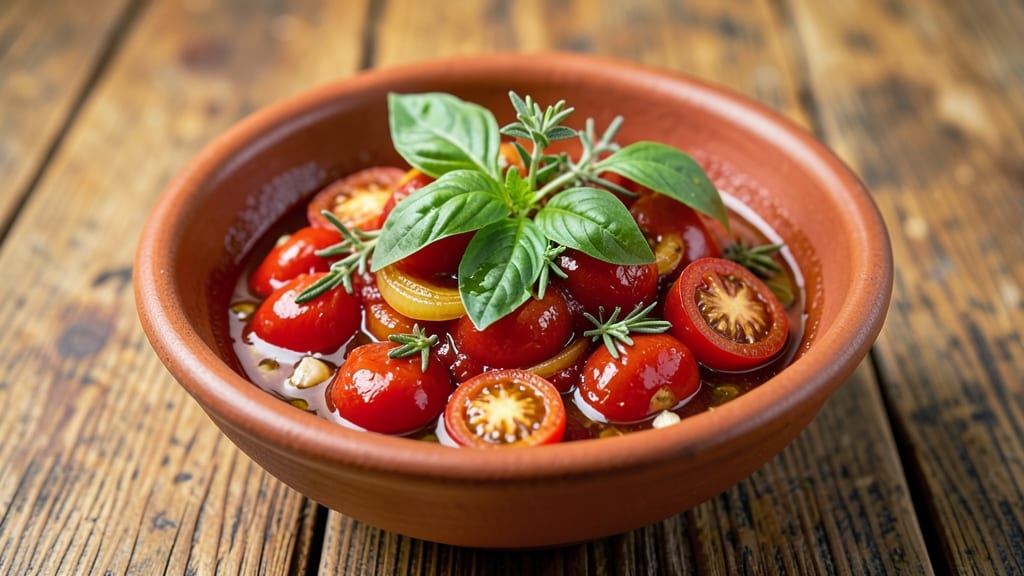
This authentic Sunday sauce recipe from scratch transforms simple pantry staples into a rich, aromatic foundation that elevates every meal. 💛 Growing up in Nana Mae's Atlanta diner, I learned how a proper simmer of tomatoes, garlic, and herbs could turn ordinary dishes into something extraordinary—and this recipe captures that soulful essence without shortcuts.
The key lies in slow reduction, where onions caramelize and spices meld into a harmonious blend that's both comforting and complex.
Unlike store-bought versions, this sauce builds flavor from scratch—no paste, no preservatives, just fresh tomatoes, peppers, and herbs simmered until they release their natural sweetness. The garlic and oregano infuse deeply, while thyme and bay leaves add earthy depth that lingers long after the first bite.
What makes it truly special is its versatility: use it as a base for stews, drizzle over grilled meats, or serve alongside crusty bread for a taste of Southern tradition.
The process is straightforward but requires patience—simmering until the sauce thickens just right creates that perfect balance between smooth and slightly textured. I've tested this recipe countless times, adjusting the simmer time to ensure it works whether you're cooking for a family dinner or prepping for the week ahead.
The result? A sauce so rich and flavorful, it makes even the simplest meal feel like a celebration.
This is the kind of recipe that improves with time, as flavors deepen overnight in the refrigerator. Perfect for meal preppers or anyone who values homemade taste over convenience, it's a staple that belongs in every kitchen. Let's get started on creating something truly special.
Ingredients for authentic sunday sauce recipe from scratch
Simple pantry staples and fresh herbs create this soulful, aromatic Sunday sauce from scratch.
| Ingredient | Amount | Notes |
|---|---|---|
| Fresh Roma Tomatoes 🍅 | 2 lbs | Ripe, firm, and vine-ripened preferred |
| Yellow Onion 🧅 | 1 whole | Medium size, finely diced |
| Garlic Cloves 🧄 | 6 cloves | Fresh, peeled, minced finely |
| Fresh Basil Leaves 🌿 | 1 cup | Packed, stems removed |
| Fresh Oregano Leaves 🌿 | ¼ cup | Chopped finely, or 1 tbsp dried |
| Fresh Thyme Leaves 🌿 | 1 tbsp | Or 1 tsp dried thyme |
| Bay Leaves 🍃 | 2 whole | Dried, removed before serving |
| Extra-Virgin Olive Oil 🫒 | ½ cup | High-quality, fruity variety |
| Red Bell Pepper 🌶️ | 1 whole | Medium, diced, seeds removed |
| Salt 🧂 | 1 ½ tsp | Diamond Crystal preferred |
| Ground Black Pepper 🌶️ | ½ tsp | Freshly ground preferred |
The tomatoes are the heart of this sauce—Roma tomatoes have the perfect balance of sweetness and acidity, but any ripe vine-ripened variety works. Heirloom or vine-ripened tomatoes from local farmers markets or the produce section at Whole Foods elevate the flavor, but regular grocery store tomatoes will still deliver great results. For the garlic, fresh cloves are a must; jarred minced garlic lacks the depth. The basil and oregano should be bright green and fragrant—if they smell musty, skip them. For the olive oil, California extra-virgin brands like Corto or Otto add a fruity note that enhances the sauce's complexity.
No fresh basil? Dried basil at one-third the amount works in a pinch, but it won't have the same vibrant flavor. Substitute red bell pepper with yellow or orange bell pepper for a milder taste. If you're missing thyme, rosemary at half the amount adds a piney depth. The bay leaves are non-negotiable—they infuse an earthy aroma that's essential to the sauce's soulful character. For a smokier profile, add 1/4 tsp smoked paprika or a dash of red pepper flakes. If your onions start to brown too quickly, cover the pot to slow the process and allow them to caramelize properly.
This sauce tastes even better the next day as the flavors meld together. Store in an airtight glass jar in the refrigerator for up to 1 week—the acidity helps preserve it longer than typical sauces. For longer storage, freeze in ice cube trays and transfer to a bag; it keeps for 6 months. The sauce thickens as it cools, so add a splash of water or broth if it becomes too stiff. I always make a double batch—one for immediate use, one to freeze for future meals. It's the perfect base for pasta, a drizzle over grilled meats, or a topping for bruschetta.
Why You'll Love This Recipe
- No Chopping Chaos: I swear by this recipe because you only need to dice a single onion and crush a few garlic cloves—no fancy prep, no stress. The tomatoes handle the rest, and honestly, even if you use canned ones in a pinch, it still works.
- Herb-Packed Punch: That fresh basil and oregano? They turn this sauce into something unforgettable—bright, aromatic, and just sweet enough from the Roma tomatoes. It’s the kind of flavor that makes you reach for seconds without even thinking.
- Weeknight to Dinner Party: I use it on pasta, drizzled over grilled chicken, or even as a dip for crusty bread—no matter the occasion, it’s always a hit. Between us, it’s the secret to making simple meals feel special without the fuss.
- Budget-Friendly Staple: Fresh tomatoes and onions won’t break the bank, and a little goes a long way. I make a big batch, store it in the fridge, and use it for days—no wasted ingredients, just pure, reliable flavor.
Step-by-step instructions for authentic Sunday sauce from scratch
Here's the classic method that delivers rich, aromatic tomato sauce with perfect balance.
🍳 Step 1: Sauté Aromatics Until Fragrant
Heat the 0.5 cup extra-virgin olive oil in a large, heavy-bottomed saucepan over medium heat. Add the 1 whole yellow onion and 1 whole red bell pepper (both diced), cooking for 5-6 minutes until softened and translucent. You'll see the onion release its sweet aroma and the pepper mellow out.
Add the 6 cloves garlic cloves (minced) and cook for another 30 seconds until fragrant but not browned. This foundational step builds the sauce's depth of flavor. If the garlic starts to darken too quickly, reduce the heat slightly—burnt garlic tastes bitter and ruins the sauce.
🍳 Step 2: Simmer Tomatoes Until Broken Down
Add the 2 lbs fresh Roma tomatoes (cut into quarters) to the pan. Sprinkle with 1.5 tsp salt and 0.5 tsp ground black pepper, then stir to combine. Increase heat to medium-high and let the mixture simmer vigorously for 10 minutes, stirring occasionally.
After 10 minutes, the tomatoes will begin to break down and release their juices. You'll notice the sauce thicken slightly and develop a rich, ruby-red color. This is when the sauce starts to develop its authentic depth—don't rush this step. The tomatoes need time to soften and release their natural sweetness.
🥘 Step 3: Add Herbs and Simmer Low and Slow
Reduce the heat to low and stir in the 1 cup fresh basil leaves, 0.25 cup fresh oregano leaves, 1 tbsp fresh thyme leaves, and 2 whole bay leaves. Let the sauce simmer gently for 30-40 minutes, uncovered. You want the sauce to reduce by about one-third, concentrating the flavors.
Here's the thing—this long simmer is what makes the sauce authentic. The herbs infuse their flavors gradually, and the tomatoes break down completely, creating a velvety texture. Stir occasionally to prevent sticking, and taste the sauce after 20 minutes to check the seasoning. If it needs more salt, add it gradually—you can always adjust, but you can't remove excess salt.
⏰ Step 4: Finish and Adjust Consistency
Once the sauce has reduced to your desired consistency (it should coat the back of a spoon), remove the 2 whole bay leaves and discard them. For a smoother sauce, blend the mixture using an immersion blender until smooth. If you prefer some texture, leave it slightly chunky.
Taste and adjust the seasoning one final time. The sauce should be bright, tangy, and well-balanced with herbal notes. If it's too acidic, add a pinch of sugar to mellow the flavor. If it's too thin, simmer uncovered for another 5-10 minutes to thicken it further. This sauce is versatile—use it immediately over pasta or save it for up to 5 days in the refrigerator.
Pro Tips For Making Authentic Sunday Sauce Recipe From Scratch
- Char Tomatoes First: I learned this the hard way—romas straight from the vine are tough as boots. Blister them under the broiler (cut-side up, 5-7 minutes) or in a screaming-hot skillet (3-4 minutes) until skin splits and flesh softens. This breaks down their structure so they turn into silky, jammy goodness instead of a watery mess when you crush them later.
- Salt the Onions Early: Toss your diced yellow onion with a pinch of salt the second it hits the pan. The salt draws out moisture, which means less splatter and faster caramelization—no more waiting around for onions to sweat out their soul before they brown. (Yes, even if you're impatient like me.)
- Crush Garlic, Don’t Mince: Whole garlic cloves (peeled) pressed with the flat side of your knife release more flavor without burning. Mincing turns garlic into bitter dust when simmered. For extra depth, lightly toast the crushed cloves in the oil for 30 seconds before adding tomatoes—just until they smell like heaven, not like a hospital.
- Stir in Herbs Late: Tossing fresh basil and oregano into the sauce too soon wilts them into oblivion. Instead, add them in the last 2 minutes of cooking, then remove the pot from heat and let them steep for 5 minutes. This keeps their bright green color and peppery kick instead of turning them into sad, mushy afterthoughts. (Your future self will thank you.)
Troubleshooting your authentic sunday sauce recipe from scratch
Tomatoes Not Breaking Down
If your tomatoes aren’t softening or breaking down after 10 minutes of simmering, you’re likely using underripe tomatoes or cooking at too low a temperature. Always choose ripe, vine-ripened Roma tomatoes—they’re sweeter and break down faster.
For extra help, add 1 tbsp lemon juice to the pan to break down the pectin naturally. I’ve also found that using a heavy-bottomed Dutch oven helps distribute heat more evenly, ensuring even cooking. 🍅
Sauce Too Thin or Watery
A watery sauce usually means the tomatoes weren’t cooked long enough or the heat wasn’t high enough to reduce the liquid. After adding the herbs, increase the heat to medium-high for 5-10 minutes to evaporate excess moisture.
If it’s still too thin, remove the lid and let it simmer uncovered for another 10 minutes. For a thicker sauce, I sometimes add 1 tsp cornstarch mixed with 1 tbsp water and stir it in during the final 5 minutes of cooking.
Herb Flavors Disappearing
If your herbs aren’t infusing properly, they might be overpowering the sauce or not cooking long enough. For delicate herbs like basil, add them only in the last 10 minutes of cooking to preserve their bright flavor.
If using dried herbs, reduce the amount by half and add them earlier in the simmering process. I also recommend crushing the bay leaves slightly with the side of a knife before adding them—they’ll release their flavor more effectively. 🌿
Sauce Too Acidic or Tart
If your sauce tastes overly acidic, it’s likely because the tomatoes weren’t sweet enough or the cooking time was too short. To balance the acidity, add 1 tsp sugar or ½ tsp honey and let it simmer for another 5 minutes.
For a deeper flavor, try adding 1 small carrot or ½ cup cooked sweet potato to the sauce during the simmering process—they’ll add natural sweetness without altering the texture. Taste as you go and adjust gradually.
Burnt Onions or Garlic
Burnt aromatics can ruin the entire sauce, so keep a close eye on them. Once the onions are translucent and the garlic is fragrant (about 5-6 minutes total), remove the pan from heat immediately if they start to brown too quickly.
If you notice any burnt bits, skim them off with a spoon before adding the tomatoes. I always recommend using a thermometer to monitor the oil temperature—it should stay between 300-325°F to prevent burning while still cooking the aromatics properly. 🔥
Sauce Separating or Oily
If your sauce separates into layers or looks oily, it’s likely due to too much olive oil or insufficient emulsification. Reduce the heat to low and stir in 1 tbsp tomato paste or 1 tbsp flour to help bind the ingredients.
For a smoother texture, blend the sauce with an immersion blender until fully combined. If the oil separation persists, simmer the sauce uncovered for another 10 minutes to allow excess oil to evaporate. The key is patience—don’t rush the reduction process.
Nutrition facts
Frequently asked questions about homemade Sunday sauce
Can I use canned tomatoes instead of fresh?
For convenience, use 2 (28 oz) cans crushed tomatoes instead of fresh. Just drain most of the liquid first to prevent a watery sauce. Add 1 tbsp tomato paste to thicken it naturally. The flavor won't be identical, but it's a great shortcut that still delivers rich tomato depth.
How do I know when the sauce is done?
The sauce is ready when it coats the back of a spoon and has reduced by about one-third (about 30-40 minutes total simmering time). It should smell deeply aromatic with herbal notes and taste balanced—not overly acidic or bland. The texture should be velvety, not watery. Taste frequently in the last 10 minutes to adjust seasoning.
What's the best way to store leftover sauce?
Transfer to an airtight glass jar and refrigerate for up to 5 days. The flavors actually improve overnight! For longer storage, freeze in ice cube trays—thaw directly in the fridge when needed. Never freeze in the jar itself, as liquids expand when frozen. Label with the date to track freshness.
Can I make this sauce in a slow cooker?
Yes! Follow the same steps but transfer everything to the slow cooker on low heat for 4-5 hours instead of stovetop simmering. The low-and-slow method works perfectly for hands-off cooking. Just stir occasionally to prevent sticking. The texture will be slightly thicker due to evaporation.
What are the best ways to use this sauce?
This versatile sauce works beautifully as a pasta topping, drizzled over grilled meats, or spooned alongside roasted vegetables. It's also perfect for bruschetta, stuffed into bell peppers, or mixed with rice for a hearty bowl. The rich tomato-herb base pairs well with almost any protein. For extra depth, try adding a splash to soups or using it as a marinade base.