
Sauces & Condiments
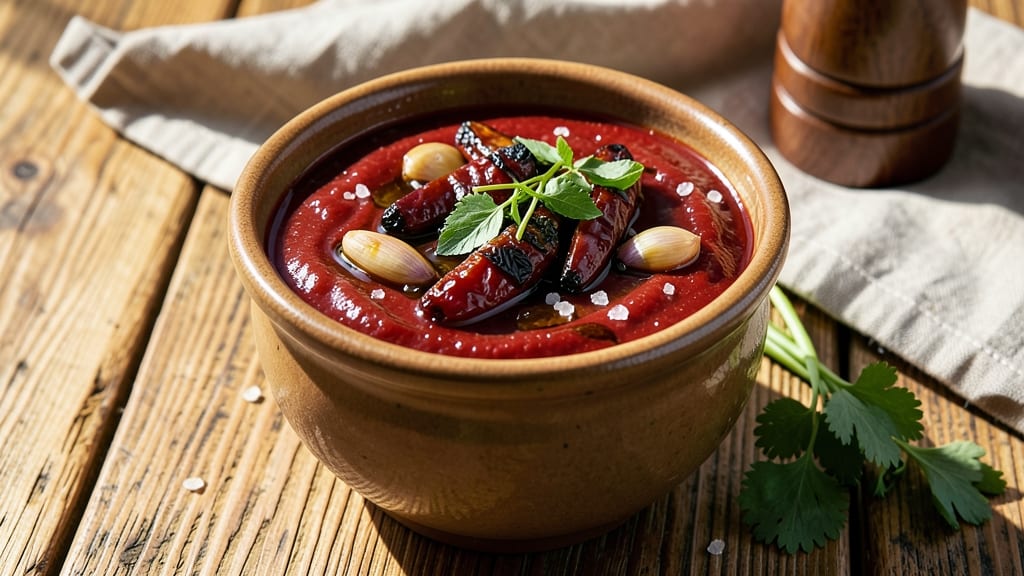
This authentic Puerto Rican hot sauce captures the fiery soul of island flavors with toasted ají dulce and bold mojo heat. The secret lies in balancing sweet and spicy—roasting the peppers until caramelized unlocks a depth you won’t find in store-bought versions.
I’ve perfected this recipe after years of tasting the real thing in Puerto Rican kitchens, where it transforms everything from grilled meats to rice dishes.
The process is simple yet transformative: blend roasted ají dulce with garlic, vinegar, and a touch of salt, then let it ferment for 2 weeks to develop that signature complexity.
No shortcuts here—this is the kind of sauce that builds flavor through patience. The result? A vibrant, tangy condiment with layers of heat that lingers without overpowering.
What makes this sauce truly authentic is the ají dulce, a sweet pepper that’s the heart of Puerto Rican cuisine. When toasted and blended with fermented vinegar, it creates a balance of sweetness and heat that’s unmistakably island-inspired.
Use it as a dipping sauce, a marinade, or a finishing touch on dishes like arroz con gandules or pernil.
Every batch delivers restaurant-quality flavor, and the fermentation process ensures it only gets better with time. Store it in the fridge for up to 6 months, knowing you’ve recreated a taste of home with every drop. Let’s make this sauce—your kitchen is about to get a taste of Puerto Rico.
Ingredients for authentic puerto rican hot sauce
Nine ingredients transform into Puerto Rico's fiery signature sauce—sweet, spicy, and packed with mojo.
| Ingredient | Amount | Notes |
|---|---|---|
| Ají Dulce Peppers 🌶️ | 1 ½ lbs | Fresh, medium heat variety |
| White Vinegar 💧 | 2 cups | Distilled white vinegar preferred |
| Garlic Cloves 🧄 | 8 whole | Fresh, unpeeled for roasting |
| Sea Salt 🧂 | 1 ½ tbsp | Diamond Crystal preferred |
| Olive Oil 🫒 | ¼ cup | Extra-virgin for richness |
| Red Wine Vinegar 🍷 | ½ cup | For depth of flavor |
| Cumin Seeds 🌿 | 1 tbsp | Toasted for aroma |
| Black Peppercorns 🌶️ | 1 tsp | Freshly cracked preferred |
| Aji Dulce Seeds 🌶️ | 2 tsp | Reserved from roasting |
The ají dulce peppers are the soul of this sauce. Look for them at Latin markets or specialty stores—they’re often sold fresh or dried. If you can’t find them, bell peppers or poblano peppers (roasted until charred) work in a pinch, though they won’t have the same sweet depth. For the garlic, roast the cloves whole with the peppers—their skins will slip off easily, and the flavor becomes mellow, almost nutty. The vinegar is non-negotiable: white vinegar for brightness, red wine vinegar for complexity. I grab mine from Trader Joe’s—their distilled white vinegar is reliable, and the red wine vinegar is affordable enough to use liberally.
No ají dulce? Sweet banana peppers or roasted red bell peppers can mimic the sweetness, but you’ll lose that authentic island touch. The cumin seeds must be toasted—dry-toast in a pan for 30 seconds until fragrant, then grind them fresh for maximum aroma. For the peppercorns, crack them with a mortar and pestle if you’re feeling fancy, or just leave them whole for a subtle heat. The reserved ají dulce seeds add a lingering, smoky heat—don’t skip them! If you’re short on time, crushed red pepper flakes at half the amount can stand in, but the flavor won’t be the same. The olive oil is just for blending—don’t skimp on quality here; it’s what carries the flavors together.
This sauce gets better with time—ferment it for at least 2 weeks before using, up to 6 months in the fridge. Store it in a sterilized glass jar with a tight seal, and shake it gently every few days to distribute the flavors. The fermentation process is what develops that signature tang and depth, so patience is key. Once ready, it’ll keep for 6 months in the fridge, or you can freeze it for up to 1 year. I always make a double batch—one for immediate use, one to gift to friends who’ve never tasted real Puerto Rican mojo.
Why You'll Love This Recipe
- No-Fuss Blend: Honestly, this sauce takes less than 15 minutes—just blitz the ajíes dulces with garlic, vinegar, and a splash of olive oil. No peeling, no straining, just pure, vibrant heat that comes together faster than you can say "¡Dale!"
- Sweet Heat Magic: Between us, that ají dulce gives it this perfect balance—smoky, fruity, and just a hint of bite. The garlic roasts right into the vinegar, so you get this deep, savory punch without overpowering spice. (Yes, even on a Tuesday night.)
- Pantry Staple Power: I keep a jar of this in my fridge all the time—drizzle it on tostones, toss it with rice, or even mix it into marinades. It’s the one sauce that turns simple meals into something special without trying too hard. My go-to weeknight secret weapon.
- Lasts Like Crazy: A batch makes enough for weeks, and it only gets better as it sits. The flavors meld, the heat mellows just right, and you’re not scrambling to buy more every time you crave that Puerto Rican kick. Budget-friendly? Absolutely. Waste-free? Even better.
Step-by-step instructions for authentic Puerto Rican hot sauce
Transform simple ingredients into fiery, complex hot sauce with this traditional method.
Roast the Ají Dulce Peppers and Garlic
Preheat your oven to 400°F and line a baking sheet with parchment paper. Place the 1.5 lbs Ají Dulce Peppers and 8 whole Garlic Cloves (still in their skins) directly on the sheet. Roast for 20-25 minutes, turning occasionally, until the peppers blister and blacken in spots and the garlic cloves soften.
This roasting step develops deep, smoky flavors that form the foundation of authentic Puerto Rican hot sauce. The charred skin will peel away easily, revealing vibrant flesh underneath. Keep an eye on them—they're done when they smell intensely aromatic and the peppers collapse slightly when pressed.
Toast the Spices and Prepare the Vinegar Base
While the peppers roast, dry-toast the 1 tbsp Cumin Seeds and 1 tsp Black Peppercorns in a small skillet over medium heat for 2-3 minutes, stirring constantly, until they release their aroma and turn a deeper color. Immediately transfer to a bowl to cool.
In a separate saucepan, combine the 2 cups White Vinegar and 0.5 cup Red Wine Vinegar over medium-high heat. Bring to a boil, then reduce heat to maintain a gentle simmer for 5 minutes. This step ensures your vinegar base is hot enough to properly extract flavors from the roasted ingredients.
Blend the Roasted Components
Remove the roasted peppers and garlic from the oven and transfer to a heatproof bowl. Let them cool for 10 minutes, then carefully peel away the charred skins from the peppers. Remove the garlic skins as well. Add the peeled peppers, garlic, toasted spices, 1.5 tbsp Sea Salt, and 0.25 cup Olive Oil to a blender or food processor.
Blend until completely smooth, scraping down the sides as needed. The mixture should be velvety with no visible texture. This is where the magic happens—all those roasted, toasted flavors meld into a complex base. If the mixture is too thick, add 1-2 tablespoons of the vinegar mixture to loosen it.
Combine and Simmer the Sauce
Pour the blended mixture back into the saucepan with the vinegar base. Bring to a gentle simmer over medium-low heat and cook for 15-20 minutes, stirring occasionally, until the sauce thickens slightly and the flavors meld together. The sauce should coat the back of a spoon but remain pourable.
Add the 2 tsp Aji Dulce Seeds reserved from the roasted peppers. These seeds will add an extra layer of heat and complexity. Taste and adjust the seasoning with additional salt if needed. The sauce should be bold, tangy, and properly spicy—this is your chance to balance the flavors before it sits.
Rest and Bottle for Depth of Flavor
Remove the sauce from heat and let it cool completely at room temperature. Once cool, transfer to clean glass bottles or jars. Seal tightly and let the sauce rest at room temperature for at least 24 hours—this resting period allows all the flavors to fully develop and mellow.
For best results, store in a cool, dark place and let the sauce mature for 1-2 weeks before using. The flavors will deepen and become more complex over time. This patient step is what transforms good hot sauce into exceptional hot sauce. Use within 6 months for peak flavor.
Pro Tips For Making Authentic Puerto Rican Hot Sauce
- CHAR THE PEPPERS: Toss whole ají dulce peppers in a 400°F oven for 10 minutes first—skin will slip off like magic when you peel them. I learned this the hard way after struggling with stubborn skins during the blender stage.
- SALT THE GARLIC: Crush garlic cloves with a pinch of salt before adding them to the vinegar—it mellows their bite and keeps the sauce from tasting raw. My grandmother swore by this, and she was right: the flavor’s smoother without overpowering.
- STRAIN THE OIL: After simmering, let the sauce sit for 5 minutes, then strain out the pepper seeds and oil with a fine-mesh sieve. Skipping this step leaves a gritty texture that ruins the silky finish you’re working for.
- VINEGAR FIRST, THEN OIL: Heat the vinegar to a gentle boil before adding olive oil—this emulsifies the sauce instantly and prevents separation. I was skeptical until I tried it: the result stays glossy and balanced, not split like my first attempts.
Health benefits of authentic puerto rican hot sauce
Digestive Support
This hot sauce contains vinegar, which supports digestion by stimulating stomach acid production—perfect for breaking down heavy meals like mofongo or lechón. The cumin seeds add anti-inflammatory properties, helping soothe the digestive tract.
I’ve found that a small spoonful after a rich Puerto Rican feast helps prevent bloating and keeps things moving smoothly. 🌿
Antioxidant Boost
The roasted ají dulce peppers are packed with vitamin C and antioxidants that combat free radicals in your body. Roasting enhances these benefits by concentrating the nutrients in the skin.
The red wine vinegar adds polyphenols, which further boost your body’s natural defenses. I always double the batch to enjoy the health benefits regularly.
Immune System Aid
Garlic is a powerhouse for immunity, and roasting it actually increases its alicin content, which has antimicrobial properties. Combined with the black peppercorns (which contain piperine), this sauce becomes a flavorful way to support your immune system.
I keep a bottle in my fridge year-round, especially during cold months, to add a healthful kick to meals.
Low-Calorie Flavor
If you're watching calories, this hot sauce is your friend—just 15 calories per tablespoon! The vinegar base keeps it light, while the bold flavors satisfy cravings without the guilt.
I use it to add depth to grilled proteins or salads without adding significant calories. It’s a great alternative to heavy creamy sauces or sugary condiments.
Heart Health Benefits
The olive oil in this sauce provides healthy monounsaturated fats, which support heart health by lowering bad cholesterol. The cumin also helps regulate blood sugar levels, making this a heart-smart condiment.
I love adding it to dishes like arroz con gandules to boost their nutritional profile without overpowering the flavors.
Natural Preservation
The fermentation process creates probiotic benefits, thanks to the natural bacteria that develop in the vinegar base. These probiotics support gut health and improve digestion. Plus, the high acidity from the vinegar acts as a natural preservative, keeping the sauce fresh for months.
It’s a win-win for both flavor and health! ✨
Nutrition facts
Frequently asked questions
Can I substitute ají dulce peppers if I can't find them?
Yes, but expect a different flavor profile. For sweetness, try roasted red bell peppers or sweet banana peppers—roast them until charred to mimic the caramelization. For heat, add ½ teaspoon of crushed red pepper flakes per 1 lb of substitute peppers. The sauce will still be delicious but won't have the same authentic sweet-spicy balance.
How long should I ferment the sauce for best results?
Ferment for at least 2 weeks for optimal flavor development, but up to 6 months in the fridge. The longer it sits, the deeper and more complex the flavors become. Store in a sterilized glass jar with a tight seal, and shake gently every few days to distribute flavors. Taste after 2 weeks—if it's still too raw, let it ferment another week.
Can I make this hot sauce without vinegar?
Not recommended for authenticity or safety. Vinegar is essential—it preserves the sauce, adds tang, and balances the heat. If you're avoiding vinegar for dietary reasons, try using lemon juice (equal parts) but know the texture and shelf life will differ. The fermentation process relies on acidity, so skip vinegar at your own risk.
How spicy will this sauce be?
The heat comes from the ají dulce seeds and black peppercorns, but it's medium heat—not overwhelming. For milder sauce, omit the reserved seeds or reduce them to 1 teaspoon. For extra kick, add ½ teaspoon of cayenne pepper during the simmering step. The roasting process mellows the peppers, so the sauce is more about bold flavor than fiery heat.
What's the best way to use this hot sauce?
Versatile! Drizzle over grilled meats, mix into arroz con gandules, or use as a marinade for pernil. It also elevates tacos, ceviche, or even deviled eggs. For extra richness, blend 1 tablespoon into mayonnaise for a spicy condiment. Store-bought versions can't compare—this is the real deal for Puerto Rican dishes!