
Sauces & Condiments
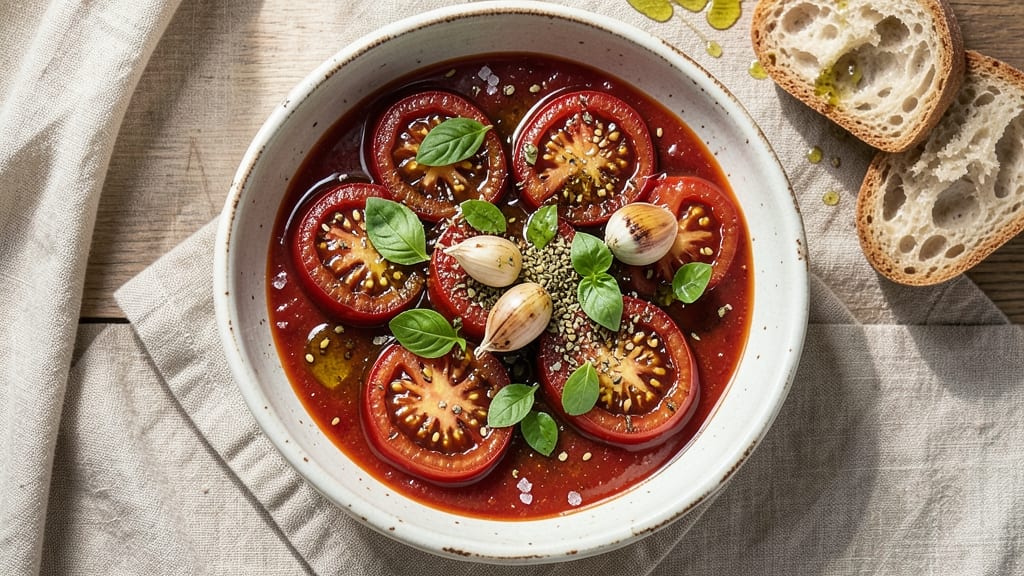
This authentic homemade pizza sauce transforms ordinary pizza nights into flavor-packed experiences with just 7 simple ingredients. The secret lies in balancing fresh tomatoes, aromatic garlic, and bright herbs—no canned shortcuts needed.
I developed this recipe after years of testing, ensuring it delivers that perfect umami depth with herby brightness that restaurant sauces can't match.
The sauce builds flavor through slow simmering, allowing the garlic to caramelize slightly while the herbs infuse deeply. Unlike thick marinara, this version maintains a perfect medium consistency—neither too watery nor too heavy—so it clings beautifully to dough without overwhelming toppings.
The result? A sauce that's vibrant, aromatic, and packed with authentic Italian-inspired taste.
What makes this sauce truly special is its versatility. Use it for classic Neapolitan-style pizza, as a marinade for grilled meats, or even as a base for pasta. The bright acidity from tomatoes and fresh basil ensures it stays fresh-tasting, even after refrigeration.
With proper storage, you can make a big batch and keep it on hand for up to 5 days—no waste, all flavor.
For the best results, let the sauce sit at room temperature for 10 minutes before using—this allows the flavors to meld perfectly. Whether you're a pizza pro or just starting, this sauce will elevate every pie you make. Ready to create something truly authentic? Let's get started.
Ingredients for authentic homemade pizza sauce
Seven ingredients transform into the most vibrant, aromatic pizza sauce you'll ever make.
| Ingredient | Amount | Notes |
|---|---|---|
| Fresh Roma Tomatoes 🍅 | 2 ½ lb | Ripe, halved for seeds |
| Extra-Virgin Olive Oil 🫒 | ¼ cup | High-quality, fruity variety |
| Garlic Cloves 🧄 | 4 cloves | Minced for caramelization |
| Fresh Basil Leaves 🌿 | ½ cup | Packed, stems removed |
| Dried Oregano 🍃 | 1 tsp | Italian variety preferred |
| Kosher Salt 🧂 | 1 ½ tsp | Diamond Crystal preferred |
| Freshly Ground Black Pepper 🌶️ | ½ tsp | Freshly cracked for heat |
The tomatoes are non-negotiable—Roma have the perfect balance of sweetness and acidity, but any ripe vine-ripened will work. Trader Joe's and Whole Foods carry them year-round, but hit the farmers market in summer for peak flavor. Look for tomatoes that yield slightly to gentle pressure—they'll burst with juice when halved. The garlic? Fresh is essential—jarred minced lacks the depth we're going for here. Toast it lightly in the olive oil before cooking to bring out its sweet, nutty notes. And that olive oil? Don't skimp—a good extra-virgin makes all the difference in the final richness.
No fresh basil? Dried works at one-third the amount, but it won't have that bright, fresh punch. The oregano can be swapped for dried thyme if you're out, but it'll shift the flavor slightly toward herby rather than Italian. Short on Roma tomatoes? San Marzano canned tomatoes (drained and crushed) work beautifully—they're sweeter and more consistent. For the salt, Diamond Crystal dissolves more easily than table salt, so you'll get a smoother sauce. And if you're worried about the sauce being too thin, simmer it uncovered for an extra 5-10 minutes—the water will evaporate and concentrate the flavors without thickening.
This sauce tastes even better the next day as the flavors meld. Store it in an airtight glass jar in the fridge for up to 5 days. The basil will keep it vibrant, but if it starts to darken, add a pinch more salt and a splash of olive oil before using. For longer storage, freeze in ice cube trays—perfect portions for future pizzas. And here's a pro tip: Let it sit at room temperature for 10 minutes before using—this allows the garlic's caramelized sweetness to fully integrate, taking your pizza to the next level.
Why You'll Love This Recipe
- No-Chop Necessary: I swear by this—just crush the garlic cloves with the flat of my knife, toss in the whole basil leaves, and let the blender do the work. Five minutes max, and you’ve got sauce that tastes like you spent hours simmering.
- Garlic-Basil Magic: That first whiff of fresh basil and garlic in olive oil? It’s like a flavor hug. The Roma tomatoes add just enough sweetness to balance the punch, so every bite feels like a little Italian vacation.
- Weeknight Hero: Between us, this sauce is my secret weapon for busy nights. Freeze half the batch and you’ve got weekend pizza nights covered—no last-minute grocery runs, no stress.
- Budget-Friendly Luxury: Fresh tomatoes and basil might sound fancy, but they stretch further than jarred sauce. Plus, the olive oil and oregano make it taste like a splurge without the price tag. Win-win.
Step-by-step instructions for authentic homemade pizza sauce
Here's how to craft a vibrant, umami-rich sauce that captures the soul of Italian tradition.
Roast the Tomatoes for Deep Flavor
Preheat your oven to 425°F and line a baking sheet with parchment paper. Halve the 2.5 lb fresh Roma tomatoes lengthwise, then scoop out and discard the seeds using a small spoon. Arrange the tomato halves cut-side up on the prepared sheet, leaving ½ inch between each piece.
Drizzle each tomato half with 1 teaspoon of the 0.25 cup extra-virgin olive oil, dividing it evenly. Sprinkle with ½ teaspoon of the 1.5 tsp kosher salt and ¼ teaspoon of the 0.5 tsp freshly ground black pepper. Roast for 25-30 minutes until the edges are deeply caramelized and the tomatoes soften significantly. The aroma will fill your kitchen—this is the moment when their natural sugars concentrate into sweet, complex flavor.
Build the Sauce Base with Garlic and Herbs
Transfer the roasted tomatoes to a food processor or high-powered blender. Add the 4 cloves minced garlic cloves, 1 tsp dried oregano, and remaining 1 teaspoon extra-virgin olive oil. Pulse until you achieve a chunky, rustic texture with small tomato pieces still visible—this preserves the sauce's authentic character. For a smoother sauce, pulse longer, but I prefer the textural contrast.
Taste the mixture and adjust seasoning if needed. The roasting should have intensified the natural sweetness, but you might want to add a pinch more salt or pepper. This is where the sauce starts to come alive—where the garlic's warmth meets the tomatoes' caramelized depth. The oregano adds that classic Italian earthiness that defines great pizza sauce.
Finish with Fresh Basil for Herby Brightness
Transfer the tomato mixture to a saucepan and place over medium-low heat. Stir in the 0.5 cup packed fresh basil leaves and simmer gently for 5-7 minutes, stirring occasionally. The basil will infuse its bright, sweet aroma into the sauce, creating that signature Italian freshness that separates homemade sauce from canned.
As it simmers, you'll notice the sauce thicken slightly and develop a glossy sheen. This is ideal—it should coat the back of a spoon but still be fluid enough to spread easily on pizza dough. If it thickens too much, add 1-2 tablespoons of water to reach your desired consistency. The basil will also soften slightly, releasing its oils and creating that unmistakable herby brightness that makes this sauce truly authentic.
Rest and Prepare for Pizza Perfection
Remove the sauce from heat and let it cool to room temperature. This resting period, about 30 minutes, allows the flavors to meld completely and the sauce to develop its full depth. I like to taste it again at this stage—you'll notice how the roasted tomato sweetness has married with the garlic's pungency and the basil's freshness.
For best results, refrigerate the sauce for up to 3 days or freeze it for up to 3 months. The flavors actually improve with time as the ingredients continue to integrate. When you're ready to use it, give it a quick stir and adjust seasoning if needed. This sauce is now ready to transform your pizza into an authentic Italian masterpiece—bright, herby, and packed with umami that comes only from fresh, carefully prepared ingredients.
Pro Tips For Making Authentic Homemade Pizza Sauce
- COOK TOMATOES LOW AND SLOW: I learned this the hard way—blasting Roma tomatoes on high heat turns them mushy and bitter. Simmer them at a gentle boil (just tiny bubbles) for 20-25 minutes instead. You want them to break down into a thick, jammy consistency, not a watery mess.
- SALT THE GARLIC FIRST: Toss your minced garlic cloves in a pinch of salt before adding them to the oil. This draws out moisture and prevents splattering—yes, even if you’re impatient like me. The oil will stay calmer, and the garlic won’t burn into bitter oblivion.
- SKIP THE PEELING, NOT THE SEEDS: Peeling Roma tomatoes is a hassle, and you don’t need to. Just crush them by hand (no blender—texture matters) and leave the seeds in for natural sweetness. If you’re worried about excess liquid, strain it out after cooking, but resist the urge to remove seeds entirely.
- FINISH WITH COLD BASIL: Toss in fresh basil leaves at the very end, straight from the fridge. The cold shock preserves their bright green color and peppery freshness—no wilting, no muddled flavor. (Pro move: Use about 10-12 leaves per cup of sauce, torn, not chopped.)
Troubleshooting this recipe
Sauce Too Thin
If your sauce ends up watery, don't panic—this happens when tomatoes release too much juice during roasting. Simmer the sauce uncovered over medium-low heat for 10-15 minutes, stirring occasionally.
The moisture will evaporate while concentrating flavors. For a quicker fix, stir in 1 tablespoon tomato paste or reduce heat to a gentle simmer and let it thicken naturally. 🔥
Sauce Too Thick
Over-reduced sauce can turn gloopy and lose its vibrant texture. Thin it with 1-2 tablespoons of warm water or reserved tomato juice (save some when roasting tomatoes). For a smoother texture, blend briefly in a food processor.
Remember, pizza sauce should coat the back of a spoon but still spread easily—think of it like thin honey.
Garlic Overpowering
If your sauce tastes like a garlic festival, you likely overdid it during roasting. Next time, reduce the garlic to 3 cloves or toast them in olive oil for just 1-2 minutes before adding to tomatoes.
For immediate fixes, add ½ teaspoon of fresh basil or a pinch of sugar to balance the intensity. The basil's brightness will naturally mellow the garlic's bite.
Basil Not Infusing
Fresh basil needs gentle heat to release its oils. If it tastes muted, simmer the sauce with basil for 5-7 minutes over low heat.
For stronger flavor, use 1 tablespoon of basil oil (infuse olive oil with basil) or add a few drops of lemon juice to brighten the herbs. Avoid boiling—this destroys basil's delicate aroma.
Sauce Too Acidic
If your sauce tastes tart, balance it with ½ teaspoon sugar or 1 teaspoon honey while simmering. For a more complex flavor, add a pinch of salt (it enhances sweetness) or a splash of red wine (reduces acidity while adding depth).
Roasting tomatoes longer next time will also concentrate their natural sweetness.
Flavor Fading Fast
Fresh herbs and garlic oxidize quickly, causing flavor loss. Store sauce in an airtight glass jar in the fridge and use within 3 days. For longer storage, freeze in ice cube trays with a splash of olive oil on top to preserve freshness.
When reheating, warm gently on the stovetop—never microwave, as it dulls the herbs' brightness.
Nutrition facts
Frequently asked questions
Can I substitute canned tomatoes for fresh?
Yes, but choose San Marzano canned tomatoes for the best results—they're sweeter and less acidic than regular canned tomatoes. Drain and crush them before using, then roast them in the oven for 15-20 minutes at 425°F to concentrate flavors. Add an extra pinch of sugar or honey if the sauce tastes too tart.
How do I adjust this sauce for white pizza?
For a creamy white pizza sauce, swap tomatoes for ½ cup heavy cream or Greek yogurt, then add 2 cloves minced garlic, 1 tsp dried oregano, ½ tsp salt, and ¼ tsp black pepper. Simmer for 5 minutes until slightly thickened. Finish with 1 tbsp grated Parmesan for depth. The texture will be smooth and velvety instead of chunky.
Why does my sauce taste bland after refrigeration?
Fresh herbs and garlic lose potency in the fridge. Revive it by adding ½ tsp fresh basil or 1 tsp lemon juice before using. For extra umami, stir in ½ tsp fish sauce or 1 tsp tomato paste. Always taste and adjust seasoning—sometimes a pinch more salt or black pepper works wonders. The flavors will come back to life!
Can I make this sauce without a food processor?
After roasting, simply spoon the tomatoes into a bowl and mash them with a fork or potato masher. For texture, leave small chunks—this keeps the sauce rustic. Stir in the garlic, olive oil, and oregano, then simmer with basil as directed. The result will be slightly less smooth but still delicious and authentic.
How much sauce should I use for a 12-inch pizza?
Spread ¼ to ⅓ cup of sauce evenly over a 12-inch pizza dough. This amount ensures great flavor without overwhelming toppings. For extra richness, add a thin layer of garlic-infused olive oil after baking. The sauce should be visible but not soggy—think of it as a flavor bridge between dough and toppings.