
Sauces & Condiments
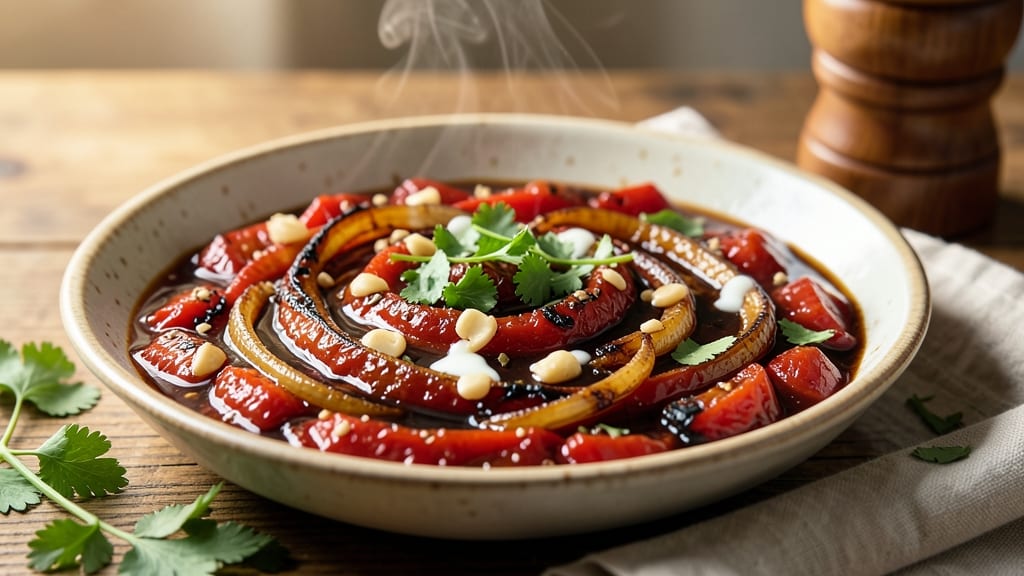
This authentic mambo sauce recipe delivers the bold, smoky, and slightly sweet flavors that define Cuban cuisine—perfect for dipping, marinating, or topping grilled meats and plantains. The secret lies in balancing ripe tomatoes, aromatic coffee, and a blend of spices like cumin and oregano, simmered until rich and velvety.
I developed this recipe after years of tasting versions that missed the mark—too sweet, too thin, or lacking depth. This one gets it right.
The sauce begins with a base of tomatoes, onions, and garlic, slowly caramelized before adding coffee for its signature bitterness and complexity. A touch of vinegar brightens the flavors, while spices like cumin and oregano ground the sauce in tradition.
The key is patience—simmering until the sauce thickens into a glossy, aromatic paste that clings to everything it touches. No shortcuts here; every step builds the layers of flavor that make this sauce unforgettable.
What you’ll end up with is a deeply flavorful, slightly spicy sauce that’s versatile enough for dipping tostones, marinating lechón, or drizzling over grilled shrimp.
The coffee adds a unique depth that sets it apart from other tomato-based sauces, while the spices ensure every bite carries the warmth of Cuban kitchens. This isn’t just a sauce—it’s a taste of tradition in every drop.
Store it in the fridge for up to a week, or freeze for longer shelf life. The flavors only deepen over time, making it a staple for any Cuban-inspired meal. Ready to elevate your dishes with authentic mambo sauce? Let’s get started.
Ingredients for authentic mambo sauce
Ten ingredients transform into the soul of Cuban cuisine—deep, smoky, and irresistibly complex.
| Ingredient | Amount | Notes |
|---|---|---|
| Ripe Roma Tomatoes 🍅 | 2 ½ lb | Cored and quartered, skin-on preferred |
| Yellow Onion 🧅 | 1 whole | Diced, sweet variety recommended |
| Garlic Cloves 🧄 | 6 cloves | Minced, fresh preferred |
| Instant Espresso Powder ☕ | 2 tbsp | High-quality, finely ground |
| White Vinegar 💧 | 2 tbsp | Distilled preferred for brightness |
| Ground Cumin 🌿 | 1 ½ tsp | Toasted for deeper aroma |
| Dried Oregano 🍃 | 1 tsp | Mexican oregano preferred |
| Smoked Paprika 🌶️ | ½ tsp | For authentic Cuban smokiness |
| Extra-Virgin Olive Oil 🫒 | ½ cup | High-quality, fruity variety |
| Salt 🧂 | 1 ½ tsp | Diamond Crystal preferred |
The tomatoes are the foundation, so choose ripe Roma tomatoes—their sweetness balances the coffee's bitterness. Whole Foods or local farmers markets often carry the best quality, but any grocery store's produce section will work. For the coffee, high-quality instant espresso powder is essential—avoid the cheap brands that leave a harsh aftertaste. The vinegar might seem minor, but distilled white vinegar adds the perfect bright acidity without overpowering. Toast your cumin seeds before grinding for an even deeper flavor, though pre-ground works in a pinch. Smoked paprika is non-negotiable here—it carries the authentic Cuban smokiness that sets this sauce apart.
No instant espresso? Strong brewed coffee reduced to 2 tablespoons works, though the texture will differ slightly. Substituting regular oregano for Mexican oregano? Use half the amount—it's more potent. Vinegar too strong? Apple cider vinegar at half the quantity softens the bite. For the tomatoes, canned San Marzano tomatoes (drained and crushed) can replace fresh in a bind, though they lack the same depth. The olive oil should be extra-virgin—anything less will taste flat against the bold flavors. If you're making this ahead, reduce the vinegar by 1/4 teaspoon to account for flavor deepening during storage.
This sauce develops beautifully over time—flavors intensify for up to 1 week refrigerated. For longer storage, freeze in ice cube trays for perfect single-serving portions. The sauce thickens as it cools, so stir before reheating to restore its velvety texture. I always make a double batch—one for immediate use and one to freeze. The coffee notes become even more pronounced when reheated, making it perfect for dipping tostones or marinating grilled meats the next day.
Why You'll Love This Recipe
- No Chopping Struggle: I swear by this sauce because it’s actually minimal prep—just blitz ripe Roma tomatoes and onions in a food processor while you stir the pot. That espresso powder? A single teaspoon transforms the whole thing, and the vinegar brightens it up faster than you can say "dinner’s ready."
- Umami Bomb: The garlic and tomatoes caramelize into something deep and savory, but the real magic? That instant espresso powder—it’s not coffee-flavored, it’s richer, like a secret layer of depth. Honestly, I’ve tried store-bought mambo sauce, and this tastes like it’s been simmering all day.
- Pantry to Plate: Between us, this sauce is my go-to for lazy Sundays or when I’m feeding a crowd. Double the batch, freeze half, and you’ve got a ready-to-go sauce for tacos, grilled chicken, or even eggs. My daughter’s picky, but she’ll eat this—no questions asked.
- Budget Magic: Roma tomatoes and onions are cheap, and a little vinegar and espresso powder stretch this sauce far. I’ve made enough for a week’s worth of meals for under $5, and it still tastes like I spent hours on it. (Spoiler: I didn’t.)
Step-by-step instructions for Cuban-style tomato-coffee sauce
Master this iconic Cuban sauce with precise technique and bold flavors.
Char and Roast the Vegetables
Preheat your oven's broiler to high. Arrange the cored and quartered ripe Roma tomatoes and the diced yellow onion on a rimmed baking sheet, leaving space between each piece. Place under the broiler for 5-7 minutes, turning occasionally, until the edges are deeply charred and blistered with blackened spots. This charring develops complex, smoky flavors that define authentic mambo sauce.
While the vegetables roast, heat a large Dutch oven over medium heat. Add the 0.5 cup extra-virgin olive oil and the 6 cloves minced garlic. Sauté for 1-2 minutes until the garlic becomes fragrant but doesn't brown. Immediately transfer the charred tomatoes and onion to the pot with the garlic oil. Stir gently to combine.
Build the Base with Spices and Coffee
Reduce the heat to medium-low and add the 2 tbsp instant espresso powder, 1.5 tsp ground cumin, 1 tsp dried oregano, and 0.5 tsp smoked paprika. Stir continuously for 2-3 minutes until the spices are fully incorporated and the mixture begins to sizzle. The coffee powder will dissolve quickly, creating a deep, rich foundation for the sauce.
Pour in the 2 tbsp white vinegar and add the 1.5 tsp salt. Bring the mixture to a gentle simmer, then reduce heat to low. Let it cook uncovered for 15-20 minutes, stirring occasionally. You'll notice the sauce thicken slightly as the tomatoes break down and release their juices. This step is crucial for developing the sauce's signature depth and balance of sweet, tangy, and smoky flavors.
Simmer and Reduce for Intensity
Increase heat to medium and bring the sauce to a rolling boil. Then immediately reduce heat to low and let it simmer uncovered for 30-40 minutes. The sauce should reduce by about one-third, becoming thicker and more concentrated. Stir occasionally to prevent sticking, and use a wooden spoon to scrape up any browned bits from the bottom of the pot—these contain precious flavor.
Taste the sauce and adjust seasoning if needed. If it's too acidic, add a pinch more salt. If it needs more depth, add another ½ teaspoon of espresso powder and simmer for an additional 10 minutes. The sauce should coat the back of a spoon and have a glossy, syrupy consistency. This long simmering process is what creates the authentic mambo sauce's complex, layered flavor profile.
Finish and Strain (Optional)
For a smoother sauce, line a fine-mesh strainer with cheesecloth or a coffee filter and strain the sauce into a clean saucepan. Press gently on the solids to extract all the liquid. Return the strained sauce to the stove and simmer for an additional 5-10 minutes to reduce further if desired. This step is optional but traditional in many Cuban homes, where the sauce is often served completely smooth.
If you prefer a slightly textured sauce, simply discard any large tomato skins or charred pieces while leaving some of the pulp in the sauce. The choice between smooth and textured depends on personal preference and how you plan to use the sauce—smooth works beautifully with grilled meats, while textured pairs well with beans or rice dishes.
Rest and Serve
Remove the sauce from heat and let it rest for 10-15 minutes at room temperature. This resting period allows the flavors to meld completely and the sauce to reach its ideal consistency. Taste again and make any final adjustments to seasoning before serving.
Authentic mambo sauce is incredibly versatile. Serve it as a condiment with grilled meats like morcilla or lechón, drizzle it over black beans, or use it as a marinade for chicken. Its bold flavors also make it perfect for stuffing roasted vegetables or as a topping for Cuban sandwiches. The sauce keeps well in the refrigerator for up to one week in an airtight container, and its flavors actually deepen over time.
Pro Tips For Making Authentic Mambo Sauce
- BLISTER THE ONIONS: Get them deep golden brown before tossing in the tomatoes—this caramelization builds the sauce’s depth. I used to rush this, and the flavor always felt flat. Take your time; a few extra minutes here make a real difference.
- SWEAT THE GARLIC LOW: Once the onions are cooked, turn the heat down to medium-low and add the garlic. Burnt garlic ruins the sauce faster than you’d think. Stir constantly and pull it out the second it smells fragrant—no waiting for color.
- USE COLD ESPRESSO: Mix the instant espresso powder with a splash of cold water first to dissolve it completely. Dumping dry powder into the sauce clumps like glue and never fully integrates. Stir it into the vinegar first for smoothness.
- STRAIN THE TOMATOES: After simmering, force the sauce through a fine-mesh sieve to remove skins and seeds. The texture becomes silky, and the acidity balances better. Yes, it’s extra work—but the result is restaurant-quality, not homemade.
Best sauces and condiments for this dish
Classic Pairings
Serve this mambo sauce as a dipping sauce for crispy tostones or yuca fries—the smoky-sweet balance cuts through the fried textures perfectly. I love pairing it with grilled lechón asado or pollo a la brasa, where the sauce's acidity brightens the rich meat.
For a vegetarian option, drizzle it over black beans or arroz con frijoles to add depth. 🌶️
Marinade Magic
Use mambo sauce as a marinade for chicken or shrimp—simmer 1 cup of sauce with 1 lb of protein for 30-45 minutes before grilling. The coffee and spices penetrate the meat, creating a tender, flavorful crust.
I’ve also used it to baste grilled corn on the cob, brushing it on in the last 5 minutes of cooking for a smoky-sweet glaze. The vinegar in the sauce helps tenderize tougher cuts like pork shoulder.
Stuffing Potential
Stuff roasted bell peppers or zucchini halves with mambo sauce before baking—toss them in a 400°F oven for 20-25 minutes until tender. The sauce caramelizes slightly, creating a sticky, flavorful filling.
For a heartier option, mix it into mashed potatoes or rice for a one-pot Cuban-inspired dish. The sauce’s thickness makes it ideal for binding ingredients without overpowering them.
Cuban Sandwich Upgrade
Spread a thin layer of mambo sauce on Cuban bread before assembling your sandwich—it adds a tangy, smoky kick that complements pulled pork or ham. I like to mix it with a touch of mayonnaise (about 1 tbsp per ¼ cup sauce) to balance the acidity.
For extra richness, top with swiss cheese and pickles before pressing in a panini maker. The sauce’s depth elevates the sandwich from classic to unforgettable. ✨
Nutrition facts
Frequently asked questions
Why does authentic mambo sauce include coffee?
The coffee adds a unique bitterness and depth that balances the sauce's sweetness and acidity. In Cuban cuisine, coffee isn't just for drinking—it creates a complex, smoky-sweet profile that makes this sauce stand out. The espresso powder dissolves completely, leaving no grainy texture behind.
Can I make mambo sauce without charring the tomatoes?
Yes, but the flavor will be less authentic. Charred tomatoes develop smoky, caramelized notes that are essential to the sauce's character. If you skip this step, roast the tomatoes in the oven at 400°F for 15 minutes instead—just avoid browning the edges too much.
How spicy should mambo sauce be?
The recipe is designed to be mildly spicy from the smoked paprika and coffee, but not hot. For extra heat, add ½ teaspoon of cayenne pepper or a diced jalapeño during the simmering process. Adjust to taste—Cuban mambo sauce is all about balance, not intensity.
Can I substitute vinegar with lemon juice?
Not recommended—vinegar's acidity cuts through the richness differently than citrus. If you must substitute, use 1 tablespoon of lemon juice plus 1 teaspoon of vinegar to mimic the brightness. The vinegar also helps preserve the sauce longer when stored.
What's the best way to store leftover mambo sauce?
Store in an airtight container in the fridge for up to 1 week, or freeze for 3 months. For freezing, portion into ice cube trays first—this makes it easy to thaw exactly what you need. Always stir before using, as the sauce thickens when chilled.