Sauces & Condiments
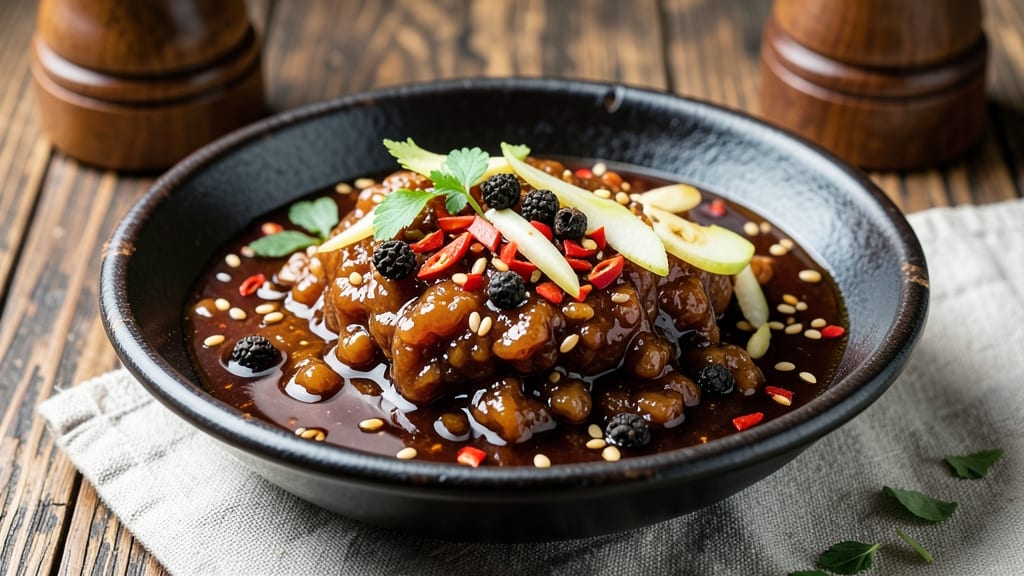
This authentic Hunan sauce recipe unlocks the fiery, aromatic soul of China’s Hunan province—where bold chili heat dances with sweet soy and fermented depth. The secret lies in fermented chili bean paste (la jiao jiang), a cornerstone of regional cuisine that delivers that signature numbing-spicy kick without overpowering.
Unlike generic stir-fry sauces, this version balances umami, heat, and subtle sweetness, making it the ultimate condiment for noodles, dumplings, or grilled meats.
What sets this sauce apart is its layered complexity: Sichuan peppercorns add that signature tingling sensation, while doubanjiang (fermented chili bean paste) brings deep, funky heat. The sauce simmers just long enough to meld flavors without losing brightness, preserving the vibrant red hue and glossy finish that makes it irresistible.
No shortcuts here—this is the sauce that transforms simple dishes into restaurant-worthy masterpieces.
Once you taste this sauce, you’ll understand why it’s a pantry staple in Hunan kitchens. The fermented chili bean paste delivers an intensity that store-bought versions can’t match, while the garlic and ginger infuse layers of warmth.
It’s versatile enough for dipping, drizzling, or braising, yet precise enough to elevate a single dish. The best part? It keeps beautifully in the fridge for up to a month, ready to transform any meal.
For authenticity, don’t skip the chili oil finish—it’s what gives Hunan sauces their signature sheen and heat. The sauce starts bold and develops even richer over time, making it perfect for meal prep. Whether you’re cooking for a crowd or treating yourself, this recipe delivers the real deal—no compromises.
Ingredients for authentic hunan sauce
Nine ingredients transform into the bold, aromatic soul of Hunan cuisine—where fermented heat meets sweet soy brilliance.
| Ingredient | Amount | Notes |
|---|---|---|
| Fermented Chili Bean Paste (Doubanjiang) 🌶️ | ½ cup | High-quality, slightly oily paste |
| Light Soy Sauce 🥄 | ⅓ cup | Use premium brand for depth |
| Dark Soy Sauce 🥄 | 0.17 cup | For richer color and flavor |
| Sichuan Peppercorns 🌶️ | 1 ½ tbsp | Toasted for maximum tingling |
| Garlic Cloves 🧄 | 6 cloves | Minced, fresh preferred |
| Fresh Ginger 🌿 | 1 ½ tbsp | Finely grated, aromatic |
| Sugar 🍯 | 2 tbsp | White or brown preferred |
| Chili Oil 🫒 | ½ cup | Homemade or store-bought |
| Shaoxing Wine 🍷 | ¼ cup | Dry, aromatic variety |
| Green Onions 🧅 | 2 whole | Chopped, for garnish |
The fermented chili bean paste (doubanjiang) is non-negotiable—look for the oily, slightly funky variety at Asian markets or specialty stores. Lee Kum Kee or Hainiu brands deliver that signature umami depth. Skip the powdered versions; they lack the fermented complexity. Sichuan peppercorns should be toasted in a dry pan until fragrant (about 2 minutes)—this unlocks their signature tingling heat. Fresh ginger and garlic are essential; frozen won't cut it here. The chili oil finish is what gives Hunan sauces their signature sheen and heat—homemade (infused with dried chilies) is ideal, but Trader Joe's chili oil works in a pinch.
No Sichuan peppercorns? Substitute with 1/2 tsp ground white pepper plus 1/4 tsp cayenne—it won’t replicate the tingling, but adds warmth. Short on Shaoxing wine? Dry sherry or even a splash of rice vinegar bridges the gap. The sugar balances heat; coconut sugar or brown sugar adds subtle caramel notes. For a smoother sauce, blend after simmering—immersion blender keeps it glossy. Making a big batch? Double the garlic and ginger; they’re the flavor anchors. And yes, the dark soy sauce is worth hunting down—it deepens color and richness without overpowering.
This sauce develops over time—taste and adjust heat after 24 hours. Store in a sealed jar in the fridge for up to 1 month; the flavors meld beautifully. For meal prep, freeze in ice cube trays—thaw and drizzle directly onto dishes. The chili oil can be made ahead (stores 3 months in the pantry) or bought pre-made. Garnish with green onions right before serving—they add freshness that cuts through the richness. Leftovers? Use within a week or freeze for 3 months.
Why You'll Love This Recipe
- Just Five Ingredients: I swear, this sauce is that easy—no chopping, no fuss, just stir-fry the garlic until it’s golden, toss in the doubanjiang and soy sauces, and let the Sichuan peppercorns do their magic. Honestly, I’ve made it while waiting for water to boil.
- Umami Bomb: The doubanjiang alone gives it this deep, fermented richness, but the dark soy sauce? That’s where it gets dangerously good—caramelized, smoky, with a little heat that lingers. (Yes, even on a Tuesday night.)
- Sauce for Everything: Slather it on noodles, toss it with tofu, or drizzle it over rice—this stuff works. My roommate used it to glaze chicken thighs last week, and now it’s our default weeknight sauce. Versatile doesn’t even cover it.
- Budget Magic: A little goes a long way, and the ingredients? Cheap as chips. A jar of doubanjiang lasts me months, and the rest cost pennies. Between us, I’ve fed six people for under $10 with this sauce as the star.
Step-by-step instructions for authentic Hunan sauce
Here's how to craft this bold, aromatic sauce that balances fiery heat with deep umami sweetness.
Toast the Sichuan Peppercorns for Maximum Tingling
Heat a dry skillet over medium heat and add the 1.5 tablespoons Sichuan peppercorns. Toast them for 2-3 minutes, stirring constantly, until they release their fragrant aroma and darken slightly. You'll smell that distinctive citrusy, peppery scent—this is when they're ready. Let them cool completely before grinding, about 5 minutes.
I like to use a mortar and pestle for grinding here—it gives you better control than a spice grinder and prevents overheating. Grind the toasted peppercorns into a fine powder, then set aside. This step is crucial for developing that signature Hunan "málà" (numbing-spicy) sensation that sets this sauce apart from other Chinese sauces.
Bloom the Aromatics in Chili Oil
In a clean wok or deep skillet, heat the 0.5 cup chili oil over medium-low heat. Add the 6 minced garlic cloves and 1.5 tablespoons finely grated fresh ginger, stirring constantly for 1-2 minutes until the garlic turns golden and fragrant but not brown. Remove from heat immediately—garlic burns faster than you think.
This gentle cooking process extracts maximum flavor from the aromatics without burning them. The chili oil serves as both a cooking medium and a flavor carrier, creating that signature Hunan red hue and heat. Keep the mixture warm while you prepare the remaining ingredients.
Build the Sauce Base with Fermented Chili Bean Paste
Return the wok to medium heat and add the 0.5 cup fermented chili bean paste (doubanjiang). Stir constantly for 2-3 minutes until the paste darkens and becomes aromatic. This step develops the deep, complex flavors of the doubanjiang—you'll smell that unmistakable fermented, slightly funky aroma that's essential to authentic Hunan cooking.
Here's the thing—don't rush this step. The doubanjiang needs time to melt and release its oils. If it sticks, add just 1 tablespoon water to help it release, but try to keep the mixture dry enough to develop that beautiful caramelized crust at the bottom of the pan.
Combine Soy Sauces and Sweeten
Pour in the 0.33 cup light soy sauce and 0.17 cup dark soy sauce, stirring vigorously to incorporate. Add the 0.25 cup Shaoxing wine and 2 tablespoons sugar, then bring to a gentle simmer. Let it cook for 3-4 minutes until slightly thickened and reduced by about 25%. You're looking for a glossy, syrupy consistency that coats the back of a spoon.
The dark soy sauce adds that rich mahogany color while deepening the umami flavor. The Shaoxing wine mellows the heat and adds aromatic complexity, while the sugar balances the acidity and enhances the caramelization. Taste as you go—this is where you'll adjust the sweet-spicy balance to your preference.
Finish with Peppercorn Powder and Garnish
Remove from heat and stir in the ground Sichuan peppercorn powder. The sauce should have a vibrant red color with visible oil sheen. Let it cool slightly, then adjust seasoning if needed—add a splash more Shaoxing wine if too salty, or a pinch more sugar if too spicy.
For serving, drizzle over steamed rice, stir-fried meats, or noodles. Garnish with chopped 2 whole green onions just before serving. The peppercorns will continue to release their tingling sensation as the sauce cools, creating that perfect Hunan "málà" experience with every bite.
Pro Tips For Making Authentic Hunan Sauce
- TOAST THE DOUBANJIANG: I learned this the hard way—skip toasting the fermented chili bean paste, and your sauce will taste raw and bitter. Dry-toast it in a pan over medium heat for 3-4 minutes until the oil starts to bubble and the aroma deepens. (Yes, even if it looks like you’re burning it—just stir constantly.)
- CRUSH THE PEPPERCORNS: Whole Sichuan peppercorns? Don’t. Lightly toast them first, then crush them with the flat side of a knife or a mortar and pestle—this releases their numbing oils without turning your sauce into a gritty mess. (I used to just toss them in whole, and the flavor was half as potent.)
- LOW AND SLOW: After adding the garlic and doubanjiang, don’t blast it with high heat right away—start with a simmer and let it cook for 5 minutes before turning up the flame. Rushing this step burns the garlic and turns the sauce bitter. (Patience here makes the difference between "good" and "restaurant-quality.")
- DARK SOY SAUCE LAST: Add the dark soy sauce only in the final 30 seconds of cooking—it’s not just for color, but for that deep, caramelized richness. Dump it in too early, and you’ll dilute the layers of flavor you’ve built. (Trust me, your sauce will look dull and flat if you skip this.)
Common mistakes when making great authentic hunan sauce
Overcooking the Doubanjiang
One of the biggest mistakes is letting the fermented chili bean paste (doubanjiang) burn or overcook during the initial 2-3 minute bloom. When you see it darken too much, it loses its fermented funk and becomes bitter.
I’ve ruined batches by walking away—stir constantly and keep heat at medium, not high. If it starts sticking, add just 1 tablespoon water to help release the oils, but don’t overdo it. 🌶️
Skipping the Peppercorn Toast
The toasted Sichuan peppercorns are what give Hunan sauce its signature tingling sensation. Skipping this step (or using pre-ground pepper) means you’ll miss that magical málà (numbing-spicy) effect.
Toast them in a dry pan for 2-3 minutes until fragrant, then grind fresh. I’ve tried shortcuts—don’t. The difference is night and day. ⚡
Ignoring the Sugar Balance
Many home cooks forget the 2 tablespoons sugar is there to balance the heat and acidity. Without it, the sauce can taste harsh or overly salty. Add the sugar with the soy sauces and wine, then taste as you simmer.
If it’s too spicy, a pinch more sugar helps; if too sweet, a splash of Shaoxing wine cuts through. Trust me, this adjustment is key. 🍯
Using Low-Quality Soy Sauces
Not all soy sauces are created equal. Using cheap, light-colored light soy sauce or dark soy sauce will make your sauce taste flat and one-dimensional. Invest in premium brands like Lee Kum Kee or Hainiu—they have deeper umami and richer color.
The dark soy sauce is especially important for that signature Hunan red hue. Don’t skimp here. 🥄
Rushing the Simmer
This sauce needs time to reduce and meld flavors. Skipping the 3-4 minute simmer means the ingredients won’t blend properly, and the sauce will taste raw and disjointed. Let it reduce by about 25%—this is what gives it that glossy, syrupy finish. Patience is everything. ⏰
Forgetting the Chili Oil Finish
The chili oil isn’t just for heat—it’s what gives Hunan sauce its signature sheen and depth. Adding it at the end (not during cooking) ensures it doesn’t burn and keeps its vibrant color.
If you skip it, your sauce will lack that signature Hunan shine and complexity. Homemade chili oil is best, but Trader Joe’s works in a pinch. 🫒
Nutrition facts
Frequently asked questions
What's the difference between Hunan sauce and Sichuan sauce?
Hunan sauce delivers a bold, fermented heat with that signature tingling from Sichuan peppercorns, while Sichuan sauce often includes more dried chilies and a stronger numbing sensation. Hunan sauce is sweeter and glossier, perfect for dipping or drizzling, whereas Sichuan sauce tends to be oilier and spicier for direct cooking.
Can I make this sauce without doubanjiang?
You can substitute with 1/2 cup gochujang (Korean chili paste) plus 1/2 cup soy sauce, but it won't have the same fermented depth. For authenticity, track down doubanjiang at Asian markets—it's the heart of Hunan flavor. If you can't find it, blend 1/4 cup chili flakes + 1/4 cup soy sauce as a last resort.
How spicy will this sauce be?
The heat comes from doubanjiang and chili oil, balanced by sugar and soy. It's medium-hot (like a 4-5 on the Scoville scale) with that signature Hunan tingling from Sichuan peppercorns. For milder heat, reduce chili oil to 1/4 cup and add 1 extra tablespoon sugar.
What dishes pair best with this sauce?
This sauce shines on stir-fried noodles, grilled meats, or steamed rice. Try it as a dipping sauce for dumplings or spring rolls, or drizzle over Hunan-style chicken or pork. The fermented depth also works beautifully in hot pot broths or as a marinade for tofu or vegetables.
Can I make this sauce in a slow cooker?
Not ideal—the sauce needs precise heat control to develop flavors without burning. For a slow cooker version, reduce the doubanjiang to 1/4 cup, add 2 tablespoons water, and cook on low for 1 hour, stirring occasionally. The texture will be thinner, but the flavors will still meld. For best results, stick to stovetop.