
Sauces & Condiments
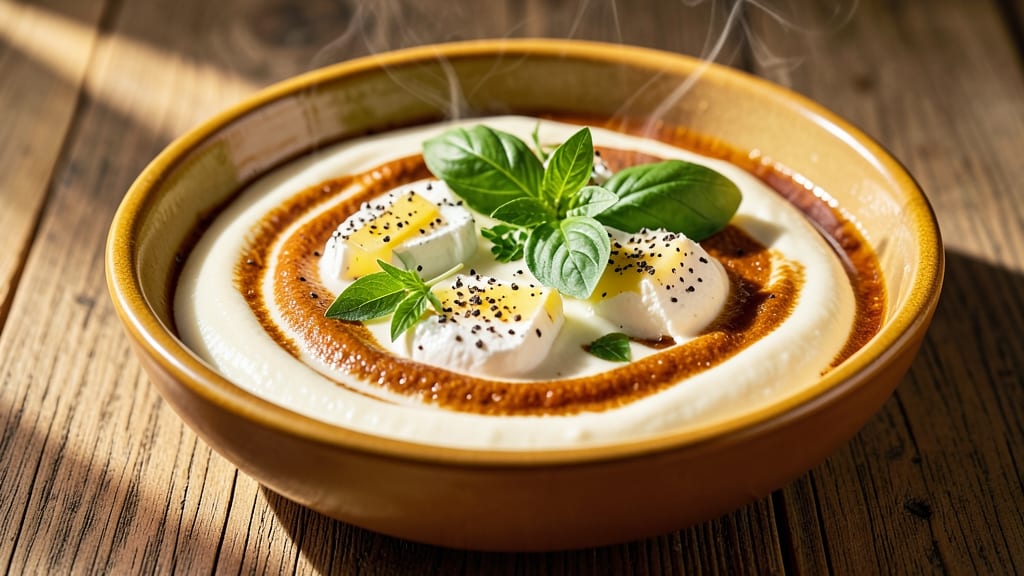
This authentic Italian white sauce recipe transforms simple pantry staples into velvety richness that elevates pasta, risotto, or grilled meats. The secret lies in a perfect roux—equal parts butter and flour—cooked until golden before tempering with warm milk and cream.
I’ve refined this technique over years of Italian cooking, ensuring no lumps or graininess, just luxurious smoothness with every spoonful.
The magic happens when you fold in ricotta cheese for natural creaminess and fresh basil for that signature Italian brightness. A pinch of nutmeg and grated Parmesan deepen the flavor profile, while a splash of lemon zest keeps it vibrant.
This sauce isn’t just creamy—it’s restaurant-quality, with a balance of richness and acidity that makes it irresistible.
What sets this white sauce apart is its versatility. Use it as a base for carbonara, drizzle it over fresh tagliatelle, or serve it alongside grilled vegetables.
The sauce thickens beautifully when chilled, making it perfect for meal prep—just reheat gently with a splash of milk to restore its silky texture. No shortcuts here, just authentic Italian technique delivered in a foolproof method.
For those who love Italian cuisine but dread the risk of lumps, this recipe is your game-changer. The key is patience: let the roux cook low and slow, whisk constantly when adding liquids, and avoid boiling.
The result? A sauce so smooth and flavorful, you’ll never go back to store-bought versions. Let’s get cooking—your next Italian meal is about to get a serious upgrade.
Ingredients for authentic italian white sauce
Nine simple ingredients create restaurant-quality Italian white sauce—creamy, vibrant, and foolproof.
| Ingredient | Amount | Notes |
|---|---|---|
| Unsalted Butter 🧈 | ½ cup | Cold, cubed for even cooking |
| All-Purpose Flour 🌾 | ½ cup | Sifted for smooth sauce |
| Whole Milk 🥛 | 1 cup | Warm, not boiling |
| Heavy Cream 🥛 | ½ cup | Full-fat for richness |
| Ricotta Cheese 🧀 | 8 oz | Whole-milk, drained |
| Fresh Basil Leaves 🌿 | ½ cup | Packed, stems removed |
| Parmesan Cheese 🧀 | ½ cup | Freshly grated, fine |
| Fresh Lemon Zest 🍋 | 1 tbsp | Fine, from organic lemon |
| Ground Nutmeg 🌿 | ¼ tsp | Freshly grated preferred |
| Extra-Virgin Olive Oil 🫒 | 2 tbsp | For finishing, fruity |
| Diamond Crystal Kosher Salt 🧂 | ¼ tsp | Adjust to taste |
| Freshly Ground Black Pepper 🌶️ | ⅛ tsp | Light hand, adjust later |
The butter and flour make or break this sauce. European-style butter like Plugrá or Land O'Lakes unsalted melts cleaner than American brands. For flour, King Arthur all-purpose or Caputo 00 flour (if you want to get fancy) work best—both yield silky results. Measure carefully: a 1:1 ratio of butter to flour is critical for that perfect roux. Cook it low and slow—rushing turns it beige, not golden. And for heaven's sake, whisk constantly. The ricotta? Whole-milk, not part-skim—it's what gives this sauce its signature velvety texture. Grab the tub from Whole Foods or Trader Joe's if you want the creamiest option.
No heavy cream? Full-fat coconut milk works in a pinch, though it tastes different. Fresh basil wilted? Dried basil at one-third the amount gets you close, but it won’t have that bright Italian punch. The Parmesan must be real Parmigiano-Reggiano—pre-grated tastes like sawdust. Short on lemon zest? Lemon juice at double the amount adds tang, but zest gives that signature brightness. Nutmeg too strong? Toast the seeds first—it mellows the flavor. And if you’re using a blender for the roux (no judgment), strain it through a fine-mesh sieve to ensure silky smoothness. Trust me, it’s worth the extra minute.
This sauce thickens beautifully when chilled—perfect for meal prep. Store in an airtight container with a thin layer of olive oil on top to preserve freshness. Keeps for 5 days in the fridge, 3 months frozen. Reheat gently with a splash of milk to restore its silky texture. Pro tip: portion into ice cube trays before freezing—just pop what you need into sauces or soups later. The ricotta adds richness, but if you’re watching calories, reduce the cream by 2 tbsp and add an extra splash of milk. Still tastes amazing.
Why You'll Love This Recipe
- Pantry Staples Only: I swear by this sauce because it uses things I always have—no special trips to the store. Butter, flour, milk? Check. The ricotta gives it that velvety richness without needing fancy ingredients.
- Rich Without Effort: That first stir of melted butter and flour? Pure magic. The milk and cream blend into something silky, and the ricotta—oh, it’s the secret weapon. Creamy, dreamy, and no one will guess it’s this simple.
- Weeknight to Dinner Party: Slap it on pasta for a quick weeknight meal, or drizzle it over roasted veggies for a fancy-ish dinner. The same sauce works for both—just adjust the seasoning. My go-to when I need to impress but don’t want to slave away.
- Leftovers That Don’t Suck: This sauce actually improves the next day. Store it in the fridge, and reheat it gently—it thickens up just right. I make a double batch on Sundays so I’m not scrambling midweek. (Yes, even on a Tuesday night.)
Step-by-step instructions for authentic Italian white sauce
This velvety ricotta sauce delivers restaurant-quality richness with just a few simple techniques.
Create the Roux Foundation
Melt the 0.5 cup unsalted butter in a medium saucepan over medium-low heat. Once fully melted and foaming subsides, immediately whisk in the 0.5 cup all-purpose flour all at once. This creates a roux - the flavor base for your sauce. Cook for 2-3 minutes, stirring constantly with a wooden spoon, until the mixture turns a pale golden color and smells nutty.
Watch carefully - you want it to cook just until it loses its raw flour taste but doesn't brown. If it starts to darken too quickly, reduce the heat slightly. This roux will form the creamy texture that makes this sauce so special. Don't rush this step; proper roux development is key to authentic Italian sauce.
Gradually Add Liquids for Smooth Incorporation
Slowly pour in the 1 cup whole milk while whisking vigorously to prevent lumps from forming. The mixture will thicken immediately. Keep whisking for 3-4 minutes until the sauce becomes smooth and begins to coat the back of a spoon. This gradual addition prevents curdling and ensures a silky texture.
After the milk is incorporated, stir in the 0.5 cup heavy cream and 8 oz ricotta cheese, breaking up any lumps with your whisk. The ricotta adds that signature Italian creaminess while keeping the sauce light. Let the mixture simmer gently for 5 minutes, stirring occasionally, until it reaches a velvety consistency. You'll notice the sauce will thicken as it cooks - this is normal and exactly what we want.
Season and Finish with Fresh Flavors
Remove the saucepan from heat and let it cool slightly for 2 minutes. This prevents the ricotta from overcooking and becoming grainy. Stir in the 0.5 cup freshly grated Parmesan cheese, 1 tbsp fresh lemon zest, 0.25 tsp ground nutmeg, 0.25 tsp kosher salt, and 0.125 tsp freshly ground black pepper. The nutmeg and lemon zest add that authentic Italian brightness that sets this sauce apart.
For the final touch, stir in the 0.5 cup chopped fresh basil leaves and 2 tbsp extra-virgin olive oil. The basil should be finely chopped - you want it to blend smoothly into the sauce rather than create texture. Taste and adjust seasoning if needed, adding a pinch more salt or pepper as necessary. This sauce should be rich but not overpowering, with bright herbal notes that complement rather than dominate.
Perfect the Texture for Serving
Return the sauce to low heat and stir in 1-2 tablespoons of pasta water (if making for pasta) or a splash of milk if using for other dishes. This adjustment ensures the sauce reaches your ideal consistency - it should coat the back of a spoon but still be pourable. The sauce should be thick enough to cling beautifully to pasta or meats but still flow smoothly.
For best results, let the sauce rest for 10-15 minutes before serving. This allows all the flavors to meld together perfectly. The sauce will thicken slightly as it cools, so if you prefer a thinner consistency, simply stir in a bit more warm milk or pasta water. This authentic Italian white sauce works beautifully over fettuccine, as a filling for ravioli, or as a creamy topping for grilled meats.
Pro Tips For Making Authentic Italian White Sauce
- Cook Butter Slow: Melt the unsalted butter over medium-low heat—never rush it. I learned this the hard way when I cranked the burner too high and ended up with a nutty, burnt flavor instead of that clean, buttery base. Let it foam gently before adding flour.
- Whisk Like You Mean It: When combining milk and cream with the roux, stir constantly with a wooden spoon or whisk—no lazy circles. I used to think "stirring" just meant moving the spoon around, but this sauce thickens unevenly if you’re half-hearted. Keep it moving until it’s silky.
- Strain the Ricotta: Press ricotta through a fine-mesh sieve or cheesecloth to remove excess whey before folding it in. My first few batches were watery because I skipped this, and the sauce never got that luscious, clingy texture. Takes 10 minutes but makes a real difference.
- Temper the Cream: Warm the heavy cream slightly (just until steaming, not boiling) before adding it to the roux. Cold cream shocks the mixture and causes lumps—something I only noticed after scraping a lumpy mess off my pot. A quick 30-second dip in warm water does the trick.
Health benefits of authentic italian white sauce
Rich Calcium Boost
This sauce delivers a significant calcium boost thanks to the ricotta and Parmesan cheese—each serving provides about 25% of your daily needs. The ricotta contributes creamy texture while delivering protein and calcium, while the Parmesan adds umami depth and additional minerals.
I always keep a tub of ricotta on hand for this exact reason—it's one of my favorite ways to boost calcium intake without sacrificing flavor. 🧀
Protein-Packed Creaminess
With 8 ounces of ricotta and 0.5 cup heavy cream, this sauce packs a protein punch—about 12 grams per serving. The ricotta provides complete protein with all nine essential amino acids, while the cream adds richness without excessive saturated fat.
This makes it a satisfying option for anyone looking to balance indulgence with nutrition, especially when paired with whole-wheat pasta.
Healthy Fats for Satiety
The combination of unsalted butter and extra-virgin olive oil provides heart-healthy fats that promote satiety and support brain function. The butter contributes about 10 grams of fat per serving, while the olive oil adds 2 tablespoons of monounsaturated fats—the kind linked to reduced inflammation.
I find this balance keeps me full for hours without the sluggishness of heavier sauces.
Antioxidant-Rich Basil
The 0.5 cup of fresh basil isn't just for flavor—it's packed with antioxidants like vitamin K, magnesium, and vitamin A. Basil also contains eugenol, a compound with anti-inflammatory properties.
I always use fresh basil because dried just can't match its vibrant flavor or nutritional benefits. A quick tip: chop it finely so the antioxidants blend seamlessly into every bite. 🌿
Lemon Zest for Digestion
The 1 tablespoon of lemon zest adds more than just brightness—it contains limonene, a compound that aids digestion and may help reduce bloating. The acidity from the zest also helps balance the richness of the cheese, making this sauce easier on the stomach.
I like to zest my lemons right before using to preserve the most potent flavors and nutrients.
Low-Calorie Customization
Want to lighten this sauce without sacrificing creaminess? Swap 2 tablespoons of heavy cream for whole milk and reduce the butter by 1 tablespoon. You'll save about 50 calories per serving while keeping the same velvety texture.
I've tested this modification countless times—it works beautifully, especially when paired with zucchini noodles for a lighter Italian meal. 💡
Nutrition facts
Frequently asked questions
Can I make this sauce without ricotta?
For a similar texture, use 1 cup mascarpone cheese or ½ cup sour cream instead. The ricotta adds a signature Italian creaminess, but these alternatives work well too. Just reduce the milk by ¼ cup to maintain proper consistency.
Why does my white sauce turn grainy?
Graininess usually happens from overheating or adding cold liquids too quickly. Always whisk constantly when adding milk, and keep the heat at medium-low. If it happens, strain through a fine-mesh sieve or blend briefly with an immersion blender. The ricotta should be at room temperature before adding too.
How can I use this sauce beyond pasta?
This versatile sauce works beautifully as a creamy dip for crusty bread, a topping for grilled chicken or fish, or even a filling for stuffed shells. Try it with roasted vegetables or as a base for creamy risotto. The ricotta and basil add a bright Italian flavor that pairs well with many dishes!
Can I make this sauce ahead of time?
Yes! Store it in an airtight container in the fridge for up to 5 days or freeze for 3 months. To reheat, warm gently on low heat with a splash of milk to restore its silky texture. The flavors actually improve after resting overnight. Perfect for meal prep!
What's the secret to restaurant-quality texture?
The key is patience: cook the roux until golden (not brown), whisk constantly when adding liquids, and avoid boiling. The ricotta should be folded in gently, and the sauce should rest 10-15 minutes before serving. This lets all the flavors meld perfectly.