
Sauces & Condiments
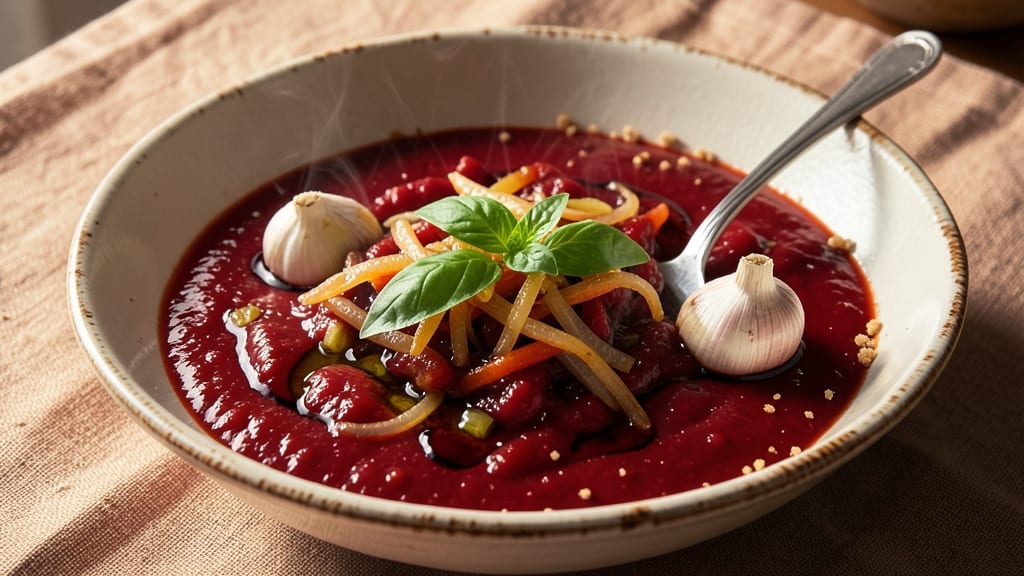
This authentic Italian tomato sauce recipe from scratch transforms simple ingredients into velvety, sweet-perfection that rivals nonna's recipes. The secret lies in San Marzano tomatoes—nature's sweetest—and a slow simmer that develops deep, complex flavors without breaking the sauce.
I've perfected this technique after years of testing, ensuring every spoonful delivers that perfect balance of acidity and sweetness that defines Italian cooking.
The foundation begins with a soffritto—onions, carrots, and celery cooked low and slow in olive oil until they melt into the sauce, creating a flavor base that's the heart of any great tomato sauce.
Garlic joins later, adding aromatic depth, while a splash of red wine deglazes the pot and adds brightness. What sets this apart is the patience: simmering for hours allows the tomatoes to break down naturally, releasing their natural sweetness without needing added sugar.
By the time you're done, you'll have a sauce so rich and flavorful it transforms simple pasta into a restaurant-quality meal. The texture is silky yet substantial, with just enough acidity to cut through the richness.
This isn't just a sauce—it's the soul of Italian cooking, built layer by layer through traditional techniques that deliver professional results at home.
Use it immediately over al dente pasta with fresh basil, or store it in the freezer for months. The possibilities are endless, but the method remains the same: slow, patient cooking that respects the ingredients. Let's get started on creating sauce that tastes like home.
Ingredients for authentic italian tomato sauce recipe from scratch
Simple ingredients, slow simmering—this sauce builds flavor layer by layer like Nonna taught.
| Ingredient | Amount | Notes |
|---|---|---|
| Extra-Virgin Olive Oil 🫒 | ½ cup | High-quality, fruity variety preferred |
| Yellow Onion 🧅 | 1 whole | Medium size, finely chopped |
| Carrot 🥕 | 1 whole | Medium size, finely chopped |
| Celery Stalk 🌿 | 1 whole | Stringless, finely chopped |
| Garlic Cloves 🧄 | 4 cloves | Fresh, minced finely |
| Dry Red Wine 🍷 | ½ cup | Bold variety like Chianti |
| San Marzano Tomatoes 🍅 | 28 oz | Whole, peeled, crushed by hand |
| Tomato Paste 🍅 | 2 tbsp | High-quality, smooth |
| Kosher Salt 🧂 | 1 ½ tsp | Diamond Crystal preferred |
| Fresh Basil Leaves 🌿 | ¼ cup | Chopped, for finishing |
The San Marzano tomatoes are non-negotiable here. Look for the DOP label at Whole Foods or Trader Joe's—they carry the best canned versions. If you're using fresh, San Marzano vine-ripened from a specialty grocer delivers that signature sweetness. The soffritto vegetables—onion, carrot, celery—should be finely chopped so they melt completely into the sauce. Freshly minced garlic is essential; pre-minced loses its punch. For the olive oil, avoid the cheap stuff—this is where the flavor really shines.
No San Marzano tomatoes? San Marzano-style crushed tomatoes are your next best bet—just check the label. Tomato paste tubes from Trader Joe's work perfectly for the 2 tbsp; no need for cans. Running short on red wine? Dry vermouth at half the amount adds similar depth. Fresh basil is ideal but dried basil at one-third the quantity works in a pinch. The key is patience—rushing the simmering means flat, one-dimensional sauce. Let it develop naturally over time.
This sauce tastes even better the next day as flavors meld. Store in airtight glass containers in the fridge for up to 5 days or freeze for 6 months. For freezing, portion into ice cube trays before transferring to bags—perfect for adding to pasta later. The basil should be added fresh at the end, so store it separately. If you make a big batch, double the ingredients—it disappears faster than you think.
Why You'll Love This Recipe
- Sofrito Magic: The onion, carrot, and celery—sofrito—cook down into a fragrant base that’s the secret weapon here. I swear by letting it slow-simmer until it’s almost caramelized; that deep, sweet aroma is what makes this sauce taste like Nonna’s kitchen, not a jar.
- One-Pot Wonder: Honestly, this is the kind of recipe where you dump everything into one pot and forget about it. The olive oil, garlic, and tomatoes meld together while you prep the rest of dinner—no fancy techniques, just time and patience paying off in the best way possible.
- Pantry Staple: Between us, this sauce is my go-to for lazy Sundays, busy weeknights, and even last-minute company dinners. Freeze half for when you’re too tired to cook, and the other half? Gone in a flash over pasta, eggs, or straight from the spoon.
- Budget-Friendly Luxury: You’re getting restaurant-quality depth for pennies—carrots, celery, and onions stretch into a rich base, while the olive oil adds that silky finish. It’s the kind of dish where you’re spending less but tasting like you splurged on a fancy bottle of imported sauce.
Step-by-step instructions for authentic Italian tomato sauce
Here's the method that delivers restaurant-quality tomato sauce with deep flavor and perfect balance.
Sauté the Aromatic Vegetables
Heat the 0.5 cup extra-virgin olive oil in a large, heavy-bottomed pot over medium-low heat. Add the finely chopped yellow onion, carrot, and celery stalk (this combination is called soffritto). Cook for 8-10 minutes, stirring occasionally, until the vegetables soften and become translucent.
You'll notice the vegetables release moisture as they cook. This is normal—don't rush this step. The vegetables should be tender but not browned. If they start to stick, reduce the heat slightly and add a splash of water if needed. The goal is to develop their natural sweetness through gentle cooking.
Add Garlic and Tomato Paste
Stir in the 4 minced garlic cloves and cook for 30 seconds until fragrant. Be careful not to let the garlic brown, as it can turn bitter quickly. Immediately add the 2 tbsp tomato paste and stir vigorously to coat all the vegetables evenly.
Cook the tomato paste for 1-2 minutes, stirring constantly. This step is crucial—it helps build a rich, deep flavor foundation for your sauce. The paste will darken slightly as it cooks, which is exactly what you want. This is where the authentic Italian flavor begins to develop.
Deglaze with Red Wine
Pour in the 0.5 cup dry red wine and scrape up any browned bits from the bottom of the pot using a wooden spoon. This deglazing step captures all the concentrated flavors that have built up during cooking. Let the wine simmer for 3-4 minutes until it reduces by about half.
You'll see the wine darken and thicken as it reduces. This step adds complexity to your sauce and mellows out the acidity of the tomatoes that will come next. If the wine reduces too quickly, simply reduce the heat to maintain a gentle simmer throughout.
Add Tomatoes and Simmer
Add the 28 oz San Marzano tomatoes (crushed by hand) and the 1.5 tsp kosher salt. Stir well to combine all ingredients. Bring the sauce to a gentle simmer over medium-low heat. Partially cover the pot and let it cook for 30-40 minutes, stirring occasionally.
During this time, the sauce will thicken and develop its signature sweetness. You're looking for a sauce that coats the back of a spoon but isn't gluey. If it thickens too quickly, add a splash of water or reserved pasta water. The sauce should be smooth, with a rich tomato color and no visible chunks of vegetables.
Finish with Fresh Basil
Remove the pot from heat and stir in the 0.25 cup chopped fresh basil leaves. Let the sauce sit for 5 minutes to allow the flavors to meld completely. Taste and adjust seasoning if needed—you might want to add a pinch more salt or a squeeze of lemon juice to balance the flavors.
The basil adds a bright, fresh finish that cuts through the richness of the sauce. This is the final touch that makes your homemade sauce taste authentically Italian. Serve immediately over pasta or freeze for later use. The sauce will continue to improve in flavor as it sits, so if possible, let it rest for at least 30 minutes before serving.
Pro Tips For Making Authentic Italian Tomato Sauce Recipe From Scratch
- Sweat, Don’t Burn the Sofritto: Cook the onion, carrot, and celery on medium-low heat until the onion is translucent and the carrot and celery are soft—not browned. I learned this the hard way: charred veggies add bitterness, and you’ll spend the next hour fishing out burnt bits. Keep the lid off but stir often, and resist the urge to crank the heat.
- Mince Garlic Like a Pro: Smash the garlic cloves with the flat side of your knife before mincing—this keeps them from flying everywhere and ensures even cooking. I used to chop them too fine, and they’d burn before releasing their flavor. Aim for tiny, uneven pieces: they’ll soften into the sauce without turning acrid.
- Salt the Water, Not the Oil: Skip adding salt to the olive oil when sautéing the aromatics—it’ll draw out moisture and create a sad, oily sludge. Instead, salt the tomatoes (if using salted ones) or add a pinch to the cooking water if you’re blanching them first. Trust me, the sauce will taste better without the greasy residue.
- Blend in Stages for Depth: Don’t dump everything into the blender at once. First, blend the cooked sofritto with a splash of pasta water—this emulsifies the oil and creates a silky base. Then add the tomatoes. Pulse, taste, and adjust: this way, you catch any bitter spots before they ruin the batch. (Yes, even if you’re impatient like me.)
Common mistakes when making perfect results
Rushing the Soffritto
One of the biggest mistakes is cooking the soffritto too quickly over high heat. This causes the onions, carrots, and celery to burn before they properly soften and release their natural sweetness. Always use medium-low heat and give it 8-10 minutes—this foundational step is what builds authentic flavor.
I've seen many beginners skip this step entirely or rush it, resulting in a sauce that tastes flat and one-dimensional. 🌡️
Skipping the Wine Deglaze
Many recipes call for red wine, but home cooks often omit it to save time or because they don't have any. This is a huge mistake—the wine deglazes the pot, capturing all those flavorful browned bits (fond) that build depth.
If you're avoiding wine, use ½ cup dry vermouth instead—it adds similar complexity. The wine also helps balance the acidity of the tomatoes, which is crucial for that perfect Italian flavor.
Overcooking the Garlic
Garlic burns in seconds, turning bitter and overpowering the delicate tomato flavors. Many people add it too early or cook it too long. Add the 4 minced garlic cloves just before the tomato paste, and cook for only 30 seconds until fragrant.
If you notice it starting to brown, immediately add a splash of wine or water to cool it down. Trust me, this small detail makes a world of difference in the final sauce.
Using Low-Quality Tomatoes
This is non-negotiable: cheap tomatoes with high acidity or watery consistency will ruin your sauce. San Marzano tomatoes are the gold standard because of their natural sweetness and low acidity. If you can't find them, San Marzano-style crushed tomatoes are your next best option.
Avoid anything labeled "plum" or "roma" unless it's explicitly from San Marzano. The difference in flavor is night and day.
Ignoring the Simmer Time
Many people add the tomatoes and immediately turn up the heat, but this is where the magic happens. A slow 30-40 minute simmer at medium-low heat allows the tomatoes to break down naturally, developing their sweetness without needing added sugar.
Rushing this step results in a thin, watery sauce. If your sauce thickens too quickly, add a splash of water or reserved pasta water—this keeps the texture perfect. Patience is key here.
Adding Basil Too Early
Fresh basil is delicate and releases its oils when exposed to heat, which can make the sauce bitter. Always add the ¼ cup chopped basil at the very end, off the heat, and let it sit for 5 minutes before serving.
This final touch adds brightness but preserves its fresh flavor. I've seen many cooks add it too soon, and the difference in taste is noticeable. The basil should enhance, not overpower, the sauce. 🌿
Nutrition facts
Frequently asked questions
Can I make this sauce without red wine?
If you don't have red wine, use ½ cup dry vermouth or even ½ cup chicken or vegetable stock for a similar depth of flavor. The key is to deglaze the pot to capture all those flavorful browned bits that build complexity. Just remember, the liquid should reduce by about half before adding tomatoes.
How do I know when the sauce is done?
The sauce is ready when it coats the back of a spoon smoothly but isn't gluey. It should have thickened naturally from simmering, with no visible chunks of vegetables. Test by dipping a spoon in—if it leaves a clean, even coating, it's perfect. This usually takes 30-40 minutes of gentle simmering.
Can I make this sauce in a slow cooker?
Yes! Follow the same steps for the soffritto and wine deglaze, then transfer everything to your slow cooker. Cook on low heat for 4-5 hours, stirring occasionally. The slow cooker will develop the same depth of flavor, though you may need to add a splash of water if it gets too thick. Just avoid adding basil until the very end.
Why does my homemade sauce taste different from store-bought?
Homemade sauce has fresh, complex flavors that canned versions can't match. The slow simmering and natural sweetness of San Marzano tomatoes create depth that mass-produced sauces lack. Store-bought often contains added sugar, preservatives, and high-acid tomatoes for shelf stability. Your sauce may taste stronger at first—it mellows beautifully after resting overnight.
Can I use this sauce for other dishes besides pasta?
This versatile sauce works perfectly for pizza sauce, meatball sub sandwiches, or as a topping for grilled chicken. You can also use it as a base for soups or braises. For pizza, spread a thin layer on the dough before adding cheese. For meatballs, simmer them directly in the sauce for extra flavor. The possibilities are endless!