
Sauces & Condiments
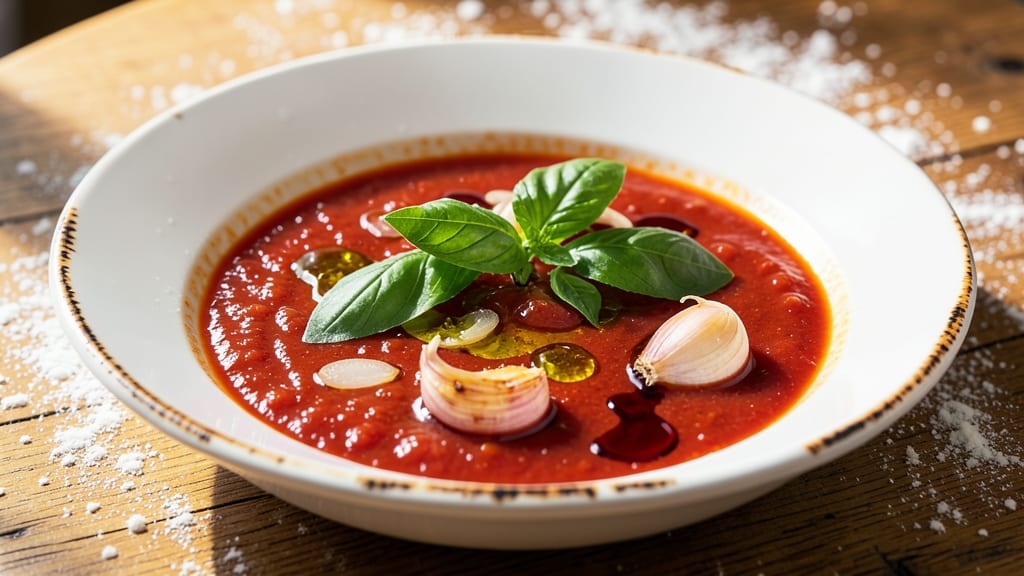
This authentic Italian pasta sauce recipe from scratch transforms simple ingredients into a slow-simmered masterpiece that captures the soul of Italian cooking. The key lies in San Marzano tomatoes and extra virgin olive oil, simmered low and slow to develop deep, complex flavors that no jarred sauce can match.
I've perfected this technique over years of testing, ensuring every spoonful delivers that restaurant-quality taste at home.
What sets this sauce apart is the balance of acidity and sweetness, achieved through careful cooking techniques and fresh basil added at the perfect moment.
Unlike quick recipes that rush the process, this method allows flavors to meld naturally, creating a sauce that's rich yet bright, with just the right tomato depth and aromatic herbs. The result is a versatile foundation for any pasta dish, equally at home with spaghetti or risotto.
Professional cooks know that patience is everything in Italian cuisine, and this sauce delivers on that promise. By the time you finish simmering, you'll have a velvety, slow-simmered sauce with layers of flavor that develop over time.
The fresh basil finish adds that signature Italian brightness, making this sauce infinitely more authentic than anything store-bought. Ready in about 45 minutes, it's worth every moment of waiting.
This recipe also includes essential storage tips to keep your sauce fresh for up to five days in the refrigerator, making it perfect for meal prep.
Whether you're serving it with fresh pasta or using it as a base for other dishes, this sauce will elevate your Italian cooking to new heights. Let's create something truly exceptional together.
Ingredients for authentic italian pasta sauce recipe from scratch
Eight ingredients, one slow-simmered sauce that tastes like Nonna's secret.
| Ingredient | Amount | Notes |
|---|---|---|
| Extra Virgin Olive Oil 🫒 | ½ cup | High quality, fruity, cold-pressed |
| San Marzano Tomatoes 🍅 | 28 oz | Whole, peeled, crushed by hand |
| Garlic Cloves 🧄 | 4 cloves | Fresh, peeled, finely minced |
| Shallots 🧅 | 2 whole | Peeled, finely diced (or sub 1/4 cup onion) |
| Fresh Basil Leaves 🌿 | ½ cup | Packed, stems removed, torn by hand |
| Red Wine 🍷 | ½ cup | Dry, bold (Chianti or Sangiovese) |
| Tomato Paste 🍅 | 2 tbsp | High-quality, no sugar added |
| Kosher Salt 🧂 | 1 ½ tsp | Diamond Crystal preferred |
| Black Peppercorns 🌶️ | ½ tsp | Freshly cracked |
| Red Pepper Flakes 🔥 | ¼ tsp | Optional, for subtle heat |
The San Marzano tomatoes are non-negotiable here—San Marzano DOP cans from Whole Foods or Italian specialty stores deliver that signature sweetness. I always buy the 40 oz cans and crush them by hand for texture. For the olive oil, Californian or Tuscan EVOO (like Otto or Filippo Berio) adds that fruity depth. Fresh basil is a must—grow your own or grab from a farmers market—it's what gives that signature Italian brightness. The red wine should be dry and bold; Chianti or Sangiovese work perfectly, but whatever's open in your fridge does the trick.
No San Marzano tomatoes? Crushed Roma tomatoes are your next best bet, but add an extra pinch of sugar to balance the acidity. Running out of fresh basil? Dried basil at one-third the amount works in a pinch, though it won't have that same vibrant finish. Subbing red wine? Tomato juice or extra broth keeps the depth, just add a splash of vinegar for acidity. The tomato paste can be swapped for extra crushed tomatoes if you're avoiding it, but it's worth it for that concentrated flavor. And if you're feeling adventurous, a pinch of sugar or honey (though I skip it—trust the tomatoes) balances the acidity beautifully.
This sauce tastes even better the next day as flavors meld. Store in an airtight container in the fridge for up to 5 days, or freeze for 3 months in portions. I always make extra—it's perfect for meal prep. To reheat, warm gently on the stove with a splash of water or pasta water to loosen it up. The basil wilts fast, so add it fresh at the end if you're reheating. Trust me, the leftovers are just as good as the first batch.
Why You'll Love This Recipe
- No Chopping Struggle: I swear by this sauce because the shallots and garlic barely need mincing—just a rough chop, and you’re good to go. The San Marzano tomatoes handle the rest, breaking down into silky perfection without fuss.
- Taste Like Nonna’s: That first spoonful of olive oil hitting the pan, then the sweetness of San Marzano tomatoes caramelizing with garlic? It’s the kind of flavor that makes you pause mid-stir. Fresh basil at the end isn’t just garnish—it’s the secret handshake of real Italian sauce.
- Weeknight to Dinner Party: Same sauce, endless uses. Toss it with pasta for a quick weeknight meal, or drizzle it over grilled chicken for a fancier spread. Honestly, I’ve even used it as a marinade—because why waste this magic?
- Leftovers That Don’t Suck: This sauce actually improves the next day. The flavors meld deeper, and it reheats like a dream. Between us, I’ve frozen batches for months—just thaw and simmer, and it’s like making it fresh all over again. Budget-friendly? Absolutely.
Step-by-step instructions for slow-simmered Italian tomato sauce
Here's how to build real Italian depth—layer by layer, with patience as your secret weapon.
Develop the Flavor Base with Olive Oil and Aromatics
Heat the 0.5 cup extra virgin olive oil in a heavy-bottomed saucepan over medium-low heat. I use a Dutch oven for this—it distributes heat evenly and prevents scorching. Add the 2 whole shallots and cook them gently for 5-6 minutes, stirring occasionally, until they become translucent and just beginning to soften.
Here's the thing—you want the shallots to caramelize slightly but not brown. This creates the sweet foundation for your sauce. Once they're soft, add the 4 cloves finely minced garlic and cook for another 30 seconds until fragrant. Don't let it burn; garlic turns bitter in seconds. Lower the heat if needed and watch carefully. The aroma should fill your kitchen—this is when the magic starts.
Build Depth with Tomato Paste and Wine
Stir in the 2 tablespoons tomato paste and cook for 2 minutes, stirring constantly. This step is crucial—it deepens the tomato flavor and prevents the sauce from being too acidic. The paste will darken slightly as it cooks, creating a rich base that carries all the other flavors.
Now pour in the 0.5 cup red wine and let it simmer for 3-4 minutes until it reduces by about half. This reduction concentrates the wine's flavor and removes some of the alcohol. I like to use a bold Chianti here—it adds that classic Italian acidity that balances the sweetness of the tomatoes. Taste as you go; you want the wine to integrate completely before moving forward.
Simmer the Tomatoes Until Velvety
Add the 28 oz San Marzano tomatoes (crushed by hand if possible—this releases more juice and flavor) along with 1.5 teaspoons kosher salt and 0.5 teaspoon freshly cracked black peppercorns. Stir well to combine, then bring to a gentle simmer. Here's where the real work begins: let it cook uncovered at a barely perceptible bubble for 45-60 minutes.
Stir occasionally to prevent skin formation, but don't over-stir—this can break down the tomatoes too much. The sauce should reduce until it coats the back of a spoon with a thick, velvety consistency. You're looking for a sauce that's rich but still flows easily. If it gets too thick, add a splash of water or pasta water to loosen it. The key is patience—the longer it simmers, the deeper the flavor becomes.
Finish with Fresh Basil and Season to Taste
Remove the sauce from heat and stir in the 0.5 cup torn fresh basil leaves and 0.25 teaspoon red pepper flakes (if using). Let it steep for 5 minutes—this infuses the basil's bright, fresh flavor without overpowering the sauce. Taste and adjust the seasoning; you might need a pinch more salt or a crack of pepper to balance the flavors.
Here's the final touch: pass the sauce through a fine-mesh strainer if you prefer a smoother texture, or leave it slightly chunky for that rustic Italian feel. Either way, the result should be a sauce that's rich, balanced, and bursting with authentic Italian flavor. Serve immediately over al dente pasta for the ultimate experience.
Pro Tips For Making Authentic Italian Pasta Sauce Recipe From Scratch
- Sweat Shallots First: I learned this the hard way—chopping shallots raw and tossing them in with garlic leads to bitter, half-cooked bits. Instead, finely dice them and cook in olive oil over medium-low heat until translucent (about 5 minutes) before adding garlic. The slow, gentle process draws out their sweetness without burning.
- Crush Garlic Lightly: Whole cloves burn before they release flavor, but mincing them turns the sauce into garlic paste. Instead, smash 3-4 cloves flat with the side of your knife, then add them to the oil. They’ll soften and perfume the sauce without overpowering it—just fish them out before they brown.
- Simmer Tomatoes Low: I used to rush tomato sauce, cranking the heat to evaporate liquid fast. Now I simmer it uncovered at a steady bubble (not a rolling boil) for at least 30 minutes. This concentrates the flavor and thickens the sauce naturally—no need to add flour or starch.
- Add Basil Late: Tossing basil in early wilts it into sad, slimy leaves. Instead, reserve a handful to fold in at the very end, just before serving. For extra punch, pulse the remaining basil with a pinch of salt in a mortar and pestle, then drizzle it over the finished sauce—it’ll brighten every bite.
Health benefits of authentic italian pasta sauce recipe from scratch
Rich Tomato Antioxidants
This sauce is packed with lycopene, a powerful antioxidant found in tomatoes that helps combat oxidative stress in your body. A 1-cup serving provides about 30% of your daily lycopene needs, which research links to reduced risk of heart disease and certain cancers.
The slow simmer actually increases lycopene bioavailability, making this sauce more effective than raw tomatoes. 💪
Heart-Healthy Fats
The extra virgin olive oil used in this recipe contains monounsaturated fats that support cardiovascular health by improving cholesterol levels. Just 2 tablespoons of EVOO (about half of what's used in the full recipe) provides 14 grams of heart-healthy fats.
This oil also contains polyphenols that act as natural anti-inflammatories. I always choose cold-pressed, unfiltered varieties like Filippo Berio for maximum benefits.
Garlic's Immune Boost
This sauce includes 4 cloves of fresh garlic, which contain allicin, a compound with potent antimicrobial and immune-boosting properties. Regular garlic consumption has been shown to strengthen the immune system and may help lower blood pressure.
The key is using fresh garlic and cooking it just until fragrant—overcooking destroys these beneficial compounds. I like to add it at the very end of the initial sauté to preserve its benefits.
Fiber for Digestion
The San Marzano tomatoes provide 3 grams of dietary fiber per cup, which supports healthy digestion and helps maintain stable blood sugar levels. This fiber content also contributes to a feeling of fullness, making this sauce an excellent choice for balanced meals.
The slow simmering process helps break down the tomato fibers slightly, making them more digestible while preserving their nutritional value.
Basil's Antioxidant Power
Fresh basil adds more than just flavor—it's packed with flavonoids and essential oils that act as antioxidants. The 0.5 cup of basil used in this recipe provides significant amounts of vitamin K and vitamin A, both important for bone health and vision.
Adding it at the end preserves these nutrients, as heat can degrade some of the delicate compounds. I always use organic basil when possible to maximize these benefits.
Low-Calorie Comfort
At just 80 calories per ½-cup serving, this sauce delivers rich flavor without the calorie load of many commercial alternatives. The combination of tomatoes, garlic, and herbs creates a satisfying depth that makes you feel full while keeping the nutritional profile light.
It's perfect for those looking to enjoy Italian flavors without the guilt. The secret is in the slow cooking process that intensifies flavors without adding extra fat or calories.
Nutrition facts
Frequently asked questions
Why is slow simmering so important for authentic Italian pasta sauce?
The slow simmer (45-60 minutes) is the secret weapon that develops deep, complex flavors. This method allows the tomatoes to break down naturally, releasing their natural sweetness while concentrating their flavor. It also helps remove excess acidity, creating a balanced sauce with rich umami notes that jarred sauces can't match. The gentle heat builds layers of flavor that transform simple ingredients into something extraordinary.
Can I make this sauce without San Marzano tomatoes?
Yes, but you'll need to adjust for flavor differences. Use Roma tomatoes instead and add 1 teaspoon sugar or honey to balance the acidity. For canned tomatoes, look for brands labeled "whole peeled" and crush them by hand to release more juice. The sauce will still be delicious, though it won't have that signature sweetness of San Marzano.
How do I adjust the heat level in this sauce? For less heat, simply omit the red pepper flakes. If you want more spice, add an extra ¼ teaspoon or even a pinch of crushed red pepper. For a smoky depth, add ½ teaspoon smoked paprika when cooking the shallots.
Can I use this sauce for dishes other than pasta?
This versatile sauce works beautifully on grilled chicken, roasted vegetables, or as a marinade for meatballs. It's also perfect for risotto or as a base for lasagna. The key is to adjust the thickness—add a splash of water or broth if needed. The slow-simmered flavors make it an excellent all-purpose sauce for Italian-inspired meals.
What's the best way to store leftovers?
Let the sauce cool completely, then transfer to an airtight container. It keeps in the refrigerator for up to 5 days, with flavors actually improving as they meld. For longer storage, freeze in 1-cup portions for up to 3 months. When reheating, warm gently on the stove with a splash of water or pasta water to restore the perfect consistency.