
Sauces & Condiments
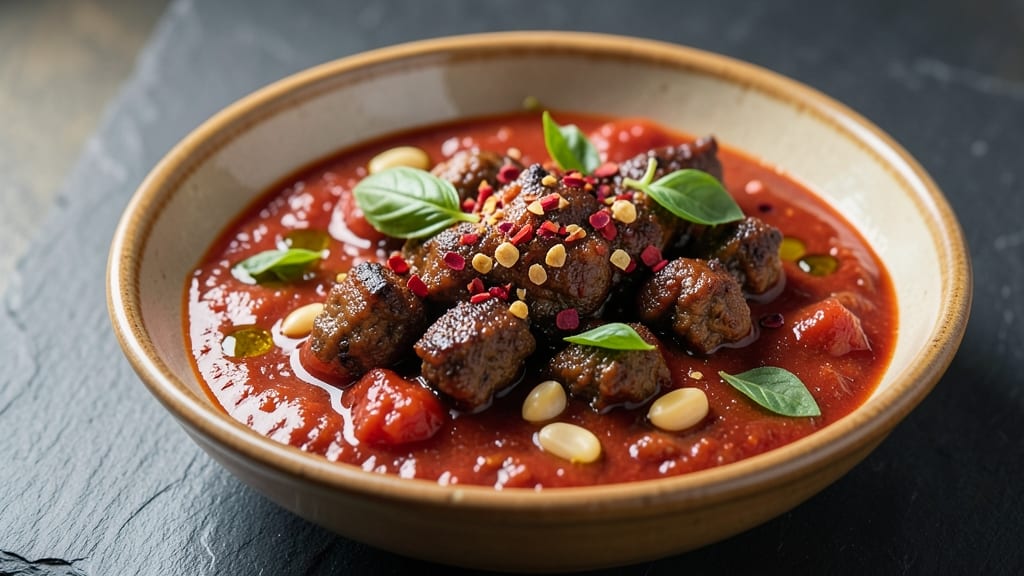
This arrabbiata meat sauce recipe delivers the bold, spicy, and velvety tomato sauce you crave—packed with garlic-kissed depth and chili heat that lingers. 🔥 The secret lies in slow-cooking ground meat with aromatic garlic and red pepper flakes before blending it into a rich, chunky tomato base.
What sets this apart is the balance of smoky heat and sweetness, achieved through a simmered reduction that intensifies flavors without burning the sauce.
Unlike quick-stirred versions, this method develops layers of complexity as the meat renders and the tomatoes caramelize.
You’ll start with a simple sear of ground beef or Italian sausage, then build the sauce with canned San Marzano tomatoes, garlic, and a pinch of chili flakes—just enough heat to wake up your taste buds without overwhelming. The result?
A sauce so rich and aromatic, it transforms any pasta dish into a restaurant-worthy meal.
What makes this arrabbiata sauce truly special is its versatility. Toss it with al dente spaghetti for a classic Italian dinner, spread it over crusty bread for a hearty appetizer, or serve it as a standalone dish with a sprinkle of fresh basil.
The slow-cooked approach ensures the meat stays tender and the sauce clings perfectly to every bite, making it a foolproof technique for both beginners and seasoned cooks.
For those who love arrabbiata but want to adapt, a vegan version swaps meat for mushrooms or lentils while keeping the same bold flavors. The key is patience—letting the sauce simmer until the tomatoes break down and the garlic infuses deeply.
Trust me, once you taste this sauce, you’ll never settle for store-bought again.
Ingredients for arrabbiata meat sauce
Bold flavors start with these simple ingredients that pack serious Italian soul.
| Ingredient | Amount | Notes |
|---|---|---|
| Ground Beef 🥩 | 1 ½ lb | 80/20 fat ratio preferred |
| San Marzano Tomatoes 🍅 | 28 oz | Canned, crushed or whole |
| Garlic Cloves 🧄 | 6 cloves | Fresh, peeled and minced |
| Red Pepper Flakes 🌶️ | 1 ½ tsp | Adjust for heat preference |
| Italian Seasoning 🌿 | 1 tsp | Dried blend preferred |
| Extra-Virgin Olive Oil 🫒 | 2 tbsp | For searing meat |
| Onion 🧅 | 1 whole | Yellow or red, finely chopped |
| Fresh Basil Leaves 🌿 | ¼ cup | Chopped, for garnish |
| Salt 🧂 | 1 ½ tsp | Kosher or sea salt |
| Black Pepper 🌶️ | ½ tsp | Freshly ground preferred |
| Dried Oregano 🍃 | ½ tsp | Optional, for depth |
| Balsamic Vinegar 🍷 | 1 tbsp | For finishing touch |
| Italian Sausage 🌭 | ½ lb | Optional, for extra flavor |
The San Marzano tomatoes are non-negotiable here—their natural sweetness and low acidity make all the difference. Grab the 28-ounce can from Whole Foods or Trader Joe's if you can, but any quality canned tomatoes will work. For the meat, ground beef with 80/20 fat ratio gives the best flavor and texture, but Italian sausage adds a smoky depth that's hard to beat. If you're using sausage, remove the casings first and crumble it by hand. The garlic? Fresh is a must—no powdered or jarred stuff here. Toast it slightly in the olive oil before adding to the sauce for that nutty aroma that takes this dish to the next level.
No San Marzano tomatoes? Crushed tomatoes in a 28-ounce can will do, but you might need to add a pinch more sugar to balance the acidity. Running low on red pepper flakes? Cayenne pepper at half the amount works in a pinch, though it's a bit more potent. Fresh basil wilting? Dried oregano at one-third the amount keeps the flavor profile intact. The balsamic vinegar is purely for finishing—skip it if you're sensitive to the tang, but trust me, that last spoonful elevates everything. For the meat, ground turkey or chicken can work, but the fat content is crucial for that rich sauce texture. If you're using pre-minced garlic from a jar, toast it in a dry pan first to bring out its flavor.
This sauce tastes even better the next day as the flavors meld together. Store it in an airtight container in the fridge for up to 5 days—it reheats beautifully. For longer storage, freeze it in 1-cup portions for easy use later. I always make a double batch because it disappears fast—perfect for pasta, pizza, or even as a dipping sauce for crusty bread. If you're prepping ahead, blend it after chilling for a smoother texture, but leave it chunky if you prefer that rustic Italian feel.
Why You'll Love This Recipe
- No-Fuss Weeknight Win: I swear by this sauce when I’m too tired to fuss—just brown the beef, toss in the crushed tomatoes and garlic, and let the red pepper flakes do their magic. The San Marzano tomatoes melt down to a silky base with almost no effort, and honestly? That’s my kind of cooking.
- Spicy-Sweet Magic: The kick from the red pepper flakes meets the natural sweetness of the San Marzano tomatoes, and the Italian seasoning ties it all together with that warm, herby hug. It’s not just spicy—it’s balanced, with a depth that makes you want to linger over your plate.
- Leftovers That Shine: This sauce actually improves the next day. I make a big batch on Sunday, and by Wednesday, it’s even richer—perfect for tossing with pasta, stuffing into peppers, or slathering on toast. (Yes, even on a Tuesday night.)
- Budget-Friendly Flex: Ground beef and canned tomatoes keep this affordable, but the flavor feels like a splurge. I stretch it over rice for a quick meal or freeze half for when I’m too lazy to cook. Here’s what sold me—the taste doesn’t skimp, but the wallet does.
Step-by-step instructions for arrabbiata meat sauce
Here's how to build rich, spicy tomato sauce with deep garlic flavor—simple steps for bold results.
🔥 Step 1: Sear the Meat for Deep Flavor
Heat a large Dutch oven over medium-high heat and add 2 tablespoons extra-virgin olive oil. Break the 1.5 lb ground beef into small crumbles and add it to the pan, stirring to separate the meat. Cook for 5-6 minutes until the beef loses its raw color and starts to brown.
Here's the thing—don't rush this step. You want the meat to render its fat and develop a nice crust. If it sticks, don't panic—just break it up with a wooden spoon and let it cook. After the beef is browned, remove it from the pan and set it aside on a plate.
Next, add the 0.5 lb Italian sausage (if using) to the same pan, breaking it into smaller pieces. Cook for 4-5 minutes until it's also browned and cooked through. Remove the sausage and set it aside with the beef. You'll use both later to thicken your sauce.
🍳 Step 2: Sauté Aromatics Until Fragrant
In the same Dutch oven, reduce the heat to medium and add the 1 whole onion, chopped into small pieces. Cook for 3-4 minutes until the onion becomes translucent and just starts to soften.
Add the 6 cloves garlic cloves, minced, and cook for 30 seconds—just until you can smell that irresistible garlic aroma. Be careful not to let it burn; it should be golden but not dark. Here's where it gets fun—toss in the 1.5 teaspoons red pepper flakes and stir for 10 seconds to toast them slightly. This releases their heat and aroma, giving your sauce that signature kick.
Sprinkle in the 1 teaspoon Italian seasoning and 0.5 teaspoon dried oregano, stirring to coat the onions and garlic. Let this mixture cook for 1 minute to let the spices bloom and infuse their flavors into the oil.
🥘 Step 3: Build the Sauce with Tomatoes
Pour in the 28 oz San Marzano tomatoes, whether they're crushed or whole. Stir well to combine everything, then add the 1.5 teaspoons salt and 0.5 teaspoon black pepper. Bring the mixture to a gentle simmer over medium-low heat.
Now, here's the moment that matters: let the sauce cook uncovered for 20-25 minutes. You want it to reduce slightly and thicken, but don't let it boil vigorously. Stir occasionally to prevent sticking. The sauce should be rich and velvety, with the tomatoes breaking down into a luscious consistency. If it gets too thick, add a splash of water to loosen it.
After 20 minutes, return the browned beef and sausage to the pot. Stir everything together and let it simmer for another 5 minutes to heat through and meld all the flavors. Taste and adjust the seasoning if needed—you might want to add a pinch more salt or red pepper flakes to taste.
🍽️ Step 4: Finish and Garnish
Remove the sauce from heat and stir in the 1 tablespoon balsamic vinegar. This adds a touch of tanginess that balances the richness of the tomatoes and the heat of the red pepper flakes. Let the sauce sit for 2 minutes to let the vinegar integrate.
Finally, stir in the 0.25 cup chopped fresh basil leaves. The basil adds a bright, fresh finish that cuts through the richness of the meat and tomatoes. Taste one more time and adjust the seasoning if necessary. Serve the arrabbiata sauce immediately over your favorite pasta, or store it in the refrigerator for up to 5 days for later use.
Pro Tips For Making Arrabbiata Meat Sauce
- CRUSH GARLIC FIRST: Smash those garlic cloves with the flat side of your knife before mincing—it releases more flavor and prevents burning. I used to just chop it fine, but this step makes the difference when you’re simmering with tomatoes and red pepper flakes.
- BROWN THE BEEF WELL: Don’t rush the beef—push it into a single crusty layer and let it sizzle for 5-7 minutes. I learned this the hard way: pale meat means bland sauce. The Maillard reaction here is your friend.
- SALT THE TOMATOES: Toss your crushed San Marzano tomatoes with a pinch of salt before adding them to the pan. It softens them faster and balances the acidity—no more waiting for them to break down or ending up with a sharp, underdeveloped sauce.
- LOW AND SLOW AFTER 20 MINUTES: Once the tomatoes are broken down and the sauce thickens, drop the heat to a bare simmer. I used to let it bubble wildly, and it’d either scorch or split. Low heat keeps the pepper flakes from burning and the flavors melding.
Common mistakes when making perfect results
Overcooking the Meat
One of the biggest mistakes is overcooking the ground beef or sausage. When you cook these proteins beyond medium doneness, they turn dry and rubbery, which ruins the velvety texture of your sauce.
I’ve seen people walk away from the stove while the meat cooks, only to return to find it completely desiccated. Instead, cook the meat just until it loses its raw color—about 5-6 minutes for beef and 4-5 minutes for sausage—and then set it aside.
The meat will finish cooking later in the sauce. 🥩
Skipping the Tomato Reduction
Many home cooks pour in the tomatoes and immediately add the meat back into the pot, but this shortcut prevents the sauce from developing depth. The key to a rich arrabbiata is letting the tomatoes simmer uncovered for 20-25 minutes to reduce and concentrate their flavors.
This step caramelizes the natural sugars in the tomatoes, creating a deeper, more complex sauce. If you rush this, your sauce will taste flat and watery. Patience here makes all the difference!
Burning the Garlic
Garlic is the soul of arrabbiata, but it’s easy to burn it if you’re not careful. Once you add the minced garlic to the onions, watch it like a hawk—it should only cook for 30 seconds until it’s fragrant and golden, not dark brown.
Burnt garlic tastes bitter and overpowering, which can ruin the balance of flavors in your sauce. If you notice it darkening too quickly, remove the pan from heat for a moment or reduce the heat to low. Trust me, your taste buds will thank you. 🧄
Ignoring the Fat Rendering
Another common mistake is not letting the meat render its fat properly during the initial sear. The fat from the beef or sausage is what creates that luscious, silky texture in the sauce.
If you rush this step or use leaner cuts of meat, the sauce will turn out thin and greasy. To avoid this, give the meat plenty of time to brown and release its fat—about 5-6 minutes—and resist the urge to drain the fat. That rendered fat is your friend!
It’s what makes the sauce cling beautifully to pasta.
Underseasoning the Sauce
Many people hold back on salt and red pepper flakes, thinking they can always add more later. But by the time you taste the sauce, it’s often too late—you can’t un-salt it!
Start with the full 1.5 teaspoons of salt and 1.5 teaspoons of red pepper flakes as called for in the recipe, then adjust to taste. Remember, the flavors will deepen as the sauce simmers, so don’t be afraid to season generously from the start.
Taste as you go, and don’t forget to adjust the heat level with more red pepper flakes if needed. 🌶️
Using Low-Quality Tomatoes
Not all tomatoes are created equal, and using subpar canned tomatoes can make or break your arrabbiata. Cheap, watery tomatoes lack the sweetness and depth needed for this sauce. Always opt for San Marzano tomatoes or another high-quality canned tomato if you can’t find them.
These tomatoes have a lower acidity and higher sugar content, which gives your sauce that authentic, rich flavor. If you’re using crushed tomatoes, look for brands like Muir Glen or Whole Foods 365 for the best results. Your sauce will thank you! 🍅
Nutrition facts
Frequently asked questions
Can I make arrabbiata sauce without meat?
For a vegan version, replace the ground beef with 1.5 lbs of mushrooms (cremini or portobello) or 1 cup cooked lentils. Sauté the mushrooms first until deeply browned to mimic the meat's texture, then proceed with the recipe as written. The umami from mushrooms or lentils will still create a rich, hearty sauce.
How do I adjust the heat level?
Start with the 1.5 teaspoons of red pepper flakes as written, then taste and adjust. For milder heat, reduce to 1 teaspoon or use ½ teaspoon cayenne pepper instead. For extra spice, add ½ teaspoon crushed dried chili peppers or a pinch of hot paprika. Always taste before serving—you can't remove heat later!
What's the best pasta to pair with this sauce?
Traditional choices are spaghetti or linguine for their long strands that catch the sauce beautifully. For extra texture, try bucatini or rigatoni. If you prefer heartier options, pappardelle or fettuccine work well. Cook pasta 1 minute less than package instructions—arrabbiata sauce finishes cooking it perfectly.
Can I make this sauce in a slow cooker?
Yes! Brown the meat first in a skillet, then transfer everything to the slow cooker. Cook on low for 6-7 hours or high for 3-4 hours, stirring occasionally. The slow cooker method develops even deeper flavors, but check for doneness early—meat can overcook. Add a splash of water if the sauce gets too thick during cooking.
How long will leftovers keep?
Store in an airtight container in the fridge for up to 5 days. The sauce actually improves overnight as flavors meld! For longer storage, freeze in 1-cup portions for up to 3 months**. Thaw in the fridge overnight before reheating. Always reheat gently on the stovetop with a splash of water to prevent drying out.