
Sauces & Condiments
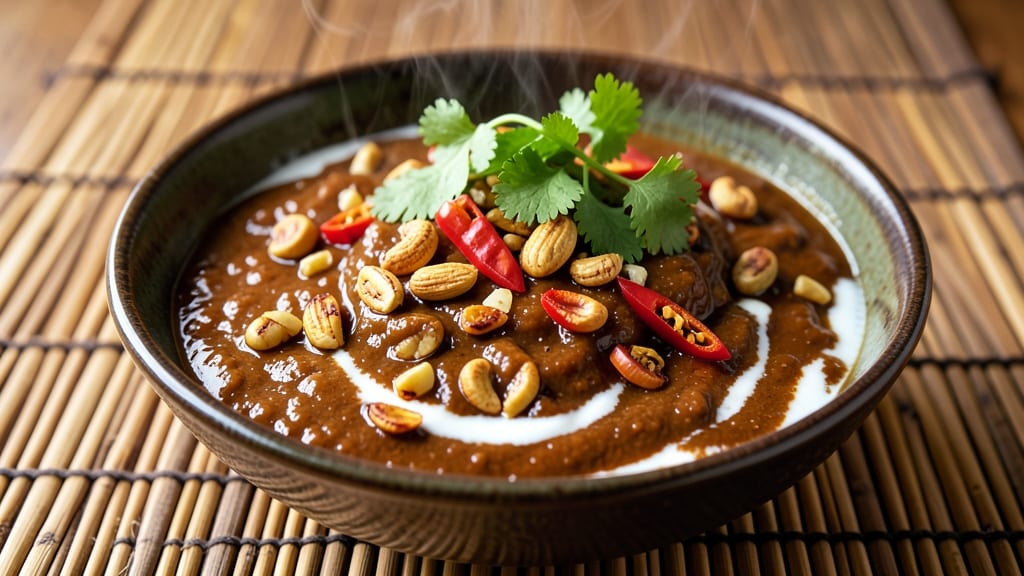
This authentic Indonesian peanut sauce transforms ordinary dishes into bold, flavor-packed masterpieces with its nutty-spiced richness. 🌟 The secret lies in toasting peanuts and blending them with traditional ingredients like tamarind, coconut milk, and aromatic spices—creating a sauce that’s both creamy and complex.
Unlike store-bought versions, this recipe delivers layers of depth that elevate stir-fries, grilled meats, and even noodles to restaurant-quality levels.
The process is straightforward but essential for authenticity: roast the peanuts until fragrant, then blend them with tamarind paste, coconut milk, and a mix of garlic, shallots, and chili. This balance of sweet, tangy, and spicy flavors is what makes this sauce unforgettable.
The result? A velvety, slightly chunky sauce that clings perfectly to your favorite proteins or vegetables, adding a signature Indonesian touch.
What sets this sauce apart is its versatility—use it as a dipping sauce for satay, a stir-fry glaze, or a topping for rice dishes. The tamarind adds a bright tang that cuts through the richness, while the peanuts provide a satisfying crunch.
With just 15 minutes of prep and 5 simple ingredients, you’ll have a sauce that’s as impressive as it is delicious, ready to transport your taste buds straight to Indonesia.
For an extra boost, toast the spices separately to deepen their aroma before blending. Store leftovers in the fridge for up to 5 days, or freeze for longer shelf life. This is the kind of sauce that turns a simple meal into a memorable experience—let’s get cooking!
Ingredients for authentic indonesian peanut sauce
Five core ingredients transform into Indonesia's signature nutty-spiced sauce—simple yet unforgettable.
| Ingredient | Amount | Notes |
|---|---|---|
| Raw Peanuts 🥜 | 1 cup | Unsalted, dry-roasted for fragrance |
| Tamarind Paste 🍈 | ¼ cup | Unadulterated, block-style preferred |
| Coconut Milk 🥥 | 1 can | Full-fat, 13.5 oz can, shaken |
| Garlic Cloves 🧄 | 4 cloves | Fresh, peeled, lightly toasted |
| Shallots 🧅 | 2 whole | Peeled, finely minced |
| Red Chili Peppers 🌶️ | 2 whole | Bird's eye or Thai, seeds removed |
| Brown Sugar 🍚 | 2 tbsp | Packed, light variety |
| Fish Sauce 🍶 | 1 tbsp | Red Boat preferred for quality |
| Lime Juice 🍋 | 1 tbsp | Freshly squeezed, Meyer preferred |
| Vegetable Oil 🫒 | 2 tbsp | For roasting peanuts |
The peanuts are non-negotiable—raw, unsalted is essential for authentic flavor. Toast them in vegetable oil until fragrant (about 5 minutes) for that signature roasted aroma. Trader Joe's and Asian markets carry the best quality, but any natural food store will work. Tamarind paste? Look for the block form—it's more concentrated and less processed. The Red Boat fish sauce adds depth, so don't skimp if you're aiming for authenticity. For the chili, bird's eye peppers pack the most heat, but Thai chilies work too if you prefer less intensity.
No tamarind paste? Lime juice plus 1 tbsp brown sugar mimics the tangy-sweet balance. Short on peanuts? Cashews or almonds can substitute, but texture will differ. The coconut milk must be full-fat—light versions won't create that velvety texture. For extra richness, add 1 tbsp of coconut cream at the end. Want more heat? Blend in a pinch of cayenne or extra chili. The sauce thickens as it sits, so add a splash of water if it gets too stiff—1 tsp at a time.
This sauce keeps beautifully—5 days in the fridge with a thin layer of oil on top to preserve freshness. Freezes for 3 months without texture loss. I double the batch and freeze half immediately—perfect for when I crave that Indonesian flavor without the trip to the store. For satay dipping, strain out some peanuts for extra crunch. The sauce thickens when chilled, so stir before using. Trust me, leftovers taste even better the next day.
Why You'll Love This Recipe
- No-Fuss Pantry Magic: I swear by this sauce because it’s made with stuff I already have—raw peanuts (no fancy roasting), tamarind paste (one jar lasts forever), and coconut milk that turns everything creamy. Honestly, I’ve made it three times in a row with zero grocery runs.
- Tamarind Tang Twist: That first bite of tamarind’s sharp sweetness cutting through the peanut richness? It’s like a flavor wake-up call. The balance is chef’s kiss—not too heavy, not too cloying, just perfectly layered with garlic and shallots simmered until they melt into the sauce.
- Dinner Party Ready: Between us, this sauce is my secret weapon for lazy Sundays or when unexpected guests show up. Drizzle it over grilled chicken, toss it with noodles, or serve it as a dip—it’s the kind of thing that makes you look like a pro without trying.
- Budget-Friendly Leftovers: A big batch costs less than takeout, and it keeps for days in the fridge. I’ll be real: my kids beg for it on sandwiches the next day, and I’ve even frozen portions for quick weeknight stir-fries. Zero waste, all flavor.
Step-by-step instructions for authentic Indonesian peanut sauce
Here's how to craft this nutty, tangy sauce that brings authentic Indonesian flavor to your dishes.
🔥 Step 1: Toast the Peanuts for Maximum Flavor
Heat the 2 tablespoons vegetable oil in a dry skillet over medium heat. Add the 1 cup raw peanuts and toast them for 5-7 minutes, stirring constantly, until they turn a rich golden brown and release their irresistible aroma. You'll know they're ready when they stop popping and smell deeply nutty.
This toasting step is crucial—it develops the peanuts' natural oils and deepens their flavor. Don't walk away; peanuts burn quickly once they reach this golden stage. Transfer the toasted peanuts to a plate and set aside to cool slightly while you prepare the remaining ingredients.
🍳 Step 2: Build the Aromatic Base
In the same skillet (no need to clean it—the peanut oil adds flavor), add the 2 whole shallots and 4 cloves garlic cloves over medium heat. Sauté for 3-4 minutes until the shallots turn translucent and the garlic becomes fragrant. Add the 2 whole red chili peppers (seeds removed) and cook for another 30 seconds until they soften slightly.
Here's where the magic begins. The combination of shallots and garlic creates a sweet, savory foundation that balances the sauce's complexity. Watch the heat carefully—garlic burns faster than you might expect. When you see the garlic turning golden at the edges, it's time to move to the next step.
🥘 Step 3: Combine Wet Ingredients for Tangy Depth
Reduce the heat to medium-low and add the 0.25 cup tamarind paste, 2 tablespoons brown sugar, and 1 tablespoon fish sauce to the skillet. Stir constantly for 2-3 minutes until the mixture begins to bubble and thicken slightly. The tamarind will dissolve, creating a glossy, slightly sticky paste.
This is the moment that matters: the tamarind's signature tang begins to develop. You'll notice the sauce transform from a simple paste into something more complex, with layers of sweet, sour, and umami. If it looks too thick, add 1-2 tablespoons water to help it come together smoothly.
🥘 Step 4: Blend the Sauce to Silky Perfection
Transfer the mixture to a blender along with the toasted peanuts, 1 can coconut milk, and 1 tablespoon lime juice. Blend on high for 1-2 minutes until completely smooth. The sauce should have a velvety texture with no visible peanut chunks—this is key for that authentic restaurant-quality consistency.
I know it seems weird to blend peanuts into a smooth sauce, but trust me—this creates the signature texture of Indonesian peanut sauce. If it's too thick after blending, thin it with a splash of water or coconut milk. The final consistency should be like heavy cream—thick enough to coat the back of a spoon but still pourable.
⏰ Step 5: Simmer and Adjust for Balance
Return the blended sauce to the skillet and simmer over low heat for 5-7 minutes, stirring occasionally. This final step allows the flavors to meld and deepen. Taste and adjust the seasoning—add more fish sauce for saltiness, lime juice for tang, or brown sugar for sweetness as needed.
Real talk: the first taste might surprise you. It's complex—nutty, tangy, sweet, and savory all at once. Don't be afraid to taste as you go. Once you achieve that perfect balance, your sauce is ready to elevate any dish from stir-fries to noodles or even as a dipping sauce. The sauce will continue to thicken as it cools, so don't worry if it looks slightly thin when it's done.
Pro Tips For Making Authentic Indonesian Peanut Sauce
- TOAST PEANUTS LOW AND SLOW: Skip the high-heat blitzing—roast raw peanuts at 300°F (150°C) for 10-12 minutes until golden and fragrant. I learned this the hard way: burning them turns the sauce bitter, and you’ll taste it even after blending. Stir occasionally, or they’ll stick in clumps.
- BLANCH TAMARIND PASTE FIRST: Mix tamarind paste with 2 tablespoons warm water before adding to the sauce—it dissolves smoother and doesn’t clump like dry powder. My grandmother swore by this, and she was right: lumpy tamarind ruins the silky texture. Use a fork to break up any stubborn bits.
- SAUTÉ SHALLOTS UNTIL GOLDEN: Don’t rush the shallot step—cook them over medium-low heat until deep golden brown, about 8-10 minutes. This builds the sauce’s depth; raw or pale shallots make it taste flat. Add a splash of water if they stick, but keep the pan dry—moisture dilutes the flavor.
- STRAIN COCONUT MILK AFTER COOKING: Simmer coconut milk with the sauce, then strain through a fine-mesh sieve lined with cheeseclown before blending. This removes curds that turn the sauce grainy. Sounds weird, but it works—especially if you’re using canned milk. Save the leftover pulp for smoothies or curries.
Make-ahead tips for this dish
Peanut Sauce Prep
Start by toasting the 1 cup raw peanuts in 2 tablespoons vegetable oil over medium heat for 5-7 minutes. This step unlocks their full nutty aroma—don't skip it! Let them cool slightly before blending.
While they toast, prep your shallots, garlic, and chilies by mincing them finely. I like to use a Microplane for garlic because it creates a paste-like texture that blends seamlessly. 🥜
Fridge Storage
Transfer your finished sauce to an airtight container and let it cool completely before refrigerating. The sauce will thicken as it chills, so give it a quick stir before using. It keeps perfectly in the fridge for up to 5 days.
I store mine in a glass mason jar—it looks beautiful on my pantry shelf and reheats evenly. When reheating, warm it gently over low heat with a splash of water to restore its creamy texture.
Freezer Prep
For longer storage, portion your sauce into silicon ice cube trays or small freezer-safe containers. Each cube makes a perfect single serving for dipping or drizzling. Freeze for up to 3 months.
When ready to use, thaw overnight in the fridge or microwave for 30 seconds on low power. The texture remains smooth if you avoid high heat—just stir occasionally to help it come together.
Batch Cooking
Double or triple the recipe and freeze extras for convenience. I make a big batch every 2 months and keep it in my freezer—this way, I always have that authentic Indonesian flavor on hand. Label your containers with the date to track freshness.
When reheating larger batches, divide them into smaller portions first to ensure even heating. This sauce freezes beautifully without losing its velvety texture or complex flavor profile. ✨
Reheating Tips
For the best results, reheat your peanut sauce on the stovetop over low heat with 1-2 tablespoons water or coconut milk. Stir constantly to prevent burning. If it separates, simply blend again briefly to restore its smooth consistency.
Microwave reheating works in a pinch—use 30-second intervals on low power, stirring between each interval. The sauce should reach 165°F to ensure safety and maintain its rich flavor.
Nutrition facts
Frequently asked questions
Can I use peanut butter instead of raw peanuts?
While you can technically use peanut butter, it won't deliver the same authentic texture or depth of flavor. The toasting step releases natural oils that create the sauce's signature richness. If you must substitute, use 1 cup creamy natural peanut butter (no sugar or oil added) and add 1 tablespoon coconut oil to mimic the roasted peanut aroma. However, the sauce will be smoother and less complex than the traditional version.
How spicy should this sauce be?
The recipe uses 2 whole bird's eye chilies (seeds removed) for a mild-medium heat level—think warm rather than fiery. For extra heat, add 1-2 extra chilies or a pinch of cayenne. If you prefer milder sauce, remove all seeds and membranes from the chilies before cooking. The tamarind and coconut milk balance the spice beautifully, so adjust to your tolerance.
What's the best way to use leftover sauce?
This versatile sauce works as a dipping sauce for satay skewers, a stir-fry glaze for tofu or vegetables, or a topping for rice dishes. For extra crunch, sprinkle toasted peanuts on top before serving. Thin with water or coconut milk if needed for drizzling. It also makes an excellent marinade—coat proteins for 30 minutes before grilling for maximum flavor infusion.
Why did my sauce separate when I reheated it?
Separation happens when the sauce cools too quickly or isn't stirred properly during reheating. To fix it, simply blend the sauce again briefly or stir vigorously over low heat with 1 tablespoon coconut milk. The natural oils in peanuts and coconut milk will re-emulsify. For prevention, always reheat on low heat and stir constantly—never microwave on high power.
Can I make this sauce without tamarind?
Yes! For a tamarind substitute, mix 1 tablespoon lime juice with 1 tablespoon brown sugar to mimic the tangy-sweet balance. This combination works well but lacks tamarind's unique depth. Another option is 1 tablespoon date paste or 1/4 cup pineapple juice, though the flavor profile will differ slightly. The sauce will still be delicious but may taste more one-dimensional.