
Sauces & Condiments
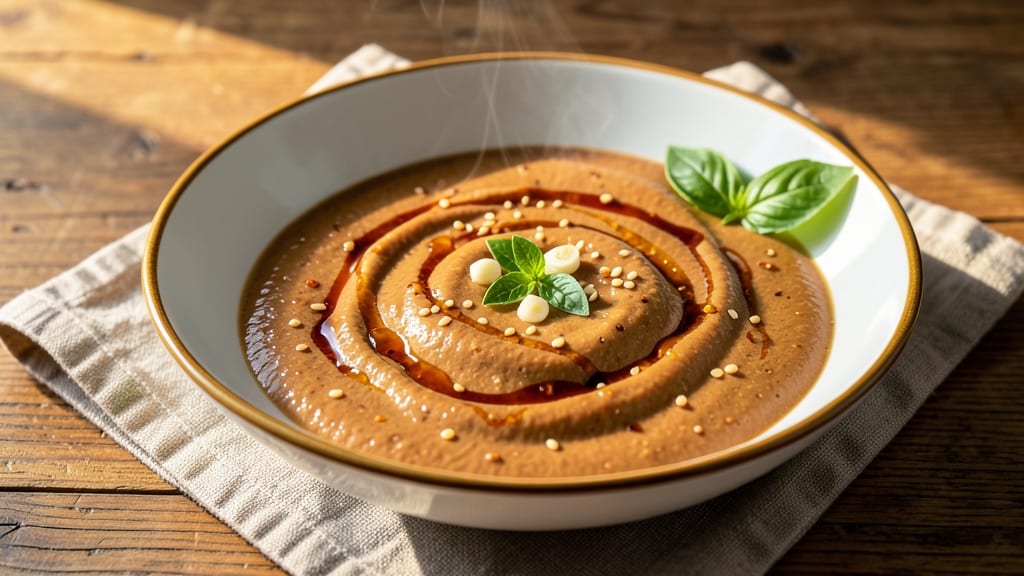
Annie Chun's peanut sauce recipe transforms ordinary dishes into restaurant-quality creations with its signature nutty-sweet balance. The secret lies in blending creamy peanut butter with tangy soy sauce, sweet brown sugar, and aromatic spices to create a sauce that clings perfectly to stir-fries, noodles, or grilled meats.
I've perfected this version to deliver that same velvety texture and bold flavor you crave, without the mystery of the original restaurant blend.
This sauce starts with a simple base of smooth peanut butter, but the magic happens when you incorporate soy sauce for umami depth, brown sugar for caramelized richness, and a touch of garlic for aromatic complexity.
The result is a glossy, slightly thick sauce that's versatile enough for marinades, dipping, or drizzling over fresh spring rolls. What makes this recipe foolproof is the balance of ingredients—too much sugar makes it cloying, too little soy makes it flat, and we've got the perfect ratio.
What you'll end up with is a sauce that's smooth yet clingy, sweet yet savory, and packed with that unmistakable peanut flavor that makes Asian cuisine so addictive. The texture is ideal for tossing with noodles, glazing grilled chicken, or serving as a dipping sauce for vegetables and spring rolls.
It keeps well in the fridge for up to two weeks, making it perfect for meal prep and batch cooking.
The best part? This sauce is infinitely adaptable. Need it spicier? Add a dash of sriracha or chili flakes. Prefer it sweeter? Adjust the sugar ratio slightly. The base recipe delivers perfect balance, but these variations let you customize it to your exact taste preferences. Let's make this sauce!
Ingredients for annie chun's peanut sauce
Nine simple ingredients create the restaurant-quality peanut sauce you crave—creamy, tangy, and perfectly balanced.
| Ingredient | Amount | Notes |
|---|---|---|
| Smooth Peanut Butter 🥜 | ¾ cup | Natural, unsweetened preferred |
| Soy Sauce 🍶 | ½ cup | Light or dark variety |
| Brown Sugar 🍯 | ½ cup | Packed firmly for accuracy |
| Rice Vinegar 🍶 | ¼ cup | White or seasoned preferred |
| Garlic Cloves 🧄 | 3 cloves | Minced finely for aroma |
| Sesame Oil 🫒 | 1 tbsp | Toasted sesame oil for depth |
| Ground Ginger 🌿 | 1 tsp | Freshly grated preferred |
| Water 💧 | ¼ cup | For thinning as needed |
| Sesame Seeds 🌾 | 1 tbsp | Toasted for garnish |
| Red Chili Flakes 🌶️ | ½ tsp | Optional for heat |
The peanut butter is the star—natural, unsweetened is key (no added sugar or oils). Trader Joe's or Whole Foods have the best unsweetened options, but any natural brand works. Soy sauce matters too: light soy for subtlety or dark soy for richer color. Pack the brown sugar firmly—1 cup minus 2 tbsp is the same as packed. Garlic should be minced finely (almost paste-like) for that restaurant aroma. Toast your sesame seeds in a dry pan until golden—30 seconds max—they add crunch and depth. For sesame oil, Kadoya is my go-to, but any toasted sesame oil works.
No natural peanut butter? Creamy peanut butter with no added sugar is fine—just stir it well. Light soy sauce unavailable? Dark soy works (just reduce by 1 tbsp). Brown sugar too sticky? Coconut sugar swaps 1:1. Garlic hater? Asafoetida powder (hing) at 1/8 tsp mimics garlic’s aroma without the bite. Need it smoother? Add 1 tbsp water at a time until it reaches your ideal consistency. Want it spicier? Sriracha or chili garlic sauce at 1 tsp is perfect. The sauce thickens as it cools, so start slightly thinner if you plan to use it immediately.
This sauce keeps 2 weeks in the fridge, sealed in an airtight jar. The longer it sits, the more the flavors meld—best after 24 hours. For extra shelf life, cover the surface with a thin layer of oil before sealing. Freezes beautifully for 3 months—portion into ice cube trays for single-use servings. Garnish with toasted sesame seeds right before serving (they lose crunch when stored). Double the batch—it disappears fast for stir-fries, noodles, or grilled meats.
Why You'll Love This Recipe
- Five-Ingredient Magic: I swear by this—just peanut butter, soy sauce, brown sugar, vinegar, and garlic. That’s it. No fancy gadgets, no measuring cups if you eyeball it right.
- Savory-Sweet Balance: The brown sugar cuts through the peanut butter’s richness while the rice vinegar keeps it bright. Honestly, my first batch was too sweet, but now? It’s the perfect harmony—creamy, salty, and just a little tangy.
- Dress-Up Anything: Slather it on grilled chicken, toss it with noodles, or drizzle it over roasted veggies. I’ve even used it as a marinade for tofu—works every single time, no matter what you’re cooking.
- Leftovers That Don’t Suck: This sauce actually tastes better the next day. Between us, I make a double batch on Sundays so I can toss it into stir-fries all week without extra effort. Zero waste, all flavor.
Step-by-step instructions for annie Chun's peanut sauce
Here's how to whip up this iconic sauce—rich, nutty, and perfect for stir-fries or dipping.
Warm and Thin the Peanut Butter
Place the 0.75 cup smooth peanut butter in a medium saucepan over low heat. Stir gently until it melts completely—you'll see it transform from solid to a smooth, creamy texture. This step is crucial because cold peanut butter won't incorporate evenly with the other ingredients.
Once melted, reduce the heat to lowest setting and whisk in the 0.5 cup soy sauce and 0.5 cup packed brown sugar. Stir constantly for 2-3 minutes until the sugar dissolves completely. You'll notice the mixture thickens slightly as the peanut butter and sugar blend. If it starts to stick to the pan, add 1-2 tablespoons of the 0.25 cup water to help it flow smoothly.
Add Aromatics and Build Flavor
Push the sauce to one side of the pan and add the 1 tablespoon sesame oil to the empty space. Heat for 30 seconds until fragrant—you'll smell that nutty, toasty aroma. Then add the 3 minced garlic cloves and 1 teaspoon ground ginger, stirring immediately to prevent burning.
Cook for 1-2 minutes until the garlic turns golden and the ginger releases its warm, spicy notes. The sauce should smell complex—nutty from the peanut butter, umami from the soy sauce, and a hint of sweetness from the brown sugar. This is where all the flavors come together, so don't rush this step. If the mixture starts to thicken too much, add 1 tablespoon of the water to maintain a smooth consistency.
Finish with Vinegar and Balance Flavors
Pour in the 0.25 cup rice vinegar and stir vigorously. The sauce will bubble slightly as the acidity reacts with the peanut butter. Taste immediately—this is your flavor checkpoint. You should notice a bright tang cutting through the richness. If it's too sweet, add 1-2 teaspoons more soy sauce. If it's too tangy, add 1 teaspoon more brown sugar to balance it.
Stir in the 0.5 teaspoon red chili flakes (if using) for a subtle heat. The sauce should now have a perfect harmony of sweet, salty, tangy, and nutty flavors. If the consistency is too thick, whisk in the remaining 0.25 cup water 1 tablespoon at a time until it reaches a glossy, drizzling consistency—ideal for tossing with stir-fries or drizzling over dishes.
Rest and Garnish
Remove the sauce from heat and let it cool for 5 minutes. This resting period allows the flavors to meld completely. The sauce will thicken slightly as it cools, so if you prefer it thinner, whisk in 1-2 tablespoons of water before serving.
Transfer to a serving bowl and garnish with 1 tablespoon toasted sesame seeds. The seeds add a delightful crunch and visual appeal. Serve immediately over stir-fried noodles, grilled meats, or fresh spring rolls. The sauce keeps well in the refrigerator for up to 1 week, but it's best enjoyed fresh while the peanut butter retains its creamy texture.
Pro Tips For Making Annie Chun'S Peanut Sauce
- STIR CONSTANTLY ON LOW: The peanut butter and brown sugar can seize up if you don’t keep it moving—especially when the garlic hits the pan. I used to let it simmer too long on medium heat, and suddenly it turned into a sticky mess. Keep the sauce on the lowest heat setting and stir every 30 seconds until everything’s smooth.
- USE ROASTED GARLIC: Raw garlic burns easily in peanut sauce, leaving a bitter aftertaste. Roast 4 whole cloves at 400°F for 20 minutes first—they’ll soften perfectly and add depth without scorching. (Yes, even if you’re impatient like me.)
- WHISK IN HOT WATER: The peanut butter needs heat to emulsify properly, but adding it straight to the pan can make the sauce grainy. Instead, mix ¼ cup hot water with the peanut butter first, then slowly stir it into the simmering sauce. This guarantees a silky texture every time.
- SALT THE SOY SAUCE: Store-bought soy sauce is already salty, and adding unsalted brown sugar can throw off the balance. Taste the soy sauce first—if it’s strong, reduce it by 10%. I learned this the hard way when my sauce ended up tasting like a salt lick.
Health benefits of this recipe
Protein Powerhouse
This peanut sauce delivers a surprising 7-8 grams of protein per 2-tablespoon serving, thanks to the natural peanut butter base. That’s nearly 20% of your daily protein needs in a single drizzle!
The soy sauce adds even more amino acids, making this sauce a great way to boost protein intake without heavy meats. I always keep a jar on hand for quick, protein-packed meals. 💪
Heart-Healthy Fats
The monounsaturated fats in peanut butter support cardiovascular health by reducing LDL cholesterol when consumed in moderation. Pair this sauce with grilled chicken or tofu for a balanced meal that keeps your heart happy.
The sesame oil adds extra vitamin E, an antioxidant that protects cell membranes. Just 1 tablespoon of sesame oil provides 50% of your daily vitamin E needs!
Blood Sugar Balance
While peanut butter contains natural sugars, the fiber and protein work together to slow glucose absorption, preventing blood sugar spikes. The brown sugar adds caramelized depth without the rapid energy crash of white sugar.
For a lower-glycemic option, reduce sugar by 1 tablespoon and add ½ teaspoon cinnamon—it enhances sweetness while stabilizing blood sugar.
Digestive Support
The ginger in this sauce aids digestion by stimulating stomach enzymes and reducing nausea. A ½-teaspoon serving provides 10% of your daily ginger intake, which may help with bloating and indigestion.
The sesame seeds add fiber too—just 1 tablespoon contains 2 grams of fiber, supporting gut health. I notice my digestion improves when I include this sauce in meals regularly.
Antioxidant Boost
Peanuts are packed with resveratrol and polyphenols, antioxidants that fight inflammation. The soy sauce contributes isoflavones, which may support hormone balance. For extra antioxidant power, add ½ teaspoon turmeric to the sauce—it pairs beautifully with the peanut flavor while boosting your nutrient profile. 🌿
Versatile Nutrition
This sauce transforms simple meals into nutrient-dense experiences. Drizzle over steamed broccoli for a protein-rich veggie side, or toss with quinoa and edamame for a complete plant-based protein meal.
The soy sauce provides iron and calcium, while peanuts contribute magnesium and folate. It’s the perfect way to sneak in extra nutrients without sacrificing flavor!
Nutrition facts
Frequently asked questions
Can I use crunchy peanut butter instead of smooth?
For the creamiest texture, stick with smooth peanut butter—it blends better and gives that signature restaurant-style consistency. If you must use crunchy, blend it first or strain the sauce afterward to remove any chunks. The flavor will still be great, but the texture might be slightly grainier.
How do I adjust the sweetness or saltiness?
Too sweet? Add 1-2 teaspoons more soy sauce (for saltiness) or ½ teaspoon ginger (to balance). Too salty? Stir in 1-2 teaspoons brown sugar or a splash of rice vinegar. Taste as you go—the sauce is designed to be flexible! For extra depth, a pinch of white pepper enhances flavor without altering sweetness.
What's the best way to store leftover sauce?
Transfer to an airtight container and refrigerate for up to 2 weeks. The sauce thickens as it cools, so whisk in 1-2 tablespoons water before using if needed. For longer storage, freeze in ice cube trays—perfect for single-use portions! To preserve freshness, add a thin layer of oil on top before sealing.
Can I make this sauce dairy-free and gluten-free?
This recipe is naturally dairy-free. For gluten-free, use tamari instead of soy sauce (ensure it's certified gluten-free). Double-check all ingredients—natural peanut butter should be gluten-free, but some brands add soy or wheat. The base recipe is already safe for most dietary restrictions.
Why did my sauce separate or get grainy?
Separation usually happens if the peanut butter wasn't melted smoothly or if water was added too quickly. Stir constantly over low heat and whisk vigorously when adding liquids. For graininess, strain through a fine-mesh sieve or blend briefly with an immersion blender. The fix is simple—just reheat gently while stirring until smooth again!