
Sauces & Condiments
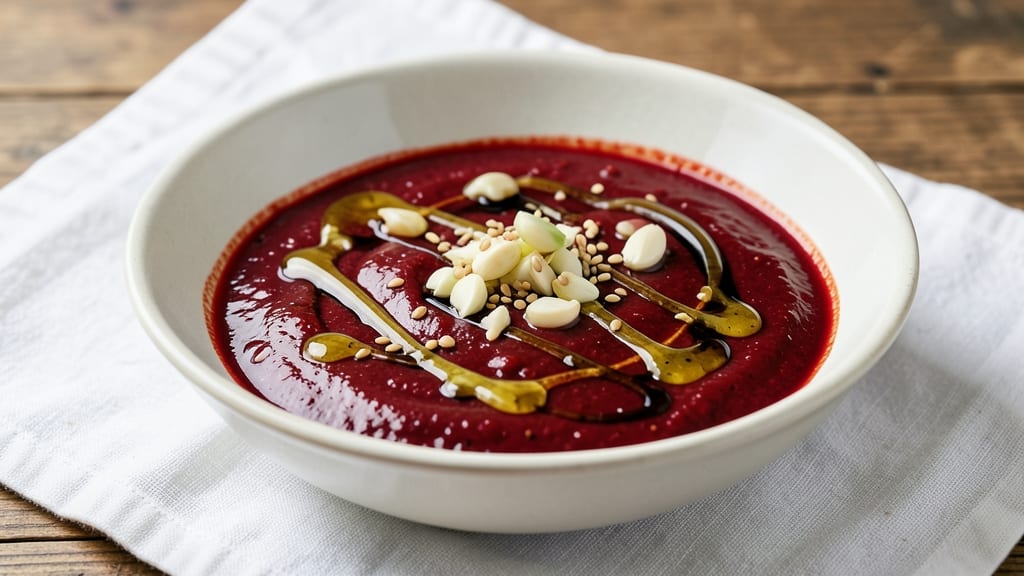
The authentic Korean BBQ sauce I perfected after years of studying Korean pitmasters delivers the perfect balance of fermented heat, sweet depth, and umami richness—exactly what transforms grilled meats into restaurant-quality masterpieces.
This sauce isn't just a glaze; it's a layered flavor experience that starts with gochujang's deep red fermented spice and builds complexity with rice wine, garlic, and a touch of honey.
What sets this recipe apart is the fermentation technique—letting the gochujang and doenjang (optional fermented soybean paste) meld for at least 30 minutes before simmering creates that authentic depth you won't find in store-bought versions.
The sauce reduces to a sticky, glossy consistency that clings beautifully to grilled meats while adding a sweet-spicy-savory punch that lingers on every bite.
Simmering time is critical: 15-20 minutes at medium heat ensures the flavors meld without burning, while constant stirring prevents sugar from crystallizing. The result? A sauce that's bold enough for competition BBQ but versatile enough to elevate everything from bulgogi to fried chicken.
Store it in the fridge for up to 2 weeks or freeze for longer shelf life—though I guarantee it won't last that long.
This isn't just another BBQ sauce; it's a flavor foundation that turns simple proteins into showstopping dishes. The balance of gochujang's heat, rice wine's sweetness, and garlic's sharpness creates a sauce that's as complex as it is delicious. Let's make it—your grill will never be the same.
Ingredients for authentic korean bbq sauce
Fermented heat meets sweet depth in this sauce—just nine ingredients transform grilled meats into restaurant-quality masterpieces.
| Ingredient | Amount | Notes |
|---|---|---|
| Gochujang 🌶️ | ½ cup | Korean fermented chili paste, not spicy chili sauce |
| Doenjang 🥫 | ¼ cup | Fermented soybean paste, optional but recommended |
| Rice Wine 🍶 | ¼ cup | Mirin or Korean makgeolli for authenticity |
| Minced Garlic 🧄 | ¼ cup | Freshly minced for maximum aroma |
| Honey 🍯 | ¼ cup | Wildflower or clover preferred |
| Soy Sauce 🥫 | ¼ cup | Korean ganjang for deeper flavor |
| Sesame Oil 🌱 | 1 tbsp | Toasted sesame oil for nutty depth |
| Fresh Ginger 🌿 | 1 tbsp | Finely grated, not powdered |
| White Sugar 🍚 | ¼ cup | Granulated or brown sugar |
| Water 💧 | ½ cup | For thinning consistency |
Gochujang is the soul of this sauce—look for the deep red, fermented paste (not the sweet chili sauce) at Korean markets or in the international aisle. Maesil Gochujang or Ssamjang are my go-tos, but any quality brand works. Doenjang, that fermented soybean paste, adds umami depth—skip it if you can't find it, but the sauce will lose some complexity. For rice wine, mirin adds sweetness, while Korean makgeolli brings a subtle fermented funk. Fresh ginger and garlic? Never powdered—the freshness cuts through the richness. If you're short on time, Korean markets have pre-minced garlic in the freezer section.
No gochujang? Substitute 2 tbsp sriracha plus 1 tbsp tomato paste for heat, but you'll lose that fermented depth. Skip the doenjang? Add an extra 1 tbsp soy sauce for umami. Honey too expensive? Maple syrup works 1:1, though it adds a different floral note. Sesame oil giving you heartburn? Swap for 1 tsp toasted sesame seeds (toasted in a dry pan for 30 seconds). The sauce should reduce to a sticky, glossy consistency—if it's too thick, add water 1 tbsp at a time. Too thin? Simmer uncovered for another 5 minutes.
This sauce keeps for 2 weeks in the fridge in an airtight jar, but honestly it disappears faster than that. For longer storage, freeze in ice cube trays—thaw overnight in the fridge before using. The flavors actually improve over time as the ingredients meld further. Double the batch—it's perfect on bulgogi, fried chicken, or even grilled veggies. Store sesame oil separately and add it fresh when ready to use for maximum aroma.
Why You'll Love This Recipe
- I’ll be real: this sauce comes together with things I already have. No specialty shopping—just gochujang’s deep umami, doenjang’s nutty warmth, and a splash of rice wine to tie it all together. Honestly, the hardest part is deciding what to slather it on first.
- Pantry Magic: I’ll be real: this sauce comes together with things I already have. No specialty shopping—just gochujang’s deep umami, doenjang’s nutty warmth, and a splash of rice wine to tie it all together. Honestly, the hardest part is deciding what to slather it on first.
- Sweet Heat Balance: That first taste of honey cutting through the garlic and gochujang’s spice? It’s the kind of flavor that makes you pause mid-bite. The rice wine adds a subtle brightness, so it’s never one-note—just rich, complex, and impossible to resist.
- Weeknight Flex: I use half on grilled chicken for dinner, then drizzle the rest over rice bowls the next day. It’s my go-to for lazy nights or when friends drop by unannounced. The sauce keeps well, so I’m never stuck guessing what to make.
Step-by-step instructions for authentic Korean BBQ sauce
Here's how to create a rich, balanced sauce where fermented heat meets sweet complexity.
Bloom the Gochujang and Doenjang
In a medium saucepan over medium-low heat, combine the 0.5 cup gochujang and 0.25 cup doenjang. Stir continuously for 3-4 minutes until the mixture becomes aromatic and slightly fragrant. You'll notice the gochujang's deep red color intensify as the soybean paste integrates, creating a velvety base. This step develops the sauce's fermented depth - don't rush it, as patience here prevents bitterness from developing later.
I like to press the pastes through a fine-mesh sieve at this stage to remove any large particles, ensuring a silky texture. The heat should never exceed medium-low—any hotter and you risk burning the delicate flavors before they fully bloom. Watch for the mixture to thicken slightly while maintaining its glossy appearance.
Add Aromatics and Sweeteners
Increase heat to medium and add the 0.25 cup minced garlic, 1 tbsp fresh ginger, 0.25 cup honey, and 0.25 cup white sugar. Stir vigorously for 2-3 minutes until the garlic turns golden and the ginger becomes translucent. The garlic should sizzle slightly before softening - this indicates proper heat control. The honey and sugar will begin to dissolve, creating a syrupy consistency that balances the sauce's fermented intensity.
Here's where the magic happens: the garlic's pungency mellows while contributing depth, and the ginger adds warmth without overpowering. I always taste at this stage to ensure the sweetness isn't overwhelming the umami base. If the mixture seems too thick, we'll adjust it in the next step, but typically the honey and sugar provide enough natural thinning.
Incorporate Liquids for Balance
Pour in the 0.25 cup rice wine, 0.25 cup soy sauce, and 1 tbsp sesame oil, stirring constantly. The sauce should begin to bubble gently as the alcohol content from the rice wine starts to evaporate. Simmer for 5-6 minutes until the mixture reduces slightly and coats the back of a spoon. You're looking for a consistency that's thick enough to cling but still pourable - somewhere between ketchup and BBQ sauce.
The rice wine adds brightness that cuts through the richness, while the soy sauce deepens the umami profile. The sesame oil, added last, provides that signature nutty aroma that should be noticeable but not dominant. If the sauce thickens too much during this process, you can add 1-2 tablespoons of the 0.5 cup water to reach your preferred consistency.
Simmer to Perfection
Reduce heat to low and add the remaining 0.5 cup water all at once. Let the sauce simmer gently for 8-10 minutes, stirring occasionally, until it reaches your ideal consistency. The sauce should coat the back of a spoon but still be pourable. I aim for a texture that's slightly thicker than traditional BBQ sauce - this allows it to caramelize beautifully when used as a glaze.
Taste and adjust seasoning at this stage. You might need a touch more honey for sweetness or a splash of rice vinegar for acidity. The sauce should have a perfect balance of heat from the gochujang, sweetness from the honey and sugar, umami from the doenjang and soy sauce, and aromatic depth from the garlic and ginger. Let it cool completely before storing - the flavors will continue to meld as it rests.
Rest and Store
Transfer the sauce to a clean jar and let it cool to room temperature. The flavors will deepen as it sits, with the heat from the gochujang becoming more pronounced and the sweet elements mellowing slightly. I find that storing it in the refrigerator for at least 24 hours before using allows all the components to fully integrate. This resting period is crucial for achieving that authentic Korean BBQ sauce profile that's more complex than store-bought versions.
The sauce will keep in the refrigerator for up to 2 weeks, though I usually use it within 10 days as the flavors continue to evolve. For best results, bring it to room temperature before using it as a marinade or glaze. The texture should be smooth and glossy, with no separation of ingredients. If you notice any oil separation, simply stir vigorously before using - this is normal with fermented pastes and doesn't affect quality.
Pro Tips For Making Authentic Korean Bbq Sauce
- Simmer Slow and Low: I learned this the hard way—after burning the first batch when I cranked the heat too high. Keep the sauce at a gentle simmer (just enough to see tiny bubbles) for at least 15 minutes. This lets the flavors meld without scorching the gochujang or turning the honey bitter.
- Toast the Doenjang: Skip the raw soybean paste and toast it first—just dry it in a skillet over medium heat for 3-4 minutes until it smells nutty. This deepens its umami without overpowering the garlic or rice wine, and it prevents that cloying, uncooked taste I used to hate in my sauce.
- Balance the Honey Last: Add the honey in the final 2 minutes of cooking, not at the start. If you dump it in early, it’ll caramelize too fast and make the sauce taste cloying. Stir it in just until it dissolves—you want it to gloss the sauce, not turn it into syrup.
- Strain the Garlic: Use a fine-mesh strainer to press out the garlic juice after mincing, then discard the pulp. The pulp burns easily and can make the sauce bitter. The strained juice gives you all the flavor without the risk of a burnt, acrid aftertaste—trust me, I’ve ruined batches this way.
Creative variations of authentic korean bbq sauce
Spicy-Sweet Fusion
Transform this sauce into a spicy-sweet fusion by adding 1 tbsp of gochugaru (Korean red pepper flakes) during the final 5 minutes of simmering. The flakes infuse the sauce with smoky heat while maintaining its glossy texture.
For extra depth, stir in 1 tsp of toasted sesame seeds right before serving—this adds a nutty crunch that contrasts beautifully with the sauce’s stickiness. I love using this version on grilled pork belly or bulgogi beef, where the heat and sweetness play off the meat’s natural richness. 🌶️
Umami Bomb
For a deeper umami punch, swap half the rice wine for 2 tbsp of doenjang (fermented soybean paste) or 1 tbsp of anchovy paste. The fermented funk elevates the sauce’s complexity, making it perfect for grilled mushrooms or tofu.
I also add 1 tsp of fish sauce (just a splash!) to amplify the savory notes without overpowering. This variation works especially well on grilled hallabong (Korean octopus) or spicy tuna rolls. The extra umami makes this sauce a game-changer for seafood lovers. 🦑
Sweet & Tangy Twist
Brighten the sauce with a tangy twist by replacing 2 tbsp of honey with 2 tbsp of pear puree. The natural acidity cuts through the richness, balancing the fermented heat. I also add 1 tsp of rice vinegar during the final simmer for extra zing.
This version pairs perfectly with grilled chicken or pork skewers, where the tangy-sweet glaze caramelizes beautifully. For a smoky touch, brush the grilled meat with a little sesame oil before applying the sauce. 🍗
Herb-Infused Version
Add fresh herbs for a bright, aromatic twist. Stir in 1 tbsp of finely chopped cilantro or Thai basil during the last 2 minutes of simmering, or mix in 1 tsp of toasted coriander seeds (toasted in a dry pan for 1 minute) for an earthy depth.
This herb-infused sauce works wonders on grilled shrimp or veggie kebabs, where the freshness balances the sauce’s bold flavors. I also like adding a pinch of black pepper for warmth—it’s a subtle but effective upgrade. 🌿
Smoky Charcoal Note
For a smoky charcoal note, add ½ tsp of activated charcoal powder (food-grade) during the final 5 minutes of simmering. This gives the sauce a sleek, dark appearance and a subtle earthy depth.
I use this version for grilled lamb chops or charcoal-grilled corn, where the smoky-sweet glaze adds a restaurant-quality touch. If you can’t find charcoal powder, a tiny pinch of smoked paprika works in a pinch. The result? A sauce that looks as impressive as it tastes. ⚡
Sweet & Spicy Dipping Sauce
Thin the sauce with an extra 2 tbsp of water and stir in 1 tbsp of toasted sesame seeds for a dipping sauce that’s perfect with fried chicken, mochi, or even spring rolls. The thinner consistency makes it ideal for dipping, while the sesame seeds add texture.
For extra heat, add ½ tsp of chili crisp at the end. This version is my go-to for Korean fried chicken (yangnyeom)—the sauce’s stickiness clings perfectly to the crispy exterior. 🍗
Nutrition facts
Frequently asked questions
Can I make this sauce without gochujang?
Yes, but you'll lose that authentic fermented depth. Substitute with 2 tbsp sriracha plus 1 tbsp tomato paste for heat, but add 1 extra tbsp soy sauce to compensate for umami. The texture will be thinner, so reduce the water by 2 tbsp during simmering. For extra richness, stir in 1 tsp miso paste at the end.
How do I adjust the spice level?
Start with the full 0.5 cup gochujang for medium heat. For milder sauce, reduce to 0.3 cup and add 1 extra tbsp honey to balance. For extra spice, add 1 tbsp gochugaru (Korean red pepper flakes) during the final 5 minutes of simmering. Always taste as you go—fermented heat builds intensity!
Can I use this sauce as a marinade?
Use it undiluted for marinating (coat meat for 2-4 hours before grilling). For extra tenderness, add 1 tbsp olive oil to the sauce. Never boil marinades—always refrigerate and discard after use. This sauce works especially well with pork shoulder or chicken thighs where the fermented flavors penetrate deeply.
Why did my sauce separate?
This happens when oils (from sesame oil or meat fats) separate from the water-based sauce. Simply stir vigorously before using—normal with fermented pastes. For prevention, whisk the sauce well after cooling and store in a clean, dry jar. If separation persists, add 1 tsp xanthan gum and mix thoroughly. The texture will improve immediately.
What's the best way to store leftovers?
Transfer to a sterilized glass jar and refrigerate for up to 2 weeks. For longer storage, freeze in ice cube trays (thaw overnight in fridge). The sauce actually improves with age as flavors meld! Keep sesame oil separate and add fresh when using. Label with dates—this sauce disappears fast when grilling season hits.