
Sauces & Condiments
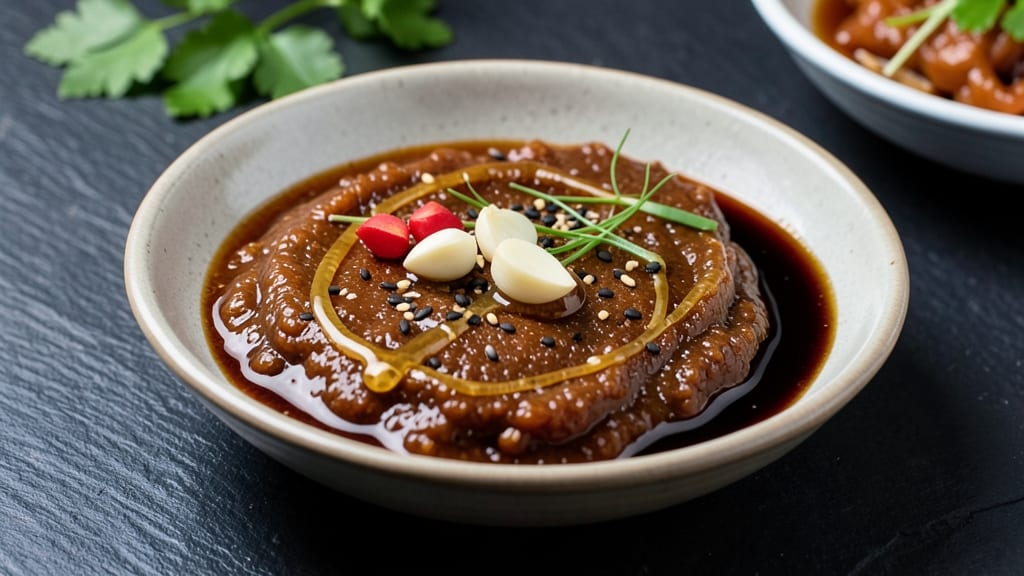
This authentic gochujang sauce delivers the perfect balance of fermented heat, sweet depth, and tangy complexity that defines Korean cuisine. 🌟 The secret lies in fermented soybean paste (gochujang), which transforms simple ingredients into a versatile sauce with layers of umami and spice.
Unlike store-bought versions, this recipe captures the true essence—rich, slightly sweet, and deeply aromatic—without shortcuts.
The foundation of this sauce is a blend of gochujang, garlic, and rice vinegar, simmered just long enough to meld flavors without losing texture. A touch of honey or sugar balances the heat, while sesame oil adds nutty warmth.
What makes it authentic isn’t just the ingredients, but the technique: slow reduction ensures a smooth, glossy finish that clings beautifully to noodles, grilled meats, or crispy tofu.
Once you taste this sauce, you’ll understand why it’s a staple in Korean kitchens—it elevates everything from quick stir-fries to slow-cooked braises. The versatility is its greatest strength: use it as a dipping sauce, a glaze for roasted vegetables, or a dressing for fresh greens.
With proper storage, it keeps for weeks in the refrigerator, ready to transform ordinary meals into extraordinary ones.
This recipe isn’t just about heat; it’s about harmony. The fermented depth of gochujang pairs effortlessly with the sharpness of vinegar and the earthiness of garlic, creating a sauce that’s as complex as it is approachable.
Whether you’re a seasoned home cook or a beginner, the steps are straightforward, and the results are undeniably rewarding.
Ingredients for authentic gochujang sauce
Nine core ingredients transform into a versatile sauce with layers of fermented heat and sweet complexity.
| Ingredient | Amount | Notes |
|---|---|---|
| Gochujang (Korean Fermented Chili Paste) 🌶️ | ½ cup | High-quality, fermented soybean paste |
| Garlic Cloves 🧄 | 4 cloves | Freshly minced for authentic flavor |
| Rice Vinegar 🍶 | ¼ cup | White or seasoned variety preferred |
| Honey 🍯 | 2 tbsp | Pure, unprocessed honey for balance |
| Sesame Oil 🫒 | 1 tbsp | Toasted sesame oil for nutty aroma |
| Soy Sauce 🥫 | 2 tbsp | Light or dark, for umami depth |
| Fresh Ginger 🌿 | 1 tbsp | Grate finely for zesty brightness |
| Water 💧 | ½ cup | For thinning consistency |
| Salt 🧂 | ½ tsp | Kosher or sea salt for seasoning |
| Asian Pearl Onion 🧅 | 2 whole | Thinly sliced for subtle sweetness |
The gochujang is non-negotiable—authentic versions require fermented soybean paste, not the sweetened paste found in many Western stores. Maesil Gochujang or Dong Guk Gochujang from Korean markets deliver the deepest flavor, though Hinode or Kikkoman brands work in a pinch. Fresh garlic and ginger should be vibrant, not dried or powdered—Korean markets often carry superior quality. For the rice vinegar, Koyo or Mushroom Town brands offer the right balance of acidity without overpowering the sauce's complexity.
No gochujang? Substitute 1 tbsp of gochugaru (Korean chili flakes) plus 1 tbsp soy sauce, though results won't be identical. Honey can be swapped for agave nectar or brown sugar, but honey's floral notes complement the sauce's fermented depth. Sesame oil is essential for authenticity, but avocado oil at half the amount works if unavailable. For a quicker version, blend all ingredients without simmering—though the slow reduction creates that signature glossy finish. The Asian pearl onion adds subtle sweetness; regular yellow onion at half the amount is a decent alternative.
Store in an airtight glass jar in the refrigerator for up to 3 weeks. The sauce thickens as it cools, so stir before using. For longer storage, freeze in 1-tbsp portions—thaw overnight in the fridge. This sauce enhances everything from grilled meats to crispy tofu, so make extra. The flavors deepen over time, making it even more rewarding the next day.
Why You'll Love This Recipe
- Five-Ingredient Magic: I swear by this combo—gochujang’s deep umami, honey’s gentle sweetness, and that first hit of sesame oil. It’s the kind of sauce that makes you pause mid-bite, like, "Wait, why does this taste so good?"
- Pantry Staple Power: Honestly, if you’ve got rice vinegar and honey, you’re already halfway there. No specialty shopping, no last-minute ingredient panics—just open, mix, and transform whatever’s on your plate.
- Weeknight to Dinner Party: Drizzle it over grilled chicken for a lazy Tuesday, or toss it with tofu and serve it at your friend’s potluck. The same jar handles both—no fancy plating required, just pure flavor that works everywhere.
- Leftovers That Don’t Suck: Between us, most sauces turn sad after day two. Not this one. The gochujang keeps it vibrant, the honey prevents separation, and I’ve had it last a full week in the fridge—still bold, still delicious, still my go-to.
Step-by-step instructions for authentic gochujang sauce
This method delivers balanced fermented heat with sweet, tangy depth—just like Korean street vendors craft it.
🍳 Step 1: Bloom the Gochujang in Sesame Oil
Heat a small saucepan over medium-low heat and add the 1 tablespoon sesame oil. Once the oil shimmers but isn't smoking (about 2 minutes), remove from heat and immediately stir in the 0.5 cup gochujang. The paste will darken and soften as the oil blooms its complex flavors—this step prevents bitterness and develops depth.
Return the pan to low heat and cook for 1-2 minutes, stirring constantly, until the mixture becomes smooth and aromatic. You'll notice the scent of fermented soybeans and subtle sweetness—this is your flavor foundation. Don't let it brown or it'll become bitter, so keep the heat gentle and maintain constant motion with a silicone spatula.
👨🍳 Step 2: Build the Sweet-Tangy Base
Add the 4 cloves minced garlic, 1 tablespoon grated fresh ginger, and 2 tablespoons soy sauce to the gochujang mixture. Cook for 30-45 seconds until the garlic turns translucent and the ginger loses its raw bite—you should smell toasted garlic and bright citrus notes from the ginger. This quick cooking prevents harsh flavors that would overpower the delicate balance.
Next, pour in the 0.25 cup rice vinegar and 2 tablespoons honey. Stir vigorously and let the mixture simmer for 1 minute until the vinegar's sharpness mellows and the honey begins to caramelize slightly. The sauce should now have a glossy sheen and a complex interplay of sweet, sour, and umami—this is where the authentic character emerges.
🥘 Step 3: Incorporate Aromatics and Thin to Perfection
Add the 2 whole thinly sliced Asian pearl onions and cook for 30 seconds to soften slightly while preserving their delicate sweetness. Pour in the 0.5 cup water and bring to a gentle simmer. The onions will release their juices, creating a natural thickening agent that eliminates the need for cornstarch.
Season with the 0.5 teaspoon salt and taste for balance. The sauce should be vibrant red with visible onion threads and a consistency between thick syrup and loose glaze. If it's too thick after 2 minutes of simmering, add 1-2 tablespoons water to reach your desired pouring consistency. The final sauce should coat the back of a spoon while remaining pourable.
⏰ Step 4: Rest and Adjust for Maximum Flavor
Remove from heat and let the sauce rest for 5 minutes—this crucial step allows the flavors to meld completely. The gochujang's fermented notes will deepen, the honey's sweetness will mellow, and the vinegar's acidity will integrate seamlessly. Taste again and make final adjustments: add a touch more honey for sweetness, rice vinegar for tang, or a pinch of salt for balance.
For best results, use immediately over grilled meats, noodles, or as a dipping sauce. If storing, transfer to an airtight container and refrigerate for up to 5 days. The sauce will continue developing flavor in the fridge, becoming even more complex over time. When reheating, warm gently over low heat and stir occasionally to prevent separation.
Pro Tips For Making Authentic Gochujang Sauce
- Bloom the Garlic First: Slice the garlic cloves in half lengthwise and let them sit uncovered for 5 minutes before cooking—this softens them and prevents burning when you eventually sauté them in sesame oil. I used to rush this and end up with bitter, charred garlic that ruined the sauce’s balance.
- Warm the Gochujang: Mix the gochujang into the sauce after the garlic and vinegar have cooked for 1-2 minutes—this prevents the heat from killing its fermented depth. Cold gochujang in hot oil? That’s a flavor snooze-fest.
- Honey Last, Heat Off: Stir in the honey when the sauce is off the heat—adding it too early turns it into syrup and dulls the gochujang’s bright, funky edge. Let the sauce cool for 30 seconds first, then drizzle the honey while whisking like your life depends on it.
- Toast the Sesame Oil: Heat the sesame oil until it’s just smoking (30 seconds max) before adding garlic—this unlocks its nutty aroma without burning. Overdo it, and you’ll taste bitter smoke instead of that warm, toasty depth. (Yes, even if you’re impatient like me.)
Serving suggestions for this dish
Grilled Meats Glaze
This sauce transforms simple grilled meats into showstoppers. Brush it onto ribeye steaks or pork chops during the last 2-3 minutes of grilling for a caramelized crust. I love using it on Korean-style bulgogi beef—just marinate thinly sliced beef in the sauce for 30 minutes before grilling.
For extra richness, finish with a drizzle of toasted sesame seeds and sliced green onions. 🔥
Noodle Elevator
Stir 2 tablespoons of this sauce into 1 cup cooked ramen or udon noodles with a splash of hot water to loosen. Top with soft-boiled eggs, quick-pickled cucumbers, and crispy fried shallots for a restaurant-quality bowl.
For extra depth, add a spoonful of miso paste to the sauce before mixing. The fermented heat cuts through the noodles' chewiness beautifully.
Crispy Tofu Dip
Serve alongside pan-fried tofu or Korean-style tteokbokki for an irresistible contrast. Mix 1 tablespoon gochujang sauce with 1 tablespoon soy sauce and a drizzle of sesame oil for dipping. The sauce's tangy-sweet balance enhances the tofu's crispy exterior while complementing its soft interior.
For a vegan version, simply omit any honey (use agave instead) and ensure your gochujang is vegan-certified.
Roasted Vegetable Glaze
Toss asparagus, Brussels sprouts, or sweet potatoes with 1 tablespoon olive oil and 1 tablespoon gochujang sauce before roasting at 425°F for 20-25 minutes. The sauce caramelizes into a sticky glaze that clings perfectly.
For extra umami, sprinkle with crumbled feta or toasted walnuts after roasting. The heat from the oven intensifies the sauce's fermented depth.
Dipping Sauce Trio
Pair with three classic Korean dishes for a full flavor experience. Serve with kimchi to balance its spicy tang, mandu (dumplings) for a sweet-spicy contrast, and grilled squid to highlight the sauce's glossy texture.
For a fusion twist, dip fried chicken or spring rolls in a mix of this sauce with sriracha—the combination is addictive. 🌟
Salad Dressing Twist
Whisk 2 tablespoons of sauce with 3 tablespoons rice vinegar and 1 tablespoon sesame oil to create a vibrant dressing. Toss with mixed greens, shredded carrots, and edamame for a spicy-sweet crunch.
The sauce's fermented notes elevate simple salads, making them feel gourmet. For extra texture, add crushed peanuts or toasted coconut flakes as a topping.
Nutrition facts
Frequently asked questions
Why does my gochujang sauce taste bitter?
Bitter flavors often come from overheating the paste or using low-quality gochujang. Always cook on low heat and bloom the gochujang first with sesame oil to mellow its intensity. If bitterness persists, balance it with more honey or rice vinegar—both help counteract harsh notes.
Can I make this sauce without honey?
Yes! Replace the honey with agave nectar or brown sugar for a vegan version. For a different flavor profile, try maple syrup or even white sugar, but honey's floral notes are ideal for balancing the fermented heat. Adjust to taste after simmering.
How spicy will this sauce be?
The spice level depends on your gochujang—most authentic versions range from medium to medium-hot. For milder heat, reduce the gochujang to 0.375 cup and add 1 extra tablespoon honey. If you love heat, keep the full amount and add a pinch of gochugaru (Korean chili flakes) at the end.
Can I use this sauce as a marinade?
Dilute 2 tablespoons of sauce with 1 tablespoon soy sauce and 1 tablespoon sesame oil for a quick marinade. Use it on chicken, pork, or tofu for 30-60 minutes before cooking. The fermented flavors will penetrate beautifully, creating tender, flavorful results.
What’s the best way to store leftovers?
Transfer to an airtight glass jar and refrigerate for up to 3 weeks. The sauce thickens as it cools, so stir before using. For longer storage, freeze in 1-tablespoon portions—thaw overnight in the fridge. The flavors actually improve over time, becoming more complex!