
Sauces & Condiments
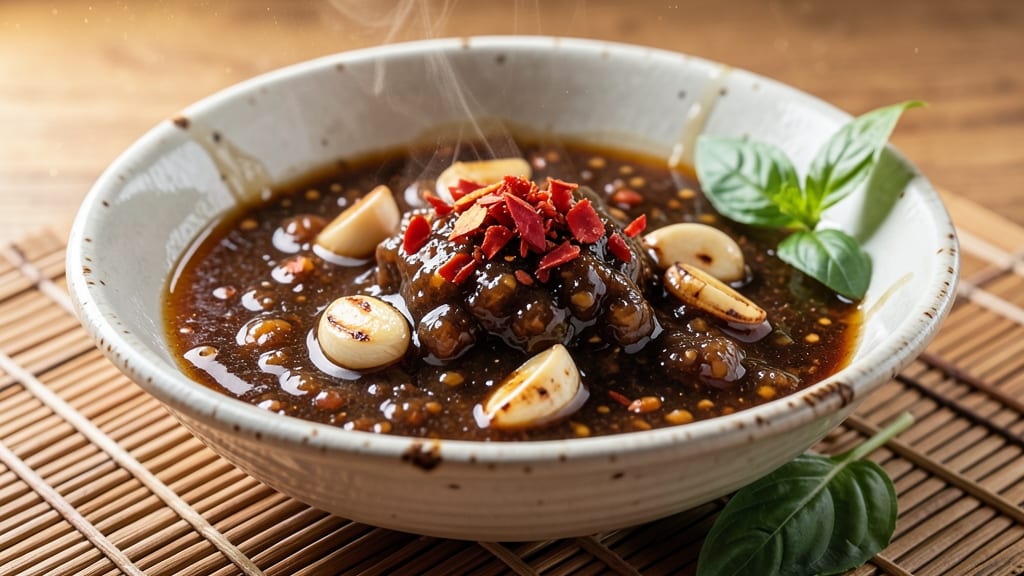
This bagoong sauce recipe unlocks the bold, umami-rich soul of Filipino cuisine with fermented shrimp paste and tangy tamarind. The process transforms simple ingredients into a complex, salty-sweet condiment that elevates dishes like sinigang or kare-kare with just a spoonful.
Fermentation builds depth over time, creating a sauce that's both pungent and addictive—once you try it, you'll never reach for store-bought again.
The foundation starts with shrimp paste (bagoong), which provides that signature funky, savory base. Tamarind adds bright acidity to balance the saltiness, while aromatics like garlic and vinegar bridge the flavors.
The texture becomes a velvety paste when blended properly, perfect for drizzling, mixing, or using as a dipping sauce. Safety during fermentation is critical—proper salt levels and airtight storage prevent spoilage while preserving those rich, complex flavors.
What makes this sauce special is its versatility. Use it as a bold topping for grilled seafood, a flavor booster in soups, or even a marinade for meats. The longer it ferments, the more intense and layered the taste becomes—think of it as a condiment that improves with age.
For those avoiding seafood, a mushroom-based alternative delivers similar umami depth without the shrimp.
With just five core ingredients and minimal effort, you’ll create a sauce that’s as functional as it is flavorful. Store it in the fridge for up to a month, or freeze for longer shelf life.
This isn’t just a condiment—it’s a gateway to the vibrant, tangy-savory world of Filipino cooking. Let’s get started.
Ingredients for bagoong sauce
Five core ingredients transform into a complex Filipino condiment with umami depth and tangy brightness.
| Ingredient | Amount | Notes |
|---|---|---|
| Shrimp Paste (Bagoong) 🦐 | ½ cup | Filipino-style, finely ground |
| Tamarind Paste 🍈 | ¼ cup | Thick, block-style preferred |
| Garlic Cloves 🧄 | 6 cloves | Minced, for aromatic depth |
| White Vinegar 🍶 | ¼ cup | Distilled, for acid balance |
| Coconut Aminos 🥥 | ¼ cup | Gluten-free soy sauce alternative |
| Red Chili Flakes 🌶️ | 1 tbsp | Adjust for heat preference |
| Salt 🧂 | 1 ½ tsp | Diamond Crystal preferred |
| Water 💧 | ½ cup | Filtered, for fermentation |
The shrimp paste is non-negotiable for authentic flavor—Filipino brands like La Victoria or Gourmet deliver the most intense funk. If you can't find it, Asian markets often carry it in jars or blocks. Tamarind paste should be thick and block-style; pre-packaged pulp won't work here. The garlic needs to be freshly minced for maximum aromatic impact, not pre-minced from jars. For coconut aminos, Kikkoman or Sweet & Sour are reliable brands, though homemade tamari works too. Store all ingredients in airtight containers to preserve their potency.
No shrimp paste? Mushroom paste or fermented soybeans can mimic umami depth, though the flavor will differ slightly. Tamarind unavailable? Lime juice plus a pinch of sugar provides acidity, though tamarind's unique tang is irreplaceable. Pre-minced garlic? Freshly crush the cloves for better flavor. The vinegar can be swapped for rice vinegar or apple cider vinegar, though white vinegar's sharpness cuts through the richness best. Chili flakes can be omitted entirely for a milder sauce, or increased to 2 tbsp for heat lovers. Salt measurements are precise—too little risks spoilage during fermentation.
Ferment the sauce in a sterilized glass jar with an airtight lid, stored in a cool, dark place. The mixture will thicken and develop deeper flavors over 3-5 days, with optimal taste at 1 week. Once opened, refrigerate and use within 1 month for peak freshness. Freeze for up to 6 months by portioning into ice cube trays before transferring to a bag. Always use clean utensils when scooping to prevent contamination, and discard if any off smells develop during fermentation.
Why You'll Love This Recipe
- Pantry Magic: I’ll be real—this sauce comes together with stuff you’re already stocking. No fancy shopping trips, just shrimp paste, tamarind, and garlic. That’s it. The rest? Things I had lingering in my fridge for months.
- Umami Bomb: Between us, the shrimp paste and coconut aminos hit like a flavor tsunami. The tamarind adds that tangy punch, but it’s the garlic—properly fried—where things get dangerous. One sniff, and I’m already planning my next use.
- Dip Everything: Honestly, this isn’t just for sinigang or laing. I’ve slathered it on grilled fish, tossed it with rice, and even drizzled it over avocado toast (don’t judge). It’s the kind of sauce that makes you realize how much you’ve been missing out.
- Lasts Like a Champ: I made a double batch last weekend, and it’s still going strong in my fridge. Keeps for weeks, tastes fresh, and costs next to nothing. Plus, the leftovers? Perfect for lazy nights when I’m too tired to cook but still want flavor.
Step-by-step instructions for fermented shrimp paste sauce
This traditional Filipino sauce delivers a perfect balance of umami, tang, and heat in just minutes.
Bloom the Shrimp Paste and Garlic
In a small saucepan, combine the 0.5 cup shrimp paste (bagoong) with the 0.5 cup water over low heat. Stir continuously for 3-4 minutes until the mixture becomes smooth and fragrant. The shrimp paste will release its signature funky aroma—this is essential for developing the sauce's depth of flavor.
Add the 6 cloves minced garlic and cook for another 1 minute, stirring constantly. You'll notice the garlic softens and infuses the mixture with its aromatic oils. Remove from heat immediately—overcooking will turn the garlic bitter. Let the mixture cool slightly before proceeding.
Incorporate Acidic and Salty Components
Return the saucepan to low heat and add the 0.25 cup tamarind paste, stirring until fully dissolved. The tamarind will create a thick, syrupy consistency that forms the sauce's tangy backbone. Add the 0.25 cup coconut aminos and 1.5 tsp salt, mixing well to combine all ingredients.
This is where the sauce's complexity develops. The tamarind's acidity cuts through the richness of the shrimp paste, while the coconut aminos add umami depth. Taste the mixture now—it should be intensely flavorful but still need the final heat component.
Build Heat and Balance Flavors
Add the 1 tbsp red chili flakes and the 0.25 cup white vinegar to the saucepan. Stir over low heat for 2-3 minutes until the mixture thickens slightly and the vinegar's sharpness mellows. The chili flakes will infuse the sauce with heat while the vinegar adds brightness and helps emulsify the mixture.
Taste frequently during this process. You want the sauce to be balanced—tangy from the tamarind, salty from the aminos and salt, umami from the shrimp paste, and spicy from the chili. Adjust the heat by adding more chili flakes or reducing the vinegar slightly if needed.
Simmer to Perfection
Reduce the heat to its lowest setting and let the sauce simmer gently for 5-7 minutes, stirring occasionally. This slow cook allows all the flavors to meld together while the sauce thickens to a glossy, spoonable consistency. The mixture should coat the back of a spoon without being gluey.
If the sauce becomes too thick, add 1 tablespoon water at a time until you reach the desired consistency. The final product should be vibrant in color—deep reddish-brown from the shrimp paste and chili, with a glossy sheen that indicates proper emulsification.
Cool and Rest for Maximum Flavor
Remove the sauce from heat and let it cool to room temperature. This resting period allows the flavors to fully develop and intensify. Transfer the sauce to a clean jar and refrigerate for at least 1 hour before using. The flavors will continue to meld in the refrigerator, resulting in a more complex sauce.
When ready to use, give the sauce a final taste and adjust seasoning if needed. This fermented shrimp paste sauce pairs beautifully with grilled fish, rice dishes, or as a dipping sauce for spring rolls. The balance of tangy, salty, umami, and spicy flavors makes it incredibly versatile in Filipino cuisine.
Pro Tips For Making Bagoong Sauce
- Bloom the Garlic: Crush the garlic cloves first—not minced, not chopped, but flattened with the flat side of your knife. This releases more flavor when it hits the hot pan. I used to skip this, and the sauce always tasted flat until I realized the garlic needed to sing before the bagoong took over.
- Toast the Bagoong: Fry the shrimp paste in a dry pan for 30 seconds until it smokes just a little—this deepens its umami punch. If you rush it, the sauce will taste raw and fishy. (Yes, even if you’re impatient like me.)
- Balance the Tamarind: Start with half the tamarind paste, taste, then adjust—it’s easier to fix under-sour than overpower with vinegar. My first batch was too sharp because I dumped it all in at once. Now I mix it with a splash of warm water first to control the acidity.
- Simmer, Don’t Boil: Keep the sauce at a gentle simmer (tiny bubbles, no splatter) for 5 minutes after adding vinegar and coconut aminos. Boiling turns it cloudy and dulls the flavors. I learned this after ruining two batches—now I watch like a hawk.
Essential equipment for perfect results
Fermentation Jar
Start with a sterilized glass jar—I recommend a quart-sized mason jar with an airtight lid. The glass preserves the sauce's integrity during fermentation and prevents plastic odors from seeping in.
Sterilize by boiling the jar and lid in water for 5 minutes, then let them cool completely before use. A clean, dark environment (like a pantry) helps control fermentation speed and prevents mold. 💧
Immersion Blender
An immersion blender is your best friend for achieving that signature smooth, velvety texture. After simmering, blend the sauce directly in the jar for 10-15 seconds until completely smooth.
Avoid countertop blenders—they can overheat the sauce and alter its consistency. I use a Ninja QN2001 for precision control. For a chunkier texture, skip blending entirely.
Fine-Mesh Strainer
A fine-mesh strainer helps remove any unwanted bits from the shrimp paste or garlic before blending. Place it over a bowl and pour the cooked mixture through to catch any grit or impurities.
This step ensures a silky-smooth sauce. I keep a stainless steel strainer from OXO in my kitchen for this purpose—it’s durable and easy to clean. 🧂
Digital Scale
For precise fermentation safety, a digital kitchen scale is essential. Weigh the shrimp paste and salt accurately—too little salt risks spoilage, while too much can overpower the sauce.
A OXO Good Grips scale with a 0.1-ounce precision setting works perfectly. This ensures consistent results every time, especially if you’re experimenting with variations.
Thermometer
Monitor the sauce’s temperature during simmering with a candy or instant-read thermometer. The ideal simmering range is 180-190°F—any hotter risks burning the tamarind or garlic. I use a Thermoworks Thermapen ONE for quick, accurate readings. This helps maintain the sauce’s balance of flavors without overcooking. 🌡️
Storage Containers
Once fermented, store the sauce in airtight, food-grade containers like glass jars or BPA-free plastic containers. For long-term storage, portion into ice cube trays before transferring to a freezer bag—this makes it easy to use just what you need.
Label containers with the date to track freshness. I prefer Le Parfait jars for their tight seals and durability.
Nutrition facts
Frequently asked questions
What's the best way to store homemade bagoong sauce?
Transfer your finished sauce to an airtight glass jar and refrigerate for up to 1 month. For longer storage, freeze in ice cube trays before transferring to a freezer bag—this preserves texture and flavor for 6 months. Always use clean utensils when scooping to prevent contamination.
Can I make bagoong sauce without shrimp paste?
Yes! For a vegetarian version, substitute shrimp paste with mushroom paste or fermented soybeans. The umami will be different but still delicious. For seafood lovers, anchovy paste works too—just reduce the salt slightly since anchovies are already salty.
How long should I ferment the sauce?
Ferment for 3-5 days at room temperature for basic flavor, but 1 week develops deeper complexity. Store in a cool, dark place like a pantry. The longer it ferments (up to 2 weeks), the more intense the funky, savory notes become—just monitor for any off smells.
What are the most common mistakes when making bagoong sauce?
The biggest mistakes are under-salting (risks spoilage) and overcooking (burns garlic/tamarind). Always use 1.5 tsp salt and simmer gently at 180-190°F. Another error is skipping the resting period—let it cool and refrigerate for at least 1 hour before tasting.
How can I use bagoong sauce in dishes?
Drizzle it over grilled seafood or rice dishes, mix into sinigang or kare-kare soups, or use as a dipping sauce for spring rolls. For extra richness, blend it into peanut sauce or stir into adobo. Start with 1-2 teaspoons and adjust to taste!