
Sauces & Condiments
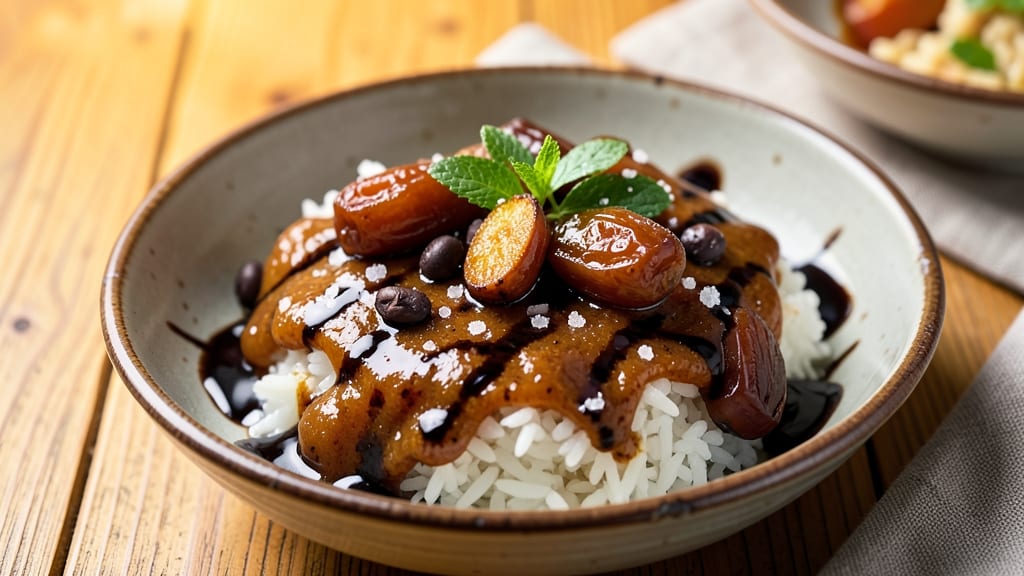
Authentic Chinese brown sauce transforms stir-fries, glazes, and dips into restaurant-quality masterpieces with its deep umami richness and subtle sweetness. This recipe captures the essence of traditional Cantonese and Sichuan styles without requiring months of fermentation—just a few hours of simmering. The secret lies in fermented soybeans (or their shortcut substitute) and dates, which create that signature caramelized depth.
What sets this sauce apart is its versatility. Use it as a dipping sauce for dumplings, a glaze for meats, or a finishing touch for noodles—each application reveals a different facet of its complex flavor profile.
The balance of tangy vinegar, sweet dates, and savory fermented soybeans creates a sauce that's both bold and nuanced, perfect for home cooks who want authenticity without compromise.
The result is a thick, glossy sauce with a deep mahogany color and layers of flavor that build with each use. Unlike store-bought versions, this recipe delivers the real deal—intensely aromatic, slightly sticky, and packed with the kind of depth that makes every bite memorable.
Whether you're cooking for family or hosting a dinner party, this sauce will elevate your dishes to new heights.
Best of all, it keeps well in the refrigerator for up to two weeks, allowing you to build a stash for future meals. The process is straightforward, but the payoff is undeniable—authentic Chinese brown sauce that rivals what you'd find in a dim sum restaurant.
Let's get started on creating this flavor powerhouse.
Ingredients for authentic chinese brown sauce
Nine ingredients transform simple simmering into restaurant-quality Chinese brown sauce depth.
| Ingredient | Amount | Notes |
|---|---|---|
| Fermented Black Soybeans (Douchi) or Substitute 🫘 | 1 cup | Or 2 tbsp fermented soybean paste |
| Dried Dates (Pitted and Chopped) 🍪 | ½ cup | Medjool dates preferred for sweetness |
| Rice Vinegar 🍶 | ½ cup | Seasoned or unseasoned, 5% acidity |
| Light Soy Sauce 🥢 | ½ cup | Kikkoman preferred for balance |
| Dark Soy Sauce 🥢 | ¼ cup | For deeper color and richness |
| Brown Sugar 🍚 | ¼ cup | Packed firmly for sweetness |
| Garlic Cloves (Minced) 🧄 | 4 cloves | Fresh for aromatic depth |
| Fresh Ginger (Grated) 🌿 | 1 tbsp | Peel before grating for freshness |
| Sesame Oil 🫒 | 1 tbsp | Toasted for nutty aroma |
| Red Chili Flakes (Optional) 🌶️ | 1 tsp | Adjust for heat preference |
Fermented black soybeans are the heart of this sauce—Asian grocery stores carry them fresh, but fermented soybean paste works in a pinch (just double the amount). Dates should be plump and moist; Medjool dates from Whole Foods or specialty markets deliver the best caramelized sweetness. If you can't find them, pitted regular dates work too, though they're slightly less luxurious. The vinegar needs to be 5% acidity or higher—cheap vinegars won't cut through the richness. For soy sauces, Kikkoman light and Lee Kum Kee dark are the gold standards, but any good-quality brands will do.
No fermented soybeans? Miso paste or doubanjiang (Sichuan chili bean paste) adds umami depth—use half the amount of dates. Dates too expensive? Dried figs or apricots work, but they'll change the flavor profile slightly. The garlic and ginger are non-negotiable for that authentic aroma, but if you're short on time, garlic powder and ginger paste (at half the amount) will get you close. For the sesame oil, toasted sesame oil is a must—regular sesame oil won't have that nutty punch. And if you're avoiding heat, skip the chili flakes entirely; the sauce will still be rich and complex.
This sauce tastes better with time—let it sit overnight if possible, but it's ready to use after just a few hours of simmering. Store in an airtight jar in the fridge for up to 2 weeks, or freeze for 6 months in ice cube trays for single-use portions. The color will deepen and the flavors will meld beautifully over time, so don't be afraid to make extra. A little goes a long way—start with 1 tablespoon per dish and adjust to taste. The sauce thickens as it cools, so thin with a splash of water if needed.
Why You'll Love This Recipe
- No-Soaking Needed: I swear by this—no need to soak the dried dates or ferment anything fancy. Just toss them in with the douchi (or that easy substitute) and let the heat do the work while you stir up dinner.
- Umami Bomb: That first spoonful of douchi and dark soy sauce? Pure flavor explosion. It’s salty, funky, and just sweet enough—like a secret weapon for stir-fries, dumplings, or even drizzled over congee.
- Pantry Staple Magic: Honestly, if you’ve got soy sauce and vinegar, you’re halfway there. The dates add natural sweetness, and the douchi brings depth without extra shopping trips. My go-to for when I’m low on ingredients but still want restaurant-level taste.
- Lasts All Week: This sauce keeps for ages in the fridge, and the longer it sits, the richer it gets. I make a big batch on Sundays, then use it all week—no waste, no stress, just endless flavor for leftovers or quick meals.
Step-by-step instructions for authentic Chinese brown sauce
Here's how to create a rich, fermented depth without the months-long wait.
Toast the Fermented Black Soybeans
Place the 1 cup fermented black soybeans (douchi) in a dry skillet over medium heat. Toast them for 3-4 minutes, stirring constantly, until they develop an intense, nutty aroma and turn a deeper brown color. This step unlocks their complex umami flavors and removes any raw, earthy notes.
Watch closely—they burn quickly. You're looking for a rich, toasty fragrance that fills your kitchen. If using the substitute of 2 tablespoons fermented soybean paste, skip this step entirely as it's already pre-toasted. Transfer the toasted beans to a food processor or mortar and pestle immediately after toasting.
Process the Toasted Beans with Dates and Aromatics
Add the 0.5 cup pitted and chopped dried dates, 4 cloves minced garlic, and 1 tablespoon grated fresh ginger to the food processor with the toasted beans. Pulse until you achieve a coarse, paste-like consistency—think somewhere between chunky and smooth. You want to preserve some texture to maintain the sauce's authentic body.
This is where the magic happens. The dates will soften and release their natural sweetness while blending with the fermented bean's funk. If using a mortar and pestle, work in batches to ensure even grinding. The mixture should coat the back of a spoon with a thick, syrupy consistency.
Simmer the Base with Vinegar and Soy Sauces
Transfer the bean-date mixture to a heavy-bottomed saucepan and add 0.5 cup rice vinegar, 0.5 cup light soy sauce, and 0.25 cup dark soy sauce. Bring to a gentle simmer over medium-low heat, then reduce to the lowest setting that maintains a steady bubble—this prevents scorching while allowing flavors to meld.
Stir occasionally for 15-20 minutes until the mixture thickens noticeably and coats the back of a spoon. The dark soy sauce will deepen the color to that signature brown hue we're after. Here's the thing—don't rush this step. The longer it simmers gently, the more complex the flavors become.
Sweeten and Finish with Sesame Oil
Add the 0.25 cup packed brown sugar and 1 tablespoon toasted sesame oil to the saucepan. Stir well to combine, then continue simmering for another 5-7 minutes until the sugar fully dissolves and the sauce reaches your desired consistency. For a thicker sauce, simmer longer; for a more pourable version, add 1-2 tablespoons water at the end.
If using the optional 1 teaspoon red chili flakes, add them now and stir until evenly distributed. Taste and adjust seasoning—you might need a touch more light soy sauce for saltiness or a bit of vinegar for acidity. The sauce should balance sweet, salty, umami, and a subtle heat if using chili.
Strain and Rest for Maximum Flavor
Transfer the sauce to a fine-mesh sieve or cheesecloth-lined colander and let it drain for 10-15 minutes. This removes any remaining date fibers and bean particles, giving you a silky-smooth sauce. Press gently on the solids with a spoon to extract every last drop of flavor.
The strained sauce will thicken further as it cools. Let it rest at room temperature for 30 minutes before using—this allows all the flavors to fully integrate. Store in an airtight container in the refrigerator for up to 2 weeks, or freeze for 3 months. The longer it rests, the more complex and authentic its flavor profile becomes.
Pro Tips For Making Authentic Chinese Brown Sauce
- SOAK DOUCHI FIRST: I learned this the hard way—dry-roasting fermented black soybeans without soaking first makes them bitter and hard to blend. Toss them in warm water for 10 minutes before cooking; they’ll soften, release more umami, and turn that sauce rich instead of chalky.
- SMASH DATES WELL: Chopped dried dates? No. Pound them flat with a rolling pin or heavy pan—this breaks their fibers and makes them dissolve smoothly into the sauce. Skimp here, and you’ll end up with chewy bits that ruin the texture.
- LOW AND SLOW REDUCE: After adding vinegar and soy sauces, resist the urge to blast the heat. Simmer at medium-low for 20-25 minutes, stirring occasionally, until the sauce thickens to a glossy coat. Rushing this step leaves it thin and watery.
- DARK SOY SAUCE LAST: Add dark soy sauce only in the final 2 minutes of cooking—it burns easily and darkens faster than you’d expect. Stir in just enough to get that glossy mahogany finish, then taste immediately to avoid overdoing it.
Wine and beer pairings for this recipe
Rice Wine Pairings
Chinese brown sauce pairs beautifully with Shaoxing wine—the same rice wine used in many Chinese dishes. Look for a dry, aged Shaoxing like Peter's Wine or Kang Shifu to complement the sauce's umami depth.
Sip a small amount before your meal to awaken your palate, then enjoy it alongside dishes like braised pork or steamed fish. The wine's nutty, slightly sweet profile mirrors the sauce's caramelized notes. 🍶
Light Beer Balance
A crisp Chinese lager like Tsingtao or Snow Beer cleanses the palate between bites of rich, sauced dishes. The beer's mild carbonation and subtle malt sweetness contrast perfectly with the sauce's bold flavors.
For a craft option, try a wheat beer—its citrusy notes enhance the sauce's complexity. Serve slightly chilled to balance the sauce's warmth. ✨
Dry Red Wine Contrast
For a more sophisticated pairing, opt for a dry Chinese red wine such as Cabernet Grapes or Noble Cabernet. The wine's tannins stand up to the sauce's richness while its dark fruit notes harmonize with the caramelized sweetness.
Decant for 30 minutes before serving to soften the tannins and enhance the wine's compatibility with the sauce's depth. 🍷
Non-Alcoholic Options
For a refreshing non-alcoholic choice, try jasmine tea or pu-erh tea. The floral notes of jasmine tea complement the sauce's umami, while pu-erh's earthy profile mirrors the fermented bean flavors. Serve tea at 160°F for optimal aroma to enhance the dining experience. 🌿
Regional Beer Adaptations
In Cantonese-style dishes, pair with a light, slightly sweet Chinese beer like Harbin Beer. For Sichuan-style dishes with chili flakes, a spicy hopped beer (like Sichuan Hop Beer) creates a thrilling contrast. Adjust beer temperature to 45-50°F for the best balance with the sauce's heat. 🌶️
Nutrition facts
Frequently asked questions
What's the difference between this brown sauce and hoisin sauce?
This fermented brown sauce is richer and deeper than hoisin, thanks to its fermented black soybeans and caramelized dates. Hoisin is sweeter and smoother, while this version has a funky, umami depth from the fermented beans. Use this sauce for glazing meats or stir-fries where you want complexity, and hoisin for dipping or quick sweet-savory applications.
Can I make this sauce without fermented black soybeans?
Yes! Substitute with 2 tablespoons fermented soybean paste (like doubanjiang) or 1 tablespoon miso paste for umami depth. The texture will be smoother, but you'll still get that authentic savory-sweet balance. Just reduce the dates slightly (0.3 cup) to maintain the right sweetness level.
How do I adjust the sweetness if I don't like it too sweet?
Start with 0.125 cup brown sugar and taste as you simmer. Add more in 1 tablespoon increments until balanced. For a tangier profile, increase the rice vinegar by 1 tablespoon. The dates provide natural sweetness, so if you skip them, reduce sugar by 2 tablespoons total.
What's the best way to use leftover brown sauce?
This versatile sauce works as a glaze for pork belly or chicken thighs, a dipping sauce for dumplings, or a finishing touch for noodles. For extra richness, mix 1 tablespoon with 2 tablespoons water and simmer until slightly thickened. Store leftovers in an airtight container for up to 2 weeks in the fridge.
Why does my sauce taste too salty?
Too much soy sauce is the usual culprit. Reduce by 1 tablespoon total next time, or balance with extra vinegar (1 tablespoon) or a pinch of sugar. If using store-bought fermented soybean paste, check for added salt—some brands are saltier than others. Always taste as you go during simmering!