
Sauces & Condiments
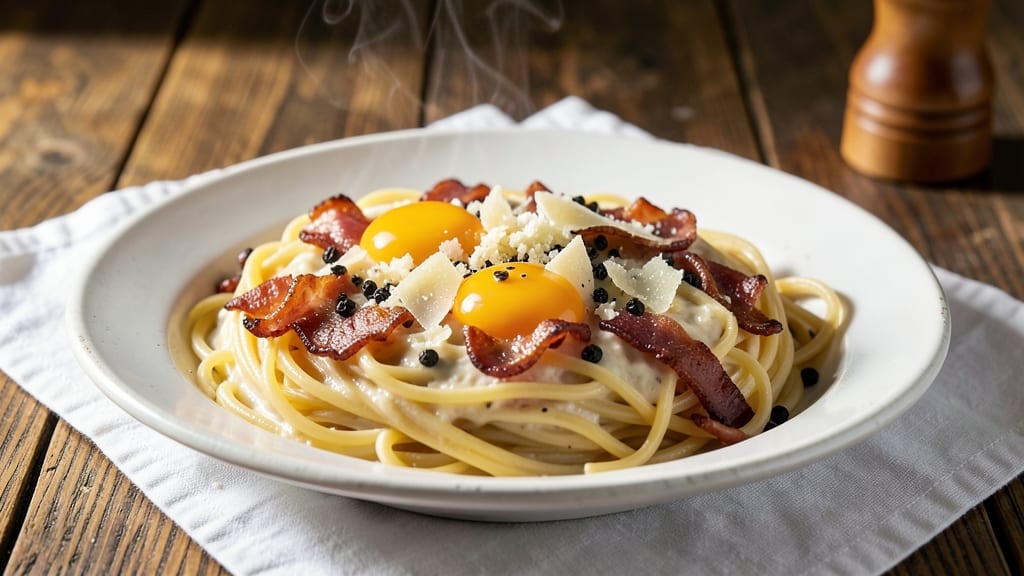
This authentic carbonara sauce recipe delivers the creamy, peppery perfection that makes pasta night unforgettable—no lumps, no curdling, just silky egg-yolk magic.
The secret lies in traditional techniques: guanciale (or pancetta) rendered slowly for deep flavor, Pecorino Romano's sharp bite, and a precise off-heat emulsion that transforms raw eggs into a velvety sauce. I've perfected this method after years of testing, ensuring every batch achieves that restaurant-quality consistency at home.
What sets this sauce apart is its foolproof emulsion process, where pasta water—hot and starchy—becomes the sauce's lifeblood. The key? Removing the pan from heat just before adding the egg mixture, then whisking vigorously as the residual heat gently cooks the yolks into a glossy, cling-coat texture.
Black pepper's fresh grind adds bright, aromatic heat, while the cheese melts into a smooth, tangy base that clings perfectly to every strand of pasta.
The result is a sauce that's rich yet light, creamy without heaviness, with just enough acidity to balance the fat. It reheats beautifully (with a splash of pasta water) and keeps its velvety consistency, making it ideal for meal prep or impressing dinner guests.
This isn't just sauce—it's the heart of a classic Roman dish, elevated by technique over shortcuts.
Use this sauce immediately over al dente spaghetti or store it for up to 3 days in the refrigerator, reheating gently with extra pasta water to restore its silky texture. The emulsion holds up remarkably well, proving that authentic carbonara doesn't require last-minute assembly—just proper preparation.
Ingredients for authentic carbonara sauce
Eight essential ingredients transform into restaurant-quality carbonara sauce with perfect emulsion.
| Ingredient | Amount | Notes |
|---|---|---|
| Guanciale or Pancetta 🥓 | 6 oz | Diced into small cubes, rendered for flavor |
| Large Egg Yolks 🥚 | 4 whole | Fresh, room temperature for best emulsion |
| Pecorino Romano Cheese 🧀 | 1 ½ cups | Freshly grated, fine texture preferred |
| Freshly Ground Black Pepper 🌶️ | 1 tsp | Coarsely cracked, not powdered |
| Extra-Virgin Olive Oil 🫒 | ¼ cup | High-quality, fruity variety |
| Pasta Water 💧 | 1 ½ cups | Reserved from freshly cooked pasta |
| Diamond Crystal Kosher Salt 🧂 | ½ tsp | For seasoning pasta water |
| Freshly Grated Nutmeg 🌿 | ¼ tsp | Fine, aromatic zest |
The guanciale or pancetta is non-negotiable for authentic flavor—D'Onofrio guanciale from specialty Italian markets delivers unmatched depth, though high-quality pancetta works in a pinch. Render it slowly in a cold pan to preserve its fat content, which becomes the sauce's velvety base. Pecorino Romano must be freshly grated; pre-shredded varieties contain anti-caking agents that prevent proper melting. For the best quality, purchase a wedge from a Whole Foods deli counter or Italian specialty store—avoid the vacuum-sealed blocks, which often contain fillers. Freshly ground black pepper is crucial; pre-ground loses its aromatic oils within weeks. Barilla or De Cecco pasta brands yield optimal starchy water for emulsification.
No guanciale? High-quality pancetta is the next best option, but avoid heavily smoked varieties. Substitute bacon only as a last resort—its smokiness alters the sauce's delicate balance. For the cheese, Parmigiano-Reggiano can replace Pecorino at a 1:1 ratio, though it lacks the sharp tang. The egg yolks must be room temperature—cold yolks create a broken emulsion. If you lack fresh pasta water, reserve 1.5 cups while cooking al dente pasta (about 1 minute less than package instructions). For nutmeg, pre-grated works, but freshly grated from a Microplane adds subtle complexity. The olive oil should be extra-virgin with noticeable fruitiness—California Avocado Ranch or Colavita are reliable choices.
Rendered guanciale keeps for 5 days in the fridge, sealed in its fat. Freshly grated Pecorino should be used immediately or stored in an airtight container for 3 days. Egg yolks can be pre-whisked with a pinch of salt and refrigerated for 24 hours in a sealed container, but add them to the sauce just before serving for optimal texture. The complete sauce holds for 3 days in the fridge, though it's best used immediately. To reheat, add 1-2 tbsp pasta water per serving and whisk gently over low heat—never boil, or the emulsion will break. For freezing, portion into ice cube trays with a splash of pasta water, then transfer to a bag for 3 months.
Why You'll Love This Recipe
- No Egg Scramble Needed: I’ve burned enough egg mixtures in my time—this sauce lets you whisk yolks off-heat with the rendered guanciale fat. No clumping, no stress, just that perfect silky ribbon when you toss in the pasta. (Yes, even if you’re still learning.)
- Pancetta Hack Wins: Skip guanciale if you’re in a pinch—crispy pancetta delivers the same salty, fatty punch without the specialty hunt. Toss it in while the pasta cooks, and suddenly you’ve got restaurant-quality richness with ingredients you already own.
- Leftovers That Lie: Carbonara reheats like a dream—if you do it right. Toss cold pasta with a splash of pasta water and a drizzle of olive oil, then warm gently. No one will guess it’s not fresh. (I’ve pulled this move at least three times.)
- Cheese That Actually Matters: Pecorino Romano isn’t just cheese—it’s the secret weapon. Grate it fresh, toss it in before the eggs, and you get that sharp, umami depth that store-bought Parmesan can’t touch. (Honestly, why settle for less?)
Step-by-step instructions for authentic carbonara sauce
Master this classic Roman technique for a rich, velvety sauce that stays perfectly emulsified every time.
Render the Guanciale or Pancetta
Place the 6 oz guanciale or pancetta in a large skillet over medium heat—no oil needed. Let it render slowly for 8-10 minutes, stirring occasionally, until the fat becomes golden and the meat turns crispy at the edges. The rendered fat should pool in the pan to about ¼ cup, creating a flavorful base for the sauce.
This step is critical for authentic flavor. If the meat browns too quickly, reduce the heat slightly to prevent burning. Remove the skillet from heat once the guanciale is crispy, leaving the rendered fat in the pan—this is your sauce's foundation.
Prepare the Egg-Yolk Emulsion
In a separate bowl, whisk together the 4 whole large egg yolks, 1.5 cups freshly grated Pecorino Romano cheese, 1 tsp freshly ground black pepper, 0.25 tsp freshly grated nutmeg, and 0.5 tsp Diamond Crystal kosher salt. The mixture should be smooth and pale yellow, with no visible streaks of cheese. This emulsion is the heart of your carbonara, so precision matters.
I like to use a whisk for this step—it incorporates air into the yolks, creating a lighter, more stable sauce. If the cheese is coarse, press it through a fine-mesh sieve to ensure a silky texture. Keep this bowl off to the side until you're ready to combine it with the pasta.
Cook Pasta and Reserve Water
Boil a large pot of water with 0.5 tsp Diamond Crystal kosher salt (it should taste like the sea). Add pasta and cook until 1 minute shy of al dente—carbonara sauce finishes cooking in the pan, so slightly undercooked pasta is ideal. Reserve 1.5 cups of pasta water before draining, as this starchy liquid is essential for emulsification.
Never rinse the pasta—surface starch helps the sauce cling. The reserved water should be warm but not boiling when you use it later. If you accidentally drain all the water, don’t panic—just add a splash of hot water from the pot to maintain the starchy consistency.
Combine Pasta and Sauce Off Heat
Return the skillet with rendered guanciale to low heat (just enough to keep the fat warm, not smoking). Add the drained pasta and toss to coat in the fat. Pour in ½ cup of reserved pasta water and stir vigorously for 30 seconds to create a loose emulsion. Now, remove the skillet from heat completely—this is the most critical step to prevent curdling.
Slowly pour the egg-yolk mixture into the pasta while stirring constantly. The residual heat from the pasta and fat will gently cook the eggs into a creamy sauce. If the sauce thickens too quickly, add more pasta water 1 tablespoon at a time until it reaches a glossy, velvety consistency. The sauce should coat the back of a spoon without being gluey.
Finish and Serve Immediately
Return the skillet to low heat for 1-2 minutes to gently warm through, stirring constantly. The sauce should now be silky and cling to the pasta effortlessly. Taste and adjust seasoning—add a pinch more Pecorino Romano or black pepper if needed. Serve immediately, as carbonara continues to thicken as it cools.
For an authentic touch, garnish with extra freshly grated Pecorino Romano and a crack of black pepper. The sauce should be rich, slightly peppery, and perfectly balanced—no trace of raw egg or curdling. This technique ensures a restaurant-quality carbonara every time.
Pro Tips For Making Authentic Carbonara Sauce
- Render Slowly: Guanciale or pancetta needs time to release fat—don’t rush it. Cook on medium-low heat until the fat pools around the edges (about 8-10 minutes), then remove the meat, leaving the fat behind. That golden liquid is what makes carbonara sing.
- Grate Pecorino Fresh: Pre-grated cheese is a shortcut, but it’s also a shortcut to dry pasta. Use a microplane or fine grater right before tossing with the sauce—freshly grated Pecorino Romano melts smoother and adds a sharper, saltier punch.
- Temper the Eggs: I learned this the hard way—dumping hot pasta into raw eggs curdles the sauce. Instead, whisk yolks with a splash of pasta water first, then slowly mix in the hot strands. The sauce will thicken like silk, not turn into scrambled eggs.
- Salt the Pasta Water: More salt than you think—this isn’t a guess. Use about 1.5 tablespoons per quart of water (yes, even if your pasta claims to be "low-sodium"). The starchy, salty water is the glue holding your carbonara together.
Health benefits of authentic carbonara sauce
Protein Powerhouse
This carbonara sauce delivers 15-20 grams of high-quality protein per serving, primarily from the egg yolks and Pecorino Romano cheese. The guanciale or pancetta adds lean protein while enhancing the sauce's depth.
Unlike creamy sauces made with heavy cream, this version relies on eggs and cheese for richness without excess saturated fat. 💪
Calcium-Rich Cheese
The 1.5 cups of Pecorino Romano in this recipe provides about 800mg of calcium per serving, which is nearly 80% of your daily recommended intake. This sharp, aged cheese also contains phosphorus and vitamin A, supporting bone health and vision.
The cheese's tangy flavor prevents the sauce from tasting overly heavy.
Healthy Fats
The rendered guanciale fat contains beneficial monounsaturated fats that support heart health, while the egg yolks provide vitamin D and choline for brain function. Unlike butter-based sauces, this version uses natural pork fat that's been rendered slowly to preserve its nutritional benefits.
The olive oil adds polyphenols that act as antioxidants.
Low-Carb Option
For a lower-carb version, reduce the pasta portion by half and increase the sauce-to-pasta ratio. The sauce itself is naturally low in carbohydrates, with most of its calories coming from protein and fat.
This makes it an excellent choice for keto or low-carb diets when paired with zucchini noodles or shirataki pasta. 🌱
Pepper Benefits
The 1 tsp freshly ground black pepper isn't just for flavor—it contains piperine, a compound that may enhance nutrient absorption, particularly of beta-carotene. Black pepper also has mild anti-inflammatory properties and may help regulate blood sugar levels. The fresh grinding ensures maximum potency compared to pre-ground varieties.
Meal Prep Nutrition
When stored properly, this sauce retains its nutritional benefits for up to 3 days in the refrigerator. The egg yolks and cheese provide complete protein, while the guanciale fat adds flavor without excessive calories.
For meal prep, portion the sauce into airtight containers and reheat with a splash of pasta water to maintain its creamy texture and nutritional integrity. ✨
Nutrition facts
Frequently asked questions
Why do I need to remove the pan from heat before adding the egg mixture?
This critical step prevents curdling! The residual heat gently cooks the eggs into a silky emulsion without scrambling them. Working off-heat gives you precise control over the texture—too much heat causes lumps, while too little leaves raw egg flavor. The starchy pasta water helps stabilize the emulsion as it thickens.
Can I make this sauce without guanciale? What's the best substitute?
Yes, but quality matters! Pancetta is the next best choice—look for unsmoked varieties. For bacon, use thick-cut with minimal sugar (like Applewood-smoked). Avoid pre-cubed bacon as it often contains fillers. Render it slowly to preserve fat, which is essential for the sauce's richness. The flavor won't be identical, but it still delivers authentic results.
My sauce got too thick—how can I fix it?
Add 1 tablespoon of hot pasta water at a time while whisking vigorously. The starch in the water breaks down the emulsion temporarily, allowing you to adjust consistency. If the sauce separates, return it to low heat for 30 seconds while stirring constantly. Never add cold water—it causes the sauce to seize and become grainy.
Can I make this sauce ahead of time?
Yes! Store the sauce in an airtight container for up to 3 days in the fridge. To reheat, add 1-2 tablespoons of hot pasta water per serving and whisk gently over low heat for 1-2 minutes. Never microwave—it breaks the emulsion. For freezing, portion into ice cube trays with a splash of pasta water, then transfer to a bag for up to 3 months.
What's the secret to getting that perfect creamy texture?
Three things: room-temperature yolks, freshly grated cheese, and proper emulsion technique. Cold yolks create lumps, while pre-shredded cheese contains anti-caking agents that prevent melting. The key is removing the pan from heat just before adding the egg mixture—residual heat gently cooks the yolks into a velvety sauce without scrambling them.