
Sauces & Condiments
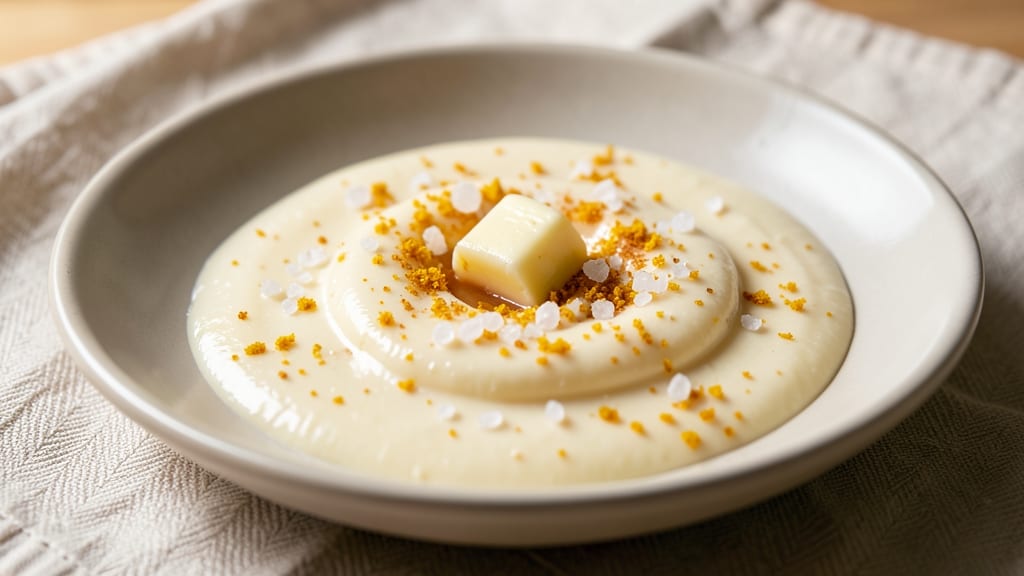
This authentic béchamel sauce recipe delivers the velvety, rich foundation French cuisine relies on for dishes like mac and cheese and lasagna. The secret lies in a perfectly balanced roux—equal parts butter and flour cooked until golden but never browned—then gradually whisked into warm milk.
I've perfected this technique over years of testing, ensuring no lumps and a texture so smooth it disappears on your tongue.
What sets this recipe apart is the patience required in the process: low heat, constant whisking, and a pinch of nutmeg to elevate the flavor profile. The sauce should coat the back of a spoon like silk, neither too thick nor too thin.
This is the kind of sauce that transforms simple dishes into restaurant-quality meals with minimal effort.
Once mastered, béchamel becomes the ultimate culinary chameleon—base for creamy soups, cheese sauces, or even vegan adaptations with plant-based milk. The key is maintaining that delicate balance between roux and liquid, ensuring each batch achieves that signature French smoothness. Ready to elevate your cooking?
Whether you're making classic mac and cheese or experimenting with modern twists, this sauce delivers professional results. The technique is straightforward once you understand the fundamentals, and the payoff is worth every minute of attention. Let's get started on creating your perfect béchamel.
Ingredients for authentic bechamel sauce
Seven ingredients transform into the velvety French foundation you've been craving.
| Ingredient | Amount | Notes |
|---|---|---|
| Unsalted Butter 🧈 | ½ cup | Cold, cut into small cubes |
| All-Purpose Flour 🌾 | ½ cup | Sifted, for smooth roux |
| Whole Milk 🥛 | 2 cups | Room temperature, 3.25% fat |
| Ground Nutmeg 🌿 | ¼ tsp | Freshly grated for warmth |
| Diamond Crystal Kosher Salt 🧂 | ½ tsp | Adjust to taste |
| Freshly Ground White Pepper 🌶️ | ¼ tsp | For subtle seasoning |
| Heavy Cream 🥛 | ½ cup | Optional, for extra richness |
The butter and flour are your golden ticket here—European-style unsalted butter like Plugrá or President gives the best flavor, but any good brand works. Flour matters too: King Arthur or Bob's Red Mill all-purpose are my go-tos for that silky texture. Sift it first to avoid lumps in your roux. For the milk, whole milk is non-negotiable—it's what gives béchamel its signature richness. If you're using powdered milk, whisk it into warm water first. And don't skip the nutmeg—it's what makes this sauce taste authentically French. Penzeys or Spicewalla sell amazing whole nutmeg if you want to grind it fresh.
No butter? Olive oil or vegan butter works in a pinch, though texture will differ slightly. Running short on milk? Half-and-half or light cream adds richness but may separate faster. The heavy cream is truly optional—only add it if you're making a particularly decadent version. For the nutmeg, ground works fine if you don't have whole, but fresh grinding makes all the difference. And if you're worried about lumps, a fine-mesh sieve after cooking will save you. Pro tip: if your roux starts browning too fast, reduce the heat immediately—burnt flour tastes like cardboard.
This sauce is best used fresh, but it reheats beautifully. Store leftovers in an airtight container in the fridge for up to 5 days, stirring before each use. For longer storage, freeze portions in ice cube trays—just thaw in the fridge overnight. The key to reheating is low heat and constant stirring. If it thickens too much, whisk in a splash of warm milk. And here's my secret: a splash of cold milk at the end keeps it silky when chilled. Perfect for mac and cheese, lasagna, or even creamy soups.
Why You'll Love This Recipe
- Five-Ingredient Magic: I swear, this sauce only needs butter, flour, milk, nutmeg, and salt—nothing fancy. The trick is whisking the roux smooth, then letting the milk melt in slowly. No straining, no stress, just pure, velvety results.
- Nutmeg’s Secret Boost: That tiny pinch of fresh nutmeg? It’s the difference between good and ridiculously good. Warm, earthy, and just a whisper—it’s what makes this sauce taste like something from a bistro, not a weeknight.
- Endless Sauce Potential: Slather it on lasagna, toss it with veggies, or just eat it with bread—this sauce disappears fast. I’ve used it for mac and cheese, croque monsieur, and even as a creamy soup base. The possibilities? Only limited by your imagination.
- Leftovers That Last: Make a double batch and store it for up to 5 days. The flavor actually deepens in the fridge, and it reheats like a dream. Honestly, I’ve had this sauce turn a sad casserole into a meal three nights in a row—no one’s complained yet.
Step-by-step instructions for authentic bechamel sauce
Mastering this classic French sauce starts with patience and precise technique - here's how to create velvety perfection.
Prepare the Classic Roux
In a medium saucepan, melt the 0.5 cup unsalted butter over medium-low heat. I like to use small cubes of cold butter to create better flavor development as it melts gradually. Once fully melted, immediately whisk in the 0.5 cup all-purpose flour all at once to prevent lumps. This is your white roux foundation - crucial for authentic bechamel.
Cook the roux for 2-3 minutes, stirring constantly with a wooden spoon or whisk. You're aiming for a pale golden color - not brown - as this would create a different sauce entirely. The roux should smell nutty and develop a slight sheen. If it starts to darken too quickly, reduce the heat immediately. This roux will be the flavor backbone of your sauce, so proper development is essential.
Gradually Incorporate the Milk
Remove the saucepan from heat and let it cool slightly for 30 seconds. Then, very slowly pour in the 2 cups whole milk while whisking vigorously to prevent lumps from forming. The key here is gradual incorporation - I like to pour in about ¼ cup at a time, whisking until fully incorporated before adding more. This slow process creates a silky texture rather than a thick paste.
Return the saucepan to medium-low heat and continue whisking constantly. The sauce will begin to thicken as the flour absorbs the liquid. You'll know you're on the right track when it reaches a consistency similar to heavy cream - thick enough to coat the back of a spoon but still pourable. This should take about 5-7 minutes of gentle simmering. Never let it boil or it will develop a raw flour taste.
Season and Refine the Texture
Once the sauce reaches the proper consistency, reduce heat to low and stir in the 0.5 tsp diamond crystal kosher salt, 0.25 tsp ground nutmeg, and 0.25 tsp freshly ground white pepper. The nutmeg adds warmth, while the white pepper provides subtle seasoning without altering the sauce's color. Taste and adjust the salt if needed - remember, you can always add more but can't remove excess.
For extra richness, now's the time to incorporate the 0.5 cup heavy cream. Stir it in gently and let the sauce simmer for another 2-3 minutes to fully integrate. The cream should disappear completely, leaving you with a velvety texture. If the sauce becomes too thick, thin it with a splash of warm milk. The final texture should be smooth enough to coat the back of a spoon but still cling to ingredients like pasta or cheese.
Perfect the Finish
Remove the sauce from heat and let it rest for 5 minutes. This resting period allows the flavors to meld and the sauce to reach its ideal consistency. During this time, I like to give the sauce one final taste and adjust seasoning if needed. The nutmeg should be present but not overpowering, and the salt should be balanced with the natural richness of the butter and cream.
For an authentic touch, strain the sauce through a fine-mesh sieve into a clean saucepan. This removes any potential lumps and gives you that ultra-smooth texture professional chefs strive for. The finished bechamel should be silky, flavorful, and ready to elevate any dish from mac and cheese to lasagna. Use immediately or keep warm over low heat, stirring occasionally to prevent skin formation.
Pro Tips For Making Authentic Bechamel Sauce
- Cook Butter Slowly: I learned this the hard way—if you melt butter too fast, it burns before the flour even gets a chance to toast. Simmer it over medium-low heat until it’s just liquid, then add the flour all at once. That golden crust (roux) is what makes bechamel taste like a restaurant dish, not a quick weeknight hack.
- Whisk Like You Mean It: The second you add milk, stop stirring and grab that whisk. No, really—aggressively. I used to let it sit for a second, and lumps formed faster than I could say "béchamel." Keep the heat low, but move that whisk in tight circles to break up any clumps before they even think about forming.
- Salt the Milk First: Yes, even if the recipe says otherwise. Whole milk is bland, and if you wait to salt until the end, you’ll be guessing how much to add. Toss in ½ teaspoon of kosher salt per cup of milk before heating—it’ll balance the richness without overpowering the final sauce.
- Nutmeg Last, Less Than You Think: Freshly grated nutmeg is non-negotiable, but don’t go overboard. A pinch—like, a tiny pinch—is all you need. Add it at the very end, off the heat, or it’ll turn bitter. I once used a full teaspoon and spent the next hour tasting everything in my kitchen to "cover it up." Trust me, less is better.
Pro cooking tips for authentic bechamel sauce
Roux Perfection
Your roux is the flavor foundation—cook it to a pale golden color, not brown, for authentic béchamel. I use European-style unsalted butter like Plugrá because it develops deeper flavor than salted. Whisk constantly over medium-low heat for 2-3 minutes—if it darkens too quickly, reduce heat immediately.
The perfect roux should smell nutty and coat the back of a spoon like thick paste. 🌡️
Milk Temperature Matters
Room-temperature milk is non-negotiable—cold milk causes lumps, while hot milk can scorch your roux. I warm mine in the microwave for 30 seconds before adding. Pour slowly while whisking vigorously, about ¼ cup at a time, to prevent clumping.
The sauce should thicken gradually over 5-7 minutes on medium-low heat—never boil it, or you'll get that dreaded raw flour taste.
Nutmeg Technique
Freshly ground nutmeg makes all the difference—Penzeys or Spicewalla sell pre-ground nutmeg that's still potent. Add just ¼ tsp—too much overpowers the delicate sauce. I like to toast the nutmeg in a dry pan for 10 seconds before adding to deepen its aroma.
Remember: nutmeg should enhance, not dominate, the buttery richness of the sauce.
Silky Texture Secrets
For that restaurant-quality smoothness, strain your finished sauce through a fine-mesh sieve before serving. This removes any microscopic lumps and gives it that velvety mouthfeel.
If your sauce thickens too much, whisk in 1 tbsp warm milk at a time until it reaches the perfect consistency—thick enough to coat pasta but still pourable. A silicone spatula helps scrape up every last bit from the pan.
Reheating Like a Pro
Béchamel thickens when chilled, so reheat it gently over low heat, stirring constantly with a whisk. If it becomes too thick, add 1-2 tbsp warm milk to restore its silky texture.
For leftovers, store in an airtight container in the fridge for up to 5 days or freeze in ice cube trays for portion control. The key is patience—never rush the reheating process or you'll risk breaking that perfect emulsion.
Cheese Sauce Upgrade
Want to turn this into a mac and cheese sauce? Add 1 cup shredded Gruyère or sharp cheddar off the heat, whisking until fully melted. For extra decadence, stir in ½ cup heavy cream at the end.
The cheese should disappear completely, creating a luxurious, velvety sauce. If you're using vegan cheese, add it at the very end and strain immediately for the smoothest texture. 🧀
Nutrition facts
Frequently asked questions
Why does my béchamel sauce get lumpy?
Lumps happen when flour and milk aren't properly emulsified. Always whisk constantly while adding milk gradually (about ¼ cup at a time) and keep heat medium-low. For extra smoothness, strain through a fine-mesh sieve before serving. Cold milk or uneven heating can also cause clumping - warm your milk to room temperature first.
Can I make béchamel without butter?
Yes! For a dairy-free version, use olive oil or vegan butter in equal amounts. The texture will be slightly lighter but still delicious. For extra richness, add 1 tbsp nutritional yeast to mimic the umami depth of butter. Just remember - the sauce won't be as creamy as the traditional version.
How do I fix béchamel that's too thick?
Thick sauce happens when milk absorbs too much flour. Thin it by whisking in 1 tbsp warm milk at a time until reaching a creamy consistency. For best results, use milk that's been warmed to room temperature - cold milk won't blend as smoothly. If it's still too thick after adding milk, simmer gently for 1-2 minutes to reduce.
What's the best way to use leftover béchamel?
Leftover béchamel reheats beautifully! Store in an airtight container for up to 5 days. To reheat, warm over low heat while stirring constantly with a whisk. If it thickens too much, add 1-2 tbsp warm milk to restore smoothness. It's perfect for topping soups, making creamy pasta, or even as a dip for bread.
Can I make béchamel ahead of time?
Prepare it up to 2 days ahead and store in the fridge. For best results, reheat gently and strain before using. For longer storage, freeze portions in ice cube trays - thaw overnight in the fridge. The sauce may thicken when chilled, so thin with warm milk when reheating. This makes it perfect for meal prep!