
Sauces & Condiments
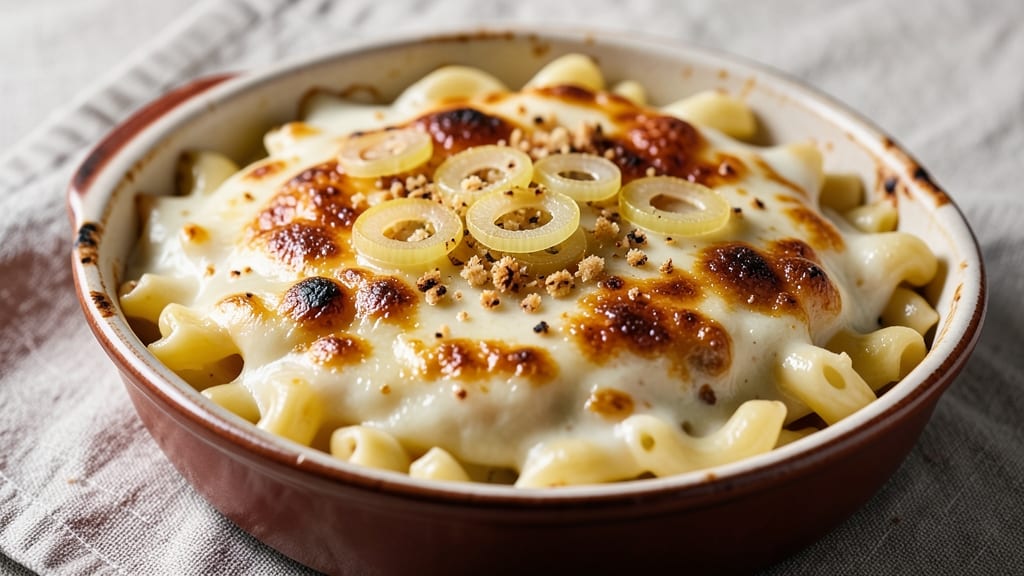
This basic mac and cheese sauce recipe delivers the creamy, velvety foundation every comfort food lover craves—without lumps or separation. The secret lies in a proper roux and precise cheese ratios, ensuring a smooth texture that coats every noodle perfectly.
I've perfected this stovetop method over years of testing, eliminating guesswork for restaurant-quality results at home.
The process starts with equal parts butter and flour cooked to a golden paste, then gradually whisking in warm milk to create a silky base. Sharp cheddar forms the flavor backbone, while cream cheese adds richness without breaking the sauce.
What sets this apart is the slow, steady heat that melts the cheese completely, creating a sauce so smooth it practically disappears on your tongue.
What you'll end up with is a creamy, ultra-smooth sauce that's ideal for mac and cheese dishes, baked potatoes, or even as a creamy pasta topping. The key is patience—letting the cheese melt gradually prevents graininess, while constant stirring ensures no lumps form.
This is the kind of sauce that transforms ordinary meals into something truly special.
Perfect for meal prep or last-minute dinners, this sauce keeps well in the fridge for up to 5 days and reheats beautifully. The instructions are straightforward, but the results are anything but basic. Let's make this velvety sauce that will become your new go-to for cheesy comfort.
Ingredients for basic mac and cheese sauce
Nine simple ingredients create the creamiest mac and cheese sauce you'll ever make.
| Ingredient | Amount | Notes |
|---|---|---|
| Unsalted Butter 🧈 | ½ cup | Cold, cubed for even cooking |
| All-Purpose Flour 🌾 | ½ cup | White flour preferred |
| Whole Milk 🥛 | 2 cups | Warmed for smooth sauce |
| Sharp Cheddar Cheese 🧀 | 1 ½ cups | Shredded, block preferred |
| Cream Cheese 🧀 | 4 oz | Full-fat for richness |
| Yellow Onion 🧅 | ¼ cup | Finely diced, mild flavor |
| Garlic Cloves 🧄 | 2 cloves | Minced, aromatic base |
| Salt 🧂 | ½ tsp | Kosher or sea salt |
| Ground Black Pepper 🌶️ | ¼ tsp | Freshly ground preferred |
| Butter (for finishing) 🧈 | 1 tbsp | Optional, for extra richness |
The cheddar is non-negotiable here—sharp cheddar makes all the difference. Grab a block and shred it yourself (pre-shredded gets clumpy). Kraft 2% Milk Cheddar is my go-to for that classic tangy flavor, but any sharp variety works. The cream cheese adds that velvety texture, so full-fat is a must—don't skimp here. For the butter, Land O'Lakes unsalted melts beautifully, but any good quality brand will do. The onion and garlic are just for flavor, so don't stress if you burn them slightly—they'll disappear in the sauce.
No sharp cheddar? Monterey Jack or pepper jack works in a pinch, though the flavor won't be quite the same. Short on cream cheese? Substitute with an extra 0.5 cup of milk and 2 oz of Parmesan for a similar creaminess. The milk can be any kind—whole, 2%, or even lactose-free—but warming it slightly (just until steaming) helps the sauce come together smoother. For extra richness, add a splash of heavy cream at the end. And if you're feeling fancy, a pinch of nutmeg or smoked paprika adds depth without overpowering.
This sauce keeps beautifully—5 days in the fridge sealed tightly. For longer storage, freeze in 2-cup portions for up to 3 months. Reheat gently on the stove with a splash of milk to restore that silky texture. I always make extra because it's perfect for meal prep—toss with cooked pasta, use as a baked potato topping, or even drizzle over grilled veggies. The leftovers reheat just as smoothly as the first time, so you'll be making this again and again.
Why You'll Love This Recipe
- Five-Ingredient Magic: I swear by this combo—rich butter and flour make a velvety roux, while whole milk keeps it smooth without curdling. The sharp cheddar and cream cheese? That’s where the real magic happens—tangy, creamy, and impossible to resist.
- Weeknight Hero: Between us, this is the sauce that saves me when I’m staring at a fridge full of random leftovers and a clock ticking toward bedtime. Toss in whatever noodles you have, and dinner’s ready before the kids even notice.
- Leftovers That Don’t Suck: Honestly, I make a double batch on purpose. The sauce thickens beautifully when reheated—no grainy texture, no sad separation—just that same luxurious mouthfeel. My lunchbox gets packed for days after.
- Budget Cheat Code: Sharp cheddar and cream cheese stretch farther than you’d think, and butter? A single stick goes a long way in this recipe. It’s the kind of comfort you can afford to serve every night without guilt. (Yes, even on a Tuesday.)
Step-by-step instructions for ultra-smooth stovetop mac and cheese sauce
Here's how to make a velvety, ultra-smooth mac and cheese sauce that clings perfectly to every strand of pasta.
Create a Smooth Roux with Butter and Flour
Melt the 0.5 cup unsalted butter in a medium saucepan over medium heat. Once the butter has completely melted and begins to foam, reduce the heat to medium-low and whisk in the 0.5 cup all-purpose flour all at once. This creates a roux, which will thicken your sauce beautifully.
Cook the roux for 2-3 minutes, stirring constantly with a wooden spoon or whisk, until it turns a pale golden color. You'll notice it thickens slightly and smells nutty—this is your signal that the roux is ready. If it browns too quickly, reduce the heat further. A properly cooked roux is the foundation of a smooth sauce, so don't rush this step.
Cook the Aromatics Until Fragrant
Add the 0.25 cup finely diced yellow onion and 2 minced garlic cloves to the roux. Stir well to coat the onion and garlic in the butter and flour mixture. Cook for 3-4 minutes over medium heat, stirring occasionally, until the onion becomes translucent and the garlic releases its aromatic fragrance.
This step builds flavor depth—don't skip it. If the mixture starts to brown too quickly, reduce the heat slightly. You want the onions to soften and the garlic to infuse its flavor without burning. The sauce should smell rich and inviting at this point.
Gradually Add Warm Milk for a Silky Texture
Slowly pour in the 2 cups warm whole milk while whisking continuously to prevent lumps from forming. Once all the milk is added, increase the heat to medium-high and bring the mixture to a gentle boil. Let it simmer for 5-7 minutes, stirring frequently, until the sauce thickens enough to coat the back of a spoon.
Here's the thing—warm milk blends better than cold, and slow addition prevents clumping. If the sauce thickens too quickly, reduce the heat slightly. You're aiming for a smooth, velvety consistency that will coat your pasta perfectly.
Incorporate the Cheeses for Maximum Creaminess
Reduce the heat to low and gradually stir in the 1.5 cups shredded sharp cheddar cheese and 4 oz cream cheese until fully melted and smooth. The cream cheese adds luxurious richness, so make sure it melts completely. If the sauce looks too thick, whisk in 1-2 tablespoons of milk to reach your desired consistency.
Season with the 0.5 tsp salt and 0.25 tsp ground black pepper, then stir in the 1 tbsp butter (for finishing) for extra richness. Taste and adjust seasoning if needed—this is your chance to perfect the flavor before it hits the pasta.
Finish with a Silky, Clingy Sauce
Remove the sauce from heat and let it rest for 2-3 minutes—this allows the flavors to meld and the sauce to thicken slightly. The sauce should be smooth, glossy, and perfectly clingy. If it's too thick, whisk in a splash of warm milk to loosen it to your preferred consistency.
Now you're ready to toss with your cooked pasta. The sauce should coat every strand beautifully, creating that classic, indulgent mac and cheese experience. Serve immediately while the sauce is still warm and velvety.
Pro Tips For Making Basic Mac And Cheese Sauce
- STIR CONSTANTLY AT FIRST: The first 2 minutes after adding flour to butter is when lumps form fastest—don’t walk away. I used to let it sit while I chopped cheese, and that’s when the sauce turned into a sad, grainy mess. Keep the heat medium and stir like you’re mixing paint until it’s smooth and golden.
- GRATE CHEESE FINE: Sharp cheddar loses its edge when it melts into big chunks. Use a box grater or food processor—even pre-shredded cheese won’t melt as well because it’s coated with anti-caking agents. If you’re lazy, at least pulse it in a food processor for 10 seconds.
- LOW AND SLOW AFTER MILK: Once you add milk, drop the heat to low. I learned this the hard way—boiling the sauce after adding milk makes it split and turn grainy. Let it simmer gently for 5 minutes, stirring occasionally, so the flour fully cooks out and the sauce thickens properly.
- ADD CREAM CHEESE LAST: Tossing cream cheese in too early can turn your sauce into a clumpy disaster. Wait until the cheddar is fully melted and the sauce is thickened, then stir in the cream cheese until just combined. This keeps the texture silky instead of rubbery.
Serving suggestions for this recipe
Classic Mac Pairings
This velvety sauce shines with elbow macaroni or cavatappi pasta, but don’t stop there. Toss it with chicken tenders for a kid-friendly twist or roasted broccoli for a veggie boost.
The sauce clings beautifully to baked potatoes too—just scoop some into a hollowed-out spud and broil for 3-4 minutes until bubbly. 🧀
Crunchy Toppings
Add texture with crispy fried onions (sauté ¼ cup in butter until golden) or crumbled bacon. For a cheesy crunch, sprinkle ½ cup panko breadcrumbs mixed with 1 tbsp melted butter on top before baking. I love finishing with green onions for a fresh pop of color. 🌿
Bread Basket Sides
Serve this sauce with garlic bread or a crusty baguette for dipping. Warm sourdough slices in the oven for 5 minutes, then brush with garlic butter (mix 2 tbsp butter with 1 minced garlic clove). The buttery, cheesy combo is irresistible. 🥖
Vegetable Add-Ins
Stir in steamed broccoli florets or sautéed mushrooms for extra heartiness. For a creamy veggie version, blend ½ cup cooked cauliflower into the sauce—it adds body without overpowering the cheese. Roasted red bell peppers also work beautifully. 🌶️
Dessert Twist
Yes, you read that right! Use this sauce as a cheesy dip for apple slices or pretzel bites. For a sweet treat, drizzle it over baked cinnamon apples or warm apple crisp. The caramelized fruit balances the richness perfectly. 🍏
Nutrition facts
Frequently asked questions
Why does my mac and cheese sauce get lumpy?
Lumps usually happen when cheese melts too quickly or you add it all at once. Always reduce heat to low when adding cheese and stir constantly. For extra smoothness, whisk the milk into the roux first, then add cheese gradually. Pre-shredded cheese contains anti-caking agents that cause clumping—grate your own for the best results.
Can I make this sauce dairy-free?
Replace butter with vegan butter, milk with unsweetened almond or oat milk, and cheddar with vegan cheese (like Miyoko's or Violife). For creaminess, add 2 tbsp nutritional yeast or ½ cup coconut cream. The roux method still works—just use olive oil instead of butter if needed.
How do I fix a sauce that's too thick?
Whisk in 1-2 tablespoons of warm milk or water gradually until you reach your desired consistency. If it's still too thick after adding liquid, return it to low heat and cook for 1-2 minutes while stirring constantly. For baked mac and cheese, a slightly thicker sauce works best—just adjust before adding pasta.
What's the best cheese ratio for extra cheesy flavor?
For a bolder cheesy taste, increase the sharp cheddar to 2 cups and reduce cream cheese to 2 oz. Add ¼ cup grated Parmesan for umami depth. If you love creaminess, keep the original ratio but add 2 oz extra cream cheese at the end. The key is always melting cheese slowly over low heat to prevent graininess.
Can I make this sauce ahead of time?
Yes! Store it in an airtight container in the fridge for up to 5 days. To reheat, warm over low heat on the stove, stirring frequently and adding 1-2 tablespoons of milk if it thickens too much. For freezing, portion into 2-cup servings and freeze for up to 3 months**. Thaw overnight in the fridge before reheating.