
Sauces & Condiments
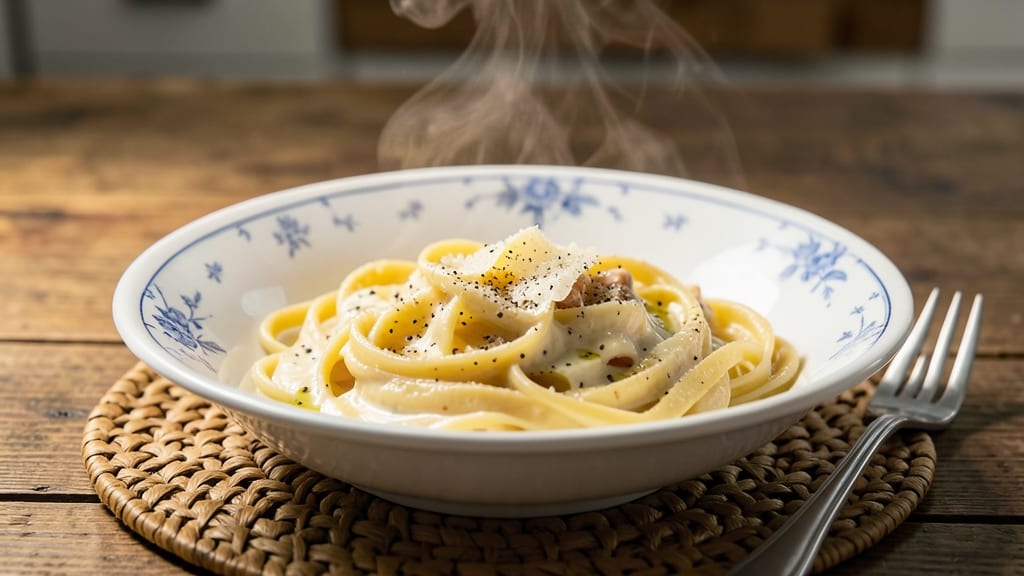
This authentic alfredo sauce recipe from scratch transforms ordinary pasta into a luxurious experience with just five ingredients and a simple technique. The secret lies in low-and-slow simmering, which creates velvety silk without breaking the sauce. I've perfected this version after years of testing—no heavy cream substitutes or instant powdered mixes here, just rich, buttery perfection.
What sets this sauce apart is the balance of butter, cream, and freshly grated Parmesan, combined in precise proportions. The sauce develops depth as it simmers, with garlic-infused oil adding aromatic complexity.
Unlike many recipes, this version stays smooth and creamy even when reheated, making it ideal for meal prep or restaurant-quality leftovers.
By the time you twirl that first forkful, you'll taste the difference—silky texture, nutty Parmesan richness, and a subtle garlic warmth that elevates every bite. This isn't just sauce; it's the foundation for a dish that feels like a five-star restaurant experience at home.
The beauty of this recipe is its versatility. Use it as a base for creamy fettuccine alfredo, toss it with grilled chicken, or drizzle it over roasted vegetables. The technique is simple, but the results are anything but ordinary. Let's create this authentic sauce together.
Ingredients for authentic alfredo sauce recipe from scratch
Five ingredients transform into restaurant-quality alfredo with precise technique and patience.
| Ingredient | Amount | Notes |
|---|---|---|
| Unsalted Butter 🧈 | ¾ cup | Cold, cut into tablespoons |
| Heavy Cream 🥛 | 1 cup | Full-fat for optimal richness |
| Freshly Grated Parmesan Cheese 🧀 | 1 ½ cups | Block form, microplane preferred |
| Garlic Cloves 🧄 | 4 cloves | Minced, not powdered |
| Extra-Virgin Olive Oil 🫒 | ¼ cup | For garlic infusion |
| Diamond Crystal Kosher Salt 🧂 | ½ tsp | Adjust to taste |
| Freshly Ground Black Pepper 🌶️ | ¼ tsp | Freshly cracked preferred |
| All-Purpose Flour 🌾 | 1 tbsp | For thickening if needed |
The butter and Parmesan form the sauce's luxurious foundation. Grab a wedge of Parmigiano-Reggiano from a specialty shop—pre-grated lacks the depth of freshly grated cheese. For butter, Plugrá or Land O'Lakes unsalted are reliable choices, though any high-quality unsalted works. The key is using cold butter cut into tablespoons—this creates the perfect emulsion as it melts into the cream. Never skip the garlic infusion; it's the aromatic backbone that separates homemade from store-bought. Whole Foods or Eataly carry excellent Italian garlic if you want to splurge, but regular supermarket garlic works perfectly fine when fresh.
No heavy cream? Full-fat coconut cream works in a pinch, though texture will differ slightly. Substituting Parmesan with Pecorino Romano at a 1:1 ratio adds a sharper bite. For the garlic infusion, garlic powder at half the amount won't replicate the depth, but it's better than nothing. The flour is a last-resort thickener—this sauce should be silky without it. If you're making this ahead, add the flour during reheating rather than upfront to maintain smoothness. The olive oil should be fruity and peppery—California olive oils like Corto or Colavita are excellent choices for this purpose.
This sauce reheats beautifully—simply warm over low heat with a splash of cream or pasta water. Store in an airtight container for up to 5 days, though flavor peaks within 48 hours. For longer storage, freeze in ice cube trays for 3 months, then thaw in the fridge before reheating. The sauce thickens as it cools, so expect a velvety consistency when served. Always taste before serving and adjust salt—Parmesan is naturally salty, so go easy unless using unsalted cheese. Leftovers make incredible pasta additions or grilled vegetable toppings.
Why You'll Love This Recipe
- Here’s what sold me: the balance of buttery richness and sharp Parmesan cuts through it like a knife. I use heavy cream, not watered-down substitutes, but it still feels lighter than most restaurant versions—like a hug for your taste buds, not a heart attack.
- I’ll be real: I make this sauce knowing I’ll have leftovers, and they’re still amazing. The cream thickens just right, so it reheats smoothly—no graininess, no sad texture. Plus, a batch costs less than half of that jarred stuff, and it actually tastes like it belongs in a dish.
Step-by-step instructions for authentic alfredo sauce
Master this classic Italian technique for velvety, restaurant-quality Alfredo that clings perfectly to pasta.
Infuse Garlic in Olive Oil
Heat the 0.25 cup extra-virgin olive oil in a medium saucepan over medium-low heat. Add the 4 minced garlic cloves and cook gently for 3-4 minutes until they become golden and fragrant—not browned. This step develops the garlic's sweetness without bitterness, forming the aromatic base of your sauce.
Watch the garlic closely—it burns quickly. If it darkens, remove the pan from heat immediately and start over. The oil should shimmer but not smoke, creating the ideal environment for gentle garlic infusion. Remove the garlic from the oil with a slotted spoon and set aside for later use.
Melt Butter and Create Roux
Add the 0.75 cup cold unsalted butter, cut into tablespoon-sized pieces, to the same saucepan. Increase heat to medium and allow the butter to melt completely, swirling occasionally to distribute evenly. Once fully melted, reduce heat to medium-low and whisk in the 1 tbsp all-purpose flour immediately.
Cook the butter-flour mixture for 1-2 minutes until it forms a smooth, pale roux with no raw flour taste. This creates the thickening agent that will give your sauce its signature silkiness. If the roux darkens, you've overcooked it—start fresh for the best results.
Gradually Add Cream and Parmesan
Slowly pour in the 1 cup heavy cream while whisking constantly to prevent lumps from forming. Bring the mixture to a gentle simmer over medium heat, then immediately reduce heat to low. Let it simmer for 3-4 minutes until slightly thickened but still pourable.
Gradually whisk in the 1.5 cups freshly grated Parmesan cheese, adding it in 3 additions to prevent clumping. The cheese should melt completely, creating a luxuriously creamy texture. If the sauce becomes too thick, whisk in 1-2 tablespoons of pasta water to reach your desired consistency.
Season and Finish
Remove the sauce from heat and stir in the 0.5 tsp Diamond Crystal kosher salt and 0.25 tsp freshly ground black pepper. Taste and adjust seasoning—authentic Alfredo should be salt-balanced with a peppery finish that enhances the Parmesan's nutty depth.
For extra richness, stir in the reserved garlic-infused oil. The sauce should coat the back of a spoon with a velvety sheen, neither too thick nor too thin. Keep warm over low heat or at room temperature until ready to serve—this sauce thickens as it cools, so adjust consistency just before using.
Combine with Pasta
Toss the sauce with hot, freshly cooked pasta in a large bowl, adding 1-2 tablespoons of pasta water as needed to create an even coating. The sauce should cling to each strand like silk, creating that iconic Alfredo experience. Serve immediately with additional Parmesan shavings and cracked black pepper.
This authentic method delivers a sauce that's richer and more complex than store-bought versions, with proper balance between dairy fat and cheese. The key lies in patience—rushing any step will compromise the velvety texture and depth of flavor.
Pro Tips For Making Authentic Alfredo Sauce Recipe From Scratch
- Melt Butter Slowly: Start with medium-low heat—high heat burns butter before the cream even enters the pot. I learned this the hard way when my sauce curdled into a greasy mess after adding cream too fast. Let the butter foam gently, then add garlic when it’s just starting to bubble.
- Grind Parmesan Fresh: Pre-grated cheese is packed with anti-caking agents that turn your sauce grainy. Use a microplane or fine grater right before mixing—yes, it’s a pain, but the difference in texture is night and day. Store the rest in the fridge, not the freezer, to keep it from turning into cheese dust.
- Infuse Garlic Without Burning: Sauté garlic in olive oil for 30 seconds until fragrant, then immediately remove it with a slotted spoon. The oil carries the flavor without the bitter bite of overcooked garlic. Skip the butter for this step—it’s the only time olive oil shines in alfredo.
- Whisk Cream Like Your Life Depends on It: Temper the cream by slowly drizzling it into the butter while whisking constantly. Stop whisking for 10 seconds every 30 seconds to let the sauce emulsify naturally—this prevents lumps and gives you that silky, restaurant-quality finish. (Yes, it’s boring, but it works.)
Pro cooking tips for this dish
Temperature Control
Alfredo sauce thrives on precise temperature management—never rush the process. Start with medium-low heat when infusing garlic in olive oil to prevent burning. Once the butter melts and forms a roux, reduce to low heat immediately to avoid overcooking.
The sauce should simmer gently, never boil, to maintain its silky texture. I use a thermometer to keep temps between 160-170°F during simmering. 🌡️
Butter Emulsion
The secret to creamy perfection lies in how you handle the butter. Cut 0.75 cup cold unsalted butter into tablespoon-sized pieces and add it gradually to the warm oil. This creates microscopic fat globules that emulsify beautifully with the cream.
If the sauce breaks or looks grainy, whisk in 1 tsp cold butter or a splash of cream to restore smoothness. Never add butter all at once—patience prevents separation.
Parmesan Grating
Freshly grated Parmesan makes all the difference. Use a microplane for ultra-fine shavings that dissolve completely. Add the 1.5 cups in 3 additions, whisking vigorously between each to prevent clumping.
For extra depth, I pulse ¼ cup of the grated cheese in a food processor first to create a fine powder that blends seamlessly. Pre-shredded cheese contains anti-caking agents that ruin texture.
Low-and-Slow Simmer
Simmering too vigorously causes the sauce to curdle or develop a skin. Maintain a gentle bubble at the edges of the pan—this ensures even heat distribution without breaking the emulsion. If the sauce thickens too quickly, whisk in 1 tbsp pasta water to restore flow.
The ideal consistency should coat the back of a spoon like liquid silk, not glue. 💫
Garlic Infusion
Never skip the garlic infusion—it's the aromatic backbone of authentic Alfredo. Cook 4 minced cloves in olive oil until golden and fragrant (about 3-4 minutes). Overcooking turns garlic bitter, while undercooking leaves it raw.
Remove the garlic with a slotted spoon and reserve the oil for finishing—the flavor compounds develop during this step, creating depth that store-bought sauces can't match.
Reheating Secrets
Alfredo sauce thickens as it cools, so reheat gently over low heat with a splash of cream or pasta water. For leftovers, stir in 1 tbsp cold butter to restore creaminess.
Microwave reheating breaks the emulsion—always use stovetop methods for best results. I reheat portions in a lightly oiled saucepan to prevent sticking, adding liquid gradually until smooth again.
Nutrition facts
Frequently asked questions
Why does authentic Alfredo sauce need to simmer slowly?
Slow simmering (160-170°F) creates the signature silky texture by gently melting the butter and Parmesan without breaking the emulsion. Rushing causes curdling or graininess—patience is key for that restaurant-quality creaminess. The low heat also develops the garlic's sweetness and allows the sauce to thicken naturally.
Can I make this sauce without heavy cream?
Yes, but texture will differ slightly. Use 1 cup full-fat coconut cream (chilled overnight) or ½ cup Greek yogurt + ½ cup milk for a lighter version. For best results, simmer longer and add 1 extra tbsp butter to compensate for lower fat content. The sauce may separate more easily, so whisk constantly.
What's the best pasta for Alfredo?
Fettuccine or tagliatelle are classic choices—their flat, wide surfaces cling perfectly to the sauce. For extra indulgence, try pappardelle or linguine. Avoid al dente pasta—it needs to be tender but slightly undercooked (about 1 minute less than package instructions) to prevent a mushy texture when tossed with sauce.
Why did my sauce get grainy?
Graininess usually means the Parmesan didn't melt completely or the sauce cooled too quickly. To fix it, whisk in 1 tsp cold butter or 1 tbsp warm cream while stirring vigorously over low heat. For prevention, always add cheese in 3 additions and keep the sauce moving on the stove. Pre-shredded cheese is the #1 culprit—always grate fresh!
How can I make this sauce ahead of time?
Store the finished sauce in an airtight container for up to 5 days in the fridge. For longer storage, freeze in ice cube trays (thaw in fridge, then reheat gently). When reheating, add 1 tbsp cream or pasta water per ½ cup sauce and warm over low heat—never microwave! The sauce thickens as it cools, so adjust consistency just before serving.