
Sauces & Condiments
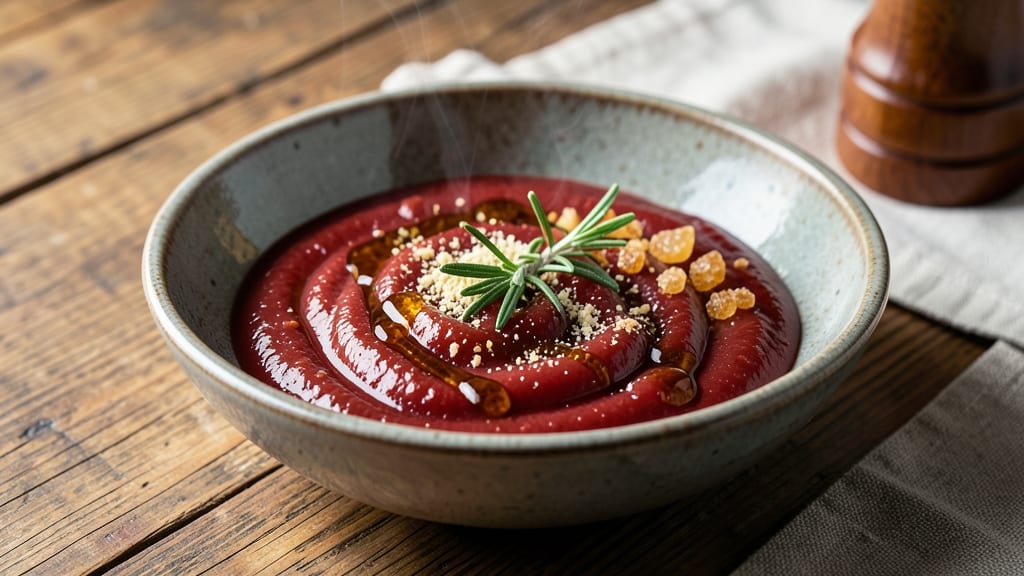
This Australian barbecue sauce recipe delivers the bold, tangy-sweet balance that transforms grilled meats into showstoppers. 🔥 The secret lies in the vinegar kick and caramelized sugar that creates a glossy, sticky glaze—perfect for brushing on ribs, chicken, or even drizzling over baked beans.
I developed this version after years of testing, ensuring it stays true to that signature Aussie flavor while being simple enough for weeknight cookouts.
The foundation starts with tomato paste and brown sugar, which form the base of that signature rich, molasses-like depth. A splash of malt vinegar cuts through the sweetness, while Worcestershire sauce and garlic powder add layers of umami and savory complexity.
The spices—chili flakes, onion powder, and a pinch of mustard—give it that signature heat and depth that makes this sauce unforgettable. Unlike many store-bought versions, this one doesn't rely on artificial flavors or preservatives.
What you'll end up with is a sauce that's equally at home as a glaze, dipping sauce, or marinade—its versatility makes it a must-have in your grilling arsenal. The texture is thick enough to cling beautifully to meats but still spreads effortlessly, ensuring every bite is packed with flavor.
It keeps well in the fridge for up to two weeks or can be canned for long-term storage, so you'll always have that perfect Aussie touch ready when the grill heats up.
Whether you're slow-cooking ribs, grilling chicken, or simply looking to elevate your next backyard cookout, this sauce delivers that authentic Australian taste. The best part? It's simple to make with just a few pantry staples, and the process takes less than 20 minutes.
Let's get started on creating a sauce that'll have everyone asking for seconds.
Ingredients for australian barbecue sauce
Nine pantry staples that pack the signature Aussie boldness and tangy-sweet kick you crave.
| Ingredient | Amount | Notes |
|---|---|---|
| Tomato Paste 🍅 | ½ cup | High-quality canned, not powdered |
| Brown Sugar 🍚 | ½ cup | Packed, light or dark |
| Malt Vinegar 🍶 | ½ cup | Aged malt vinegar preferred |
| Worcestershire Sauce 🍯 | ¼ cup | Lea & Perrins brand ideal |
| Garlic Powder 🧄 | 1 tbsp | Freshly ground preferred |
| Onion Powder 🧅 | 1 tbsp | Fine grind for smooth texture |
| Chili Flakes 🌶️ | 1 tbsp | Adjust for desired heat |
| Mustard Powder 🍯 | 1 tsp | Dijon-style preferred |
| Salt 🧂 | 1 tsp | Kosher or sea salt |
| Black Pepper 🌶️ | ½ tsp | Freshly ground preferred |
The malt vinegar is non-negotiable for that signature Aussie tang—Branston Pickle malt vinegar if you can find it, but any aged malt vinegar works. I grab mine at World Market when I'm stocking up, but the regular grocery store stuff is fine too. The tomato paste? Muir Glen is my go-to—it's smoother and richer than the budget brands. Brown sugar should be packed, not sifted, for that molasses-like depth. If you've got demerara sugar (the turbinado kind), that works even better for texture. The Worcestershire sauce is where the umami magic happens—Lea & Perrins is the gold standard, but don't stress if that's not available.
No malt vinegar? Apple cider vinegar at double the amount gets you close, though it won't be quite as complex. Running out of tomato paste? Crushed tomatoes at 1 cup works, but you'll need to reduce them first. The garlic powder and onion powder can be swapped for fresh minced garlic and onion if you're feeling fancy—just sauté them first. Chili flakes too spicy? Reduce to 0.5 tbsp or swap for smoked paprika. The mustard powder is subtle but adds that signature depth—no mustard powder? Dijon mustard at 1 tsp works in a pinch. This sauce is forgiving, but those three ingredients (vinegar, tomato paste, Worcestershire) are the holy trinity—don't skimp on them.
This sauce keeps beautifully—2 weeks in the fridge sealed in an airtight jar, or 6 months in the freezer if you want to make a big batch. I always double the recipe because it disappears fast. The texture thickens as it sits, so give it a quick stir before using. Store it in the fridge with a thin layer of oil on top to prevent a skin from forming. Pro tip: Use a silicone spatula to scrape out every last drop—it's that good. The flavor actually improves after the first day as everything melds together.
Why You'll Love This Recipe
- Pantry Magic: I swear by this sauce because it’s made with stuff I always have—no last-minute grocery runs. That rich tomato paste, tangy malt vinegar, and a dash of brown sugar? It’s the kind of balance that turns a simple grill into a flavor explosion without extra fuss.
- Umami Bomb: The Worcestershire and garlic powder combo is where this sauce gets its soul. It’s sweet, it’s tangy, it’s got that deep, savory punch that sticks to everything—chicken, sausages, even roasted veggies. Honestly, I’ve caught myself licking the spoon mid-stir.
- Weeknight Hero: This isn’t just for BBQs—it’s my go-to for weeknight dinners, too. Slather it on burgers, toss it with fries, or drizzle it over eggs. Between us, I’ve used it as a glaze for pork chops when I was too tired to think. Works every time.
- Budget Stretch: A single batch lasts me forever. I make a big batch, store it in the fridge, and it keeps giving—no waste, no stress. Plus, the ingredients? Cheap as chips. You’ll spend less than $5 for enough sauce to feed the whole family twice over. Smart, right?
Step-by-step instructions for Australian barbecue sauce
Here's how to create that signature tangy, sweet, and spicy sauce that makes Aussie BBQ unforgettable.
🍳 Step 1: Bloom the Spices in Oil
Heat 1 tablespoon olive oil in a medium saucepan over medium-low heat. Add the 1 tablespoon garlic powder and 1 tablespoon onion powder, stirring constantly for 1 minute until fragrant—you'll smell that deep, savory aroma that forms the sauce's foundation.
Watch closely—don't let the spices burn. They should just wake up and release their flavors, not darken. This step builds the aromatic base that carries through the entire sauce. I like to press the spices into the oil with a wooden spoon to help them bloom evenly.
🍳 Step 2: Add Wet Ingredients and Simmer
Pour in the 0.5 cup tomato paste, stirring vigorously to incorporate it completely. Add the 0.5 cup brown sugar, 0.5 cup malt vinegar, 0.25 cup Worcestershire sauce, and 1 tablespoon chili flakes. Bring the mixture to a gentle boil over medium-high heat, then immediately reduce to medium-low.
Let it simmer uncovered for 10-12 minutes, stirring occasionally. You're looking for the sauce to thicken noticeably and reduce by about 25%. The malt vinegar will be working its magic here, creating that signature tang that sets this sauce apart from American versions. If it starts to stick, add 1-2 tablespoons water to keep it moving.
🍳 Step 3: Finish with Seasonings
Remove the pan from heat and let it cool slightly for 2 minutes. Stir in the 1 teaspoon mustard powder, 1 teaspoon salt, and 0.5 teaspoon black pepper. The mustard powder adds that subtle depth that makes this sauce so complex—don't skip it. Taste and adjust seasoning if needed, adding a pinch more salt or vinegar as necessary.
Here's the thing—this sauce needs to balance sweet, tangy, and spicy perfectly. The malt vinegar provides the acid, brown sugar the sweetness, and chili flakes the heat. The mustard powder ties it all together. If it's too sweet, add a splash more vinegar. If it's too sharp, stir in a pinch of sugar. Trust your taste buds—they know what's right.
⏰ Step 4: Cool and Store Properly
Return the sauce to medium-low heat and simmer for another 5 minutes to kill any bacteria from the raw ingredients. Then transfer it to a clean jar or airtight container. Let it cool completely at room temperature before refrigerating—this prevents condensation that can dilute your sauce.
This sauce keeps beautifully in the fridge for up to 2 weeks or can be frozen for 3 months. The flavors actually deepen over time, so it's perfect for making ahead. When you're ready to use it, give it a good stir—it will thicken as it cools, so you might want to add 1-2 tablespoons water if it's too stiff when reheating.
Pro Tips For Making Australian Barbecue Sauce
- STIR CONSTANTLY AT FIRST: The first 5 minutes are where the tomato paste burns faster than you’d expect. I learned this the hard way—skipping the stir led to a charred, bitter base that ruined the whole batch. Keep the heat medium-high and move that spoon like you’re painting a fence.
- USE REAL MALT VINEGAR: That cheap imitation vinegar in the clear bottle? Skip it. Real malt vinegar has a depth and slight smokiness that cuts through the sweetness without overpowering it. If you’re in a pinch, add a splash of apple cider vinegar and a pinch of smoked paprika to mimic the flavor—it’s not the same, but it works in a jam.
- DILUTE THE SUGAR GRADUALLY: Dumping all the brown sugar in at once turns your sauce into syrup. Instead, add half the sugar first, let it melt into the paste, then taste before adding the rest. You’re aiming for a balance where the sweetness lingers but doesn’t cloy—like the difference between a good sauce and one that tastes like dessert.
- SIMMER UNTIL THICK, NOT DRY: The sauce should coat the back of a spoon but still glide off easily—like honey, not molasses. I used to walk away when it looked reduced, only to realize it needed another 10 minutes. Cover the pot loosely with a lid and let it work; checking every 5 minutes just makes you impatient.
Common mistakes when making this recipe
Skipping the Vinegar
This is the biggest mistake I see—using apple cider vinegar instead of malt vinegar. That aged malt tang is what gives Australian BBQ sauce its signature kick. Apple cider vinegar lacks the depth and complexity, leaving your sauce tasting flat.
If you must substitute, use double the amount of apple cider vinegar, but know it won't be quite the same. I've tried it—trust me, the difference is noticeable. 🍶
Burning the Spices
When blooming the spices in oil, many people walk away or turn up the heat too high. The garlic and onion powders should just wake up and release their aromas—not darken or burn. This happens in just 1 minute at medium-low heat.
Burned spices add bitter notes that ruin the sauce's balance. I keep my eye on the pan and stir constantly to prevent any browning.
Over-Reducing the Sauce
Some cooks get impatient and reduce the sauce too aggressively, turning it into a thick paste. The ideal texture should be glossy and spreadable, not glue-like. If you reduce it past 25% of its original volume, add 1-2 tablespoons water to restore balance.
The sauce should coat the back of a spoon but still flow freely. I've seen people ruin perfectly good batches by over-reducing—don't be that person!
Ignoring the Mustard Powder
Many recipes omit the mustard powder, but it's what ties all the flavors together. That 1 teaspoon adds a subtle depth that rounds out the sweetness and tang. Without it, the sauce can taste one-dimensional.
If you're out, Dijon mustard at 1 teaspoon works in a pinch, but the powder gives the best results. I always keep a small jar of mustard powder on hand just for this sauce.
Not Tasting as You Go
Some people follow the recipe exactly without tasting until the end, only to find the balance off. I taste after adding the wet ingredients, again after simmering, and one final time after cooling.
Adjust the seasoning gradually—add a pinch of salt, a splash of vinegar, or a bit of sugar as needed. Your taste buds are the best tool you have. Don't skip this step!
Using Low-Quality Ingredients
Cheap tomato paste, generic brown sugar, or store-brand Worcestershire sauce can make a huge difference in the final product. Invest in Muir Glen tomato paste and Lea & Perrins Worcestershire sauce for the best results. The quality of these ingredients directly impacts the depth of flavor in your sauce.
I've made this recipe with budget brands, and while it's still good, it's not the same as when you use the good stuff. 💪
Nutrition facts
Frequently asked questions
Can I make this sauce without malt vinegar?
Yes, but the flavor won't be quite the same. Use double the amount (1 cup) of apple cider vinegar or balsamic vinegar as a substitute. For best results, try to find aged malt vinegar—it's the secret behind that signature Aussie tang. If you're really in a pinch, a mix of white vinegar and a pinch of sugar can mimic some of the acidity.
How long does this sauce keep in the fridge?
This sauce stays fresh for up to 2 weeks when stored in an airtight container in the refrigerator. For longer storage, you can freeze it for 3-6 months—just thaw it in the fridge overnight before using. The flavors actually improve over time, so it's perfect for making ahead for your next cookout.
What's the best way to use this sauce?
This versatile sauce works as a glaze for grilled meats, a dipping sauce for burgers and fries, or even a marinade. For glazing, brush it on during the last 5-10 minutes of cooking. For marinating, combine with 1 tablespoon olive oil and let meats soak for 2-4 hours. It's also fantastic drizzled over baked beans or mixed into meatloaf batter.
Why is my sauce too thick or too thin?
If it's too thick, stir in 1-2 tablespoons water while warm. If too thin, simmer uncovered for another 5 minutes to reduce. The ideal consistency should be glossy and spreadable—thick enough to cling to meats but still pourable. Remember, the sauce will thicken more as it cools, so don't reduce it too aggressively during cooking.
Can I adjust the sweetness or spice level?
For less sweetness, reduce the brown sugar to 0.375 cup or add 1 extra tablespoon vinegar. For more heat, increase chili flakes to 1.5 tablespoons. If you want smokier flavor, add 0.5 teaspoon smoked paprika. The beauty of this recipe is how adaptable it is to your personal taste preferences.