
Sauces & Condiments
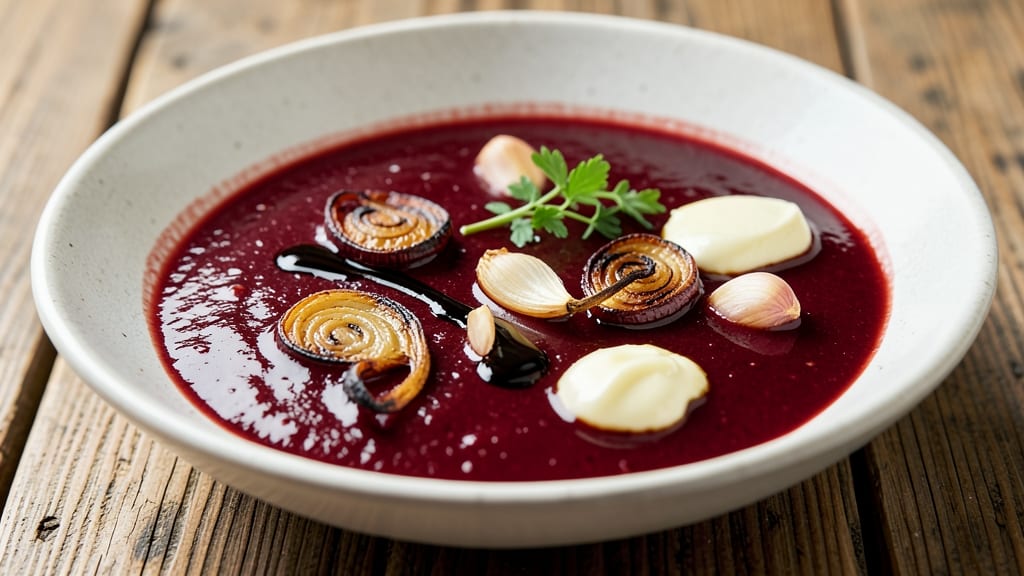
This au jus sauce recipe with beef broth transforms simple ingredients into a bold, umami-rich sauce that elevates any beef dish. The secret lies in reducing homemade beef broth with wine and aromatics, creating layers of depth that bottled sauces can't match. I developed this after realizing how much better homemade tastes—no shortcuts, just pure flavor.
What makes this sauce special is the balance: rich beef broth provides the foundation, while red wine adds acidity and complexity. Aromatics like shallots and garlic bloom in the pan, releasing their natural sweetness before melding into the sauce.
The slow reduction concentrates flavors, resulting in a glossy, velvety sauce with just the right balance of salt, acid, and umami.
The result is a sauce that's restaurant-quality yet simple to make—just 30 minutes of active time, with most of that being hands-off reduction. It's perfect for drizzling over roasted beef, steak sandwiches, or even as a dipping sauce for fries.
The best part? It keeps well in the fridge for up to 5 days, so you can make a big batch and enjoy it all week.
For extra depth, I recommend using homemade beef broth, but quality store-bought works in a pinch. The key is patience during reduction—don't rush it, or you'll lose that rich, concentrated flavor. This sauce is the kind of homemade magic that makes weeknight dinners feel special.
Ingredients for au jus sauce recipe with beef broth
Rich beef broth, bold wine, and aromatic blooms create this velvety sauce—simple ingredients for restaurant-quality flavor.
| Ingredient | Amount | Notes |
|---|---|---|
| Homemade Beef Broth 🥩 | 4 cups | Rich, homemade preferred |
| Dry Red Wine 🍷 | 1 cup | Bold Cabernet or Merlot |
| Shallots 🧅 | 2 whole | Minced, not sliced |
| Garlic Cloves 🧄 | 4 cloves | Minced for depth |
| Unsalted Butter 🧈 | 2 tbsp | Cold, cubed for richness |
| Worcestershire Sauce 🍶 | 1 tbsp | For umami punch |
| Fresh Thyme Leaves 🌿 | ½ tsp | Or 1/4 tsp dried |
| Diamond Crystal Kosher Salt 🧂 | ½ tsp | Adjust to taste |
| Black Peppercorns 🌶️ | ¼ tsp | Freshly cracked |
| Cornstarch 🌽 | 1 tsp | For thickening |
The beef broth is the heart of this sauce. Homemade is ideal—look for deep color and rich flavor—but high-quality store-bought like Pacific Foods or Kettle & Fire works in a pinch. The wine should be dry and bold (Cabernet or Merlot), not sweet. Shallots add subtle sweetness without overpowering, so don't skip them. I always grab fresh thyme from Whole Foods or my garden—it makes a noticeable difference. For the butter, use unsalted (the salt is controlled separately), and cube it so it melts gradually for a silky texture.
No red wine? Substitute with beef broth plus 1 tbsp balsamic vinegar—it adds acidity to balance the richness. Fresh thyme unavailable? Dried works at one-fourth the amount. Prefer less umami? Reduce the Worcestershire to 1/2 tbsp. The cornstarch is optional but helps thicken the sauce if you like it glossier. For extra depth, add 1/2 tsp fish sauce (trust me on this—it's a secret weapon). If you're using store-bought broth, choose one with no added salt to avoid over-salting the final sauce.
This sauce keeps beautifully—5 days in the fridge sealed in a jar. For longer storage, freeze in ice cube trays, then transfer to a bag. Reheat gently on the stove, stirring constantly to prevent scorching. I always make a double batch because it disappears fast—perfect for drizzling over steaks, roasted potatoes, or even as a dipping sauce for fries. The flavor actually improves after a day as the ingredients meld together.
Why You'll Love This Recipe
- Foolproof Simplicity: I swear by this—no measuring cups, no stress. Just a quick sauté of shallots and garlic in butter, a splash of wine to deglaze, and your homemade beef broth ties it all together. Ten minutes, tops.
- Rich Umami Bomb: That first sip? Pure satisfaction. The wine cuts through the richness of the butter while the beef broth brings deep, savory layers—like a fancy steakhouse sauce, but made in my own kitchen.
- Weeknight Workhorse: Drizzle it over roasted potatoes, use it to braise chicken thighs, or serve it alongside grilled burgers. Honestly, I’ve had it three nights in a row and never get tired of it.
- Budget-Friendly Luxury: A big batch costs next to nothing but feels like a splurge. The wine adds depth without breaking the bank, and the broth? You can make it from scraps or buy it cheap—either way, it’s a win.
Step-by-step instructions for rich homemade au jus
This sauce builds on the deep umami of homemade beef broth—let's elevate it with wine, aromatics, and a velvety finish.
Sauté Aromatics Until Golden
Heat a medium saucepan over medium heat and add the 2 tablespoons unsalted butter. Let it melt completely, then add the 2 whole shallots and 4 cloves garlic cloves, both minced. Cook for 5-6 minutes until the shallots turn translucent and the garlic becomes fragrant—this is your flavor foundation.
Here's the thing—don't rush this step. You want those shallots to soften and caramelize slightly, which adds sweetness to balance the wine's acidity. Stir occasionally so nothing burns, especially the garlic which can go from fragrant to bitter in seconds.
Deglaze with Wine and Simmer
Pour in the 1 cup dry red wine and scrape up any browned bits from the bottom of the pan with a wooden spoon. This deglazing captures all the flavor you've built so far. Bring to a gentle simmer and cook for 3-4 minutes until the wine reduces by about half and becomes syrupy.
Watch for bubbles forming steadily—this tells you the wine is reducing properly. If it boils too vigorously, reduce the heat slightly. You want the alcohol to cook off while concentrating the wine's flavors. The sauce should smell rich and complex at this stage.
Build Depth with Broth and Seasonings
Add the 4 cups homemade beef broth, 1 tablespoon Worcestershire sauce, 0.5 teaspoon fresh thyme leaves, 0.5 teaspoon Diamond Crystal kosher salt, and 0.25 teaspoon black peppercorns. Bring to a gentle boil, then reduce heat to medium-low and simmer uncovered for 10-12 minutes until slightly reduced.
This is where the sauce comes together. The broth should now have a deep, meaty aroma with hints of thyme and wine. Taste occasionally and adjust seasoning—you might need a touch more salt since homemade broth can vary in saltiness. The sauce should be flavorful but not overpowering at this stage.
Thicken to Perfection
In a small bowl, whisk together the 1 teaspoon cornstarch with 2 tablespoons cold water until smooth. Slowly pour this mixture into the simmering sauce while stirring constantly. Cook for another 2-3 minutes until the sauce thickens to a glossy, velvety consistency that coats the back of a spoon.
This is the moment that matters: the cornstarch slurry should blend completely without clumping. If it thickens too quickly, add a splash of hot broth to loosen it. The final sauce should coat a spoon lightly but not be gluey—it should cling beautifully to your roasted beef or steak.
Pro Tips For Making Au Jus Sauce Recipe With Beef Broth
- SWEEAT SHALLOTS FIRST: I learned this the hard way—raw shallots in wine and broth taste like sad, watery onions. Slice them thin, then cook in butter over medium heat until translucent (about 5 minutes) before adding wine. The sugar caramelizes just enough to deepen the flavor without burning.
- DEGLAZE WITH PATIENCE: Pour that red wine in slowly, a splash at a time, and let it bubble away before adding more. Rushing it means a thin, boozy sauce instead of rich, velvety reduction. Scrape the browned bits—those are flavor gold.
- SALT THE BROTH: Your homemade beef broth might need more salt than you think, especially if you’re using unsalted butter later. Taste it before adding wine—aim for a finish that’s just shy of fully seasoned, since the butter and wine will round it out.
- FINISH WITH COLD BUTTER: Whisk in the butter at the very end, off the heat, or you’ll get greasy sauce. A tablespoon of cold butter (straight from the fridge) emulsifies better than softened—trust me, it makes a difference in mouthfeel.
Regional styles of this recipe
Classic French Au Jus
This is the sauce I grew up with—simple, elegant, and deeply flavorful. The French version relies on red wine reduction and beef stock for that signature richness. I like to add a splash of cognac (about ½ cup) when deglazing to deepen the aroma.
For a true bistro experience, finish with a pat of cold butter swirled in at the end. 🍷
Key difference here: French au jus often includes bone marrow (about 2 tablespoons) for extra richness. If you have access to beef marrow, toast it lightly in the pan before adding wine for an authentic touch.
The sauce should be glossy but not syrupy—think of it as a light, velvety drizzle rather than a thick coating.
American BBQ-Inspired Twist
For a smoky, bold variation, I developed this BBQ-style au jus that works perfectly with pulled pork or brisket. Start with 1 cup beef broth and add 2 tablespoons tomato paste, 1 tablespoon smoked paprika, and 1 teaspoon liquid smoke during the simmering stage.
The liquid smoke adds depth without overpowering, and the tomato paste gives a subtle sweetness that balances the richness.
Finish with a dash of hot sauce (like Crystal or Tabasco) and a pinch of ground chipotle for heat. This version is thicker—almost like a glazed au jus—and pairs beautifully with slow-cooked beef ribs or smoked brisket sandwiches. 🌶️
German-Inspired Rinderrostbraten Style
German au jus, or Rinderrostbraten sauce, is richer and often includes cream for a luxurious finish. After reducing the beef broth and wine, stir in ½ cup heavy cream and simmer for 5 minutes until warmed through.
For extra depth, add 1 teaspoon caraway seeds (toasted and crushed) and ½ teaspoon marjoram during the initial sauté.
This sauce is perfect for roast beef or beef pot roast and has a silky, almost gravy-like texture. The caraway adds a subtle anise note that complements the richness beautifully. Serve it warm over mashed potatoes or egg noodles for a hearty meal. 🥔
Italian-Inspired Bistecca alla Fiorentina
For an Italian twist, I created a herb-forward au jus inspired by Florentine steak traditions. After sautéing the shallots and garlic, add 1 sprig fresh rosemary and 2 sprigs fresh thyme (instead of dried) along with the wine.
Simmer the broth with ½ cup dry white wine (like Pinot Grigio) for a lighter, brighter flavor profile.
Finish with 1 tablespoon balsamic glaze (reduced from 2 tablespoons balsamic vinegar) for a touch of sweetness and acidity. This sauce is lighter but still rich, perfect for grilled steaks or beef tenderloin.
The herbs add a fragrant, earthy note that pairs beautifully with roasted garlic potatoes or sautéed green beans. 🌿
Nutrition facts
Frequently asked questions
Can I substitute red wine with another liquid?
Yes! If you don't have red wine, use 1 cup beef broth plus 1 tablespoon balsamic vinegar for acidity. For a non-alcoholic version, try 1 cup apple cider or 1 cup cranberry juice. The key is balancing richness with acidity—just adjust seasoning afterward.
How do I prevent the sauce from getting too thick?
If your sauce thickens too much, simply whisk in 1-2 tablespoons hot water or beef broth while stirring constantly. For future batches, reduce the cornstarch to ½ teaspoon or skip it entirely if you prefer a lighter consistency. The sauce should coat a spoon lightly but not be gluey.
What's the best way to store leftover au jus?
Store in an airtight container in the fridge for up to 5 days. For longer storage, freeze in ice cube trays, then transfer to a freezer bag. Thaw overnight in the fridge and reheat gently on the stove, stirring constantly to prevent scorching. The flavor actually improves after a day!
Can I make this sauce without beef broth?
Yes, but the flavor will be different. Use 4 cups chicken broth for a lighter version or 2 cups beef broth + 2 cups vegetable broth for a hybrid. For umami depth, add 1 teaspoon soy sauce or ½ teaspoon fish sauce to compensate. The sauce will still taste good, just less meaty.
Why did my au jus turn cloudy?
Cloudiness usually means the sauce didn't reduce enough or the cornstarch wasn't fully dissolved. Next time, whisk the cornstarch with cold water until completely smooth before adding to the sauce. Also ensure you're simmering (not boiling) during reduction—this helps clarify the sauce naturally.