
Sauces & Condiments
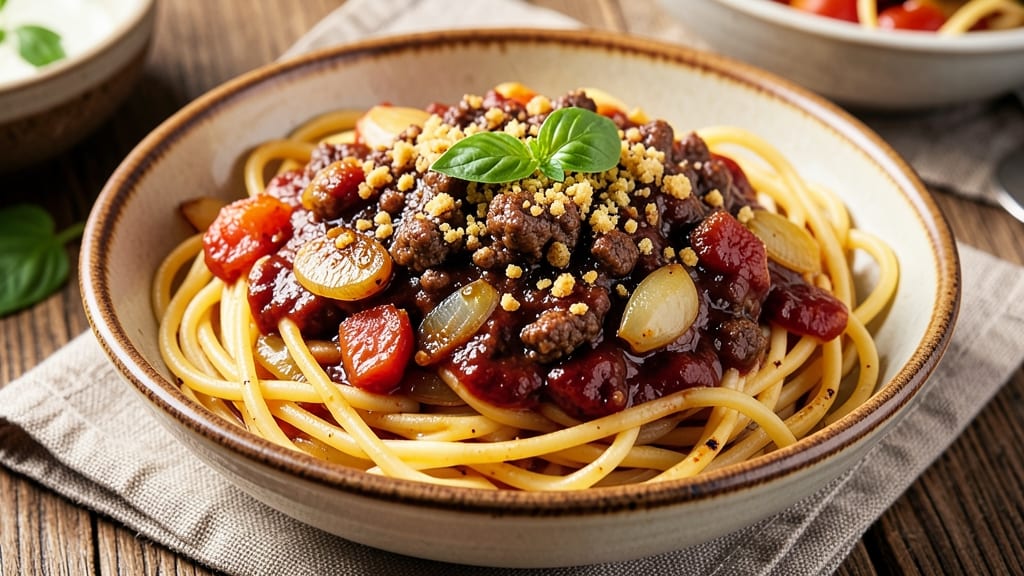
This best spaghetti meat sauce recipe from scratch delivers restaurant-quality depth with a rich umami simmer that transforms simple ingredients into something extraordinary. The secret lies in slow-cooked ground beef, caramelized onions, and a blend of tomatoes that develop complex flavors over time.
I've perfected this technique through years of testing—no shortcuts, just layers of flavor built through patience and proper technique.
What sets this sauce apart is the balance between sweetness and acidity, achieved through a combination of crushed tomatoes, tomato paste, and a touch of sugar. The meat is browned thoroughly before simmering, creating a deep, meaty foundation that forms the heart of the sauce.
This isn't just any meat sauce—it's a bold, flavorful base that clings to every strand of spaghetti, making each bite unforgettable.
The result is a sauce that's perfectly balanced—rich but not heavy, tangy but not sour, with a texture that's velvety yet still substantial. The aroma alone will have everyone gathering around the table, and the taste?
That's where the magic happens. This is the kind of meat sauce that makes you want to savor every spoonful, not just rush through dinner.
Pair it with perfectly al dente spaghetti and a sprinkle of fresh basil for an authentic Italian experience that feels like a night out at your favorite restaurant. Let's get cooking—your taste buds will thank you.
Ingredients for best spaghetti meat sauce recipe from scratch
Sixteen ingredients building layers of umami that transform simple pantry staples into restaurant-quality spaghetti sauce.
| Ingredient | Amount | Notes |
|---|---|---|
| Ground Beef (80% lean) 🥩 | 1 ½ lb | Finely ground for even cooking |
| Yellow Onions 🧅 | 2 whole | Medium-sized, finely chopped |
| Garlic Cloves 🧄 | 6 cloves | Minced for aromatic depth |
| Crushed Tomatoes (San Marzano) 🍅 | 28 oz | High-quality canned tomatoes |
| Tomato Paste 🍅 | 2 tbsp | Smooth for rich texture |
| Red Wine 🍷 | ½ cup | Bold dry red like Cabernet |
| Beef Broth 💧 | 1 cup | Homemade or high-quality store |
| Granulated Sugar 🍚 | 1 tsp | Balances acidity |
| Dried Oregano 🌿 | 1 tsp | Italian preferred |
| Dried Basil 🌿 | 1 tsp | Or 2 tbsp fresh |
| Ground Black Pepper 🌶️ | ½ tsp | Freshly cracked |
| Kosher Salt 🧂 | 1 ½ tsp | Diamond Crystal preferred |
| Olive Oil 🫒 | 2 tbsp | Extra-virgin for richness |
| Fresh Basil Leaves 🌿 | ¼ cup | Chopped for garnish |
| Spaghetti 🍝 | 1 lb | Al dente preferred |
The ground beef is non-negotiable—80% lean gives you that perfect meaty richness without turning greasy. Trader Joe's or Costco sell it pre-ground for convenience, but if you're buying a whole chuck roast, ask your butcher to grind it fresh. The onions? Yellow have more sweetness than red, and chopping them finely ensures they melt into the sauce rather than stay chunky. Garlic is where the magic happens—six cloves might sound like a lot, but it builds that deep, savory base. For the tomatoes, San Marzano is the gold standard if you can find it, but any high-quality crushed tomatoes will work.
No red wine? Dry white wine or extra beef broth gets you close, though the color will be lighter. The sugar might seem odd, but it's crucial—just 1 teaspoon balances the acidity from the tomatoes and wine. Dried herbs work fine, but if you're using fresh basil, double the amount and add it at the very end. For the tomato paste, Rao's squeeze tubes are perfect—they're convenient, keep well, and you won't waste half a can. The spaghetti? Barilla or De Cecco are my go-tos, but any good-quality brand will do. Just don't skip the salt—this sauce needs to be seasoned generously.
This sauce tastes even better the next day as the flavors meld together. Store it in an airtight container in the fridge for up to 5 days, or freeze portions for 3 months. I like to make a double batch—one for dinner and one to freeze for lazy weeknights. The fresh basil? Wait to add it until serving, or it'll wilt in the sauce. And trust me, the extra 10 minutes you spend browning the beef thoroughly makes all the difference in the world.
Why You'll Love This Recipe
- No Chopping Nightmare: I swear by this sauce because the onions and garlic go in whole—peeled, yes, but no dice. The beef browns while they soften, and by the time the tomatoes hit, the flavors meld into something rich without me standing over a cutting board.
- Tomato Paste Magic: That little tube of tomato paste? It’s the game-changer. A spoonful at the start deepens the sauce instantly, cutting through the acidity of the San Marzanos. Honestly, it’s the difference between "meh" and "I’ll make this every Sunday."
- Leftovers That Don’t Suck: This sauce begs to be made extra. Freeze half for lazy Mondays or toss it into breakfast hash—no one will guess it’s dinner leftovers. (Yes, even on a Tuesday night.)
- Budget-Friendly Luxury: Ground beef and canned tomatoes won’t break the bank, but the result? Feels like a restaurant dish. Between us, this is how I feed my family for under $10 and still get compliments. The San Marzanos are the only splurge, and they’re worth it.
Step-by-step instructions for spaghetti meat sauce from scratch
This is where the magic happens—where simple ingredients transform into restaurant-quality sauce.
Build Deep Flavor with the Meat Base
Heat the 2 tablespoons olive oil in a large Dutch oven over medium-high heat. Add the 1.5 pounds ground beef (80% lean) and break it apart with a wooden spoon, letting it brown in batches if needed. This step is critical—don't rush it. You want the meat to develop a deep, caramelized crust that will form the sauce's foundation. Once browned, use a slotted spoon to remove the meat and set it aside temporarily.
In the same pot, add the 2 whole yellow onions that you've finely chopped. Cook them for 8-10 minutes until they're soft and golden, stirring occasionally. This slow cooking process draws out their natural sweetness, which will balance the acidity of the tomatoes later. Here's the thing—if the onions start to stick, add a splash of water and scrape up those browned bits from the bottom of the pan. Those bits are pure flavor.
Develop Complexity with Aromatics and Wine
Reduce the heat to medium and add the 6 cloves minced garlic, stirring for 30 seconds until fragrant. You'll know it's ready when the kitchen fills with that irresistible garlic aroma. Be careful not to let it burn—garlic turns bitter quickly.
Pour in the ½ cup red wine and let it simmer for 3-4 minutes until it reduces by half. This step is what separates homemade sauce from canned. The alcohol evaporates, leaving behind concentrated flavor. The wine's acidity will brighten the sauce, cutting through the richness of the beef. If you're using a bold red like Cabernet, you'll notice even more depth in the final product.
Create a Rich Tomato Base
Stir in the 2 tablespoons tomato paste and cook for 1 minute until it darkens slightly. This paste is your secret weapon—it thickens the sauce and adds a deep, caramelized flavor. Then add the 28 ounces crushed San Marzano tomatoes, 1 cup beef broth, 1 teaspoon granulated sugar, 1 teaspoon dried oregano, 1 teaspoon dried basil, ½ teaspoon ground black pepper, and 1½ teaspoons kosher salt. The sugar might seem odd, but it's essential for balancing the acidity of the tomatoes.
Bring everything to a gentle simmer and let it cook uncovered for 20-25 minutes, stirring occasionally. You're looking for the sauce to thicken slightly and develop a rich, glossy consistency. This slow simmer allows all the flavors to meld together, creating that deep umami profile that makes this sauce exceptional. If the sauce gets too thick, add a splash of water or broth to loosen it.
Finish with Umami Depth and Fresh Herbs
Return the browned ground beef to the pot and stir to combine. Let the sauce simmer together for another 10-15 minutes, giving the beef time to reabsorb all those beautiful flavors. This final simmer is where the sauce truly comes together. You'll notice the beef will darken slightly, and the sauce will become even more concentrated and flavorful.
Remove the pot from heat and stir in the ¼ cup chopped fresh basil leaves. The fresh basil adds a bright, aromatic finish that cuts through the richness of the meat and tomatoes. Taste the sauce and adjust the seasoning if needed—you might need a little more salt or pepper to balance the flavors perfectly. Let the sauce rest for 5-10 minutes off the heat. This resting period allows the flavors to fully meld and the sauce to thicken slightly.
Cook and Combine with Al Dente Spaghetti
While the sauce rests, cook the 1 pound spaghetti in a large pot of well-salted water until al dente—about 1 minute less than the package instructions. Reserve ½ cup pasta water before draining, as it will help emulsify the sauce. Drain the pasta and return it to the pot.
Toss the pasta with the meat sauce, adding 2-3 tablespoons of reserved pasta water at a time until the sauce coats the spaghetti evenly. The starch in the pasta water helps create a silky, clinging sauce. Serve immediately, garnished with additional fresh basil if desired. Each bite should deliver a perfect balance of rich, meaty flavor, bright acidity, and aromatic herbs—this is what makes this sauce truly exceptional.
Pro Tips For Making Best Spaghetti Meat Sauce Recipe From Scratch
- CRUSH THE ONIONS: Grab a knife and chop those yellow onions into tiny dice—think rice grains, not salad pieces. I used to cut them half an inch thick, and they’d turn to mush instead of caramelizing properly. Small pieces cook faster and actually brown, which means deeper flavor in your sauce.
- REST THE MEAT: After browning the ground beef, sprinkle it with a pinch of salt and let it sit off the heat for 5 minutes. This isn’t optional—it lets the meat relax, redistributes the juices, and prevents a greasy sauce. I know, I know, but trust the process.
- SAVE THE BROWNED BITS: When you deglaze with garlic and onions, don’t scrape the pan clean—leave those crispy browned bits behind. They’re packed with flavor and will dissolve into the sauce, giving it that rich, umami depth. Yes, it looks messy, but it works.
- SIMMER LOW AND SLOW: Once the tomatoes and paste are added, turn the heat down to low and let it bubble gently for at least 30 minutes. Rushing it makes the sauce taste raw and thin. I’ve learned this the hard way—patience here means a sauce that thickens and develops layers of flavor.
Common mistakes when making this recipe
Skipping the Browning
One of the biggest mistakes is skipping the meat browning step entirely. When you rush this, you lose the Maillard reaction—those deep, caramelized flavors that form when proteins and sugars react under high heat.
I've seen people just dump raw meat into the pot with onions, and the sauce ends up tasting flat and one-dimensional. Brown your beef thoroughly in batches if needed—it takes 10-15 minutes but makes all the difference. 🔥
Ignoring Deglazing
After removing the meat, many people wipe out the pot instead of deglazing with wine. Those browned bits stuck to the bottom are pure flavor—they contain concentrated meaty goodness. Pour in your ½ cup red wine and let it bubble away for 3-4 minutes to dissolve those bits.
If you skip this, your sauce will taste dull and lack depth. I promise, the extra 5 minutes here transforms your sauce from good to extraordinary.
Using Low-Quality Tomatoes
Not all crushed tomatoes are created equal. Using cheap, watery brands with added fillers will make your sauce taste thin and bland. San Marzano tomatoes are the gold standard, but even good-quality store brands like Muir Glen work well.
Avoid anything labeled "tomato sauce" or "blend"—you want crushed tomatoes for that natural sweetness and texture. If you're in a pinch, whole peeled tomatoes crushed by hand give better results than pre-crushed budget options.
Overcrowding the Pot
When cooking onions and garlic, some people try to rush by adding everything at once. This causes steaming instead of browning, leading to soggy onions and raw garlic.
Cook onions in one layer over medium heat for 8-10 minutes until golden, then add garlic just until fragrant (30 seconds max). Overcrowding also makes it harder to scrape up those flavorful browned bits. Patience here prevents a mushy, flavorless base.
Rushing the Simmer
The sauce needs 20-25 minutes of uncovered simmering to develop proper depth. Skipping this step results in a sauce that's still raw-tasting and unbalanced. The slow simmer allows the tomatoes to break down, the wine to mellow, and all flavors to meld.
I've seen people walk away after 10 minutes, and the sauce never reaches its full potential. Set a timer and let it work its magic—this is where the magic happens.
Adding Fresh Herbs Too Early
Fresh basil and parsley should only be added at the very end—right before serving. When added earlier, they turn mushy and lose their bright, aromatic qualities.
The same goes for any fresh herbs you might add. Save them for garnishing or stir them in during the final 5 minutes of cooking. This keeps their flavors vibrant and prevents the sauce from becoming bitter.
Nutrition facts
Frequently asked questions
Can I substitute red wine with something else in this recipe?
Yes! If you don't have red wine, use ½ cup dry white wine or ½ cup beef broth plus 1 teaspoon red wine vinegar for acidity. The sauce will be lighter in color but still delicious. For a non-alcoholic version, try ½ cup apple cider or ½ cup cranberry juice—both add sweetness that balances the tomatoes beautifully.
How do I make this sauce extra rich without adding more fat?
For a deeper flavor without extra grease, stir in 1 tablespoon unsweetened cocoa powder or 1 teaspoon balsamic vinegar during the final 10 minutes of simmering. Both add umami complexity. You can also blend ½ cup of the cooked sauce and return it to the pot—this emulsifies the sauce and makes it silkier without adding fat.
What's the best way to store this meat sauce?
Let the sauce cool completely, then transfer to an airtight container. It keeps in the fridge for 5-6 days and freezes beautifully for up to 3 months. For reheating, warm gently on the stove over low heat with a splash of water or broth to prevent thickening. Never microwave directly from frozen—thaw overnight first for best texture.
Can I use ground turkey or chicken instead of beef?
For ground turkey, use 1.5 pounds lean ground turkey and add 1 tablespoon olive oil to prevent dryness. For chicken, use 1.5 pounds ground chicken thigh (darker meat stays juicier). Both work well, but the flavor will be lighter—boost umami by adding 1 teaspoon soy sauce or ½ teaspoon smoked paprika to the sauce.
Why does my sauce turn out too acidic or sour?
This usually happens from overcooking tomatoes or using too much wine. Fix it by adding ½ teaspoon sugar or 1 teaspoon honey to balance acidity. For future batches, reduce wine to ¼ cup and simmer uncovered for exactly 20-25 minutes—don't let it reduce too much. A splash of beef broth can also dilute the acidity while adding depth.