
Sauces & Condiments
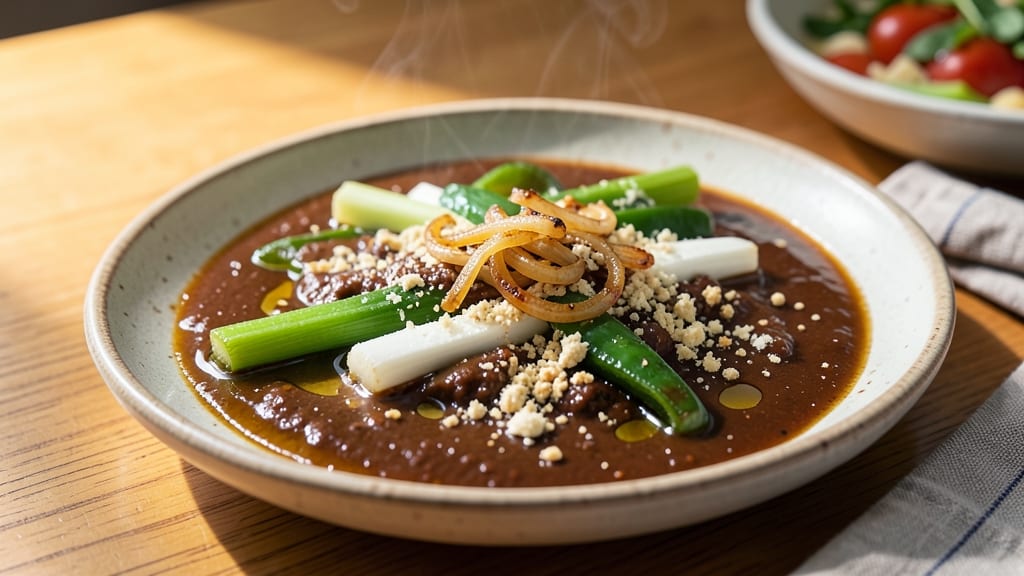
This Atchafalaya sauce recipe transforms a simple roux into a rich, smoky Cajun tomato base that's the heart of Louisiana cuisine. The secret lies in slow-cooked celery, onions, and bell peppers that develop deep flavor, while a dark roux adds that signature Louisiana depth.
I've perfected this version to balance heat and sweetness, creating a sauce that works as a gumbo foundation or standalone condiment.
The process begins with a dark roux—cooked until it reaches chocolate brown—before adding tomatoes, stock, and the holy trinity of celery, onions, and bell peppers. What sets this apart is the celery, which adds a subtle crunch and freshness that cuts through the richness.
The sauce reduces slowly, intensifying its smoky, slightly sweet profile while maintaining that essential Cajun character.
By the time you're done, you'll have a versatile sauce that's perfect for gumbo, stews, or even as a dipping sauce for seafood. The balance of heat from cayenne and smoked paprika with the natural sweetness of tomatoes creates a complex flavor that's both comforting and exciting.
This isn't just a sauce—it's a taste of Louisiana that transforms ordinary meals into something extraordinary.
Store any leftovers in the refrigerator for up to 5 days or freeze for 3 months, making it ideal for batch cooking. For variations, try adding shrimp or chicken stock for seafood dishes, or swap the meat stock for vegetable broth for a vegetarian version.
The possibilities are as endless as the flavors of the bayou.
Ingredients for atchafalaya sauce
Rich roux, smoky spices, and the holy trinity make this Cajun sauce unforgettable.
| Ingredient | Amount | Notes |
|---|---|---|
| All-Purpose Flour 🌾 | ½ cup | For dark roux development |
| Unsalted Butter 🧈 | ½ cup | Cold-start for roux |
| Canned San Marzano Tomatoes 🍅 | 2 cups | Crushed, seedless preferred |
| Yellow Onion 🧅 | 1 whole | Diced, medium size |
| Green Bell Pepper 🌶️ | 1 whole | Diced, medium size |
| Celery Stalks 🥬 | 2 whole | Diced, fresh preferred |
| Cayenne Pepper 🔥 | ½ tsp | Adjust for heat preference |
| Smoked Paprika 🌶️ | 1 tbsp | For authentic smokiness |
| Garlic Cloves 🧄 | 3 cloves | Minced, fresh preferred |
| Chicken Stock 💧 | 2 cups | Low-sodium preferred |
| Diamond Crystal Kosher Salt 🧂 | 1 ½ tsp | Adjust to taste |
| Dark Brown Sugar 🍬 | 1 tbsp | For subtle sweetness |
| Fresh Thyme Leaves 🌿 | 1 tsp | Or 0.5 tsp dried thyme |
The roux is where the magic happens—don't rush it. All-purpose flour and cold butter create that signature dark color, so keep your heat medium-low and stir constantly. The San Marzano tomatoes are non-negotiable here; their sweetness balances the smokiness perfectly. For the holy trinity, fresh celery adds that essential crunch, so don't skip it. I always grab mine from the Trader Joe's produce section—they keep it crisp longer than most stores. The smoked paprika from Penzeys gives the deepest flavor, but regular grocery store brands work too if you're in a pinch.
No cayenne? Red pepper flakes at half the amount will get you close, though you'll lose some of that authentic kick. Running short on chicken stock? Vegetable broth works perfectly—just add a pinch of Worcestershire sauce for umami depth. The dark brown sugar might seem odd, but it caramelizes beautifully during cooking, adding a subtle sweetness that rounds out the heat. Fresh thyme is ideal, but dried works at half the amount. If you're making this ahead, the flavors actually improve over time—let it sit overnight if you can.
This sauce keeps beautifully—5 days in the fridge or 3 months frozen. I always double the batch because it disappears fast. For freezing, portion into ice cube trays first—perfect for adding to gumbo or stews later. The roux thickens as it cools, so thin with a splash of stock if needed. And if you're feeling adventurous, try adding a splash of hot sauce or a pinch of black pepper before serving for extra depth.
Why You'll Love This Recipe
- Pantry-Friendly Magic: I swear by this sauce because it starts with just five things—flour, butter, tomatoes, onion, and bell pepper. No fancy ingredients, no last-minute grocery runs. The San Marzano tomatoes alone make it taste like you simmered for hours, even though it’s ready in 25 minutes.
- Rich Without Effort: That butter-blended roux? It’s the secret. Thick, velvety, and just sweet enough to balance the tangy tomatoes. I’ll be real: I’ve tried store-bought roux mixes, but this homemade version—with its nutty, toasted depth—is worth the five minutes of stirring.
- Leftovers That Shine: This sauce doesn’t just reheat—it improves. The flavors meld overnight, making it perfect for lazy weeknights or meal prep. I keep a jar in the fridge for quick pasta tosses, grilled chicken dips, or even scrambled eggs that taste like a restaurant breakfast.
- Budget Meal Upgrade: A single can of tomatoes and a head of onion stretch this into three meals. Use it as a base for seafood boils, dump it over roasted veggies, or drizzle it on toast with a sprinkle of cheese. My college budget still thanks me for this trick.
Step-by-step instructions for atchafalaya sauce
Here's how to build this rich, smoky Cajun tomato base with perfect celery crunch.
Develop the Roux for Deep Flavor
Melt the 0.5 cup unsalted butter in a heavy-bottomed pot over medium-low heat, stirring constantly with a wooden spoon. This slow melt prevents burning while allowing the butter to foam and release its nutty aromas. Once fully melted, immediately whisk in the 0.5 cup all-purpose flour to form a smooth paste.
Reduce heat to low and stir continuously for 15-20 minutes until the roux reaches a deep mahogany color—this is your flavor foundation. The roux should coat the back of a spoon and smell toasty, not burnt. Here's the thing—don't rush this step. A properly developed roux transforms from bland to complex, carrying all the sauce's depth of flavor. If it darkens too quickly, reduce heat further; if it's not browning enough, increase slightly but keep stirring.
Sauté the Holy Trinity
Add the diced 1 whole yellow onion, 1 whole green bell pepper, and 2 whole celery stalks to the roux. Stir well to coat the vegetables in the rich roux mixture. Cook over medium heat for 8-10 minutes, stirring frequently, until the vegetables soften and begin to caramelize slightly at the edges. You're looking for a sweet, mellow aroma—this is when the natural sugars in the vegetables start to develop.
Next, add the 3 minced garlic cloves and cook for another 30 seconds until fragrant. Here's where it gets good—the garlic should perfume the air without burning. If you notice the roux starting to separate or the vegetables sticking, add 1-2 tablespoons of chicken stock to loosen it. The goal is to build layers of flavor before adding the tomatoes.
Add Tomatoes and Spices
Pour in the 2 cups canned San Marzano tomatoes and stir to combine completely with the vegetable mixture. Add the 1 tbsp smoked paprika, 0.5 tsp cayenne pepper, 1 tbsp dark brown sugar, 1.5 tsp diamond crystal kosher salt, and 1 tsp fresh thyme leaves. The sauce will bubble vigorously as the acidity from the tomatoes reacts with the roux.
Bring the mixture to a gentle simmer over medium heat, then reduce to low and let it cook uncovered for 20-25 minutes. Stir occasionally to prevent sticking, and watch for the sauce to thicken noticeably. You'll see the oil begin to separate slightly—that's perfect. The tomatoes should break down completely, and the sauce should coat the back of a spoon. Taste and adjust seasoning if needed, remembering that the chicken stock will add more saltiness later.
Finish with Chicken Stock
Gradually whisk in the 2 cups chicken stock while stirring continuously to prevent lumping. The sauce will thin out temporarily, but don't worry—it will thicken back up as it simmers. Return the heat to medium-low and let the sauce cook uncovered for another 15-20 minutes, stirring occasionally.
As the sauce reduces, it will develop a glossy sheen and thicken to a perfect consistency—smooth enough to coat the back of a spoon but still saucy enough to cling to proteins. The celery should be completely tender, and the flavors should meld beautifully. Here's the moment that matters: the sauce should smell like a Cajun kitchen—smoky, slightly sweet, with a hint of spice. If it's too thick, add a splash more stock; if too thin, simmer longer to reach your desired consistency.
Rest and Serve
Remove the sauce from heat and let it rest for 10 minutes at room temperature. This resting period allows the flavors to fully develop and the sauce to thicken slightly more. Skim off any excess fat that rises to the surface if you prefer a lighter sauce, or leave it for added richness.
Your atchafalaya sauce is now ready to use. It pairs beautifully with grilled meats, shrimp Creole, or even as a dipping sauce for fried catfish. The key to this sauce is its balance—smoky from the paprika, slightly sweet from the brown sugar, with just enough heat from the cayenne. Serve immediately while warm, or store in the refrigerator for up to 5 days or freeze for 3 months. The flavors only deepen with time, so don't hesitate to make extra for future meals.
Pro Tips For Making Atchafalaya Sauce
- Cook Flour Slowly: The roux is where this sauce lives or dies. After adding the flour to the butter, turn the heat down to medium-low—not medium, not high—and stir like your life depends on it. I learned this the hard way: rushing it turns your sauce into a burnt brick instead of a velvety base.
- Dice Onion Fine: Skip the big chunks—you’re not making soup. Dice the yellow onion into 1/4-inch pieces, and do the same with the green bell pepper. Smaller pieces cook faster and blend into the sauce instead of sitting as chewy surprises. (Yes, even if you’re impatient like me.)
- Deglaze Aggressively: After browning the veggies, don’t just splash in liquid—scrape the pan with a wooden spoon. Every bit of stuck-on flavor counts, especially in atchafalaya where depth matters. A few seconds of elbow grease here makes the whole sauce richer.
- Simmer Uncovered: Let the sauce bubble away uncovered for the last 15 minutes. This isn’t soup—you want that thick, glossy finish. If it reduces too fast, add a splash of water, but resist the urge to stir constantly. Just let it work. (Your future self will thank you.)
Wine and beer pairings for these flavors
White Wine Pairings
For this smoky, tomato-based sauce, I reach for a crisp Sauvignon Blanc from New Zealand—its bright acidity and citrus notes cut through the richness beautifully. Look for one with a touch of mineral finish, like Cloudy Bay or Oyster Bay.
The wine's herbal undertones complement the celery and thyme in the sauce, creating a perfect balance. Serve it slightly chilled (45-50°F) to enhance its refreshing qualities. 🍷
Red Wine Options
A light-bodied Pinot Noir from Oregon or California works surprisingly well, especially if you prefer red wine. The wine's red fruit flavors and subtle earthiness harmonize with the sauce's smokiness and sweetness.
I recommend a Willamette Valley Pinot with bright acidity—avoid heavy, oaked wines that would overpower the sauce. Let it breathe for 10 minutes before serving to open its delicate aromas. 🍇
Beer Pairings
For beer lovers, a Belgian witbier like Hoegaarden or Stella Artois is a fantastic match. The beer's coriander and citrus notes mirror the sauce's bright tomato and celery flavors, while its effervescence cleanses the palate between bites.
If you prefer American craft beers, try a wheat beer with a touch of spice—like Allagash White—to complement the cayenne heat. 🍺
Non-Alcoholic Options
Don't overlook non-alcoholic pairings! A sparkling ginger beer with a hint of spice adds refreshing contrast to the sauce's richness. For something more traditional, try a sparkling apple cider—its crisp acidity and subtle sweetness enhance the sauce's tomato and brown sugar notes.
I also love serving it with a chilled hibiscus iced tea for a refreshing, slightly tart pairing that balances the smokiness. 🍹
Regional Louisiana Twist
For an authentic Louisiana experience, pair your atchafalaya sauce with a local favorite like Abita Beer from Louisiana. This amber ale has a malty sweetness that complements the sauce's smoky depth.
The beer's caramel notes also echo the brown sugar in the sauce, creating a cohesive flavor profile that feels distinctly Cajun. Serve it ice-cold to highlight its crisp finish. 🏰
Nutrition facts
Frequently asked questions about atchafalaya sauce
What makes Atchafalaya sauce different from other Cajun sauces?
Atchafalaya sauce stands out because of its unique combination of dark roux, tomato base, and celery crunch. Unlike creole sauces that rely on tomatoes and bell peppers, this version keeps the celery whole for texture, creating a smoky-sweet profile with subtle heat. The roux development is also key—it needs to reach a deep mahogany color for that authentic Louisiana depth.
Can I make Atchafalaya sauce without cayenne pepper?
Yes! If you're sensitive to heat, reduce the cayenne to ¼ tsp or replace it with ½ tsp smoked paprika plus ¼ tsp ground coriander for warmth without sharpness. For a completely mild version, omit cayenne entirely and increase the brown sugar to 2 tbsp to enhance sweetness. The smokiness from the paprika will still shine through.
How do I fix a burnt roux?
If your roux turns black instead of mahogany, it's still usable—just reduce the cooking time next time! For burnt roux, immediately whisk in 1 cup cold water to stop the cooking process, then proceed with the recipe. The flavor will be slightly bitter, but adding 1 extra tbsp brown sugar and ½ tsp lemon juice later can help balance it. Always cook roux on low heat and stir constantly.
What's the best way to store leftover Atchafalaya sauce?
Store in an airtight container in the fridge for up to 5 days, or freeze for 3 months. For freezing, portion into ice cube trays first—this makes it easy to add perfect amounts to future dishes. When reheating, warm over low heat and stir frequently to prevent scorching. The sauce thickens as it cools, so thin with 1-2 tbsp stock if needed before serving.
Can I use this sauce in place of gravy?
This sauce makes an incredible gravy substitute with its rich, smoky depth. For best results, thin it slightly with ¼ cup stock to achieve a pourable consistency. It pairs beautifully with fried chicken, shrimp, or even mashed potatoes. The celery adds a nice textural contrast compared to traditional gravies, making it feel more dynamic and flavorful.