
Sauces & Condiments
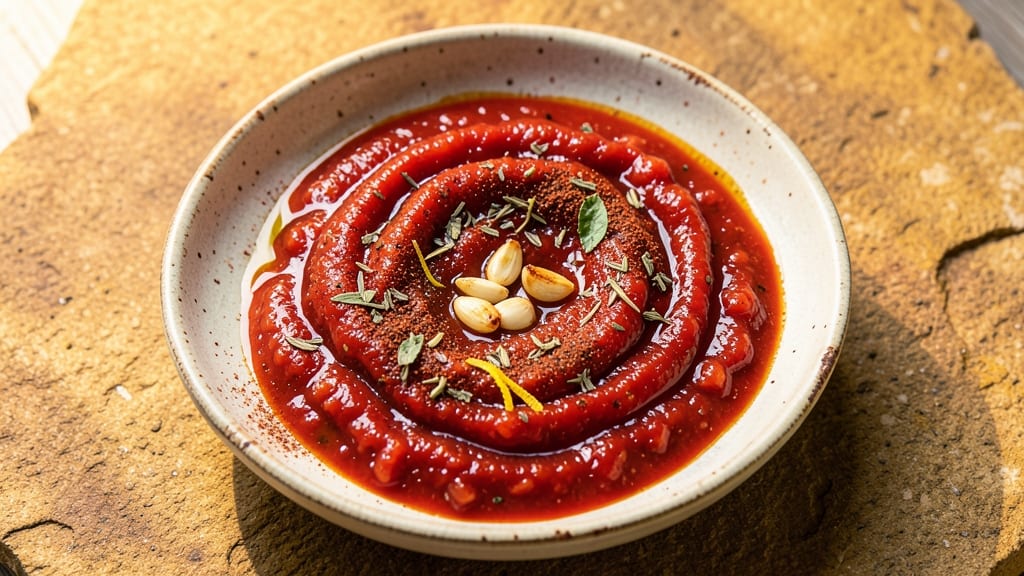
This amazing pizza sauce recipe transforms canned shortcuts into a bold, umami-rich masterpiece that’ll make you question every jarred sauce you’ve ever used. The secret? Slow-cooked tomatoes, caramelized garlic, and a pinch of smoked paprika that adds depth without overpowering.
I developed this after years of testing—no more bland, watery pizza bases here.
What sets this sauce apart is the balance: sweet tomatoes, sharp garlic, and just enough acidity to cut through the richness. You’ll start with crushed tomatoes (not paste—trust me) and let them simmer until thick and concentrated.
The result? A sauce that’s vibrant, flavorful, and clings to every bite of dough like it was meant to be there.
Ready in just 30 minutes, this sauce delivers restaurant-quality flavor with minimal effort. The best part? It tastes even better the next day, so you can make a big batch and store it for future pizza nights.
No more sad, soggy slices—just a bold umami kick that’ll have everyone asking for seconds.
Use it as your pizza base, dip for garlic knots, or even a marinade for grilled meats. The possibilities are endless, but the sauce itself is simple: tomatoes, garlic, herbs, and patience. Let’s get cooking!
Ingredients for amazing pizza sauce
Crushed tomatoes, caramelized garlic, and a smoky kick transform simple ingredients into restaurant-quality pizza sauce.
| Ingredient | Amount | Notes |
|---|---|---|
| Crushed Tomatoes (San Marzano preferred) 🍅 | 28 oz | High-quality, no salt added |
| Garlic Cloves 🧄 | 6 cloves | Freshly minced for depth |
| Extra-Virgin Olive Oil 🫒 | ½ cup | Fruity, not bitter |
| Smoked Paprika 🌶️ | 1 tbsp | For that restaurant umami |
| Dried Oregano 🍃 | 1 tsp | Mexican oregano preferred |
| Dried Basil 🌿 | 1 tsp | Or 1 tbsp fresh |
| Red Wine Vinegar 🍷 | 1 tbsp | Brightens the sauce |
| Sugar 🍬 | 1 tsp | Balances acidity |
| Salt 🧂 | 1 tsp | Diamond Crystal preferred |
| Black Pepper 🌶️ | ½ tsp | Freshly cracked |
The tomatoes are non-negotiable—San Marzano if you can find it, but any high-quality crushed works. I grab mine from Trader Joe's in the Italian section. For the garlic, peeling whole cloves and smashing them with the flat side of your knife saves time. The olive oil should be fruity, not peppery—California Extra Virgin from the store's olive oil aisle is my go-to. Smoked paprika adds depth without overpowering, and I always buy Penzeys brand for that authentic smokiness.
No red wine vinegar? White vinegar or balsamic works, but the color will differ slightly. Fresh basil? Use double the dried amount—1 tbsp fresh = 1 tsp dried. The sugar might seem odd, but it cuts through the acidity beautifully. Want more umami? Add 1 tsp soy sauce or a splash of tomato paste. For a spicier kick, swap half the paprika for red pepper flakes. This sauce is forgiving—adjust to taste as you go.
Let it simmer uncovered for 20-25 minutes until thickened. Store in airtight containers in the fridge for up to 1 week or freeze for 3 months. I double the batch and freeze half—nothing beats homemade sauce straight from the freezer. For best texture, reheat gently on the stove, stirring occasionally. The longer it simmers, the deeper the flavor becomes—patience is key.
Why You'll Love This Recipe
- No-Fuss Simplicity: I swear by this sauce because it’s three steps—no fancy techniques. Just crushed tomatoes simmered with garlic, a splash of olive oil, and a pinch of smoked paprika until it thickens slightly. Honestly, the hardest part is waiting for the oregano to bloom.
- Umami Bomb: That first bite? The garlic and smoked paprika hit like a warm hug. The San Marzano tomatoes add natural sweetness, while the olive oil ties it all together—rich but not heavy. It’s the kind of sauce that makes you pause mid-slice just to savor it.
- Weeknight Workhorse: I keep a jar in the fridge for lazy nights, but it’s also my secret weapon for game days or when friends drop by. Drizzle it on toast, toss it with pasta, or use it as a marinade—it’s always a crowd-pleaser without trying too hard.
- Budget-Friendly Luxury: A can of San Marzano tomatoes and a few pantry staples cost less than takeout, but the flavor? Chef’s kiss. The sauce thickens beautifully, so you’ll have leftovers for days—no waste, just pure, delicious versatility. (Yes, even on a Tuesday night.)
Step-by-step instructions for bold umami pizza sauce
Here's how to build a sauce with restaurant-quality depth using simple techniques.
Bloom the Aromatics in Olive Oil
Heat the 0.5 cup extra-virgin olive oil in a medium saucepan over medium-low heat. Add the 6 cloves minced garlic cloves and 1 tablespoon smoked paprika, stirring constantly for 2-3 minutes until the garlic becomes fragrant and just begins to turn golden. This step develops the sauce's complex flavor foundation—don't let it brown or it'll turn bitter.
Watch the oil carefully—the garlic should sizzle gently without splattering. If it starts to smoke, reduce the heat immediately. The paprika will dissolve into the oil, creating a rich base that carries all the other flavors. This is where the sauce gets its signature umami punch, so take your time and let those aromatics shine.
Simmer the Tomatoes and Vinegar
Pour in the 28 oz crushed tomatoes and 1 tablespoon red wine vinegar, stirring to combine. Bring the mixture to a gentle boil over medium-high heat, then immediately reduce to low heat. Let it simmer uncovered for 20-25 minutes, stirring occasionally, until the sauce thickens slightly and reduces by about one-third.
You'll notice the sauce darkening as it cooks—that's perfect. The vinegar brightens the acidity while cutting through the natural sweetness of the tomatoes. Keep the heat low to prevent scorching at the bottom of the pan. Stir every 5 minutes to distribute the heat evenly and prevent sticking.
Season and Balance the Flavors
Remove the sauce from heat and let it cool slightly for 5 minutes. Then stir in the 1 teaspoon dried oregano, 1 teaspoon dried basil, 1 teaspoon sugar, 1 teaspoon salt, and 0.5 teaspoon black pepper. The sugar helps balance the acidity while the herbs add that classic Italian flavor profile. Taste and adjust seasoning—you might need a bit more salt or vinegar depending on your tomatoes.
Here's the thing—this sauce should taste bold and vibrant, not bland. The smoked paprika and vinegar give it that restaurant-quality depth, but it's the balance of sweet, salty, and acidic that makes it truly amazing. If it needs more brightness, add another teaspoon of vinegar. If it's too sharp, a pinch more sugar will smooth it out.
Blend for Silky Texture (Optional)
For a smoother sauce, transfer the mixture to a blender or food processor and blend until completely smooth. If you prefer a rustic texture, simply stir the sauce vigorously with a wooden spoon. Either way, the sauce should be thick enough to coat the back of a spoon but still spreadable—this ensures it doesn't make your pizza soggy.
Let the sauce cool completely before using. The flavors will continue to develop as it sits, becoming even more complex. This is your base sauce, so you can use it immediately or store it in the refrigerator for up to 5 days or freeze it for 3 months. The longer it sits, the better the flavors meld together.
Pro Tips For Making Amazing Pizza Sauce
- SIMMER LOW AND SLOW: After burning the garlic in my first attempt, I learned to keep the heat low and steady—just enough to see a gentle bubble at the edges. Crushed tomatoes need time to break down, and rushing it turns your sauce into a sad, bitter mess. If you’re impatient like me, set a timer for 20 minutes and walk away.
- SMASH THAT GARLIC: Don’t just mince it—smash the garlic cloves with the flat side of your knife first. This releases more flavor without burning, and it blends into the sauce smoother. I used to skip this, and the garlic always tasted sharp and undercooked. Two cloves, properly smashed, make all the difference.
- SALT THE TOMATOES FIRST: Add a pinch of salt to the crushed tomatoes before cooking—it draws out excess water and seasons the base. I learned this from my nonna, who swore by it, and now my sauce never tastes flat. Skip this, and you’ll be chasing flavor with extra herbs later.
- SWAP PAPRIKA FOR A PINCH OF CAYENNE: Smoked paprika is great, but if you want depth, toss in a tiny pinch of cayenne (like ¼ teaspoon) for a subtle kick. It balances the sweetness of San Marzano tomatoes without overpowering. I was skeptical until I tried it—now it’s non-negotiable.
Pro cooking tips for great amazing pizza sauce
Low-Temp Simmering
Simmering your sauce at low heat for 20-25 minutes is critical—it develops deep, concentrated flavor without burning. I use a medium saucepan (not a large one) to keep the sauce at an even temperature.
If your sauce starts to bubble too vigorously, reduce the heat immediately to prevent scorching at the bottom. This slow reduction also thickens the sauce naturally, so you won’t need to add cornstarch or flour later. 🌡️
Garlic Control
Garlic is where the magic happens, but it’s easy to overdo it. Mince 6 cloves finely and cook them in 0.5 cup olive oil over medium-low heat for just 2-3 minutes—no longer! If your garlic turns golden brown or starts to smell bitter, it’s burned.
Remove the pan from heat immediately if you see smoke. The goal is fragrant, not crispy. I like to use a microplane for garlic because it gives a finer texture that blends seamlessly into the sauce.
Acidity Balance
The 1 tablespoon red wine vinegar brightens the sauce, but too much can make it taste sharp. Start with the full amount, then taste as it simmers. If it needs more acidity, add another ½ teaspoon vinegar at the end.
For a sweeter sauce, increase the 1 teaspoon sugar to 1.5 teaspoons. The key is balance—this sauce should taste vibrant, not one-dimensional. I often add a pinch of balsamic glaze (about ½ teaspoon) after simmering for extra depth without overpowering.
Herb Freshness
Dried herbs work well, but fresh basil or oregano can elevate the sauce to another level. If using fresh, chop 1 tablespoon basil (or 2 tablespoons oregano) and add it at the very end, stirring gently to keep the leaves intact.
For dried herbs, use 1 teaspoon each of oregano and basil. Pro tip: Toast your dried herbs in a dry pan for 30 seconds before adding them to the sauce—they’ll release their aroma more intensely.
This is a trick I learned from Italian nonnas, and it makes a noticeable difference. 🍃
Texture Mastery
Your sauce should coat the back of a spoon but still spread easily on pizza dough. If it’s too thin after simmering, simmer uncovered for 5-10 more minutes to reduce further. For a smoother texture, blend it with an immersion blender (no need to transfer to a separate container).
If you prefer chunks, skip blending and stir vigorously with a wooden spoon. The sauce should hold its shape when spread but still cling to the dough without making it soggy. I test this by spreading a small amount on a slice of dough and checking the consistency.
Flavor Boosting
Want to take your sauce to the next level? Add 1 teaspoon soy sauce or 1 tablespoon tomato paste for extra umami. For a smoky twist, swap ½ tablespoon of the smoked paprika for red pepper flakes.
If you love cheese, stir in 1 tablespoon grated Parmesan at the end—it adds a salty, nutty depth. I also like to finish with a pinch of cayenne pepper for a subtle kick. These tweaks are optional, but they can transform a good sauce into an extraordinary one. 🔥
Nutrition facts
Frequently asked questions
Can I use tomato paste instead of crushed tomatoes?
Not for this recipe—tomato paste would make the sauce too thick and concentrated. The crushed tomatoes provide natural sweetness and acidity that paste can't replicate. If you're short on time, you could blend 1 can (14 oz) whole peeled tomatoes until smooth, but crushed tomatoes give the best texture and flavor balance.
How do I adjust this sauce for vegan diets?
Just skip the Parmesan and use a vegan-friendly salt substitute if needed. The base recipe is already vegan—no animal products are used. For extra richness, stir in 1 tablespoon nutritional yeast at the end. The sauce's depth comes from the smoked paprika and vinegar, not dairy.
My sauce turned out too acidic—how can I fix it?
Add a pinch more sugar or a small splash of water to dilute the acidity. If it's still too sharp, stir in ½ teaspoon balsamic glaze or 1 tablespoon tomato paste to mellow the flavors. The key is balance—this sauce should taste vibrant, not one-dimensional.
Can I make this sauce in a slow cooker?
Use the same ingredients but simmer on low for 3-4 hours instead of stovetop. The slow cooker develops even deeper flavors. Just stir occasionally to prevent sticking. For best results, reduce the vinegar to ½ tablespoon since slow cooking intensifies acidity.
What's the best way to store leftover sauce?
Transfer to an airtight container and refrigerate for up to 5 days or freeze for 3 months. For freezing, portion into ice cube trays for easy use later. Thaw overnight in the fridge—never microwave directly from frozen. The sauce actually improves after refrigeration as flavors meld.