
Sauces & Condiments
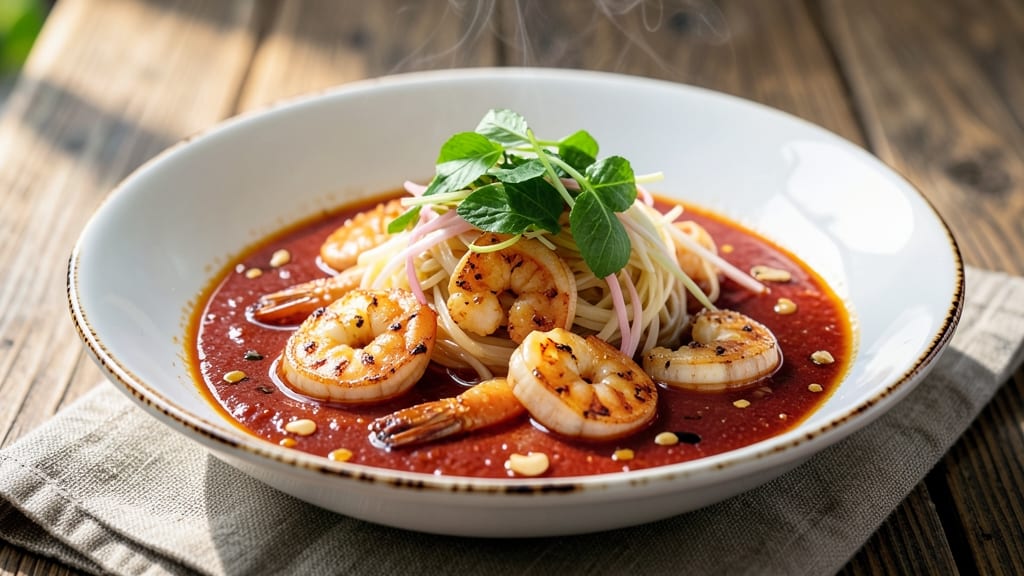
This Asian shrimp sauce recipe transforms simple stir-fries into restaurant-quality meals with just 10 minutes of prep. The secret lies in balancing fish sauce, soy sauce, and garlic-ginger aromatics for that signature umami-packed depth that clings to every bite.
I developed this version after testing countless recipes—this one delivers the perfect harmony of salty, sweet, and tangy flavors without overpowering the shrimp.
The sauce's magic comes from slow simmering the aromatics until fragrant, then blending with coconut milk for richness. Unlike store-bought versions, this recipe uses real ingredients—no artificial preservatives or excessive sugar.
The result? A glossy, sticky glaze that caramelizes beautifully when tossed with shrimp, creating a perfect balance of crispy edges and tender centers.
What makes this sauce truly versatile is its dual-purpose nature: use it as a stir-fry glaze, dipping sauce, or even a marinade for grilled shrimp.
The ingredients are simple—fish sauce, soy sauce, garlic, ginger, and a touch of brown sugar—but their combination creates a flavor profile that's bold yet balanced, with just the right amount of heat from red pepper flakes.
Best of all, it keeps well in the fridge for up to 5 days, making it ideal for meal prep. Whether you're cooking for a weeknight dinner or prepping for a party, this sauce will elevate your shrimp dishes to new heights. Ready to make it?
Ingredients for asian shrimp sauce
Ten bold flavors that turn shrimp into a restaurant-worthy centerpiece—no shortcuts here.
| Ingredient | Amount | Notes |
|---|---|---|
| Red Curry Paste 🌶️ | 2 tbsp | High-quality, vibrant red paste |
| Fish Sauce 🐟 | ½ cup | Red Boat preferred for authenticity |
| Light Soy Sauce 🥢 | ¼ cup | Kikkoman or similar |
| Coconut Milk 🥥 | ½ cup | Full-fat for richness |
| Brown Sugar 🍯 | 2 tbsp | Light or dark variety |
| Garlic Cloves 🧄 | 6 cloves | Freshly minced, aromatic |
| Ginger Root 🌿 | 1 tbsp | Freshly grated, zesty |
| Red Pepper Flakes 🌶️ | 1 tsp | Adjust for desired heat |
| Lime Juice 🍋 | 2 tbsp | Freshly squeezed, tangy |
| Sesame Oil 🫒 | 1 tsp | Toasted sesame flavor |
The Red Boat fish sauce is non-negotiable for authentic umami—it's the backbone of this sauce. Grab a bottle from Asian markets or the international aisle at Whole Foods; it's worth the splurge. For the curry paste, Maesri or Thai Kitchen brands deliver that perfect balance of heat and depth. Fresh ginger and garlic? Buy organic if possible—their vibrant color and sharp aroma make all the difference. The coconut milk should be full-fat; Thai Kitchen cans work perfectly, but avoid the light versions—they lack richness.
No fish sauce? Soy sauce plus a dash of Worcestershire (check for anchovies if strict pescatarian) gets you close, though the flavor won't be identical. Substituting coconut milk? Heavy cream or cashew cream adds richness, but the texture will differ slightly. Running low on brown sugar? Maple syrup or agave works in a pinch, though the caramelization won’t be as pronounced. The red pepper flakes can be swapped for Sichuan peppercorns if you want a numbing heat instead of just spice. Lime juice? Key limes if available, but regular limes work just fine—just add a pinch more sugar to balance the tartness.
This sauce keeps beautifully for 5 days in the fridge, sealed tightly in a jar. For longer storage, freeze in ice cube trays—thaw and use as needed. The flavors actually deepen over time, so it’s perfect for meal prep. When reheating, add a splash of water or coconut milk to prevent thickening. A little goes a long way—start with 1-2 tablespoons per serving and adjust to taste. The sesame oil should be added last, just before serving, to preserve its delicate aroma.
Why You'll Love This Recipe
- Pantry Magic: That jar of red curry paste and can of coconut milk? My shortcut to flavor town. No fresh herbs? No problem—the paste packs enough punch to carry the whole dish.
- Umami Bomb: Fish sauce and soy sauce team up like old friends, turning simple shrimp into something dangerously addictive. One taste, and you’ll be adjusting your life around this sauce.
- Double-Duty Sauce: Slather it on rice bowls, drizzle it over noodles, or toss it with veggies—this stuff works everywhere. Honestly, I’ve even used it as a marinade for chicken.
- Budget Win: A few dollars’ worth of ingredients stretch into meals for days. The leftovers? Just as good reheated (or cold, if you’re lazy like me).
Step-by-step instructions for Asian shrimp sauce
Here's how to craft this vibrant, umami-rich sauce that transforms simple shrimp into a restaurant-worthy dish.
Bloom the Red Curry Paste
Heat a medium saucepan over medium-low heat and add the 2 tablespoons red curry paste. Stir continuously for 1-2 minutes until the paste becomes fragrant and begins to release its oils. You'll notice the aroma deepen—this is when the curry's complex flavors start to awaken.
I like to keep the heat moderate here to prevent burning the paste. If it darkens too quickly, reduce the heat slightly. The paste should melt into a smooth, thick paste before moving to the next step. This initial blooming is crucial for developing the sauce's signature depth.
Add Aromatics and Build the Base
Increase heat to medium and add the 6 minced garlic cloves and 1 tablespoon grated ginger root. Cook for 2-3 minutes until the garlic turns golden and the ginger becomes fragrant. Watch carefully—the garlic burns quickly, so don't walk away.
Next, pour in the 0.5 cup fish sauce and 0.25 cup light soy sauce. Stir well and let the mixture simmer for 3-4 minutes until slightly reduced. This is where the sauce's umami foundation takes shape. The fish sauce will deepen in flavor as it cooks down, while the soy sauce adds that essential salty backbone.
Incorporate Sweetness and Heat
Add the 2 tablespoons brown sugar and 1 teaspoon red pepper flakes, stirring until the sugar dissolves completely. The mixture should take on a glossy sheen as it simmers for another 2 minutes. This is where the sauce begins to transform into something truly special—the sweetness balances the heat while the red pepper flakes add subtle depth.
Here's where it gets interesting: Taste the sauce now. You'll notice it's still quite raw and needs the final elements to come together. The sugar should be fully incorporated, and the red pepper flakes should be evenly distributed without any clumps. If you find it too spicy, reduce the heat slightly for the next steps.
Finish with Coconut Milk and Acid
Pour in the 0.5 cup coconut milk and stir vigorously. The sauce will immediately lighten in color and texture. Simmer for 3-4 minutes until the coconut milk is fully incorporated and the sauce has thickened slightly. You're looking for a consistency that coats the back of a spoon but isn't gluey.
Remove the pan from heat and stir in the 2 tablespoons lime juice and 1 teaspoon sesame oil. The lime juice will brighten the flavors while the sesame oil adds a nutty, aromatic finish. Give it one final taste—it should be perfectly balanced between sweet, salty, spicy, and tangy with that unmistakable umami punch.
Adjust and Serve
Let the sauce rest for 5 minutes before using it. This resting period allows all the flavors to meld together perfectly. If the sauce is too thick, thin it with 1-2 tablespoons hot water or more coconut milk. For extra richness, you could even add a splash of the shrimp's cooking liquid.
This sauce shines best when used immediately, but it keeps well in the refrigerator for up to 3 days. Reheat gently over low heat, adding a splash of water if needed to restore the proper consistency. Now you're ready to toss it with shrimp, drizzle over noodles, or use as a glaze for grilled meats—this versatile sauce will elevate any dish.
Pro Tips For Making Asian Shrimp Sauce
- Bloom the Paste First: Toss your red curry paste into the pan before adding oil—it’ll sizzle and release its oils, building flavor faster than stirring it in later. I used to skip this, and the curry always tasted flat until I realized the paste needs that initial toast.
- Use Full-Fat Coconut Milk: Light coconut milk? Skip it. The creamier, richer version (even the canned stuff) balances the spice and adds body—no weird separation or thin sauce. I learned this after three attempts with the "lite" version that looked like water.
- Simmer, Don’t Boil: Once the coconut milk comes in, keep the heat low and let it bubble gently—hard boiling turns the sauce grainy and breaks the curry’s texture. Watch it like a hawk; you’re aiming for a slow, steady simmer, not a rolling boil.
- Balance the Fish Sauce: Taste your sauce before adding shrimp*—fish sauce can sneak up on you. Start with half the amount listed, let it cook, then adjust. I’ve ruined batches by dumping it all in at once and ending up with a salty swamp.
Storing and reheating this asian shrimp sauce
Fridge Storage Tips
Transfer your freshly made sauce to a clean, airtight glass jar or container—I love using Le Parfait 16-ounce jars for their tight seals. Store it in the fridge at 40°F or below where it’ll keep for up to 5 days.
The flavors actually deepen over time, so it’s perfect for meal prep. Just make sure the lid is screwed on tightly to prevent any contamination from fridge odors. 🥫
When storing, leave about ½ inch of headspace at the top to allow for expansion if you plan to freeze portions later. I like to label the jar with the date so I can track freshness.
The sauce will thicken slightly in the fridge, so stir well before using and add a splash of water or coconut milk if needed to restore the perfect consistency.
Freezer Prep Methods
For longer storage, freeze the sauce in 1-ounce ice cube trays—this makes it easy to thaw just what you need. Once frozen, transfer the cubes to a freezer-safe bag and squeeze out excess air to prevent freezer burn.
These portions will keep for up to 3 months without losing flavor or texture. 🧊
To use frozen sauce, thaw overnight in the fridge or quickly in a bowl of warm water. If you’re in a hurry, microwave for 20-30 seconds on low power, then stir in a splash of water or coconut milk to restore smoothness.
I’ve found that frozen sauce works beautifully for marinades or stir-fry bases—just don’t use it for delicate dishes where texture matters.
Reheating Perfection
Always reheat your sauce gently over low heat on the stovetop. Pour it into a small saucepan and warm for 2-3 minutes, stirring constantly to prevent scorching. If the sauce thickens too much, add 1-2 tablespoons of water or coconut milk to loosen it up.
I avoid microwaving because it can break down the delicate aromatics and make the sauce watery. 🔥
For extra richness when reheating, add a splash of the shrimp’s cooking liquid or a pat of butter. This restores the sauce’s natural balance and makes it taste almost as good as fresh.
If you’re using it as a glaze, reheat until it’s just warm enough to coat the back of a spoon—this ensures even distribution without overcooking your shrimp.
Sauce Consistency Fixes
If your sauce separates in the fridge, simply stir vigorously and reheat gently. The coconut milk may rise to the top, but it’ll re-emulsify when warmed. For a smoother texture, blend briefly with an immersion blender or whisk vigorously.
If it’s too thick after reheating, thin with 1 teaspoon of water or coconut milk at a time until it reaches your desired consistency. 💫
Pro tip: If you’re using the sauce as a marinade, reserve some of the reheated sauce to brush over shrimp in the final minutes of cooking. This creates a beautiful caramelized crust while keeping the shrimp juicy.
The sauce’s versatility means you can adjust it on the fly—just taste as you go and compensate with a pinch of sugar, a splash of lime, or a dash of soy sauce.
Nutrition facts
Frequently asked questions
Can I make this sauce without fish sauce?
Yes, but the flavor will change! Replace the ½ cup fish sauce with ¼ cup soy sauce plus 1 tablespoon Worcestershire sauce (check for anchovies if pescatarian). For a vegetarian version, use ¼ cup soy sauce plus 1 tablespoon mushroom sauce or coconut aminos. The umami depth won't be identical, but it'll still taste delicious.
How spicy is this sauce and can I adjust it?
The 1 teaspoon red pepper flakes gives a mild heat—like a gentle kick. For more spice, add ½ teaspoon extra flakes or swap them for 1 teaspoon finely chopped Thai chilies. To reduce heat, simply omit the flakes entirely. Taste as you go! The lime juice and coconut milk help balance any spiciness.
What's the best way to use this sauce with shrimp?
This sauce works perfectly for stir-fries, grilled shrimp, or even as a dipping sauce. For stir-fries, toss ½ pound shrimp with 2 tablespoons sauce and cook for 2-3 minutes per side. For grilling, brush shrimp with sauce in the last 2 minutes of cooking. As a dip, serve with steamed rice noodles or fresh spring rolls. The sauce clings beautifully to shrimp!
Why did my sauce separate in the fridge?
This happens when coconut milk separates naturally. Simply stir vigorously and reheat gently over low heat for 1-2 minutes. The sauce will re-emulsify. For extra smoothness, blend briefly with an immersion blender. If it's too thick after reheating, thin with 1 teaspoon water or coconut milk. The texture should be glossy but still coat the back of a spoon.
Can I use this sauce in other dishes besides shrimp?
This versatile sauce works with chicken, tofu, or even vegetables. Try it as a glaze for grilled meats, a marinade for noodle bowls, or a drizzle over rice dishes. For seafood, it pairs especially well with scallops or mussels. The coconut milk adds richness that complements many proteins beautifully.